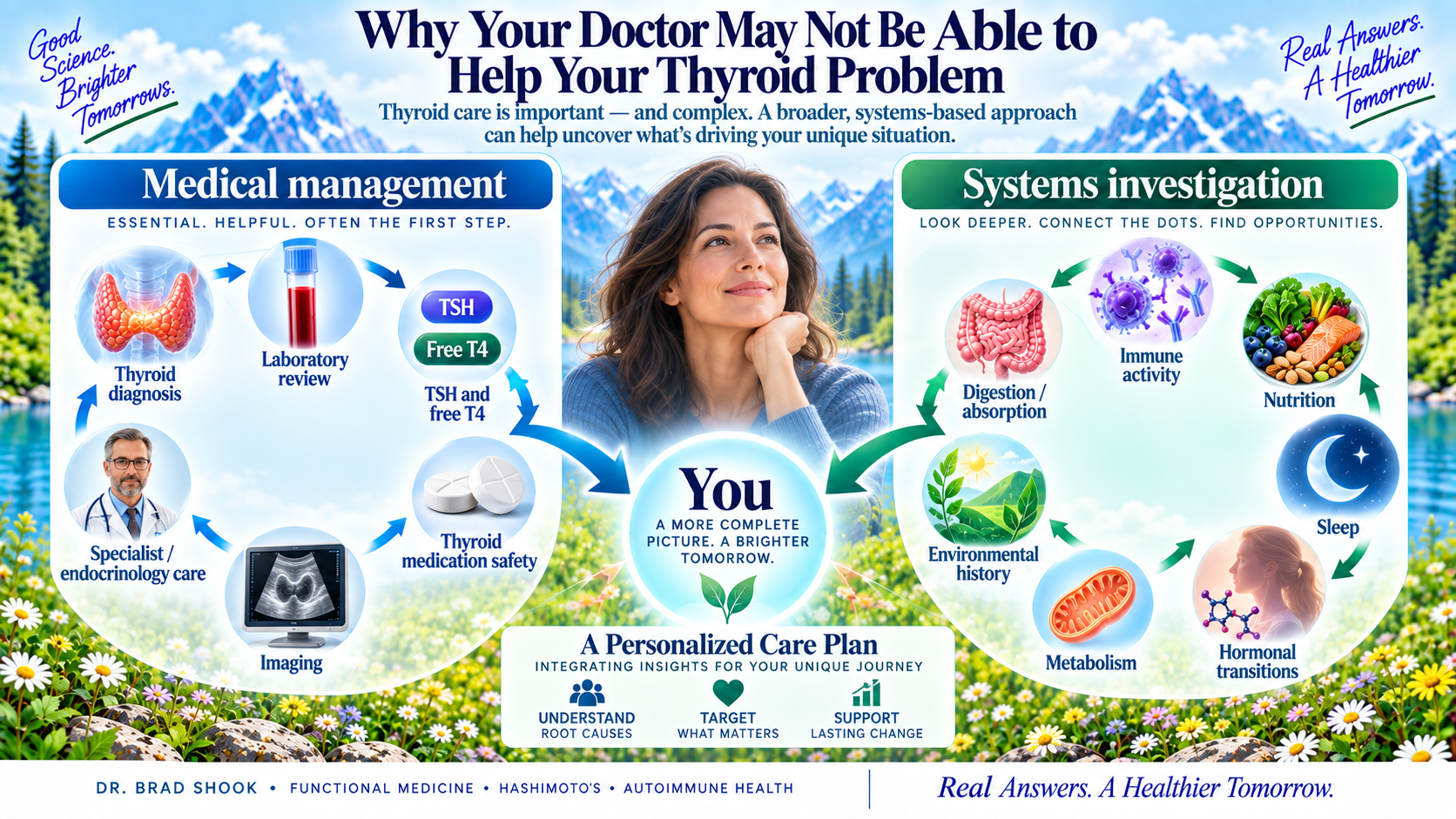
Start With Dr. Shook's Original Lesson
This 16-minute lesson introduced three ideas that remain central to Dr. Shook's work: genomics and epigenetics, precision medicine, and functional medicine. The updated master class below preserves that teaching while making the evidence limits and clinical boundaries explicit.
If the player does not load, watch the original video on YouTube. Runtime: 16:56.
A respectful correction to the headline: this is not a story about doctors who do not care. It is a story about different questions, limited visit time, evidence standards, insurance rules, and scopes of practice. The best outcome is often a collaborative team with clearly defined roles.
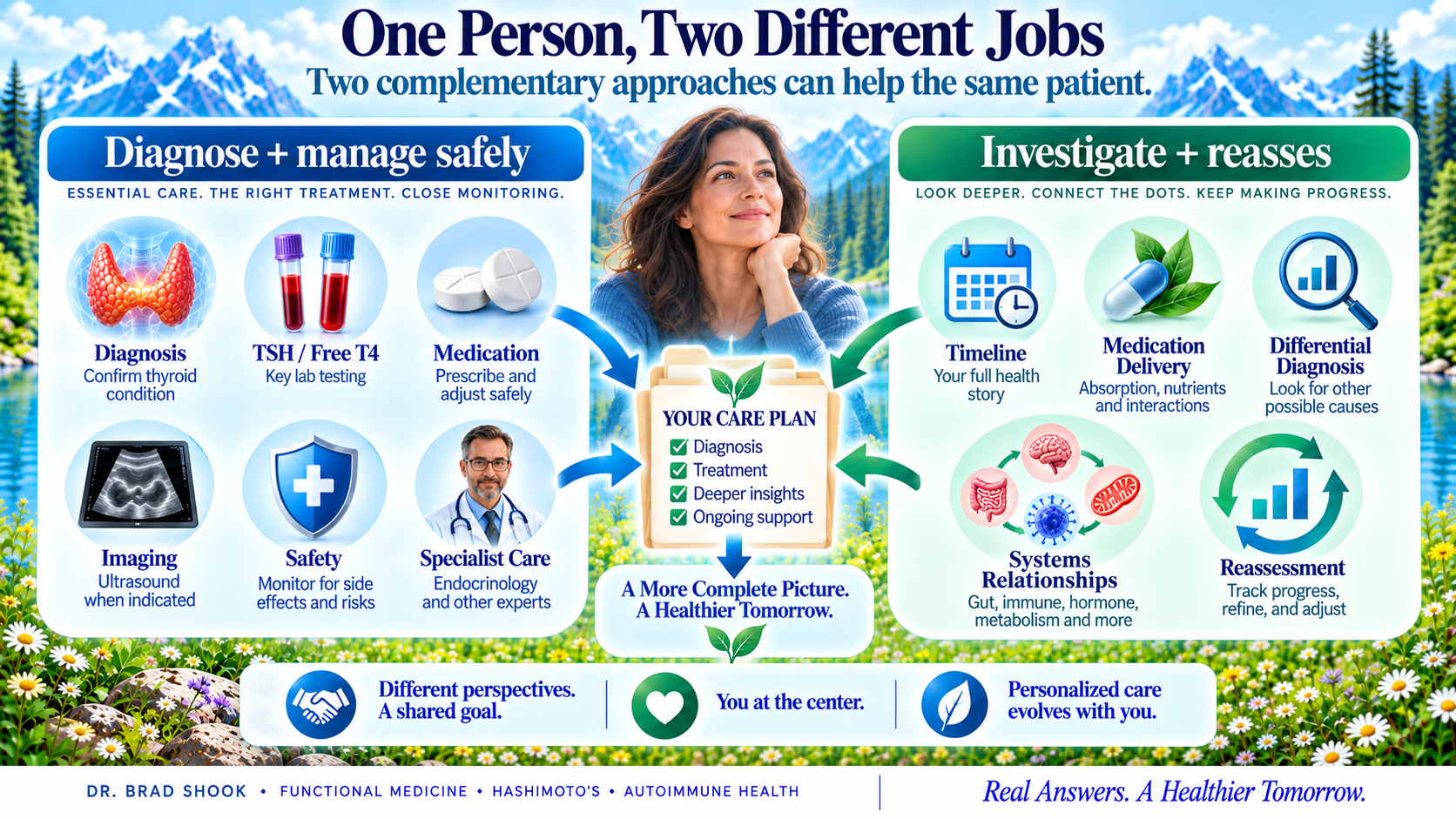
One Person, Two Different Jobs
Think of thyroid care as two overlapping assignments. The first is to determine whether you have a thyroid disorder and manage it safely. The second is to understand why symptoms persist, what else may be contributing, and which modifiable relationships deserve attention.
| Medical thyroid management | Functional systems investigation |
|---|---|
| Diagnose hypothyroidism, Hashimoto's disease, Graves' disease, nodules, pituitary problems, or another condition. | Build a detailed timeline and map symptoms, exposures, immune events, digestive patterns, nutrition, sleep, stress, metabolism, and hormonal transitions. |
| Prescribe and monitor thyroid medication, interpret safety markers, and manage pregnancy or urgent risks. | Check whether medication timing, absorption, food, supplements, other drugs, or daily routines could be affecting delivery. |
| Use evidence-based tests and imaging for defined diagnostic questions. | Use question-driven testing to investigate plausible contributors only when a result can change the plan. |
| Rule out dangerous disease and refer to endocrinology, surgery, cardiology, or other specialties when needed. | Coordinate with the medical team while supporting nutrition, behavior, recovery, environmental changes, and measurable priorities. |
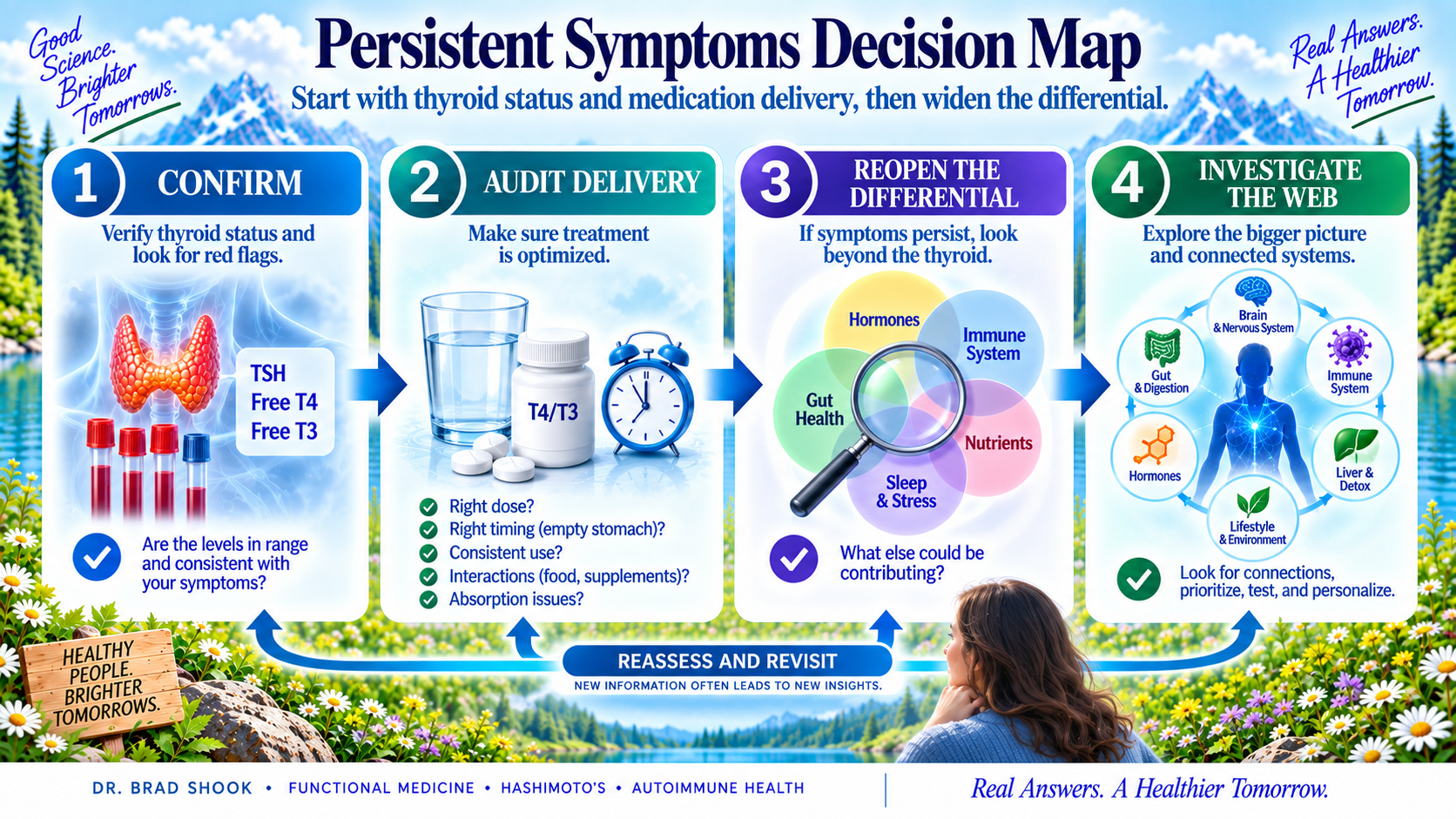
Why Can Symptoms Persist After the Thyroid Numbers Improve?
Fatigue, brain fog, constipation, hair loss, cold sensitivity, weight change, muscle pain, low mood, and reduced exercise tolerance can occur with hypothyroidism. They can also arise from many non-thyroid conditions. A normal TSH is useful information, but it does not prove that every remaining symptom is imaginary, nor does it prove that more thyroid hormone is the answer.
- Confirm the diagnosis and current hormone status. Review TSH, free T4, the clinical context, and selected additional tests when indicated.
- Audit medication delivery. Timing, adherence, formulation, dose changes, food, coffee, calcium, iron, antacids, digestive disease, and other medications can matter.
- Reopen the differential diagnosis. Anemia, iron or B12 problems, sleep disorders, mood disorders, perimenopause, insulin resistance, under-fueling, medication effects, chronic pain, infection, and other autoimmune diseases can overlap.
- Then investigate the physiological web. Follow the strongest clues from the person's history rather than assuming every system is dysfunctional.
Medication boundary: do not stop, increase, or combine thyroid medication based on an article, SNP report, supplement plan, or symptom list. Work with the prescribing clinician. Too much thyroid hormone can increase the risk of heart rhythm problems and bone loss.
The Functional Medicine Opportunity: See the Physiological Web
The Kharrazian Institute Hashimoto's Course describes a physiological web: thyroid autoimmunity and hormone signaling are embedded in immune, digestive, metabolic, neurological, hormonal, nutritional, lifestyle, and environmental relationships. The web is a map for investigation, not proof that every connection is abnormal.
Immune context
Hashimoto's is an autoimmune disorder. Family susceptibility, immune events, infections, tissue stress, other autoimmune diseases, and environmental history may help explain the timeline, but no trigger should be declared without evidence.
Digestion and absorption
Celiac disease, gastritis, bowel patterns, food or supplement timing, and medication absorption can be clinically relevant. A microbiome result or gut symptom alone does not establish the cause of a thyroid problem.
Metabolic and liver context
The liver and other tissues participate in thyroid hormone metabolism. Glucose regulation, rapid weight change, undernutrition, systemic illness, and liver health may affect symptoms or laboratory context.
Brain and nervous system
Sleep, mood, autonomic symptoms, migraine, injury, medication effects, and other neurological conditions can overlap with thyroid complaints. They deserve their own differential diagnosis.
Hormonal transitions
Pregnancy, postpartum changes, perimenopause, menopause, estrogen exposure, and major weight changes can alter symptoms, binding proteins, immune activity, or medication requirements.
Nutrients and exposures
Iron, B12, vitamin D, iodine, selenium, protein, calorie sufficiency, tobacco, medications, and selected exposures may matter. More supplements are not automatically more functional.
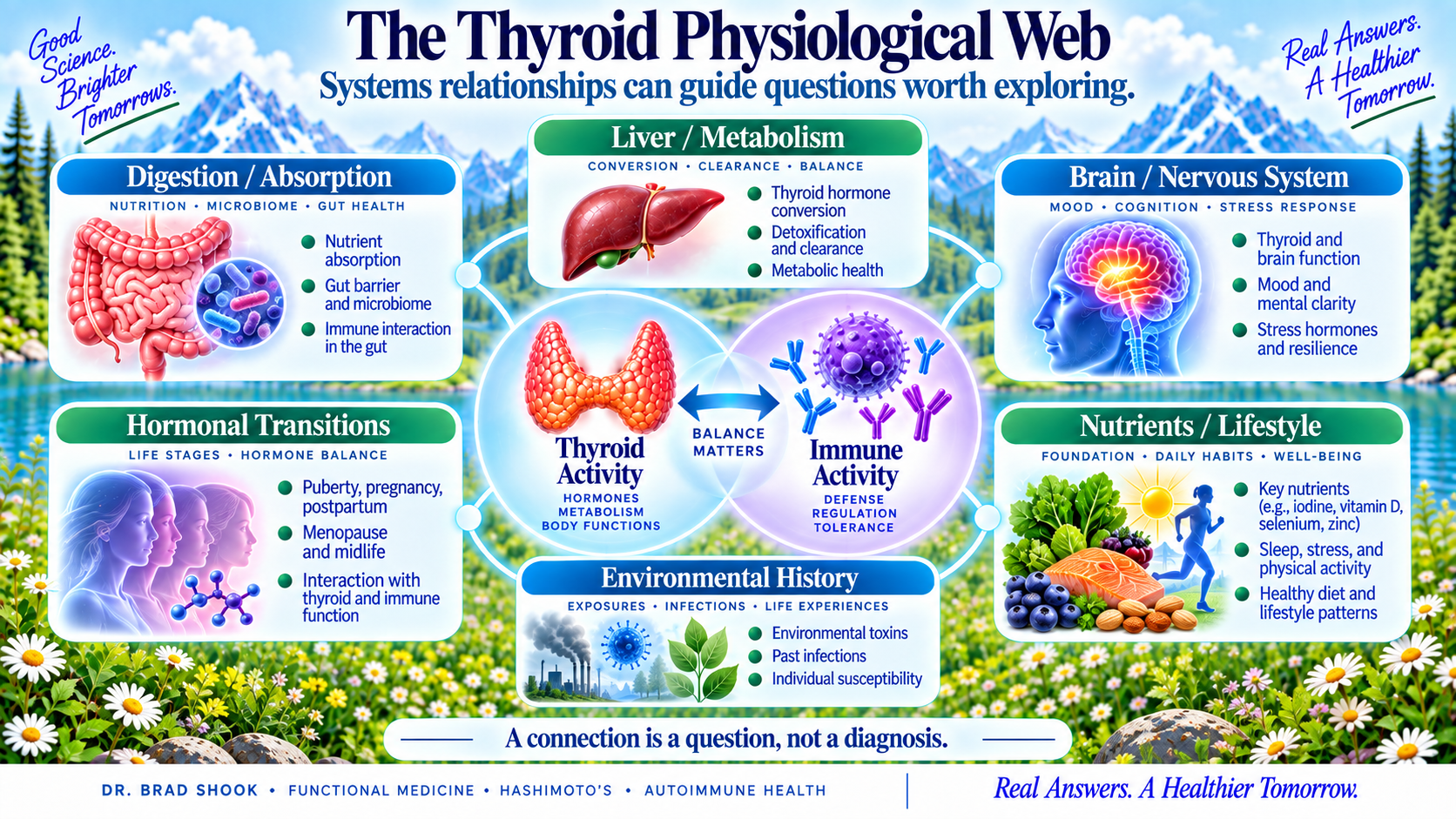
The older video referred to dozens of possible breakdowns in thyroid physiology. That is best understood as a teaching model for the many points at which regulation, production, transport, conversion, receptor signaling, immune activity, medication delivery, and overlapping illness may affect the case. It is not a validated checklist proving that every patient has 24 or 50 distinct thyroid defects.
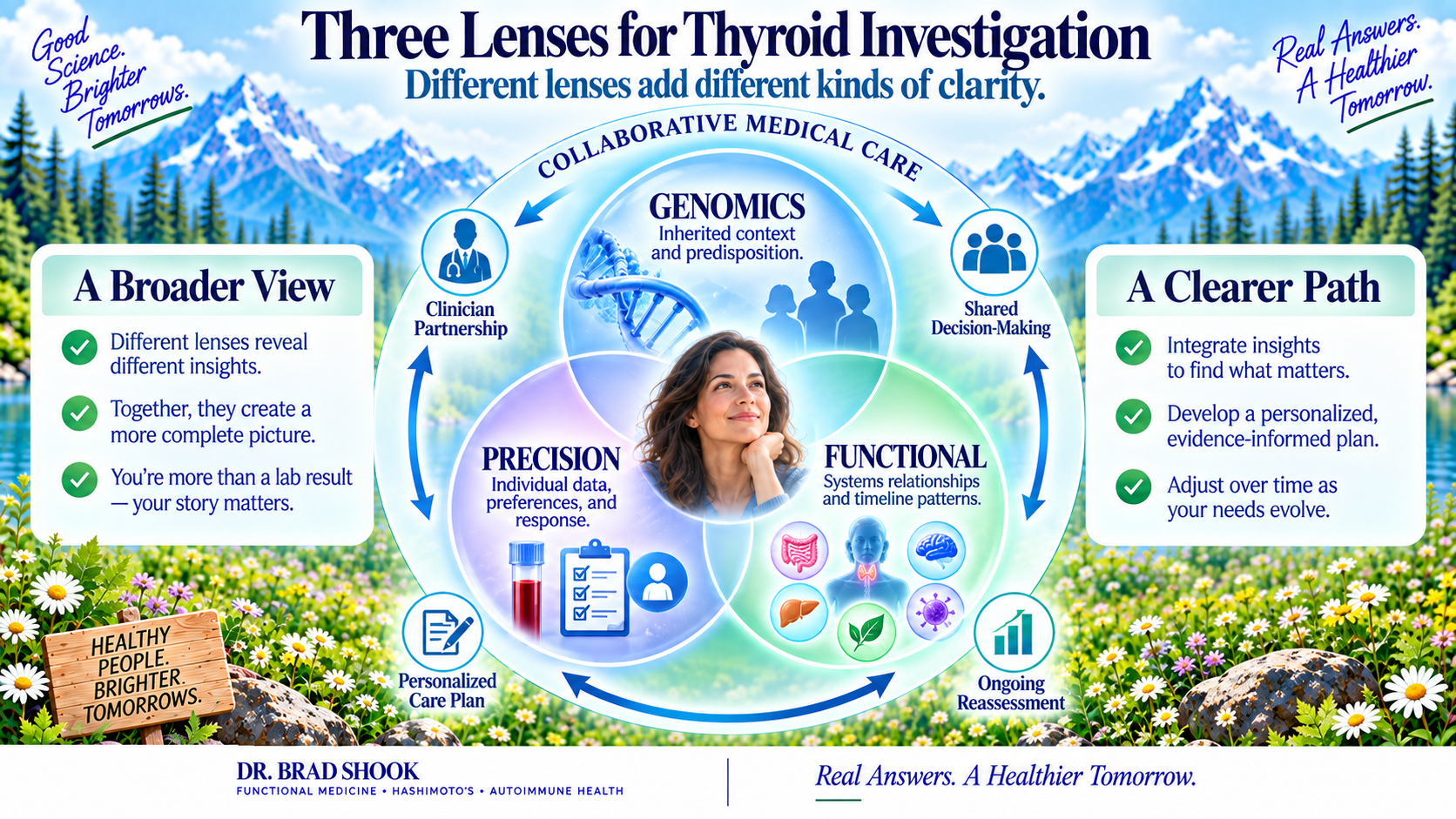
Three Lenses That Change the Conversation
Genomics and epigenetics
Genes can influence susceptibility and biological response. Epigenetics studies regulation of gene activity. Neither concept means a consumer SNP report can diagnose current dysfunction or prescribe a supplement stack.
Precision medicine
Precision care uses the person's diagnosis, risks, preferences, history, treatment response, and valid findings to refine decisions. It is not simply ordering more tests.
Functional medicine
Functional medicine organizes relationships across systems, prioritizes modifiable contributors, supports them proportionately, and reassesses. It is a process, not a promise to find one hidden root cause.
What Genomics Can Tell You, and What It Cannot
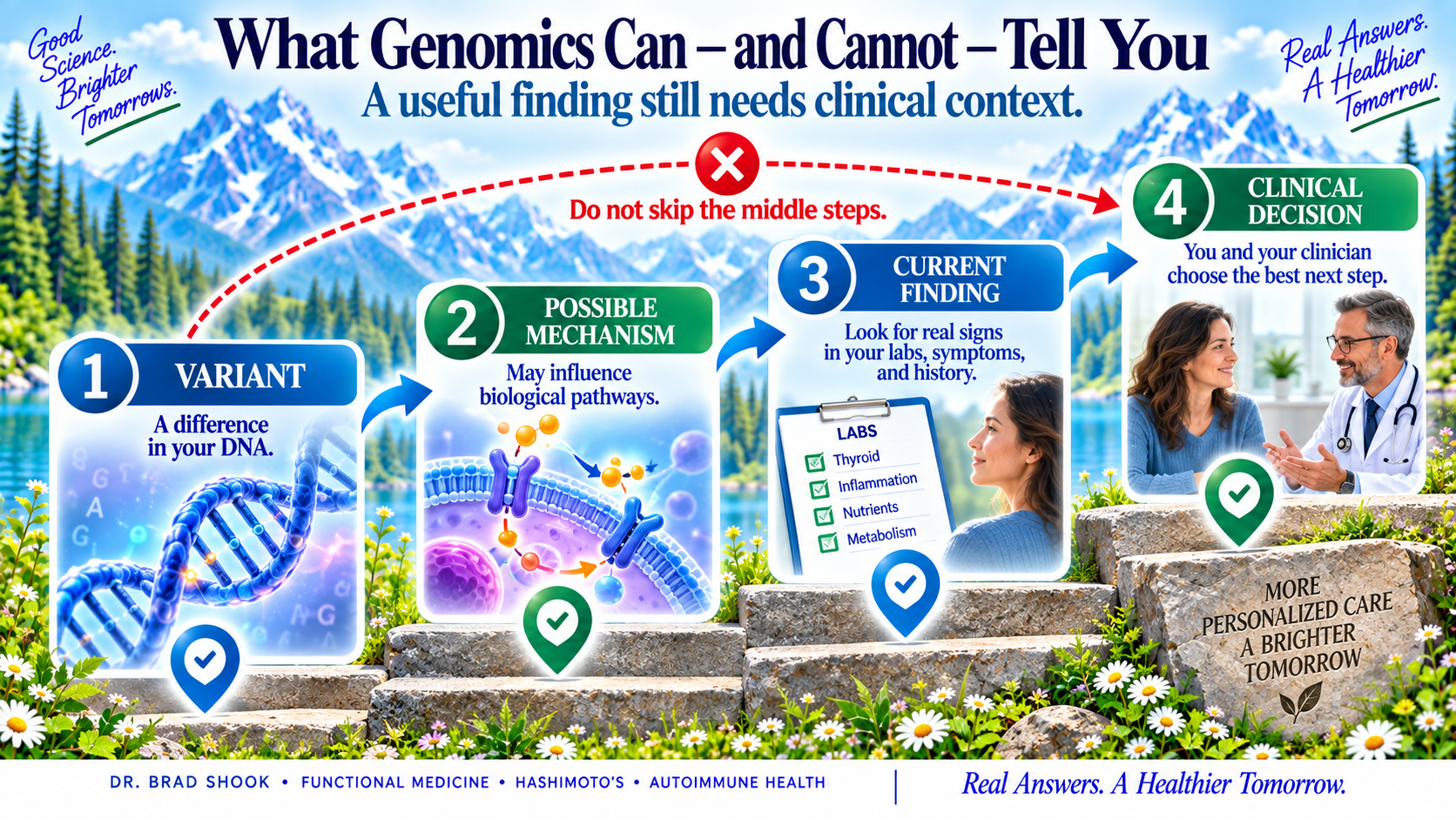
A single-nucleotide polymorphism, or SNP, is a common DNA variation. It may be associated with a biological tendency, a small change in risk, or no clinically meaningful change at all. Its value depends on analytical validity, clinical validity, clinical utility, population context, effect size, and whether it changes a real decision.
| A genomic result may... | It does not automatically... |
|---|---|
| Suggest a pathway that deserves cautious consideration. | Prove that the pathway is impaired in you today. |
| Add context to family history, current findings, or treatment response. | Diagnose Hashimoto's, hypothyroidism, poor conversion, or a nutrient deficiency. |
| Support referral to a genetics professional when a validated clinical question exists. | Determine a supplement, dose, diet, or thyroid prescription by itself. |
Example: DIO2. Deiodinase enzymes participate in conversion of T4 to T3 in tissues. Variants and transporter biology remain active areas of research. A joint ATA, BTA, and ETA consensus noted that 14 trials had not shown a consistent benefit from T4/T3 combination therapy and called for better trials, including studies of relevant polymorphisms. A DIO2 result therefore does not mean that a person automatically needs T3.
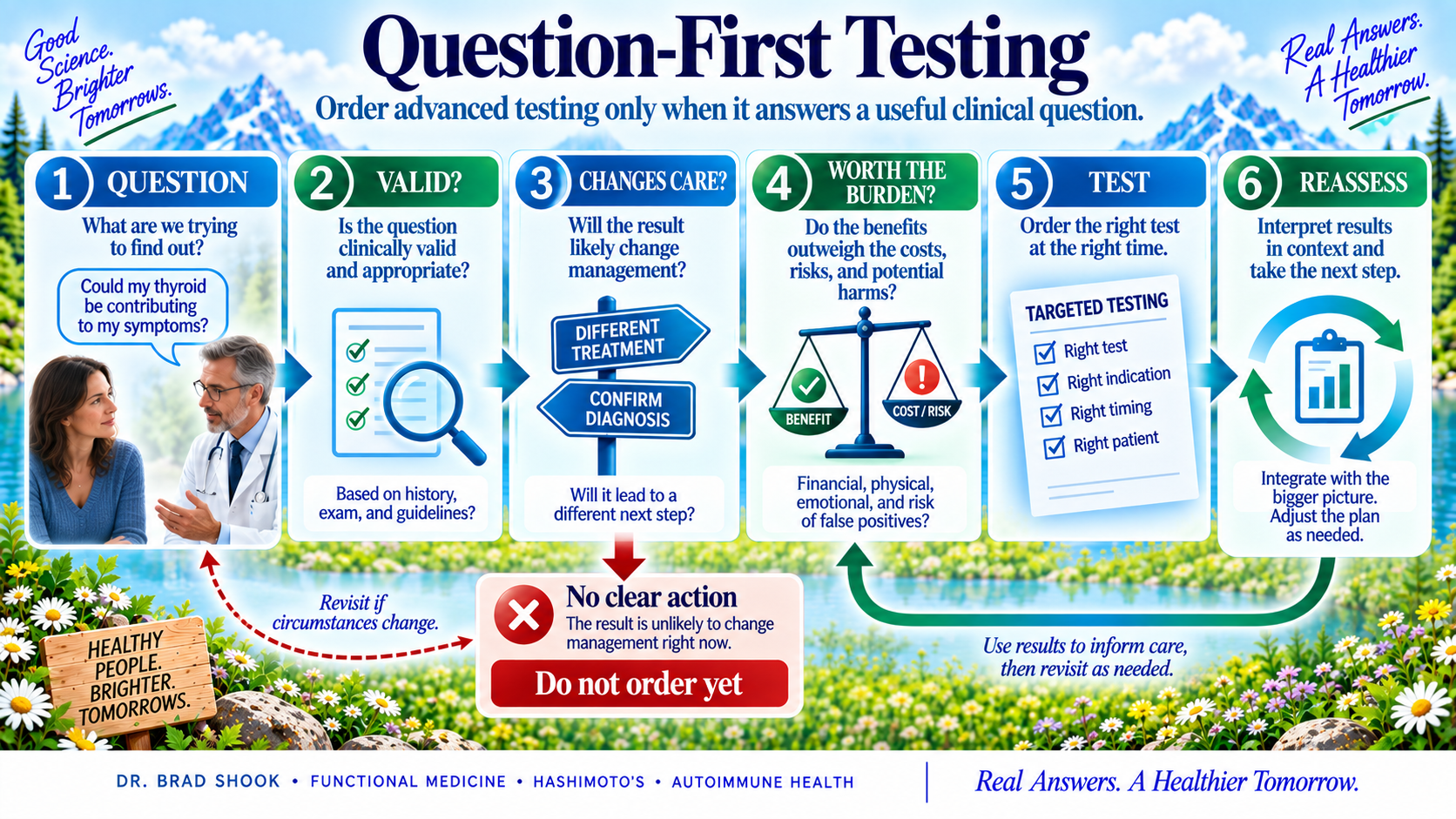
Advanced Testing: Question First, Panel Second
One reason a conventional office may not order an extensive panel is that testing must fit a diagnostic question, evidence standard, insurance policy, and medical-necessity rule. That is not proof that a test is useless. It also is not proof that every uncovered test is valuable.
A high-value test
- answers a specific question;
- has acceptable validity and reference context;
- could change the plan;
- has a clear interpretation pathway;
- is worth the cost, burden, and downstream consequences.
A low-value test
- is ordered because it is comprehensive;
- creates labels without confirming current function;
- has no defined action if abnormal;
- drives automatic supplements;
- cannot be meaningfully reassessed.
Coverage differs by insurer, diagnosis, test, laboratory, and ordering clinician. Medicare, for example, covers medically necessary diagnostic laboratory testing when ordered by a qualified provider, while also warning that some recommended services may not be covered. Before testing, ask what the result will change and request a coverage or cash-price estimate.
From Theory to an Individual Plan: DETECT → SUPPORT → REASSESS
The Kharrazian-informed functional medicine process is not about collecting every possible mechanism. It is about disciplined prioritization.
1. Orient
Separate the diagnosis, hormone status, autoimmune process, medication delivery, persistent symptoms, and possible contributors. Clarify which clinician owns each safety-critical decision.
2. DETECT
Build the timeline, review records and treatment response, and follow the strongest immune, digestive, nutritional, metabolic, hormonal, sleep, stress, infectious, or environmental clues. Test when it can change a decision.
3. SUPPORT
Keep appropriate medical management in place. Use focused nutrition, lifestyle, digestive, metabolic, environmental, and other supports that match confirmed needs and practical capacity.
4. REASSESS
Measure symptoms, function, tolerance, adherence, relevant laboratory findings, and real-world progress. Keep what helps, change what does not, and retire theories that fail the test.
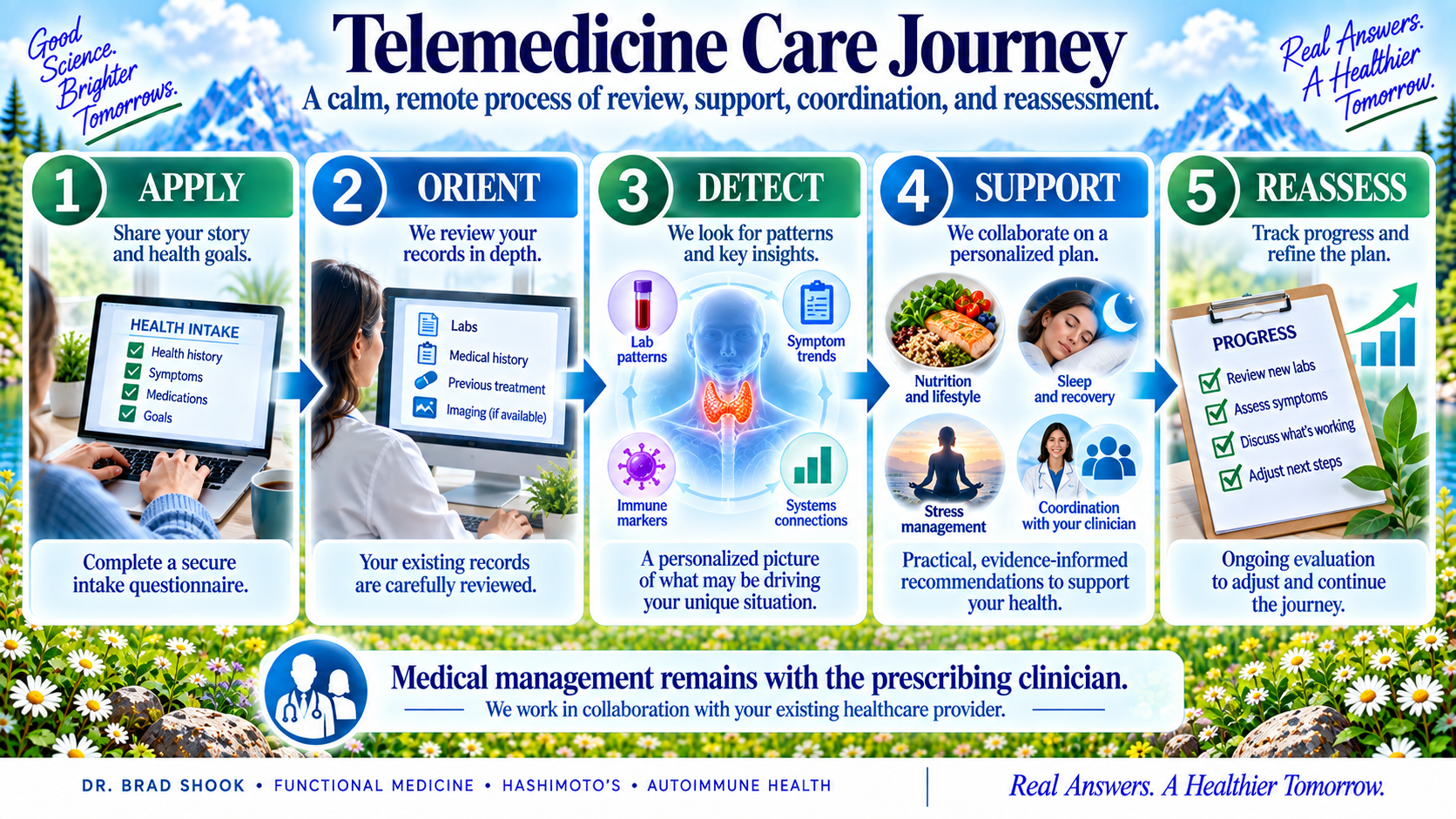
What Working With Dr. Shook by Telemedicine Looks Like
If you have been told that your thyroid numbers are acceptable but you still do not feel well, the next opportunity is not to choose between medicine and functional medicine. It is to build a team and a process that can hold both.
- Apply for care. Share your diagnosis, symptoms, current treatment, location, and the questions that have not been resolved.
- Brad reviews the case. The purpose is to determine whether his consulting process appears appropriate and whether the case can be supported responsibly by telemedicine.
- If the fit is appropriate, private scheduling follows. Your first work is to organize the timeline, records, priorities, and roles of the existing care team.
- The plan is individualized and reassessed. Medical treatment remains with the prescribing clinician. Functional work focuses on education, investigation, support, coordination, and measurable follow-through.
You Do Not Need Another Generic Thyroid Protocol
You need a careful review of what is already known, what remains uncertain, which relationships are plausible in your case, and which next step is most likely to produce useful information.
Scope: Dr. Shook provides functional medicine education and consulting. This work does not replace a primary-care clinician, endocrinologist, prescribing professional, urgent care, or emergency care, and it does not guarantee a diagnosis or outcome.
When Medical Evaluation Should Not Wait
Seek prompt medical care for a new or rapidly enlarging neck mass, difficulty swallowing, hoarseness, breathing difficulty, significant palpitations, fainting, chest pain, marked weakness, severe agitation or confusion, or major thyroid-related changes during pregnancy.
Call emergency services for severe breathing difficulty, chest pain, fainting, seizure, profound confusion, extreme drowsiness, or another rapidly worsening symptom. Do not attempt to manage a possible thyroid emergency with extra medication, iodine, or supplements.
Frequently Asked Questions
Why can thyroid symptoms persist even when TSH is normal?
Symptoms such as fatigue, brain fog, hair change, constipation, weight change, and low mood are not specific to the thyroid. Medication timing or absorption, another condition, sleep, iron or nutrient status, metabolic health, reproductive transitions, medication effects, or other factors may need evaluation.
Does this mean my doctor is doing something wrong?
Not necessarily. Standard medical care is essential for diagnosis, safe hormone replacement, dose monitoring, imaging, pregnancy care, and urgent problems. The gap is often scope, visit time, coverage rules, and the difference between managing hormone status and investigating a wider physiological pattern.
Should everyone with Hashimoto's get a large functional lab panel?
No. Testing should answer a defined question and have a reasonable chance of changing a decision. A detailed history, medication review, thyroid status, and conventional differential diagnosis come first. Additional testing should be selected from the person's evidence, not ordered as a universal package.
Can a SNP report tell me which thyroid supplements to take?
No. A common genetic variant may contribute context, but it does not establish current function, deficiency, diagnosis, or the right dose of a supplement. Genetic results require clinical validity, clinical utility, and interpretation alongside history, examination, and current findings.
Does a DIO2 variant mean I need T3 medication?
No. Research on deiodinase and transporter variants is still evolving, and trials of T4 plus T3 have not shown consistent benefit. Medication decisions belong with a qualified prescribing clinician after other explanations and risks are reviewed.
What does functional medicine add to thyroid care?
It adds a structured systems investigation: timeline, immune activity, digestion and absorption, nutrition, metabolism, hormonal transitions, sleep, stress, infections, environmental history, and treatment response. The findings are prioritized, supported proportionately, and reassessed rather than assumed.
Will insurance cover advanced thyroid or functional testing?
Coverage varies by plan, diagnosis, medical necessity, ordering clinician, laboratory, and test. Ask what the test is intended to answer, how the result could change care, and what your insurer and laboratory say about coverage before testing.
Can I work with Dr. Shook by telemedicine?
Dr. Shook reviews an Application for Care to determine whether his consulting process appears to fit the case. If it does, private scheduling information is provided. His work is collaborative education and consulting, not emergency care or a replacement for a primary-care clinician or prescribing thyroid specialist.
Sources and Evidence Notes
- Kharrazian Institute. Hashimoto's Course Four, especially the physiological web, hormone-replacement, comprehensive-evaluation, and clinical-management sessions. Professional course material used as a conceptual and clinical framework; mechanisms are presented as theories until supported by individual findings.
- National Institute of Diabetes and Digestive and Kidney Diseases. Hashimoto's Disease. Autoimmune basis, diagnosis, levothyroxine, absorption, monitoring, safety, and iodine cautions.
- NIDDK. Thyroid Tests. TSH, T4, T3, antibody tests, and imaging roles.
- American Thyroid Association. Thyroid Function Tests. Test interpretation, limits of free T3 and reverse T3, antibodies, and biotin interference.
- Jonklaas J, et al. Evidence-Based Use of Levothyroxine/Liothyronine Combinations in Treating Hypothyroidism. Joint ATA/BTA/ETA consensus, Thyroid, 2021.
- MedlinePlus Genetics. How can I be sure a genetic test is valid and useful? Analytical validity, clinical validity, clinical utility, and direct-to-consumer limitations.
- Medicare.gov. Diagnostic laboratory tests. Medical-necessity and coverage context.
- Dr. Brad Shook. Original video and supplied transcript, “Why Your Doctor May Not Be Able to Help,” 16:56. Legacy teaching preserved and qualified in this rebuild.