Different Questions, One Goal: Better Care
Most people do not begin by looking for a healthcare philosophy. They begin with a problem. They may have a diagnosis that needs treatment, symptoms that do not make sense, or the feeling that important pieces of their story have never been connected.
That is where these different approaches become useful. They are not competing camps, and one does not have to be wrong for another to add value. Each approach widens the conversation in a different way.
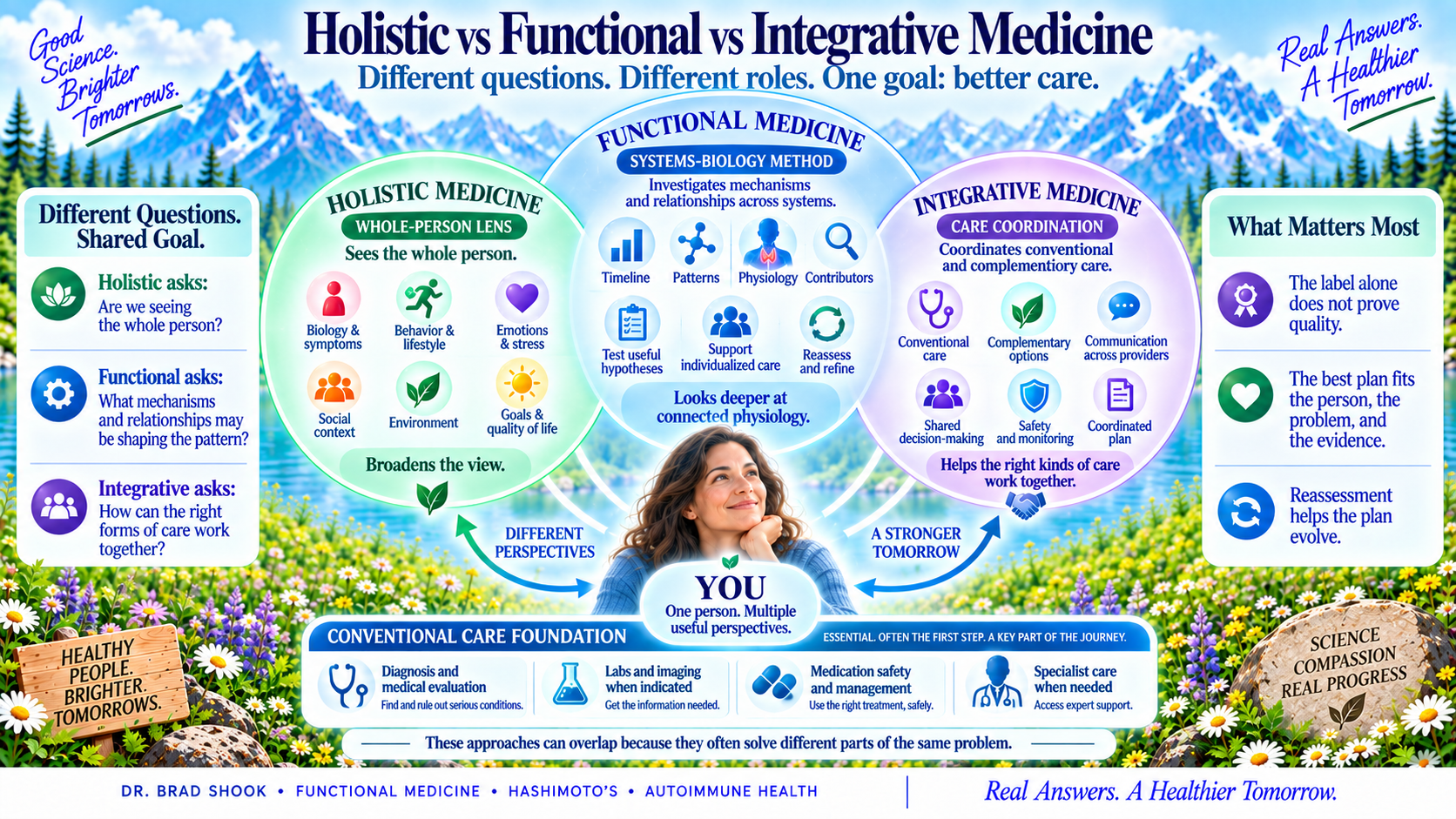
Conventional medicine asks, “What disease or risk needs to be diagnosed, treated, stabilized, or monitored?” Holistic medicine asks, “Are we seeing the whole person?” Functional medicine asks, “What mechanisms and relationships may be producing or maintaining this pattern?” Integrative medicine asks, “How can the right forms of care work together?”
A family physician may provide deeply holistic care without using that label. A functional medicine consultant may work alongside an endocrinologist, primary-care clinician, dietitian, therapist, or physical therapist. An integrative clinic may use both conventional treatment and functional systems thinking. The strongest care is often less about choosing a camp and more about asking the right question at the right time.
Three pillars of systemic healthcare: see the whole person, understand the relationships among systems, and coordinate the forms of care that can move the person forward. That gives us a practical way to understand where holistic, functional, and integrative medicine overlap and where each one brings something different.
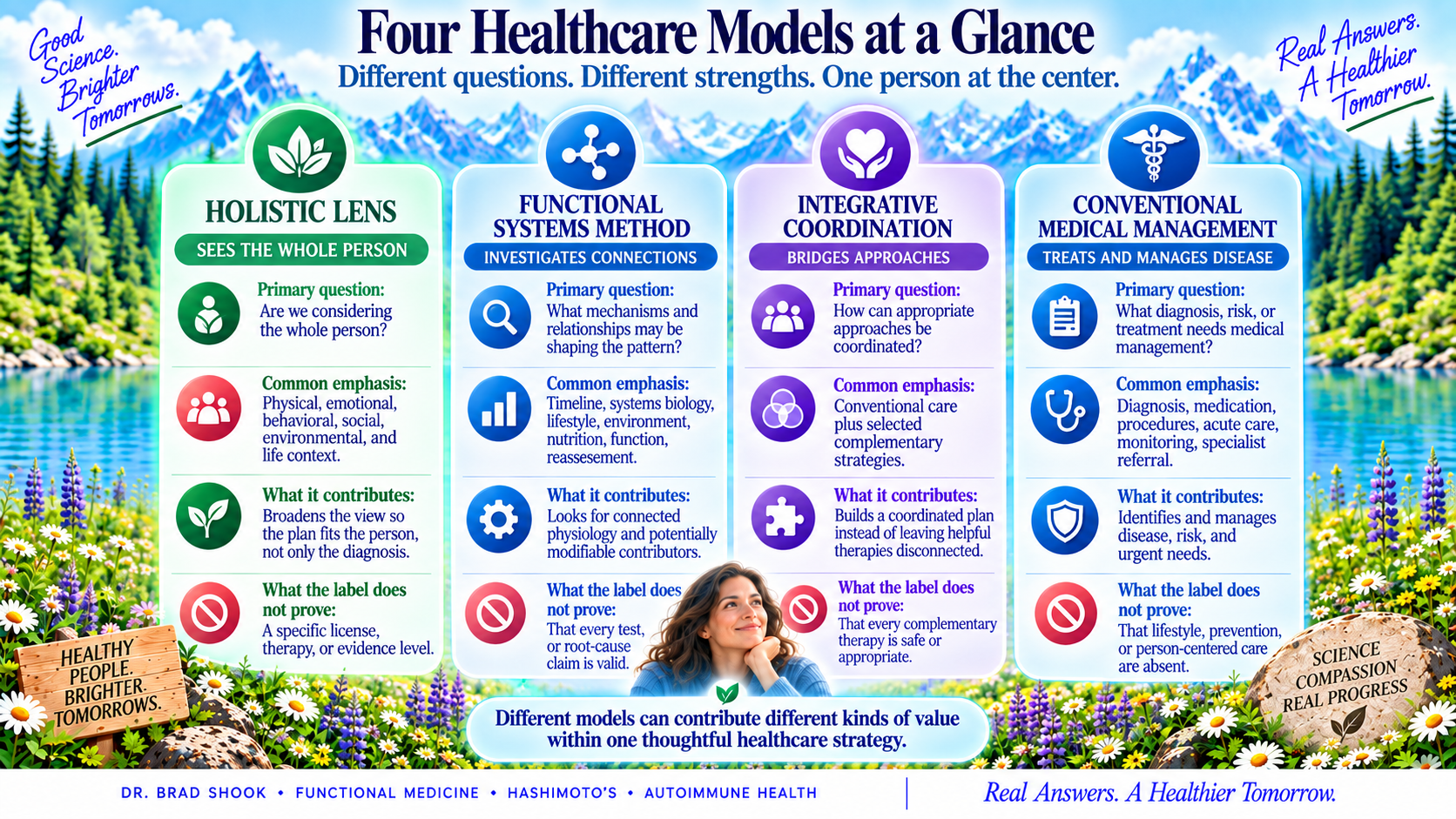
| Approach | Primary question | Common emphasis | What it contributes |
|---|---|---|---|
| Holistic | Are we considering the whole person? | Physical, emotional, behavioral, social, environmental, and sometimes spiritual context. | It broadens the view so the plan fits the person, not only the diagnosis. |
| Functional | What mechanisms and relationships may be shaping the pattern? | Timeline, systems biology, lifestyle, environment, nutrition, function, and reassessment. | It looks for connected physiology and potentially modifiable contributors. |
| Integrative | How can appropriate approaches be coordinated? | Conventional care plus selected complementary strategies, delivered as whole-person care. | It builds a coordinated plan instead of leaving helpful therapies disconnected. |
| Conventional | What diagnosis, risk, or treatment needs medical management? | Diagnosis, medication, procedures, acute care, screening, monitoring, and specialist referral. | It identifies and manages disease, risk, and urgent needs with tremendous reach. |
What Is Holistic Medicine?
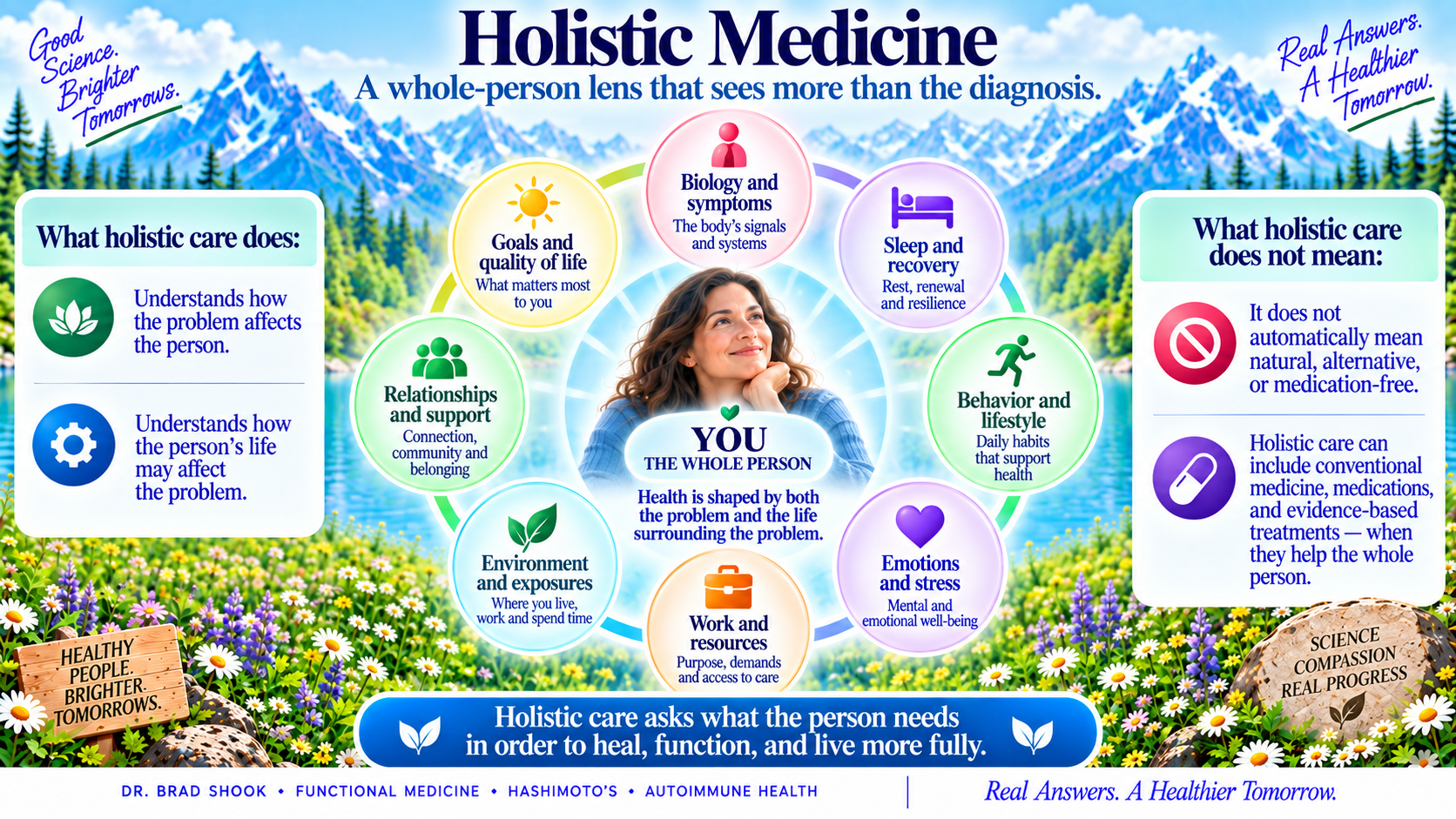
Holistic medicine begins with a simple but important realization: you are more than a diagnosis, a laboratory result, or the body part that hurts. Your health is shaped by biology, but it is also shaped by sleep, nutrition, movement, stress, relationships, work, environment, beliefs, resources, and what you want your life to look like.
A holistic clinician is trying to understand how the health problem is affecting the person and how the person's life may be affecting the health problem. That wider view can make care more personal, more realistic, and easier to carry into daily life.
Holistic does not automatically mean natural, alternative, or medication-free. A careful medication review can be holistic. So can coordinating specialists, addressing depression, improving food access, adapting exercise to a person's capacity, or making sure a plan respects the person's goals. Holistic care is a way of seeing the person before it is a list of therapies.
Biology and symptoms
Diagnoses, medications, function, pain, energy, sleep, nutrition, and the relationships among them.
Life and environment
Work, family, stress, finances, exposures, access to care, culture, and the conditions in which health decisions occur.
Goals and meaning
What the person wants to be able to do, what tradeoffs are acceptable, and how care supports quality of life.
What Is Functional Medicine?
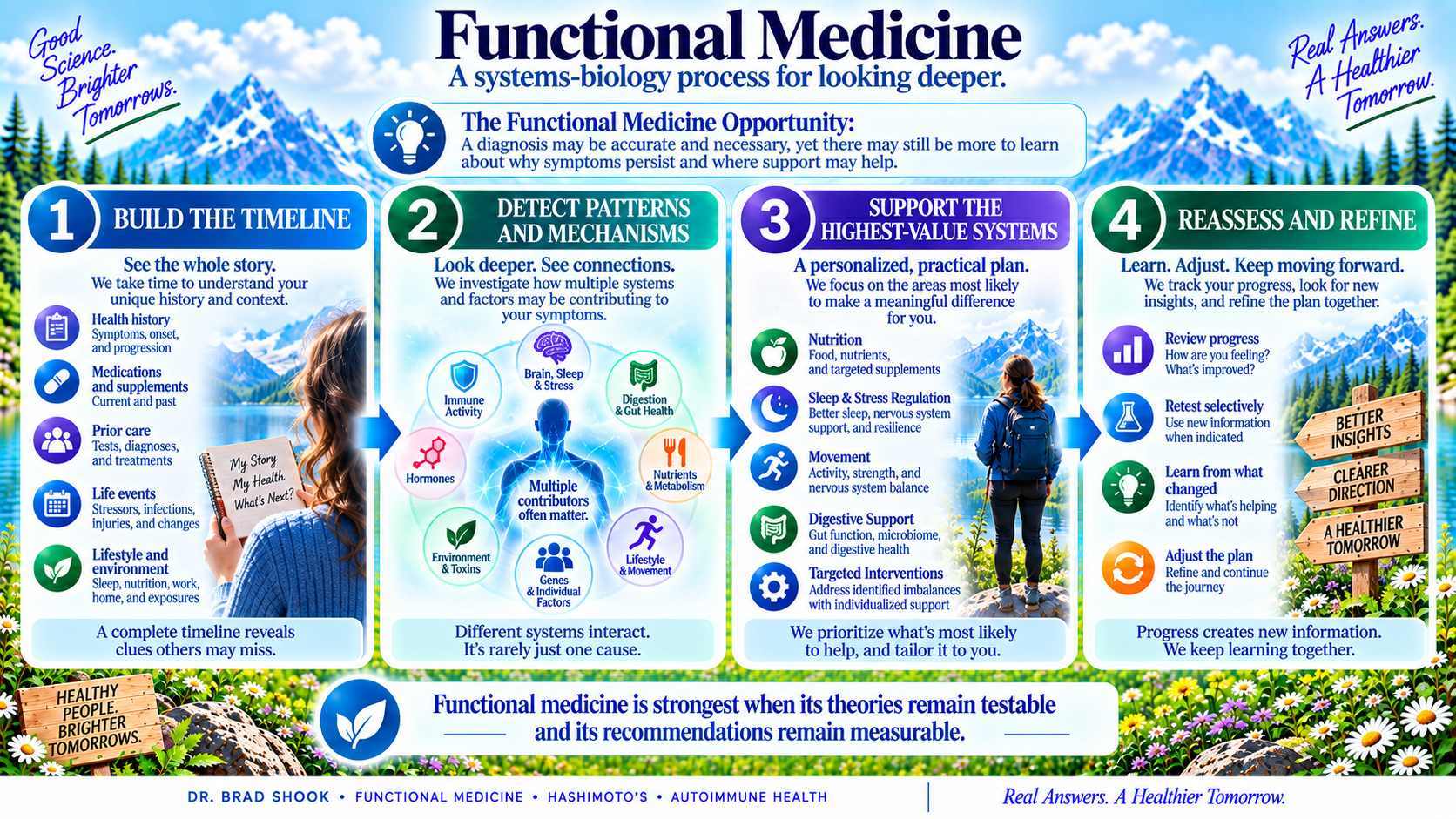
Functional medicine offers a different kind of opportunity. Instead of stopping at the name of the disease, it asks what is happening within the person's physiology and how seemingly separate systems may be influencing one another.
This is where systems biology becomes practical. The immune system communicates with the nervous system. The digestive tract affects nutrient availability and immune signaling. Sleep influences blood sugar, hormones, pain, cognition, and recovery. Stress physiology can change digestion, inflammation, and behavior. Genetics may create susceptibility, while environment, diet, infection history, medications, movement, and life experience can influence how that susceptibility is expressed.
The body does not experience these factors as separate specialties. It experiences them as one connected biological network. Functional medicine tries to become a better student of that network, and in that sense, a better physiologist. The goal is to understand the mechanisms well enough to identify where support may have the greatest value.
For many people, this creates an important shift in thinking. A diagnosis can be accurate and treatment can be necessary, yet there may still be more to learn about why symptoms persist, why resilience has changed, or why the person is not functioning the way they expected. The diagnosis may be the beginning of the investigation rather than the end of the conversation.
The functional medicine opportunity: move from a collection of symptoms and test results to a working model of the person. Established findings, plausible mechanisms, and clinical theories are kept distinct, but they can all help shape better questions. Testing is selected because it may change a decision, support is prioritized, and the response becomes new information.
People often hear the phrase “root cause.” In complex chronic illness, there is rarely one hidden cause waiting to be discovered. More often, there is a web of susceptibility, triggers, mediators, and barriers to recovery. Functional medicine is most useful when it helps identify which parts of that web appear most relevant now and what can be learned by addressing them in a measured way.
What Is Integrative Medicine?
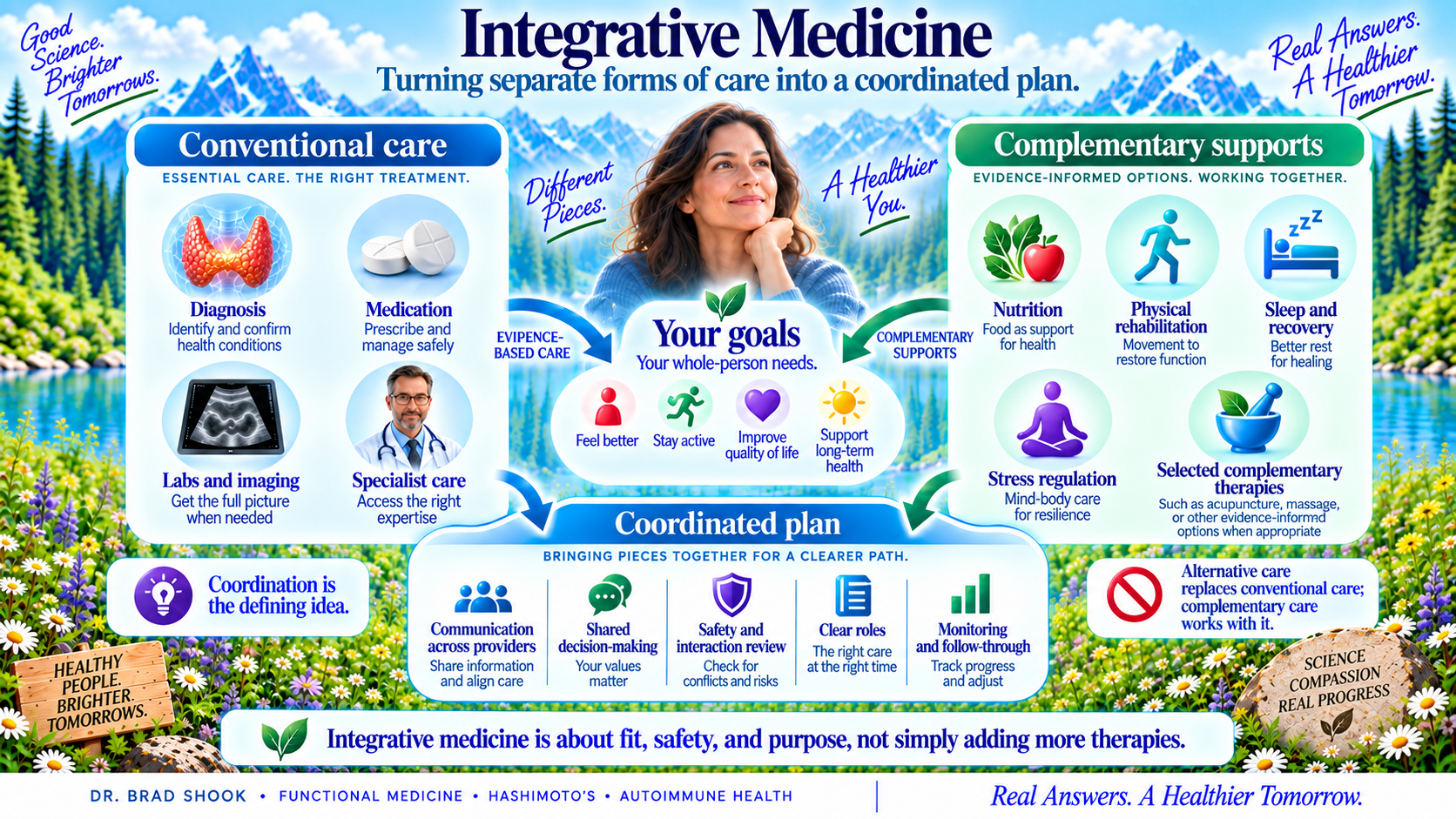
Integrative medicine begins with another useful realization: the person should not have to live in separate healthcare worlds. Medical diagnosis and treatment, nutrition, rehabilitation, behavioral support, stress regulation, movement, acupuncture, and other appropriate strategies may all have value, but they are more useful when they belong to a coordinated plan.
The National Center for Complementary and Integrative Health describes integrative health as bringing conventional and complementary approaches together in a coordinated way to care for the whole person. Coordination is the defining idea. The question is not, “How many therapies can we add?” It is, “Which approaches fit this person, and how can they work together safely and purposefully?”
An integrative plan might therefore include medical diagnosis and medication along with nutrition care, exercise, physical rehabilitation, behavioral therapy, stress-management practices, or acupuncture. The specific combination will vary. What matters is that each part has a reason, the clinicians understand their roles, and the person is not left to assemble a fragmented plan alone.
Complementary
A non-mainstream approach is used together with conventional care. The team coordinates responsibilities and safety.
Alternative
A non-mainstream approach is used instead of conventional care. This can be risky when it delays proven diagnosis or treatment.
Functional vs Integrative vs Holistic Medicine: The Real Differences
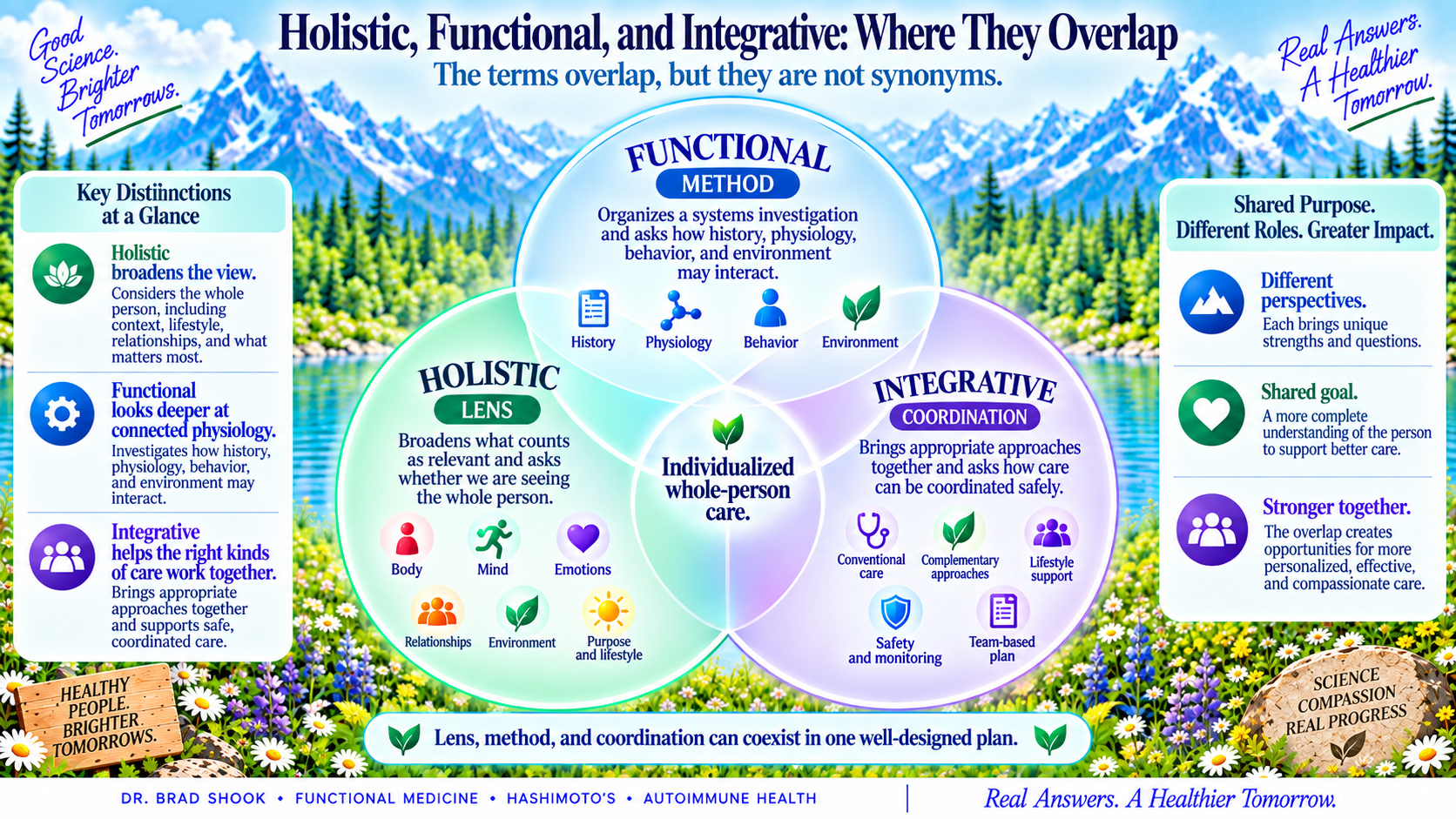
The three approaches overlap because all can support more personal, preventive, and whole-person care. The easiest way to understand the difference is to notice the job each approach performs.
Holistic
Broadens what counts as relevant. It asks whether the plan reflects the whole person rather than a disconnected symptom.
Functional
Organizes a systems investigation. It asks how history, physiology, behavior, and environment may interact.
Integrative
Brings appropriate approaches together. It asks how conventional and complementary options can be coordinated safely.
Functional medicine vs holistic medicine
Holistic care broadens the view. Functional medicine can be holistic because it considers the person's history and context, but it adds a deeper systems-oriented investigation. A practitioner can be holistic without practicing functional medicine, while functional medicine gives the whole-person lens a structured way to explore mechanisms and relationships.
Functional medicine vs integrative medicine
Functional medicine emphasizes investigation and relationships across systems. Integrative medicine emphasizes coordination across types of care. A clinician may practice both by building a systems-based understanding of the case and helping the person coordinate that work with appropriate medical and complementary care.
Integrative medicine vs holistic medicine
Holistic describes the scope of attention. Integrative describes how care is assembled. A thoughtful integrative team uses a holistic lens so that the combination of therapies still reflects the person's biology, goals, resources, and life.
How Are These Approaches Different From Conventional Medicine?
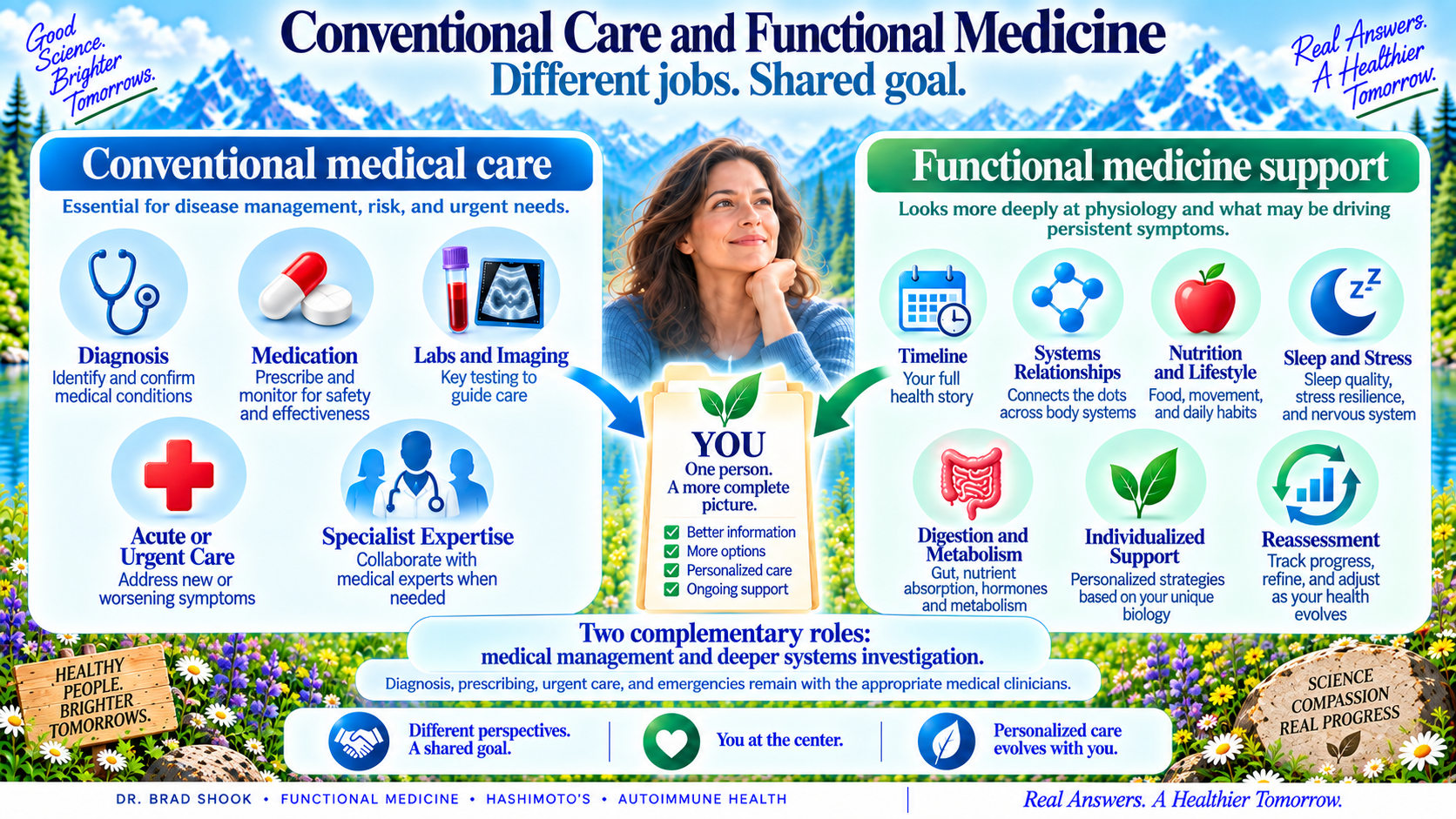
Conventional medicine serves an enormous and indispensable role. It is designed to identify disease, assess risk, stabilize urgent problems, prescribe medication, perform procedures, monitor dangerous conditions, and bring specialist expertise to people who need it. When someone has a heart attack, a serious infection, cancer, a surgical problem, an unstable disease process, or a condition that requires medication, conventional medical care is critical.
It is also a system under tremendous pressure. Clinicians are caring for large numbers of people with increasingly complex illness, often within short visits and highly specialized settings. Much of the system must function as triage, diagnosis, disease management, and sick care because so many patients are already significantly compromised by the time they arrive. That reality is not a criticism of the clinicians. They are doing essential work within the job the system asks them to perform.
Functional medicine is not valuable because conventional medicine is bad. It is valuable because it is designed to spend more time on a different set of questions. Once urgent risks, diagnoses, and necessary treatment are being addressed, there may be an opportunity to look more deeply at the physiology surrounding the problem.
Two different but complementary jobs: one part of the team may need to diagnose, stabilize, prescribe, monitor, or intervene. Another may have the time to build the timeline, study relationships across systems, explore modifiable mechanisms, and help the person make sense of what happens between medical visits. Both roles can matter.
| Conventional care is especially important for... | Whole-person and systems work may add... |
|---|---|
| Acute illness, emergencies, diagnosis, medication, surgery, pregnancy, cancer care, serious infection, and unstable disease. | A fuller timeline, lifestyle and behavioral context, barriers to recovery, nutrition, sleep, stress, environment, and long-term follow-through. |
| Risk stratification, evidence-based treatment, monitoring, imaging, and specialist referral. | Cross-system pattern recognition, patient education, self-management, coordination, and focused experiments that can be reassessed. |
| Protecting against dangerous delay, undertreatment, and missed disease. | Protecting against fragmented care, generic advice, and plans that do not fit the person's life. |
How Functional Medicine Uses Evidence, Physiology, and Clinical Theory
Working at the level of systems biology requires both curiosity and discipline. Some relationships are well established. Others are supported by emerging research, biological plausibility, or repeated clinical observation but are not yet settled. Those categories should not be blurred, but promising ideas do not have to be ignored simply because every detail has not been proven.
A useful clinical theory should lead to a better question. A better question may lead to a more focused test, a more precise intervention, or a carefully monitored change. The person's response then becomes part of the next decision. This is the reason reassessment matters so much in functional medicine.
I use a practical evidence ladder when deciding whether an idea belongs in the plan:
- Is the proposed mechanism biologically plausible?
- Has the finding been measured reliably in this person?
- Does the test predict something clinically meaningful?
- Has the intervention shown benefit for this problem?
- Are the risks, costs, interactions, and alternatives clear?
- How will the plan be reassessed?
This allows us to be open to new information without becoming uncritical. It also keeps the focus where it belongs: not on ordering the largest panel or building the longest supplement list, but on learning what is most likely to help this particular person take the next useful step.
Do not delay urgent or necessary medical care. Complementary and functional strategies should not be used to postpone evaluation of severe, new, rapidly worsening, or unexplained symptoms. Do not stop medication or replace prescribed treatment without the clinician responsible for that care.
A Brief Example: Hashimoto's and Persistent Symptoms
Consider someone with Hashimoto's disease who has received an appropriate diagnosis and takes thyroid medication, yet still struggles with fatigue, brain fog, disrupted sleep, digestive symptoms, or difficulty feeling like themselves. The different healthcare lenses do not have to compete. They can help answer different parts of the person's experience.
Conventional medical role
Confirm hypothyroidism and autoimmune thyroid disease, prescribe and monitor medication, evaluate nodules or pregnancy risk, and investigate other diagnoses.
Holistic lens
Understand how symptoms affect work, relationships, mood, sleep, eating, exercise, confidence, and quality of life.
Functional process
Review the timeline, medication delivery, nutrition, digestive health, sleep, metabolic factors, immune regulation, other autoimmune conditions, and the mechanisms that may be contributing to persistent symptoms.
Integrative coordination
Connect the prescribing clinician with appropriate nutrition, behavioral, rehabilitation, and functional support while keeping roles and safety boundaries clear.
This is where the new opportunity becomes practical. Medical management continues, while the functional process creates room to ask more detailed questions about the person's physiology and build a plan that can be supported, measured, and refined. If Hashimoto's is the reason you are here, continue to Functional Medicine for Hashimoto's for a deeper explanation of that process.
How to Choose a Holistic, Functional, or Integrative Practitioner
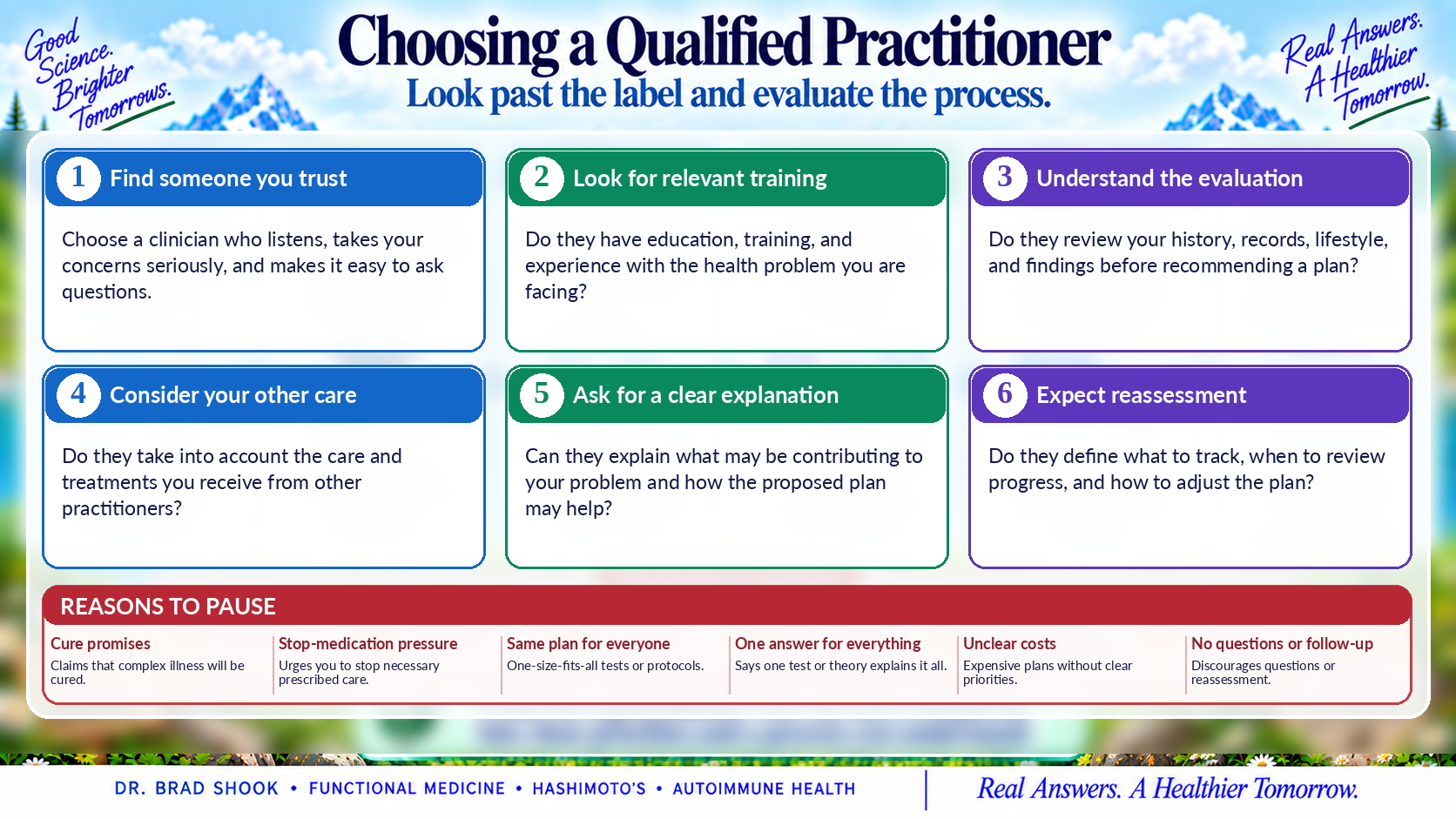
Once you understand the differences, the next question is not simply, “Which label do I want?” A better question is, “Who can help me understand my case, stay within their role, communicate clearly, and move me through a thoughtful process?”
- Verify the underlying license and scope. Know whether the person is a physician, nurse practitioner, chiropractor, dietitian, therapist, health coach, acupuncturist, or another professional, and what that license permits in your location.
- Ask about additional training. A certificate or course may be meaningful education, but it does not expand a professional license or substitute for experience.
- Understand the evaluation process. Look for a careful history, existing-record review, differential thinking, clear priorities, and testing tied to decisions.
- Ask how care is coordinated. The practitioner should respect necessary medical management and be clear about which clinician owns medication, diagnosis, and urgent decisions.
- Expect an understandable explanation. You should know what is established, what is a working theory, why a recommendation was selected, and how it connects to your goals.
- Expect reassessment. A good plan defines what will be measured, when progress will be reviewed, and how new information will be used to refine the next step.
Encouraging signs
- You feel heard and your history is taken seriously.
- Credentials and scope are transparent.
- The practitioner welcomes coordination.
- Recommendations are prioritized and explained.
- Established findings and theories are distinguished.
- Progress is measured and the plan evolves.
Reasons to pause
- Promises to cure complex disease.
- Pressure to stop medication.
- Every patient receives the same panel or protocol.
- One test or theory is said to explain everything.
- The plan is financially overwhelming without clear priorities.
- Questions or collaboration are discouraged.
What Working With Me Looks Like
In my telemedicine consulting work, I help people who are ready to understand their health at a deeper and more connected level. Many already have diagnoses, laboratory results, specialists, and treatment plans. What they often do not have is someone with the time and systems perspective to organize the story, study the relationships, identify the most important unanswered questions, and help them see a path forward.
I am not trying to compete with the person's medical team. My role is to add a functional medicine lens: to review the timeline, look closely at physiology, distinguish established findings from working theories, prioritize what appears most useful, and move through a process of DETECT → SUPPORT → REASSESS.
That process is personal. Two people with the same diagnosis may have very different histories, stressors, metabolic patterns, digestive function, nutritional needs, environmental exposures, immune challenges, and barriers to recovery. The purpose of working one-on-one is not to place everyone into the same protocol. It is to understand the individual well enough to make the next decision more focused and meaningful.
Medical diagnosis, prescribing, urgent care, and emergency care remain with the appropriate clinicians. My consulting work is designed to complement that care and help the client become a more informed, active participant in the process.
Ready to Understand Your Health Differently?
If you feel that the individual pieces of your health story have never been brought together, the next step is to tell me what you are experiencing. I personally review applications to determine whether my one-on-one telemedicine consulting process is a good fit.
Frequently Asked Questions
What is the main difference between holistic, functional, and integrative medicine?
Holistic medicine is a whole-person lens. Functional medicine uses systems biology to explore how history, physiology, lifestyle, and environment may be interacting. Integrative medicine coordinates conventional care with selected complementary approaches. One clinician or care team may use all three perspectives.
Is holistic medicine the same as natural medicine?
No. Holistic care considers the whole person, including physical health, emotions, relationships, environment, goals, and quality of life. It may include natural strategies, medication, rehabilitation, counseling, or other appropriate forms of care.
Is functional medicine evidence based?
Functional medicine can combine established physiology, clinical research, careful history taking, appropriate testing, and measurable lifestyle support. Evidence is considered at the level of each question, test, and intervention, while emerging mechanisms can be explored as testable clinical hypotheses.
Does integrative medicine replace conventional medicine?
No. Integrative medicine is designed to coordinate conventional and complementary approaches. Diagnosis, medication, procedures, and specialist care can remain in place while nutrition, movement, stress regulation, rehabilitation, and other appropriate strategies are added.
Can a conventional doctor also practice holistic or integrative care?
Yes. These terms describe ways of thinking and organizing care, not mutually exclusive professions. A conventional clinician may provide deeply holistic care or work within an integrative team.
What does root cause mean in functional medicine?
In complex chronic illness, root cause usually refers to a network of contributors rather than one hidden problem. Functional medicine investigates mechanisms, triggers, barriers to recovery, and relationships among systems, then tests the most useful ideas through targeted support and reassessment.
Do holistic or functional practitioners need a medical license?
Holistic and functional describe approaches, not licenses. A practitioner should clearly explain their underlying professional license, advanced training, scope of practice, and how they coordinate with the clinicians responsible for diagnosis, medication, and urgent medical needs.
How do I choose between holistic, functional, and integrative care?
Begin with the kind of help you need. Holistic care can broaden the view of your life and goals, functional medicine can investigate patterns and mechanisms in greater depth, and integrative medicine can help coordinate conventional and complementary options. Many people benefit from a thoughtful combination.
Can functional medicine be used with thyroid medication?
Yes. Medication management remains with the prescribing clinician, while functional medicine may explore medication delivery, nutrition, digestion, sleep, metabolic health, immune regulation, stress physiology, and other factors that may influence how a person feels and functions.
What should I expect from a functional medicine consultation?
Expect a detailed history and timeline, review of prior records and patterns, clear priorities, selective testing when it can answer a useful question, a focused support plan, and scheduled reassessment. The goal is to understand your physiology well enough to make the next decision more personal and precise.
Sources and Evidence Notes
- National Center for Complementary and Integrative Health. Complementary, Alternative, or Integrative Health: What's In a Name? Definitions of complementary, alternative, integrative, and whole-person health.
- NCCIH. Whole Person Health: What It Is and Why It's Important. Biological, behavioral, social, and environmental dimensions of health.
- NCCIH. Are You Considering a Complementary Health Approach? Evidence, safety, coordination, and avoiding replacement of proven care.
- Institute for Functional Medicine. Functional medicine model, systems orientation, patient context, and professional education framework.
- National Academies of Sciences, Engineering, and Medicine. Achieving Whole Health. Whole health definitions and person-centered system design.
- Kharrazian Institute. AFMC and Hashimoto's coursework. Professional framework used for systems thinking, hypothesis testing, case prioritization, and reassessment.