
What Is Seborrheic Dermatitis?
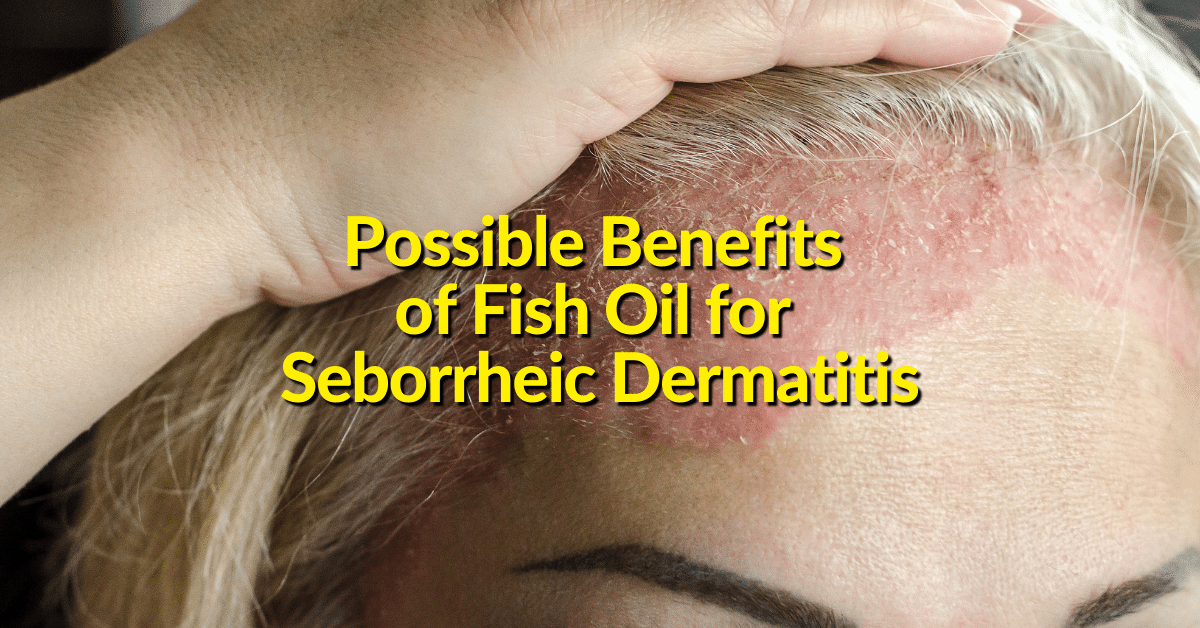
Seborrheic dermatitis is a common, recurring inflammatory skin condition that usually affects oil-rich areas such as the scalp, eyebrows, sides of the nose, ears, beard area, chest, and skin folds.
It can cause dandruff-like flaking, greasy or dry scale, itching, and inflamed skin. Redness may be less obvious on darker skin, where affected areas can look darker, lighter, gray, or violet. Symptoms commonly cycle through better and worse periods.
The condition is not explained by one cause. The current model includes interactions among Malassezia yeast that normally live on the skin, sebum and its breakdown products, the skin barrier, and the person's inflammatory response. This is different from saying that someone has a systemic Candida infection or that yeast must be eliminated from the body.
What Does the Evidence Actually Show?
There is a good scientific basis for studying omega-3 fatty acids in inflammatory conditions. There is also broader dermatology research involving psoriasis, atopic dermatitis, acne, ultraviolet exposure, and other skin questions. That research cannot automatically be transferred to seborrheic dermatitis because these conditions have different mechanisms and treatments.
A 2024 systematic review of nutrition, obesity, and seborrheic dermatitis found interesting associations involving diet and nutrient patterns, but it also emphasized the need for stronger studies. An older observational study found differences in blood fatty acids and antioxidant measures in adults with seborrheic dermatitis, but an association does not tell us whether taking fish oil will change the condition.
The clearest conclusion: Fish oil may be reasonable to consider when a person's overall diet, cardiovascular needs, or measured fatty-acid status supports its use. It should not be sold as a proven seborrheic dermatitis therapy.
Omega-3 Fatty Acids, Resolvins, and Inflammation Resolution
Inflammation does not simply switch off. The body uses an active resolution process to help contain the response, clear inflammatory debris, and return tissue toward normal function.
EPA and DHA can be converted into signaling compounds called specialized pro-resolving mediators. These include E-series and D-series resolvins, protectins, and maresins. Resolvins do not merely suppress every part of immunity. They participate in the coordinated process that helps inflammation resolve.
This is one reason omega-3 fatty acids receive so much attention. Increasing EPA and DHA intake can change fatty-acid composition in cell membranes and the pool of materials available for lipid-mediator production. However, people differ in absorption, metabolism, enzyme activity, health status, medication use, and tissue response. Taking a fish-oil capsule does not guarantee that a specific amount of resolvins will be produced in the skin.

The unresolved clinical question is whether these biological effects produce a meaningful, repeatable improvement in seborrheic dermatitis. At present, the answer is unknown.
Proven Care Still Targets the Skin and Scalp
Seborrheic dermatitis treatment usually starts by controlling yeast on the skin, loosening scale, calming inflammation, and choosing a product that is appropriate for the location. The scalp, face, eyelids, ears, chest, and skin folds do not all tolerate the same products.
Antifungal treatment
Ketoconazole, ciclopirox, selenium sulfide, and other antifungal ingredients may be used in shampoos or topical products, depending on the site and severity.
Scale control
Medicated shampoos and ingredients such as salicylic acid, coal tar, or zinc-based products can help some scalp patterns, although irritation and hair characteristics matter.
Inflammation control
Short courses of appropriately selected topical corticosteroids or nonsteroidal prescription options may be used when inflammation is significant.
Maintenance
Because recurrence is common, a maintenance schedule may work better than waiting for every flare to become severe.
Location matters: A product intended for the scalp may be too irritating for the face or eyelids. Repeated facial steroid use can also cause problems. Follow product directions and seek dermatologic guidance when symptoms are persistent, severe, or near the eyes.
Oral treatment is not routine first-line care. Antibiotics do not treat the usual yeast-related mechanism, and terbinafine is an antifungal rather than an antibiotic. A dermatologist may consider prescription oral therapy in selected difficult cases.
Seborrheic Dermatitis Is Not the Same as Psoriasis
Scalp psoriasis and seborrheic dermatitis can both cause scale and itching, but they are not interchangeable. Psoriasis is an immune-mediated disease that often produces more clearly defined plaques and can extend beyond the hairline. Seborrheic dermatitis commonly produces finer or greasier scale in sebum-rich areas. Some people have overlapping features called sebopsoriasis.
| Feature | Seborrheic dermatitis | Scalp psoriasis |
|---|---|---|
| Typical scale | Often fine, flaky, yellowish, or greasy | Often thicker, drier, and more sharply defined |
| Common locations | Scalp, eyebrows, nose folds, ears, beard, and chest | Scalp and hairline, often with plaques elsewhere or nail changes |
| Antifungal response | Often useful because Malassezia is part of the disease model | Not a primary psoriasis treatment, although it may help overlapping seborrheic features |
If you are unsure which pattern you have, see the scalp psoriasis guide and arrange an examination. Diagnosis matters more than choosing a supplement based on flaking alone.
Omega-3 Foods, Fish Oil, and Vegetarian Options
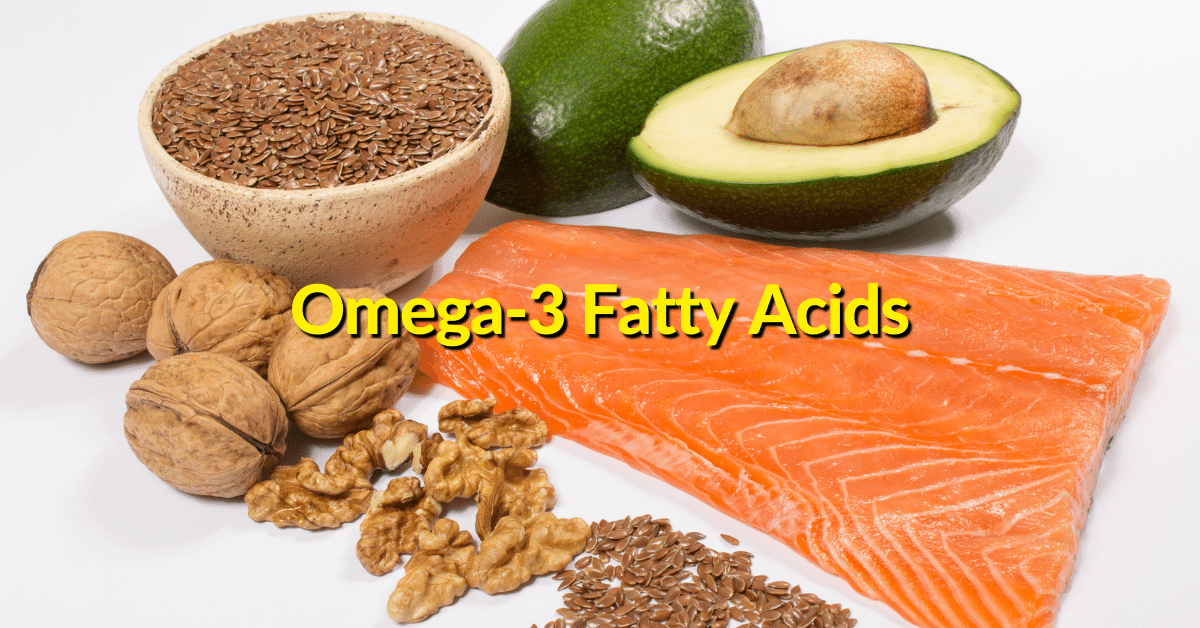
Omega-3 is a family of fats, not a single ingredient. Fatty fish such as salmon, sardines, herring, anchovies, trout, and mackerel provide EPA and DHA directly. Algal oil can provide DHA and, in some products, EPA without using fish.
Flax, chia, walnuts, hemp seeds, and some plant oils provide alpha-linolenic acid, or ALA. ALA is valuable, but conversion into EPA and especially DHA is limited and varies among individuals. A tablespoon of flax oil and a serving of fish oil therefore should not be treated as biologically identical.
Ordinary fish oil is also different from cod liver oil. Cod liver oil can contain vitamins A and D, sometimes in substantial amounts. It should not be chosen simply because the word “vitamin” sounds beneficial. The vitamin content and the person's total intake need to be considered.
Does the Form of Fish Oil Matter?
Fish-oil labels may identify omega-3s as natural triglycerides, re-esterified triglycerides, ethyl esters, free fatty acids, or phospholipids. These terms describe how EPA and DHA are carried chemically. They do not tell you whether the supplement will improve seborrheic dermatitis.
| Form | What it means | Practical interpretation |
|---|---|---|
| Triglyceride | EPA and DHA are attached to a glycerol backbone, similar to the form found in fish. | Generally well absorbed, especially with food. |
| Re-esterified triglyceride | Concentrated omega-3s are converted back onto a glycerol backbone after processing. | Some studies show higher absorption than ethyl esters, but that does not prove better skin outcomes. |
| Ethyl ester | EPA and DHA are attached to ethanol and can be concentrated efficiently. | Absorption is more dependent on digestion and may improve when taken with a fat-containing meal. |
| Phospholipid | Some or all omega-3s are attached to phospholipids, as in krill oil. | Marketing claims often exceed comparative clinical evidence. EPA and DHA amounts still matter. |
Controlled absorption studies have sometimes favored triglyceride or re-esterified triglyceride products over ethyl esters. Meal composition, dose, formulation, digestive function, and the outcome being measured can change the comparison. An absorption advantage is not the same as evidence that one form treats seborrheic dermatitis.
What I would compare first: the actual EPA plus DHA per serving, independent quality testing, oxidation and freshness controls, allergen information, tolerability, and whether the product is being used for a clearly defined reason.
Terms such as “pharmaceutical grade,” “molecularly distilled,” “wild,” or “organic” do not by themselves prove potency, freshness, purity, or clinical effectiveness.
Diet, Nutrients, and the Yeast Question
The yeast associated with seborrheic dermatitis is primarily Malassezia living on the skin. That is not the same as intestinal Candida, and there is not good evidence that a generalized “yeast elimination diet” eradicates seborrheic dermatitis.
Diet can still matter to the person. A low-quality diet, alcohol pattern, inadequate protein, essential-fatty-acid deficiency, or another nutrient problem can affect skin health and inflammatory capacity. True essential-fatty-acid deficiency can cause scaly dermatitis, but it is uncommon in otherwise healthy adults eating a varied diet.
The practical goal is to understand the entire dietary pattern, not to assume that every flare represents one food or one missing supplement. When nutrition is being investigated, food intake, digestive symptoms, absorption problems, medications, laboratory findings when appropriate, and response to a structured change can be considered together.
Self-Care Measures That Support the Treatment Plan
- Use medicated shampoo for the instructed contact time rather than rinsing it off immediately.
- Massage with fingertips instead of scratching with nails or forcefully lifting scale.
- Use fragrance-free, non-irritating skin and hair products when sensitivity is part of the pattern.
- Notice whether cold weather, stress, sweating, hats, hair products, infrequent washing, or medication changes affect flares.
- Track the affected areas, itching, scale, sleep disruption, and the frequency of rescue treatment.
- Have persistent hair loss, thick plaques, pain, drainage, or eye-area symptoms evaluated rather than assuming they are ordinary dandruff.

Fish-Oil Side Effects and Safety
Common fish-oil side effects include an unpleasant taste, fishy burps, reflux, nausea, loose stools, and other gastrointestinal discomfort. Taking a product with food may improve tolerance, but follow the product directions.
Extra care is appropriate with a fish or shellfish allergy, a bleeding disorder, anticoagulant or antiplatelet medication, planned surgery, pregnancy, or a history of atrial fibrillation. High-dose prescription omega-3 therapy is a different decision from taking an ordinary dietary supplement and should be managed with the prescribing clinician.
There is no established fish-oil dose for seborrheic dermatitis. It would be misleading to borrow a dose from cardiovascular or psoriasis research and present it as a seborrheic dermatitis protocol.
Do not apply an oral fish-oil capsule directly to inflamed skin. An unformulated oil may be irritating, occlusive, odorous, oxidized, or allergenic. Topical products should be designed and tested for the skin or scalp location where they are used.
A More Individualized Way to Evaluate the Problem
A supplement question is most useful when it is connected to the complete case. Functional medicine can add another level of investigation without replacing dermatologic diagnosis or effective skin-directed treatment.
DETECT
Confirm what the skin pattern is. Review its location, timing, product exposures, current treatment, diet, digestive symptoms, medication and supplement use, stress, sleep, and any signs that suggest psoriasis, allergy, infection, or another diagnosis.
SUPPORT
Use the most appropriate scalp or skin care, improve the overall dietary pattern, correct an identified deficiency, and consider EPA and DHA only when there is a clear nutritional or health reason.
REASSESS
Track itch, scale, affected areas, flare frequency, sleep, treatment use, tolerance, and any side effects. Continue what is helping, adjust what is not, and avoid adding several new products at once.
Keep the goal clear
The goal is not to build the largest supplement list. It is to understand the pattern, control the skin condition, and identify which changes make a meaningful difference for you.
If you want to see how Dr. Shook organizes history, testing, support, and reassessment across a complex case, read The Hashimoto's Doctor Method. The same decision-making discipline can be useful even though seborrheic dermatitis is not being labeled as Hashimoto's disease or an autoimmune condition.
Frequently Asked Questions About Fish Oil and Seborrheic Dermatitis
Can fish oil treat or cure seborrheic dermatitis?
Fish oil has not been established as a treatment or cure for adult seborrheic dermatitis. EPA and DHA have biologically plausible anti-inflammatory and inflammation-resolving actions, but clinical trials have not shown that fish oil reliably clears seborrheic dermatitis.
How might omega-3 fatty acids influence skin inflammation?
EPA and DHA can change cell-membrane fatty-acid composition and serve as precursors for signaling molecules, including specialized pro-resolving mediators. These mechanisms help explain scientific interest in omega-3s, but they do not prove a clinical benefit for seborrheic dermatitis.
What are resolvins?
Resolvins are specialized pro-resolving mediators produced from EPA and DHA. They participate in the organized resolution of inflammation. The body's ability to produce and respond to these mediators varies, and resolvin biology has not established fish oil as a seborrheic dermatitis treatment.
Is triglyceride-form fish oil better than ethyl-ester fish oil?
Some absorption studies favor triglyceride or re-esterified triglyceride forms over ethyl esters, particularly under certain meal conditions. Other formulation and meal factors also matter. Better absorption does not mean a product is proven to improve seborrheic dermatitis.
How much fish oil should I take for seborrheic dermatitis?
There is no evidence-based fish-oil dose for seborrheic dermatitis. A dose should not be invented from studies of unrelated conditions. Review dietary intake, EPA and DHA amounts, medications, health history, and safety with a qualified clinician.
Can fish oil be applied directly to seborrheic dermatitis?
Topical fish oil is not an established seborrheic dermatitis treatment. Applying an unformulated supplement to inflamed skin may be irritating, occlusive, odorous, or allergenic. Use skin and scalp products designed for the affected area.
Are cod liver oil and fermented fish oil better choices?
Not necessarily. Cod liver oil may contain vitamins A and D and is not interchangeable with ordinary fish oil. Fermentation does not prove superior absorption, purity, or clinical effectiveness. Compare the actual EPA and DHA amounts, independent testing, freshness, contaminants, and vitamin content.
What vegetarian omega-3 options are available?
Flax, chia, walnuts, and some other plant foods provide ALA, which the body converts to EPA and DHA inefficiently and variably. Algal oil can provide DHA and sometimes EPA directly without fish.
Is vitamin D connected to seborrheic dermatitis?
Some observational studies report associations between vitamin D status and seborrheic dermatitis, but association does not prove that low vitamin D caused the condition or that supplementation will treat it. Test and supplement for an appropriate clinical reason.
When should seborrheic dermatitis be evaluated by a dermatologist?
Seek evaluation when the diagnosis is uncertain, symptoms are severe or widespread, the skin is painful or draining, hair loss is significant, the eyes are involved, or appropriate over-the-counter care has not controlled the problem.
Looking for a More Complete Starting Point?
If a recurring skin problem is part of a larger pattern involving thyroid health, autoimmunity, digestive symptoms, fatigue, metabolic health, diet, nutrient status, stress, sleep, medications, or environmental exposures, the Application for Care is the next step. Dr. Shook reviews the complete case to determine whether his functional medicine consulting process appears to be an appropriate fit.
References and Clinical Resources
- American Academy of Dermatology. Seborrheic Dermatitis: Diagnosis and Treatment.
- DermNet. Seborrheic Dermatitis and Sebopsoriasis.
- National Institutes of Health, Office of Dietary Supplements. Omega-3 Fatty Acids: Health Professional Fact Sheet.
- Calder PC. Mechanisms of Action of Omega-3 Fatty Acids. Journal of Nutrition. 2012.
- Dyerberg J, et al. Bioavailability of Marine Omega-3 Fatty Acid Formulations. Prostaglandins, Leukotrienes and Essential Fatty Acids. 2010.
- Thomsen BJ, et al. The Potential Uses of Omega-3 Fatty Acids in Dermatology: A Review. Journal of Cutaneous Medicine and Surgery. 2020.
- Nutrition, Obesity, and Seborrheic Dermatitis investigators. Nutrition, Obesity, and Seborrheic Dermatitis: Systematic Review. 2024.
- Ro BI, Dawson TL. The Role of Sebaceous Gland Activity and Scalp Microfloral Metabolism in the Etiology of Seborrheic Dermatitis and Dandruff. Journal of Investigative Dermatology Symposium Proceedings. 2005.