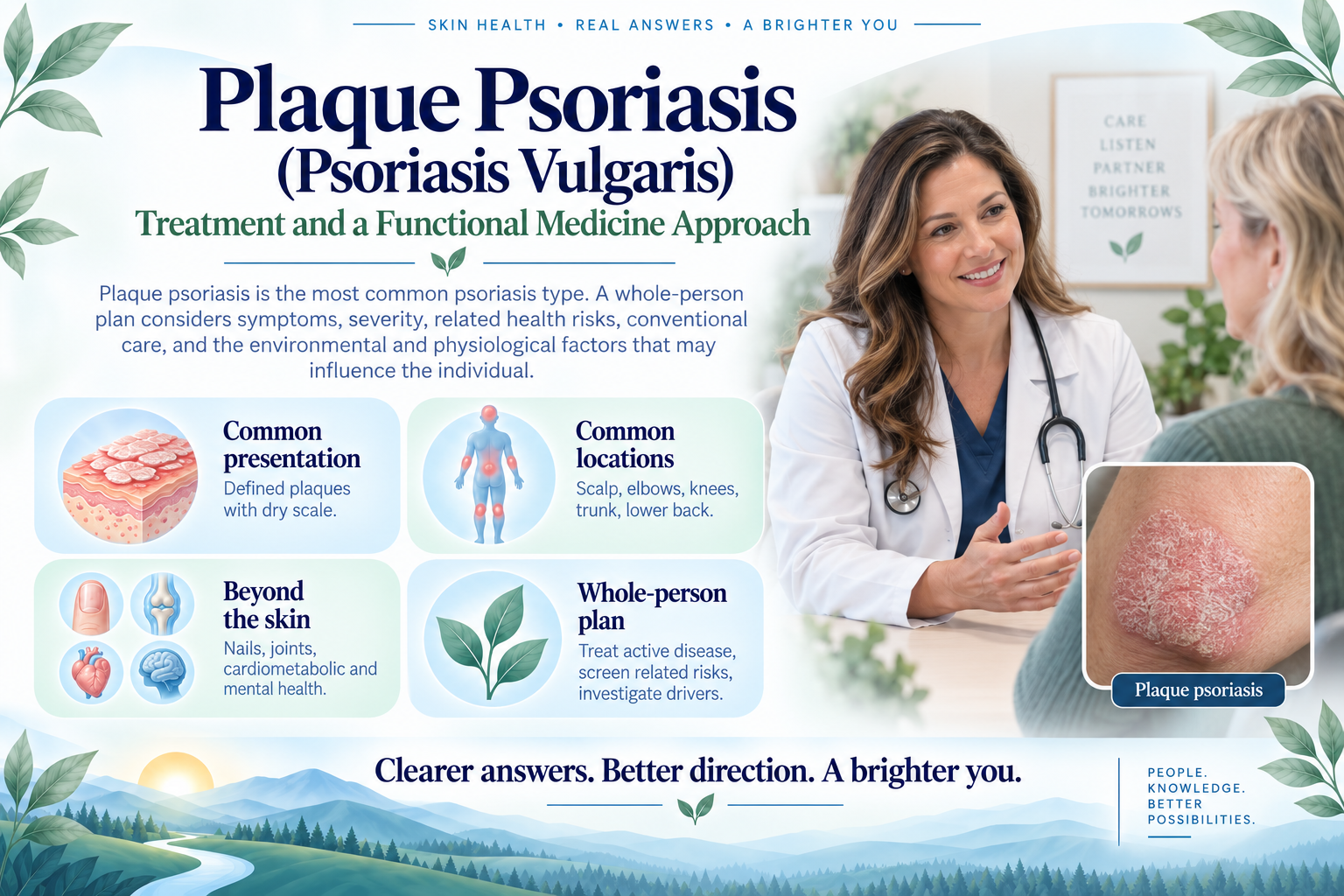
Understanding Plaque Psoriasis and Psoriasis Vulgaris
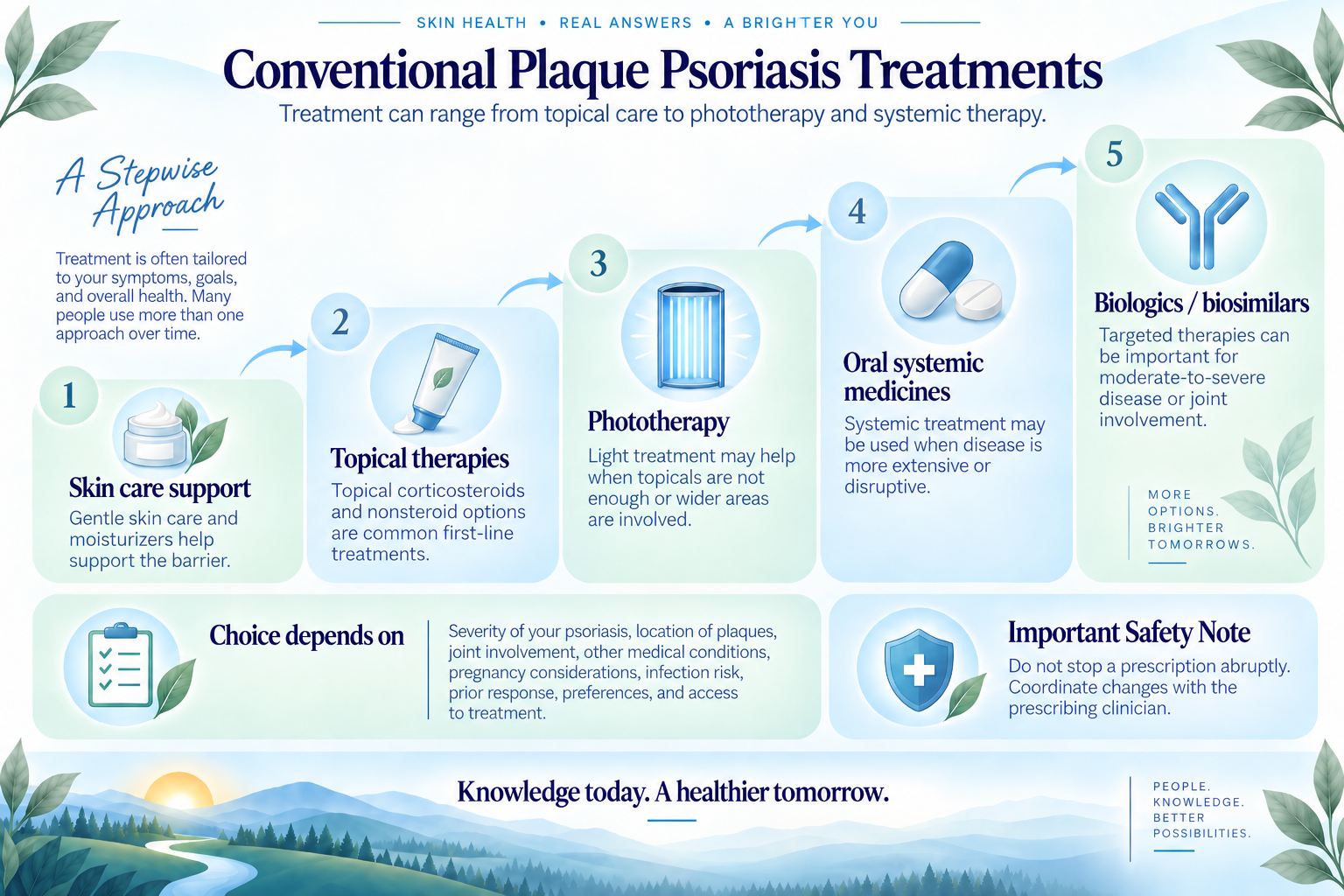
The two names describe the same major psoriasis type. Plaques are raised, inflamed areas with scale. They often appear symmetrically on the scalp, elbows, knees, trunk, or lower back, but any site can be involved.
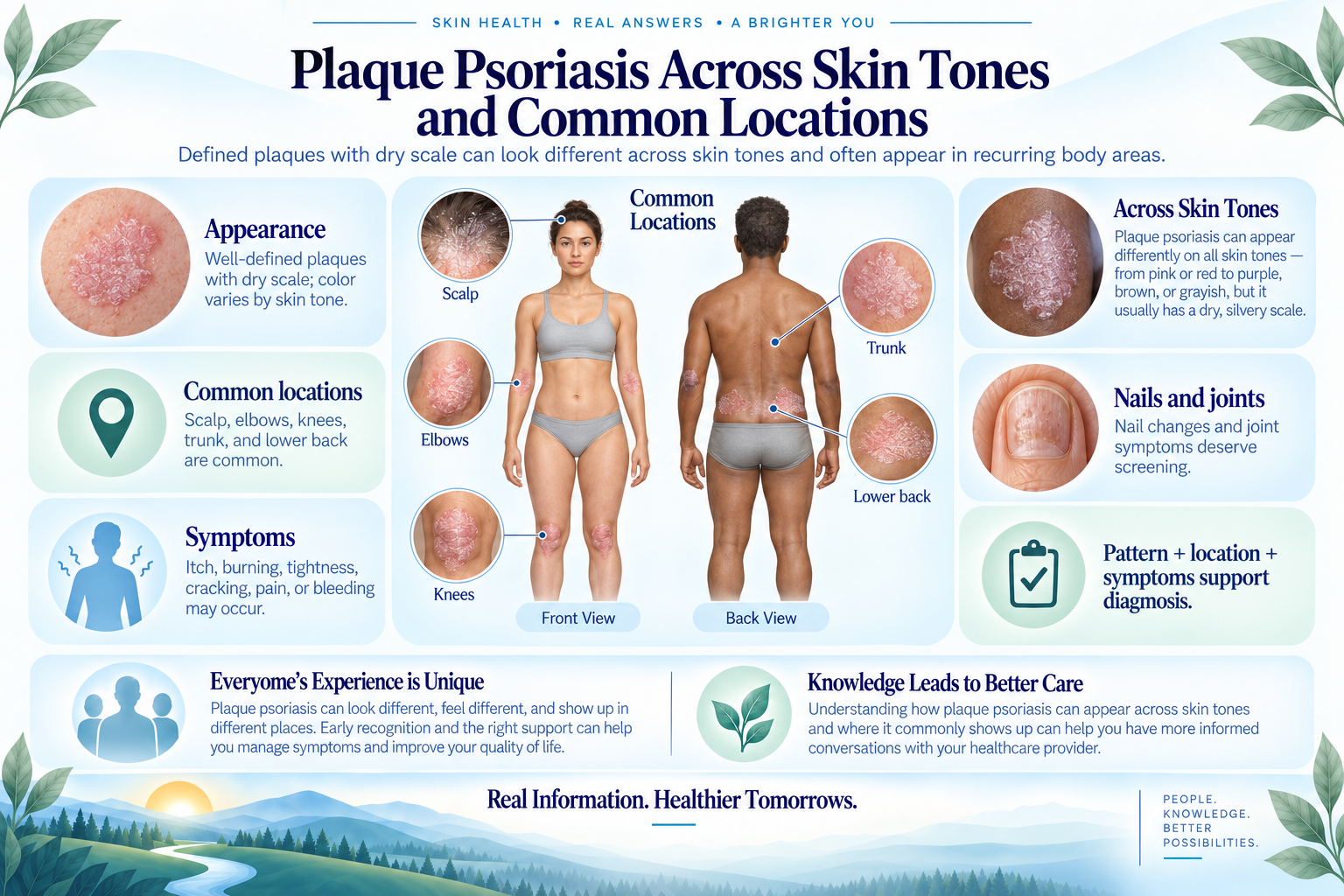
Severity Is More Than Body Surface Area
A small plaque on a palm, sole, face, scalp, or genital area may disrupt life more than a larger hidden patch. Severity decisions should consider body surface area, location, itch or pain, sleep, work, relationships, treatment burden, mental health, and joint disease.
Think beyond skin. Psoriasis is associated with psoriatic arthritis and cardiometabolic, inflammatory bowel, and mental health conditions. Appropriate screening and primary or specialty care are part of responsible psoriasis management.
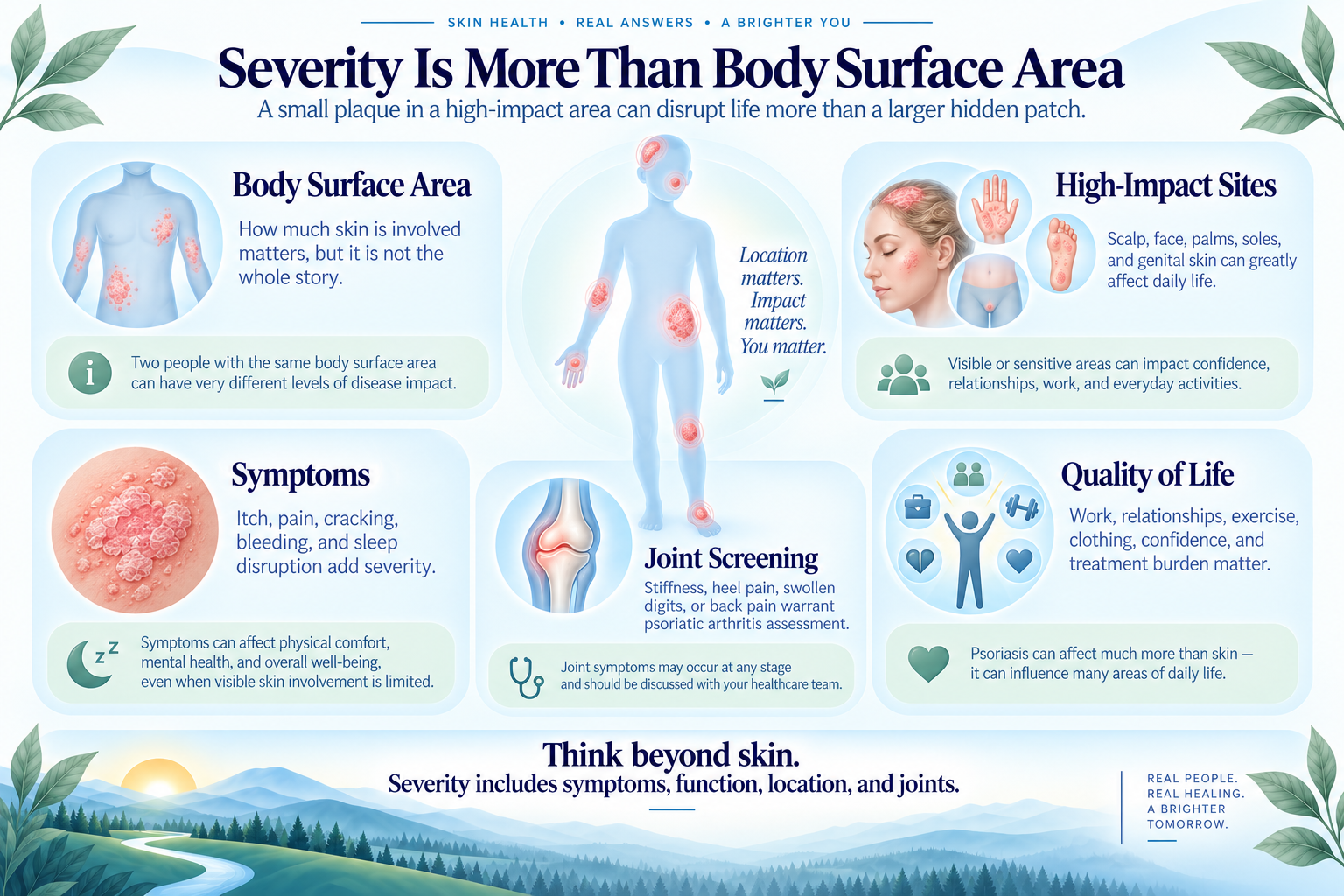
Conventional Plaque Psoriasis Treatments
Medical treatment can be essential for controlling inflammation and protecting quality of life. Options include topical corticosteroids and nonsteroid therapies, phototherapy, oral systemic medications, biologics, and biosimilars. The choice depends on severity, location, joint involvement, pregnancy considerations, other conditions, infection risk, previous response, preferences, and access.
See the full psoriasis treatment options guide for a category-by-category comparison.
Do not stop a prescription abruptly. Treatment changes should be coordinated with the prescribing clinician. Rapid withdrawal of some treatments can destabilize disease.
The Functional Medicine Approach to Plaque Psoriasis
Functional medicine is a foundational opportunity to understand why this autoimmune pattern may be active in this person at this time. My model, Environmentally Induced Autoimmunity, does not claim that every case has one hidden cause. It examines the interaction among susceptibility, environment, and physiology.
Environment
Smoking, alcohol, skin injury, work exposures, seasonal changes, infections, and relevant medication history.
Metabolism
Weight trajectory, insulin resistance, blood pressure, lipids, movement, and cardiometabolic risk.
Diet, gut, and nutrients
Dietary pattern, digestive symptoms, celiac or inflammatory bowel clues when indicated, and documented deficiencies.
Stress, sleep, and recovery
Flare timelines, itch-sleep feedback, psychological load, and sustainable recovery practices.
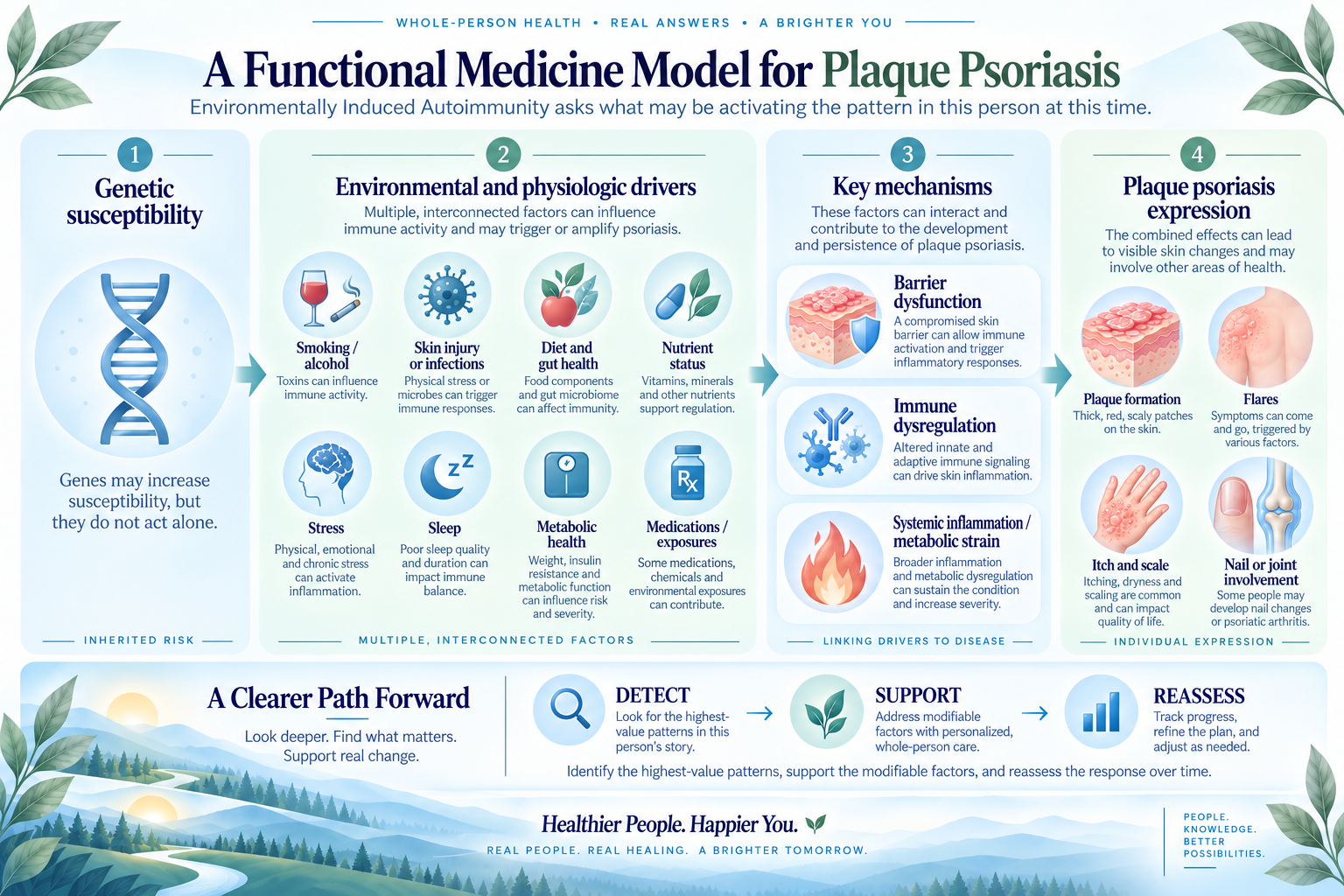
A Personalized Plan: DETECT → SUPPORT → REASSESS
DETECT
Establish the baseline and identify the highest-value patterns. Review history, timeline, environment, diet, gut health, metabolism, nutrient status, stress, sleep, infections, exposures, medications, and current care.
SUPPORT
Support the most relevant modifiable factors without disrupting needed care. Keep the plan specific, safe, and realistic.
REASSESS
Change a manageable number of variables and document the response. Reassess symptoms, function, labs when relevant, and the next safest step.
Triggers Are Clues, Not Proof of a Root Cause
Recognized aggravators include skin injury, infections, smoking, heavy alcohol use, cold or dry weather, stress for some people, and certain medications. A temporal relationship can be useful, but correlation is not proof. The safest process is to document timing, discuss medication concerns with the prescriber, and test changes one at a time where possible.
Frequently Asked Questions
Is psoriasis vulgaris the same as plaque psoriasis?
Yes. Psoriasis vulgaris is another name for plaque psoriasis, the most common psoriasis type. A separate page for each name would duplicate the same search intent.
What does plaque psoriasis look like?
It usually causes well-defined, raised, inflamed plaques with dry scale. Color varies by skin tone and may appear red, pink, violet, gray, brown, or darker than surrounding skin.
Is plaque psoriasis contagious?
No. Psoriasis is an immune-mediated disease and cannot be spread by touching skin, sharing items, or close contact.
How is plaque psoriasis severity measured?
Clinicians may consider body surface area, plaque features, symptoms, high-impact locations, quality-of-life burden, treatment history, and whether psoriatic arthritis is present.
What treatments are used for plaque psoriasis?
Options include topical medicines, phototherapy, oral systemic medicines, biologics, and biosimilars. The right plan depends on the person, the disease, related conditions, risks, preferences, and response.
Can diet cure plaque psoriasis?
No specific diet has been shown to cure psoriasis. A balanced dietary pattern and appropriate weight management can support overall and metabolic health, and selected people may see symptom improvement.
What factors does functional medicine investigate?
The review includes environment, infections, medications, diet, gut health, metabolism, nutrient status, stress, sleep, movement, and individualized response, organized through DETECT → SUPPORT → REASSESS.
When should someone with plaque psoriasis ask about psoriatic arthritis?
New joint swelling, prolonged morning stiffness, heel pain, a swollen finger or toe, or persistent inflammatory back pain should be discussed promptly because early treatment can help protect joints.
Ready for a More Individualized Psoriasis Evaluation?
My process looks beyond the visible skin while respecting the role of appropriate dermatology and rheumatology care. We DETECT the most relevant patterns, SUPPORT the highest-priority needs, and REASSESS what changes.
References and Clinical Resources
- National Psoriasis Foundation. Types of psoriasis.
- National Psoriasis Foundation. Primary care and psoriatic disease.
- American Academy of Dermatology. Psoriasis clinical guideline.
- NIAMS. Psoriasis overview.