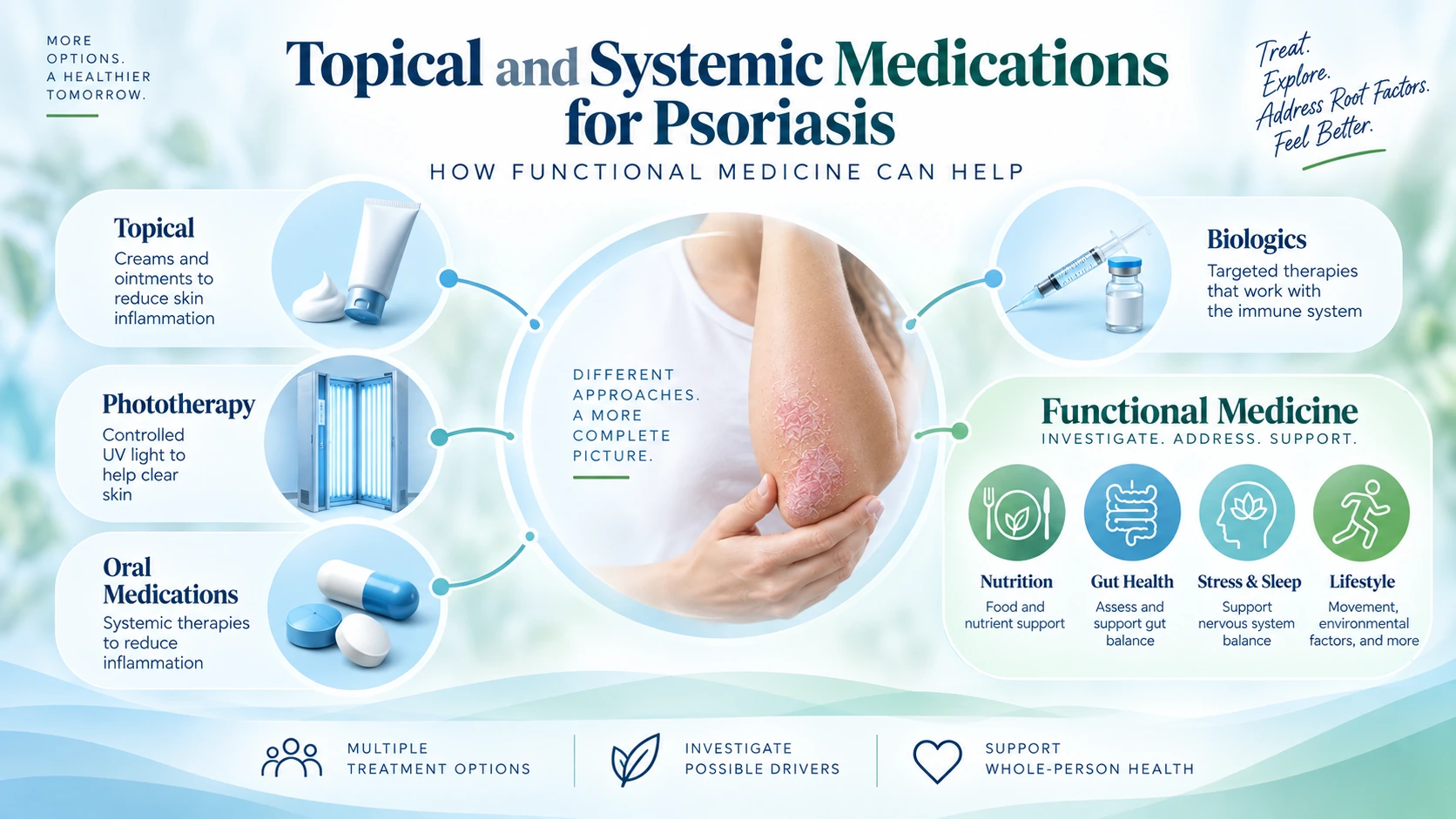
Psoriasis Treatment Has Two Important Jobs
One of the biggest mistakes I see in discussions about psoriasis is turning treatment into a contest between medication and natural care.
I do not think that is useful.
Control active disease
Reduce plaques, itch, pain, inflammation, nail involvement, and joint disease. When psoriasis is severe or psoriatic arthritis is present, controlling disease activity can be extremely important.
Investigate the person and the environment
Ask what nutritional, metabolic, gastrointestinal, environmental, medication, sleep, stress, exposure, or other individual factors may be contributing to immune dysregulation or making psoriasis harder to control.
Those goals can exist at the same time. A medication may be doing an excellent job controlling psoriasis while we investigate other factors. Or a person's medical treatment may change over time as disease activity, risks, preferences, and overall health change.
It is to control the disease appropriately while learning as much as possible about the person who has it.
There Is No Single Best Psoriasis Treatment for Everyone
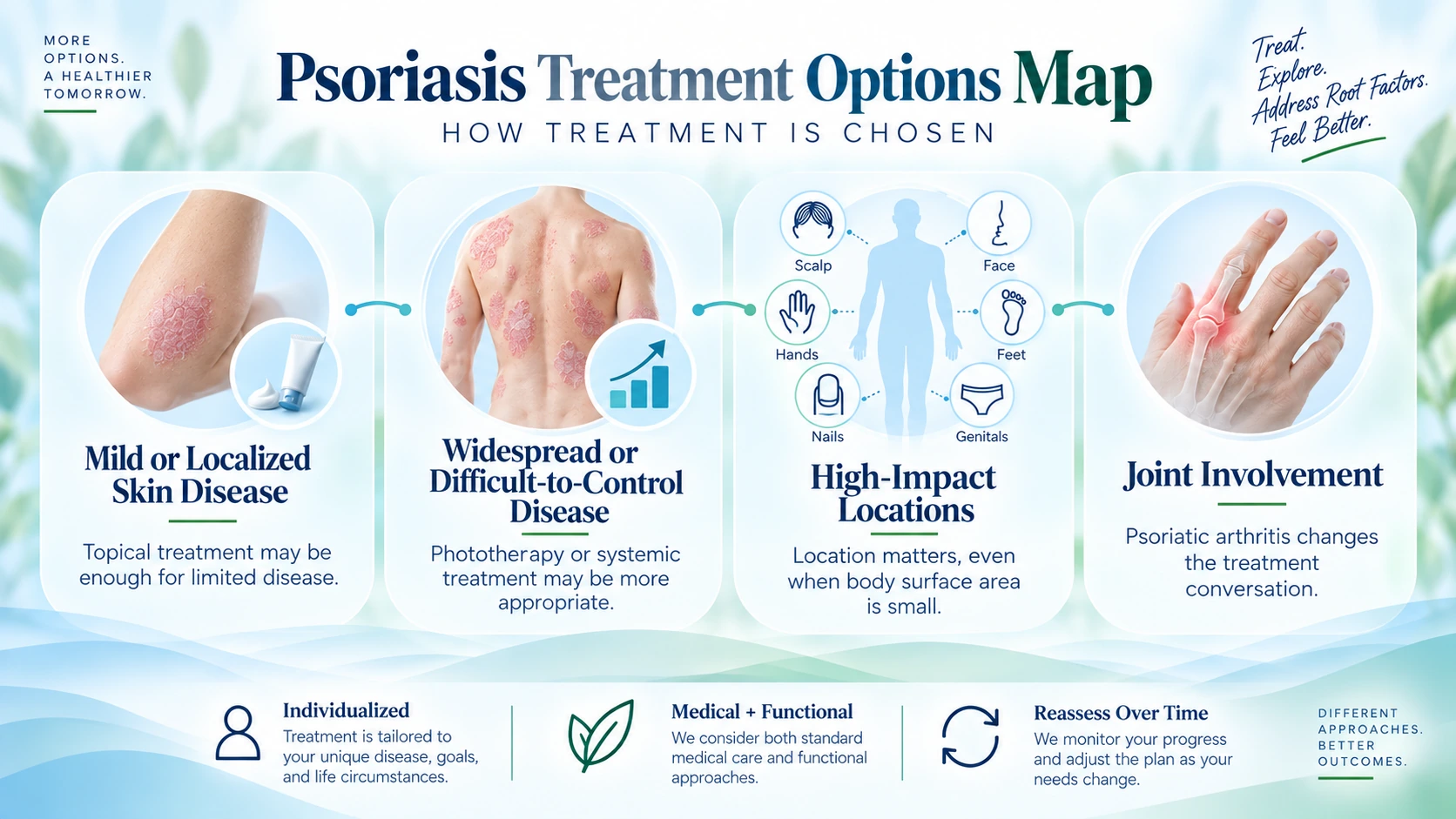
The American Academy of Dermatology emphasizes that psoriasis treatment should be individualized. Important considerations include the type of psoriasis, where it appears, disease severity, how much it affects quality of life, other medical conditions, medications already being taken, and whether joints are involved.
That means treatment is not always a simple ladder where every person must start at the same place and move through every step in the same order.
Mild or localized skin disease
Topical medications may be enough, particularly when psoriasis is limited and not affecting high-impact areas.
Widespread or difficult-to-control disease
Phototherapy or systemic treatment may make more sense when topical treatment is not practical or sufficient.
High-impact locations
Scalp, face, genitals, hands, feet, and nails can create major problems even when total body surface area is relatively small.
Joint involvement
Psoriatic arthritis changes the treatment conversation because preventing permanent joint damage becomes a priority.
Topical Medications for Psoriasis
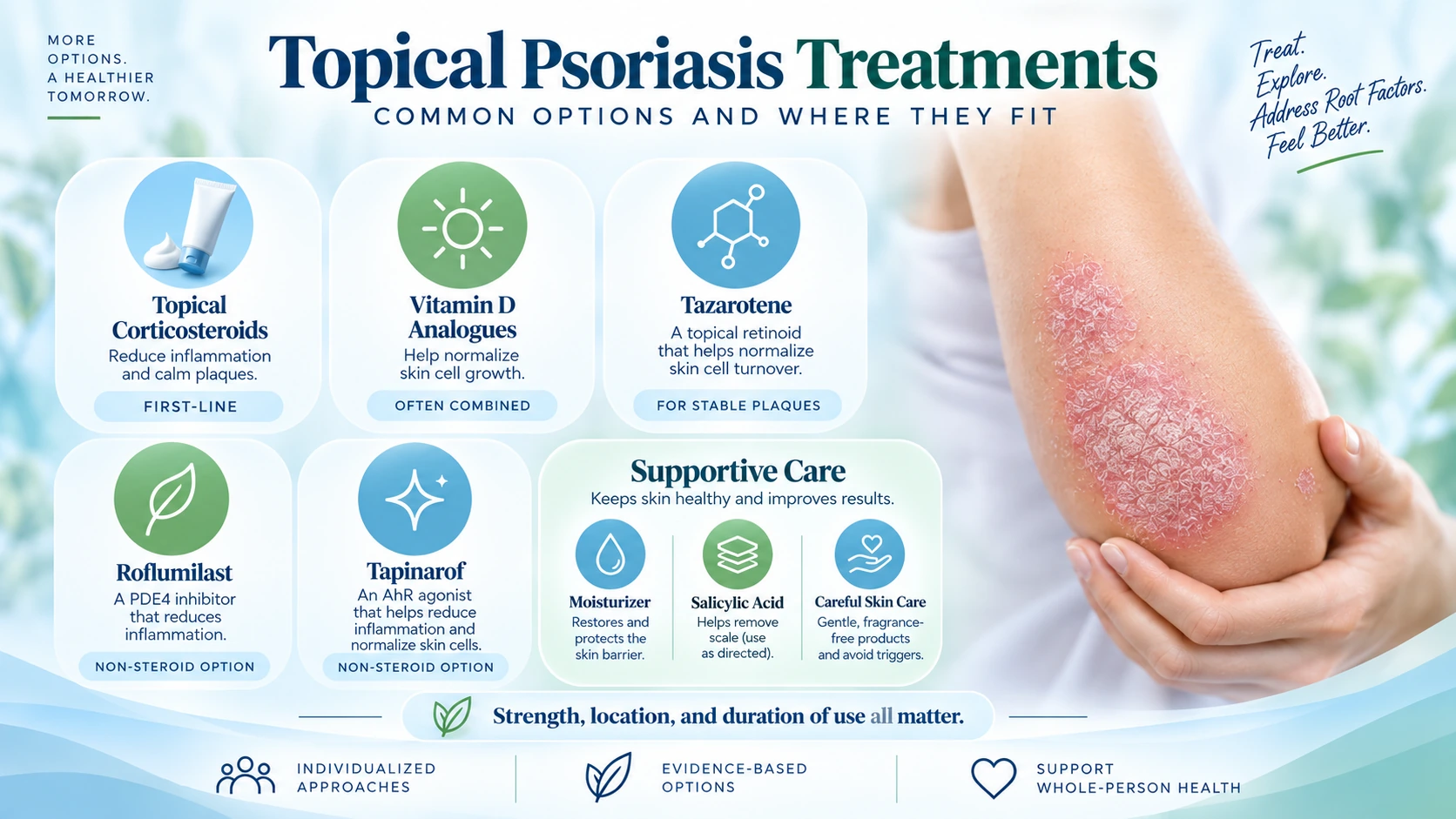
Topical treatments are applied directly to the skin and remain a major part of psoriasis care. For many people with mild or localized psoriasis, a topical medication may be the main treatment. Topicals can also be combined with phototherapy or systemic medication for more extensive disease.
| Topical category | What it is used for | Important context |
|---|---|---|
| Topical corticosteroids | Reduce inflammation, redness, scale, and itch. | Strength and duration matter. Long-term or high-potency use requires appropriate supervision because of risks such as skin thinning. |
| Vitamin D analogues | Help slow excessive skin-cell growth and are commonly used alone or with corticosteroids. | Often used as steroid-sparing or combination therapy. |
| Tazarotene | A topical retinoid used for plaque psoriasis. | Can be combined with corticosteroids and can irritate skin in some people. |
| Roflumilast | A nonsteroidal PDE-4 inhibitor available as cream or foam for plaque psoriasis, including scalp/body use depending on formulation. | Provides a newer steroid-free option and can be useful in difficult locations. |
| Tapinarof | A once-daily nonsteroidal cream for plaque psoriasis. | Another newer steroid-free option that may be used in sensitive areas as prescribed. |
| Other topical options | Salicylic acid, coal tar, emollients, and selected off-label calcineurin inhibitors can have roles in specific situations. | The face, skin folds, and genital areas require particular care with medication selection. |
Phototherapy for Psoriasis
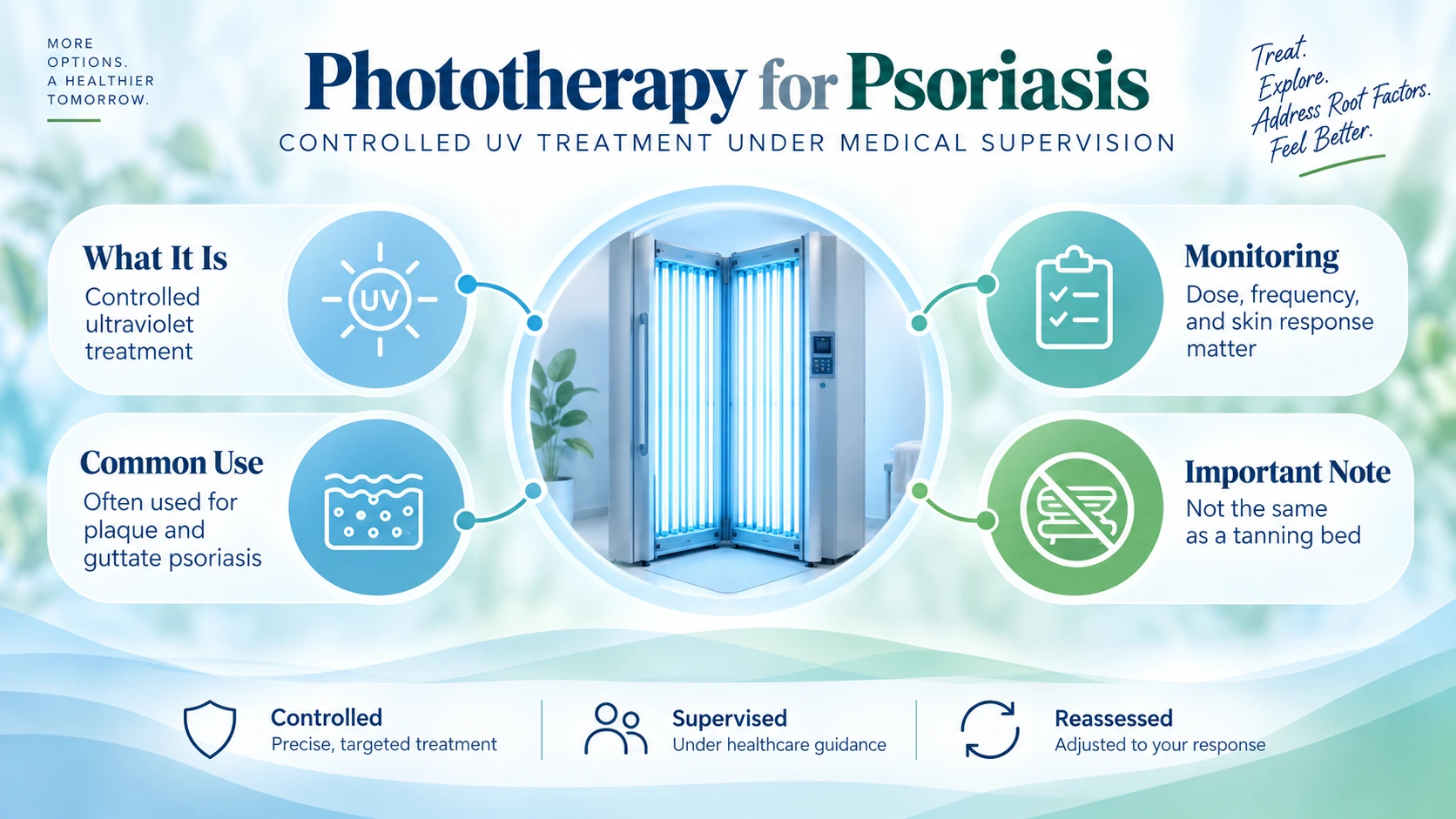
Phototherapy uses controlled ultraviolet light to treat psoriasis. Narrowband UVB is one of the best-established approaches, although other forms of medically supervised light therapy may be used depending on the situation.
Phototherapy can be effective for plaque psoriasis, guttate psoriasis, and other patterns, and it can sometimes be combined with topical or systemic treatments.
Oral Systemic Medications for Psoriasis
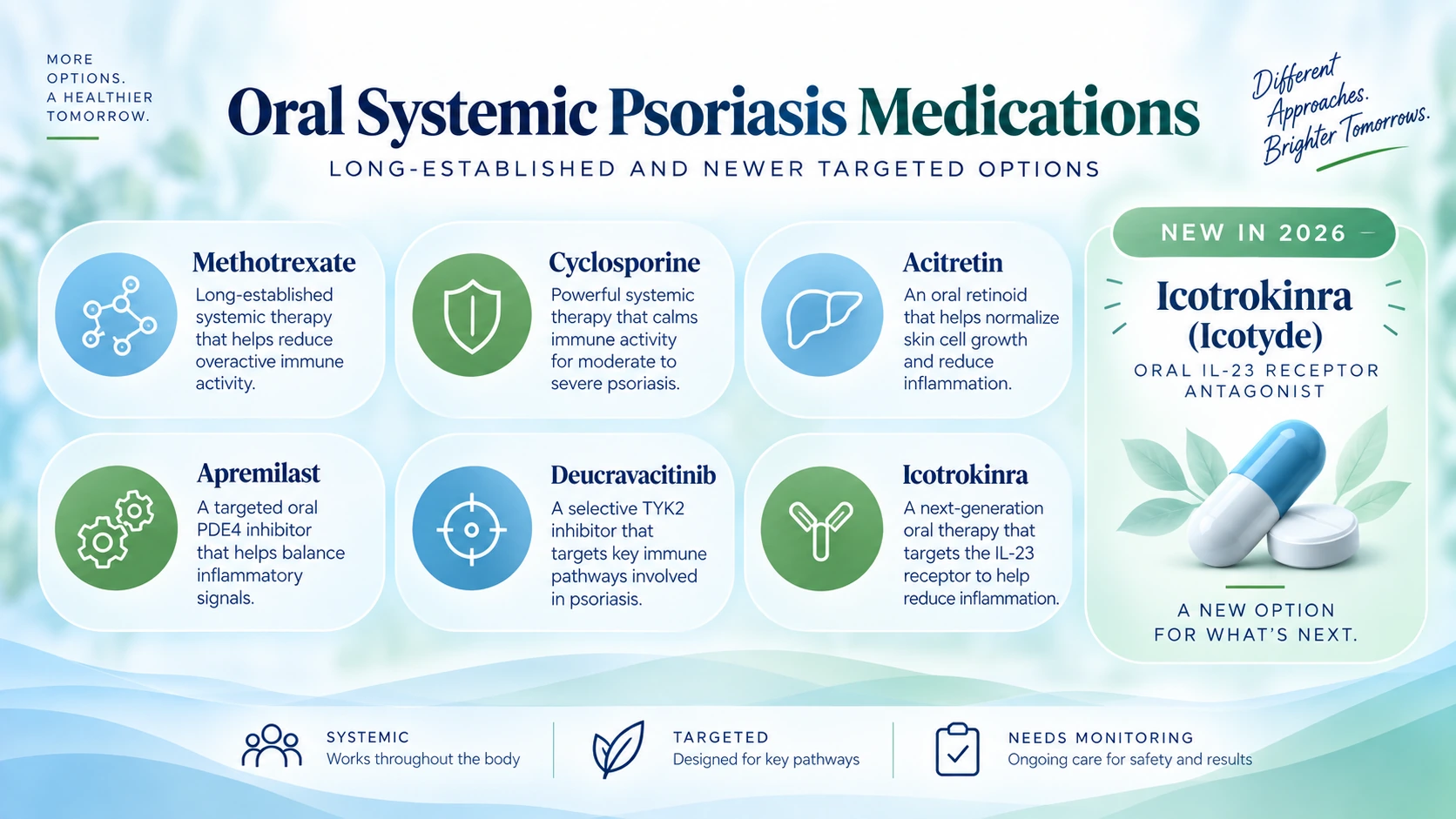
Systemic medications work throughout the body. Older systemic treatments remain useful, and newer targeted oral medicines have expanded the choices available to people who need more than topical therapy.
| Medication or class | How it fits |
|---|---|
| Methotrexate | A long-established systemic option for moderate-to-severe psoriasis and psoriatic arthritis. Appropriate laboratory and liver-risk monitoring is important. |
| Cyclosporine | A fast-acting systemic option that can be useful for severe or difficult disease, but kidney function, blood pressure, drug interactions, and duration of use require careful management. |
| Acitretin | An oral retinoid approved for severe psoriasis. Unlike many systemic psoriasis treatments, it is not an immune suppressant. Pregnancy prevention requirements are especially important. |
| Apremilast | An oral PDE-4 inhibitor used for plaque psoriasis and psoriatic arthritis. It has a different monitoring and safety profile from traditional immunosuppressive drugs. |
| Deucravacitinib | A once-daily TYK2 inhibitor for adults with moderate-to-severe plaque psoriasis who are candidates for systemic therapy or phototherapy. |
| Icotrokinra | A once-daily oral IL-23 receptor antagonist approved in March 2026 for eligible adults and adolescents with moderate-to-severe plaque psoriasis. |
Icotrokinra adds a new type of oral targeted treatment
The FDA approved icotrokinra, brand name Icotyde, on March 17, 2026. It is an oral IL-23 receptor antagonist for adults and adolescents 12 years and older who weigh at least 40 kg and have moderate-to-severe plaque psoriasis that is appropriate for systemic therapy or phototherapy.
This matters because it illustrates how quickly the psoriasis treatment landscape is changing. Older articles that describe the choices as simply creams, methotrexate, and biologic injections are now incomplete.
Biologics and Biosimilars for Psoriasis
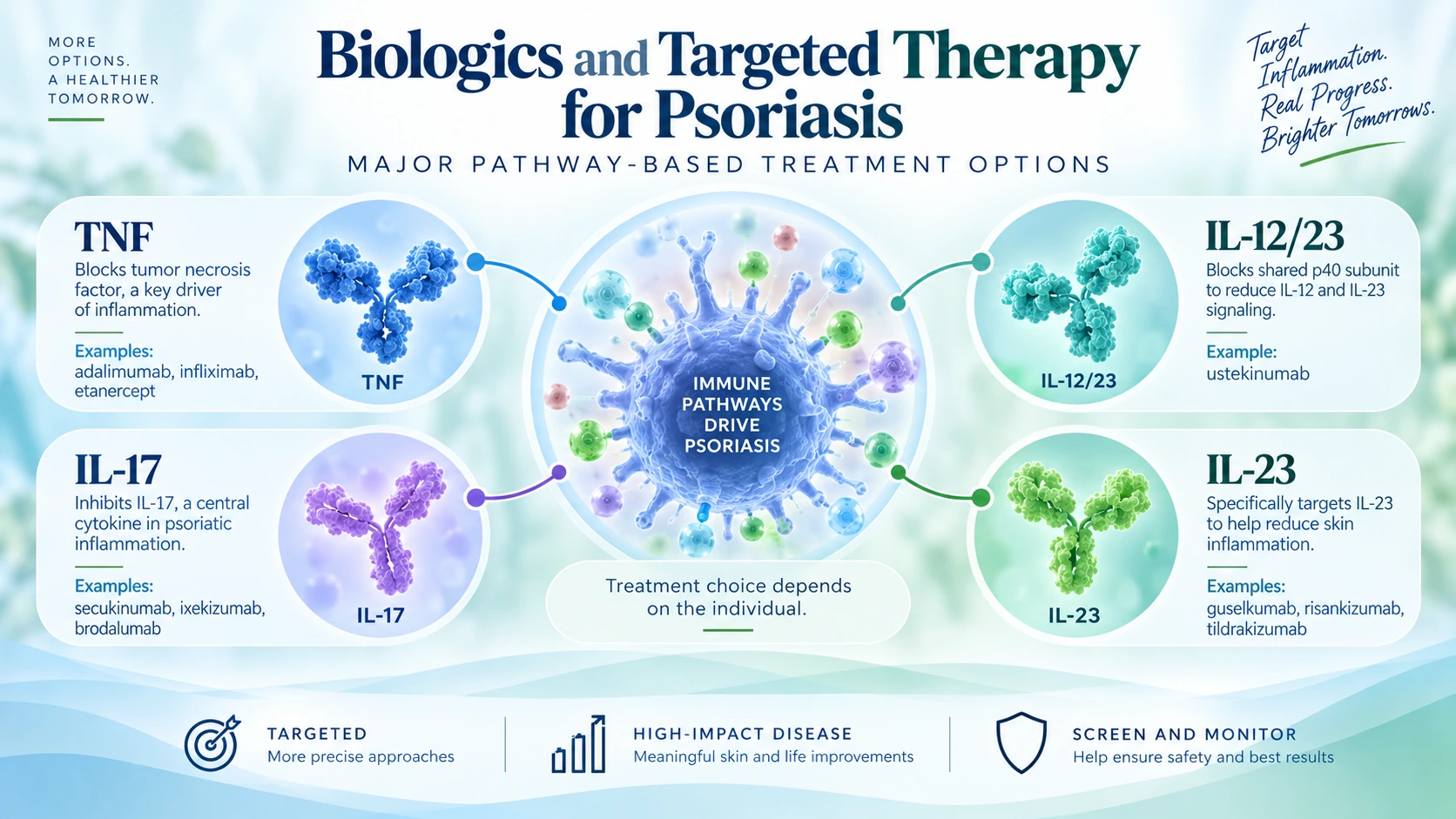
Biologics have transformed the treatment of moderate-to-severe psoriasis and psoriatic arthritis. Rather than suppressing the entire immune system in a nonspecific way, biologics target particular immune pathways involved in psoriatic disease.
Major biologic categories include treatments targeting TNF, IL-17, IL-12/23, and IL-23 pathways. Examples include adalimumab, infliximab, etanercept, certolizumab, secukinumab, ixekizumab, brodalumab, ustekinumab, guselkumab, risankizumab, and tildrakizumab. Biosimilars provide additional versions of several established biologic therapies.
These medications can produce major improvements for some people, but they still require thoughtful selection. Infection risk, vaccination status, tuberculosis or other screening when indicated, other diseases, pregnancy considerations, prior treatment response, and joint involvement can all influence the decision.
Not Every Psoriasis Medication Works by Broadly Suppressing the Immune System
Some older psoriasis articles describe systemic treatment as if every medication simply shuts down the immune system. That is no longer an accurate way to explain the treatment landscape.
Methotrexate and cyclosporine have broader immunomodulatory or immunosuppressive effects. Acitretin is not an immune suppressant. Apremilast and deucravacitinib act on specific intracellular signaling pathways. Icotrokinra targets the IL-23 receptor. Biologics target specific extracellular immune mediators or pathways.
That does not mean newer treatments have no risks. It means risks and mechanisms should be described accurately rather than grouping every systemic medication together.
Where Functional Medicine Fits in Psoriasis Treatment
A psoriasis diagnosis tells us what disease has been identified. It does not automatically tell us what triggered the autoimmune process, what may be perpetuating it, or which factors may be changed in that individual.
That is where I see functional medicine as a foundational opportunity.
I want to know about the person's diet, gut health, nutrient status, metabolic health, sleep, stress, infections when relevant, environmental exposures, medications, barrier systems, exercise, alcohol, smoking, and the timing of changes in psoriasis. I also want to understand what has already been tried and what happened.
This does not mean every person has a hidden infection, a food sensitivity, “leaky gut,” a toxin problem, or the same nutrient deficiency. Those are hypotheses to investigate when the history makes them relevant, not conclusions to impose on everyone.
It is, “What can we learn about the factors influencing this autoimmune process, and which of those factors can we responsibly change?”
For a deeper explanation of this model, see Psoriasis Causes and Treatment: The Functional Medicine Approach.
DETECT → SUPPORT → REASSESS
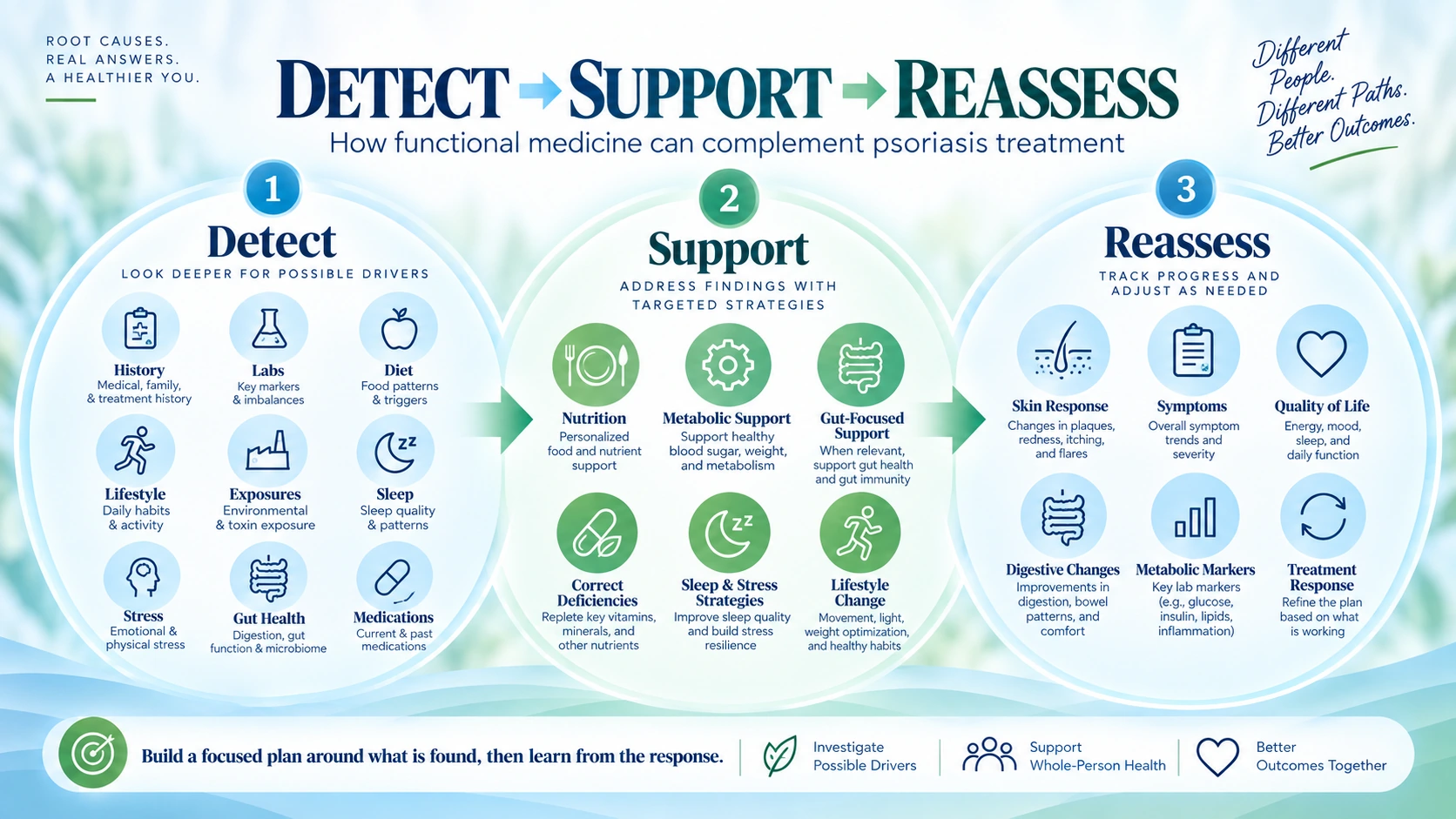
Review the history, symptoms, records, labs, diet, lifestyle, exposures, medications, digestive patterns, metabolic health, sleep, stress, and psoriasis timeline to identify plausible triggers, drivers, and physiological patterns.
Build an individualized plan around the highest-priority findings. That may include nutrition, metabolic support, gut-focused work when justified, correcting deficiencies, sleep and stress strategies, or other changes that fit the person's physiology and goals.
Measure what changed and what did not. Skin activity, symptoms, digestive function, metabolic markers, quality of life, and medical treatment response can all provide useful feedback.
Medication and Functional Medicine Do Not Have to Compete
There are situations where rapidly controlling psoriasis is extremely important. Severe disease, painful widespread plaques, major quality-of-life impairment, difficult high-impact locations, or joint involvement may make medical treatment a priority.
There are also people whose psoriasis is well controlled medically who still want to improve their nutrition, metabolism, gut health, sleep, stress resilience, or other aspects of health.
Both situations are reasonable.
If a person's psoriasis improves substantially over time, medication decisions should be revisited with the prescribing clinician rather than changed independently. The goal is an informed, coordinated plan rather than a predetermined goal of avoiding medication.
Psoriatic Arthritis Changes the Treatment Conversation
- a swollen finger or toe
- swollen or tender joints
- morning stiffness that lasts
- heel or Achilles pain
- persistent inflammatory-type lower-back pain
- new nail changes together with joint symptoms
Psoriatic arthritis can cause permanent joint damage. Early recognition and treatment matter, and some systemic treatments can address both skin and joint disease.
Read the full guide: Symptoms of Psoriatic Arthritis: Flare-Ups, Triggers, and Treatment.
Questions to Ask Before Starting or Changing Psoriasis Treatment
Are we trying to clear skin, reduce itch, control a high-impact location, protect joints, or accomplish several things at once?
Different treatments have different timelines. Knowing the expected response helps determine when reassessment is appropriate.
Some medications require blood work, infection screening, pregnancy precautions, blood-pressure checks, or other monitoring.
Risk depends on the medication and on your age, health history, other medicines, infection risk, pregnancy plans, and other factors.
Psoriasis often requires adjustment over time. A reasonable plan should include a reassessment point rather than indefinite guessing.
Nutrition, metabolic health, sleep, smoking, alcohol, stress, exercise, gut symptoms, and relevant deficiencies can often be addressed without creating a conflict with medical treatment.
Frequently Asked Questions About Psoriasis Treatment
What are the main treatment options for psoriasis?
The main medical treatment categories are topical medications, phototherapy, oral systemic medications, and biologic or biosimilar therapies. The best choice depends on psoriasis type, location, severity, impact on daily life, joint involvement, other health conditions, prior treatment response, medication risks, preferences, and access.
What is usually the first treatment for psoriasis?
Many people with mild psoriasis start with medication applied directly to the skin, but there is no single treatment sequence that fits everyone. Psoriasis in high-impact areas, extensive disease, severe symptoms, or psoriatic arthritis can justify phototherapy or systemic treatment even when the amount of skin involved is not large.
What is the difference between topical and systemic psoriasis treatment?
Topical treatments are applied directly to affected skin. Systemic treatments work throughout the body and include oral medications, biologics, and biosimilars. Systemic treatment is often considered for more extensive, disabling, difficult-to-treat, or joint-involving psoriatic disease.
Are biologics just general immune suppressants?
Biologics target specific immune pathways involved in psoriasis rather than suppressing every part of the immune system equally. They can be highly effective, but they still have important safety considerations, including infection risk, and require appropriate screening and medical follow-up.
What new oral psoriasis treatment was approved in 2026?
Icotrokinra, sold as Icotyde, was approved by the FDA in March 2026 for moderate-to-severe plaque psoriasis in adults and adolescents 12 years and older who weigh at least 40 kilograms and are candidates for systemic therapy or phototherapy. It is a once-daily oral IL-23 receptor antagonist.
Can functional medicine replace psoriasis medication?
Functional medicine should not be presented as an automatic replacement for psoriasis medication. I use it as an opportunity to investigate diet, gut health, metabolic health, nutrient status, sleep, stress, exposures, infections, medications, and other individual factors that may be influencing the autoimmune process while appropriate medical treatment controls active disease when needed.
Can I stop a biologic or other psoriasis medication if my diet or lifestyle improves?
Do not stop or change a prescription psoriasis medication on your own. If your disease changes substantially, discuss it with the prescribing clinician so treatment can be reassessed safely. Diet and lifestyle can be valuable parts of a broader plan without creating an either-or choice.
Is phototherapy the same as using a tanning bed?
No. Medical phototherapy uses controlled ultraviolet treatment under professional supervision. Tanning beds and unsupervised ultraviolet exposure are not substitutes and can increase skin damage and skin-cancer risk.
What if I have psoriasis on the scalp, face, genitals, hands, or feet?
Location matters. Psoriasis affecting high-impact or sensitive areas can be difficult to treat and can have a large effect on quality of life even when the total body surface area is small. Treatment choice and medication strength often need to be adjusted for the location.
When should someone with psoriasis be evaluated for psoriatic arthritis?
Joint swelling, prolonged morning stiffness, a swollen finger or toe, heel pain, persistent lower-back pain, or new joint pain should be discussed promptly with an appropriate clinician. Psoriatic arthritis can cause permanent joint damage, so early recognition and treatment matter.
Do psoriasis medications cure psoriasis?
No currently available medication is considered a cure for psoriasis. Treatment can reduce or clear skin lesions, control symptoms, reduce inflammation, and, for psoriatic arthritis, help protect joints. Psoriasis can still recur or require ongoing management.
How does functional medicine fit with dermatology treatment for psoriasis?
I view the two as addressing different but compatible questions. Dermatology treatment can be essential for controlling active skin and joint disease. Functional medicine gives us another opportunity to investigate which environmental, nutritional, metabolic, gastrointestinal, and lifestyle factors may be contributing in that individual, then support the highest-priority findings and reassess the response.
Want to Understand What May Be Driving Your Psoriasis While You Manage the Disease?
I review the history, physiology, diet, gut health, metabolic health, labs, lifestyle, exposures, medications, and other relevant factors to identify the highest-priority opportunities, build a focused plan, and learn from how your psoriasis responds.
Important Health Information
Do not start, stop, reduce, or switch prescription psoriasis medication without discussing it with the prescribing clinician. Severe or rapidly worsening psoriasis, widespread redness, fever, extensive pustules, signs of infection, or new joint swelling may require prompt medical evaluation. Treatment risks and monitoring vary substantially by medication and by the person's health history.
Selected References & Further Reading
- American Academy of Dermatology. Psoriasis: Diagnosis and treatment. Updated May 22, 2026.
- American Academy of Dermatology and National Psoriasis Foundation. Psoriasis clinical guidelines.
- American Academy of Dermatology. Psoriasis treatment: Biologics.
- National Psoriasis Foundation. Treatment & Care. Updated August 12, 2026.
- National Psoriasis Foundation. Making a Treatment Decision.
- National Psoriasis Foundation. Systemic Treatments for Psoriasis and Psoriatic Arthritis.
- U.S. Food and Drug Administration. Drug Trials Snapshot: Icotyde (icotrokinra). Approved March 17, 2026.
- American Academy of Dermatology. Psoriatic arthritis: Symptoms.