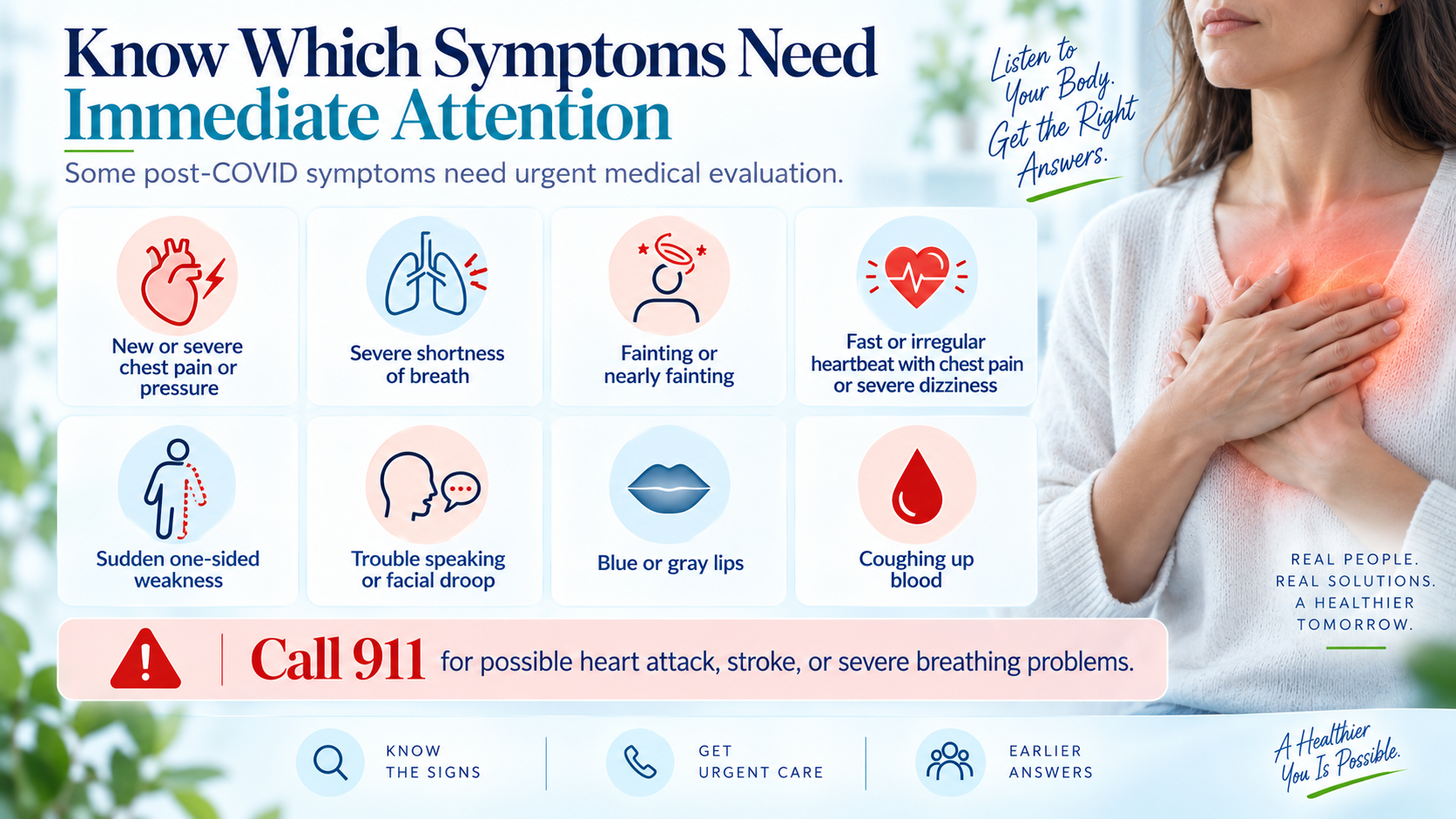
Know Which Symptoms Need Immediate Attention
Call 911 for possible heart attack, stroke, or severe breathing problems
New or severe chest pressure or pain, severe shortness of breath, fainting with concerning symptoms, sudden one-sided weakness, facial droop, trouble speaking, blue or gray lips, or coughing up blood need emergency assessment. A fast or irregular heartbeat together with chest pain, fainting, or severe dizziness also needs emergency attention.
Not every flutter or spell of fatigue is a heart emergency, but persistent or new symptoms deserve timely medical assessment. Palpitations, dizziness, chest discomfort, and shortness of breath can have different causes, including an abnormal heart rhythm, heart or lung disease, anemia, autonomic dysfunction, medication effects, or changes in thyroid function. We cannot identify the cause from symptoms alone.
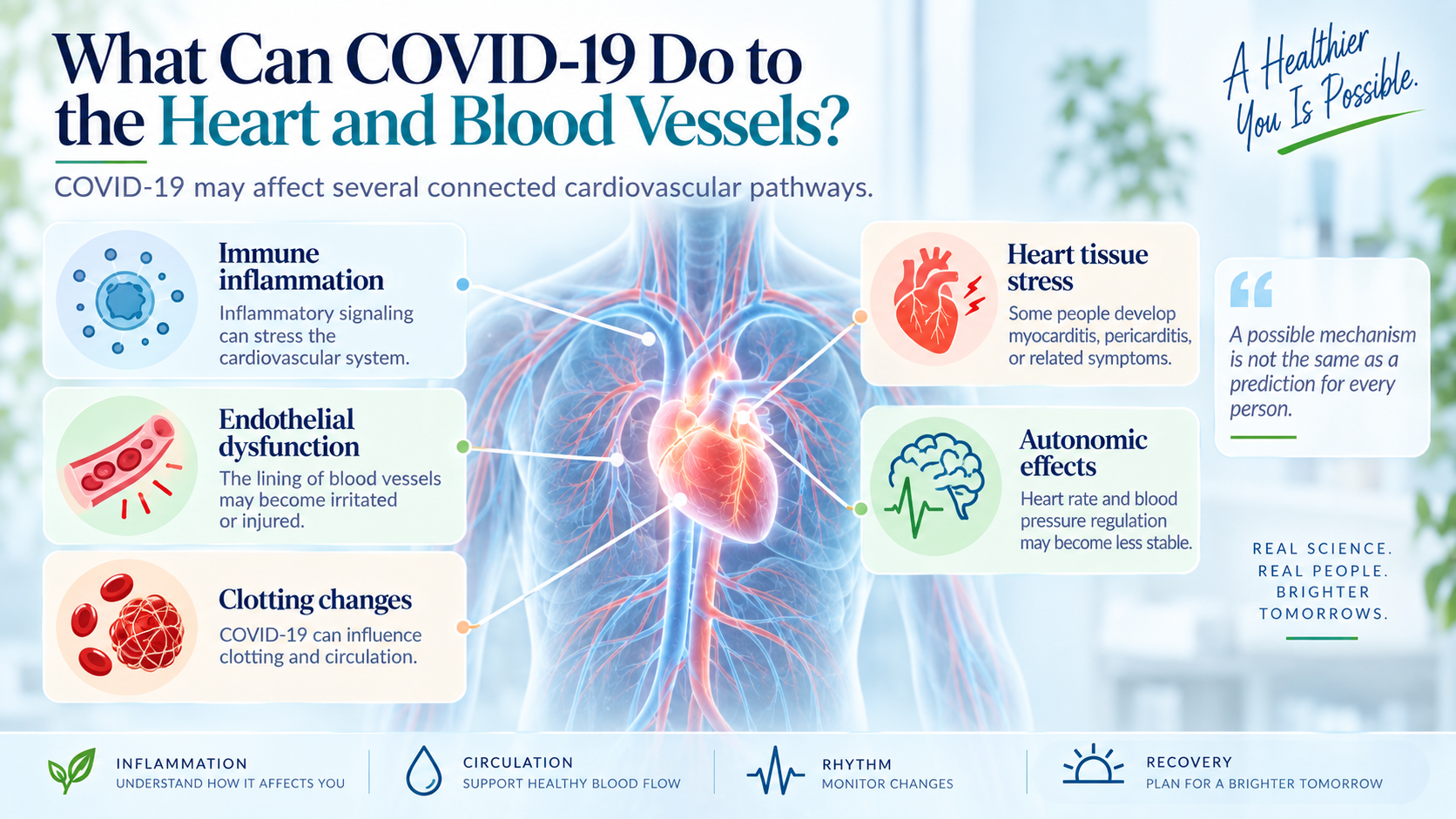
What Can COVID-19 Do to the Heart and Blood Vessels?
COVID-19 can affect several connected systems. The infection can set off immune inflammation, disturb the lining of blood vessels, change blood clotting, and sometimes injure the heart. It can also affect the autonomic nervous system, which helps regulate heart rate and blood pressure. These are different processes, and not all of them occur in the same person.
The research behind my original podcast examined coronary arteries collected at autopsy from eight people who died after severe COVID-19 in 2020 and 2021. Researchers detected SARS-CoV-2 material in macrophages, immune cells found within coronary artery plaque, and observed inflammatory responses in laboratory experiments. This study identifies a possible pathway by which infection-related viral material and immune activity could contribute to inflammation in existing arterial plaque. Read the original study.
What does that mean for you? A research finding can explain what is biologically possible, but your actual risk depends on your age, prior heart health, how severe your infection was, and other factors. Larger population studies find that cardiovascular risk rises most sharply soon after infection and is higher after severe illness. Vaccination status and the time period studied also matter. See the 2024 population study.
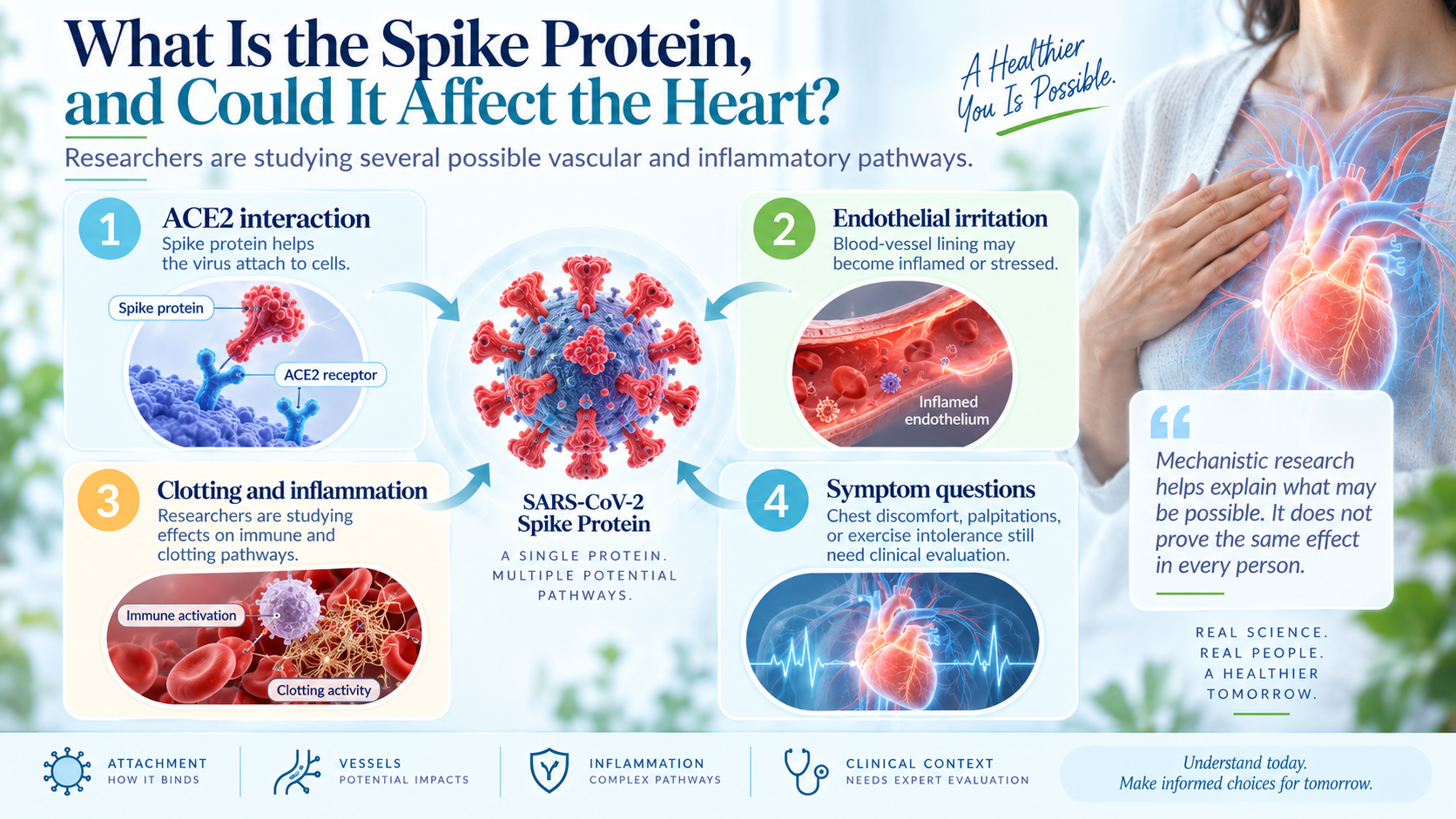
What Is the Spike Protein, and Could It Affect the Heart?
The SARS-CoV-2 spike protein helps the virus attach to cells. During an infection, viral proteins can interact with immune cells, blood vessels, and blood-clotting pathways. Researchers are investigating whether spike protein or other viral material remaining in certain tissues contributes to symptoms after the acute illness. Infection-derived viral material, spike expression after vaccination, and isolated spike protein used in experiments are related but different research questions. Persistent symptoms may also have more than one cause. A 2026 review explores several possible Long COVID mechanisms.
For example, cell-culture experiments found that nattokinase degraded spike protein under laboratory conditions. That laboratory finding identifies a possible biochemical interaction for further study. Whether oral nattokinase reaches relevant tissues, changes viral proteins in people, or improves symptoms remains to be determined. I discuss the proposed supplement combination and questions about clinical use below.
In a 2023 narrative review, Peter A. McCullough and colleagues brought together research on possible spike-related effects involving blood-vessel cells, clotting, inflammatory signaling, immune regulation, and other tissues after infection or vaccination. Their synthesis offers several biological explanations worth exploring and helps identify questions for more targeted studies. As a narrative review, it interprets existing research; further study is needed to determine which pathways are active in an individual and which interventions improve outcomes.
What have researchers proposed about spike-related injury?
How might spike protein affect the lining of blood vessels?
Blood vessels have a living inner lining called the endothelium. It helps vessels relax, keeps blood and surrounding tissues separated, and helps regulate clotting and immune-cell movement. This is one reason I do not look at post-COVID heart symptoms as a heart-muscle question alone: the condition of the vessels themselves may matter.
A 2026 review in Cells brings together cell, animal, and translational findings on spike-related endothelial injury. It describes several potential pathways, including ACE2 and angiotensin signaling, integrin interactions, altered calcium signaling, oxidative stress, changes in the proteins that seal neighboring endothelial cells together, and inflammatory signaling. Some experiments show that isolated spike protein can disturb these pathways without a productive infection in the experimental system. These experimental findings help researchers identify vascular pathways to study in different post-COVID presentations. Studies in cells and animals cannot tell us how often those pathways occur in people or which intervention, if any, would help.
One study published in Cardiovascular Research in May 2026 offers a more specific example. In cultured human endothelial cells, spike S1 increased interferon-related signaling, including ISG15. Interferons amplified some inflammatory responses. In isolated mouse vessels, spike S1 and the interferons tested reduced normal vessel relaxation; the effects were absent in vessels from mice lacking ISG15. The researchers also observed changes in nitric-oxide-related signaling and inflammatory mediators, including IL-6 and PAI-1. Together, these results identify a possible spike, interferon, and ISG15 pathway for vascular dysfunction. Because this work involved cultured cells and isolated mouse vessels, the pathway remains a research finding rather than an established diagnostic marker or treatment target for people with Long COVID.
Why does this matter for recovery? Circulation, blood-pressure regulation, inflammation, and metabolic health are connected. These studies offer questions to explore alongside your symptoms and medical findings. Any testing should be chosen for a clear clinical purpose, rather than using a specialty biomarker by itself to explain symptoms.
Spike protein, fibrin, and inflammation
In a 2024 study published in Nature, researchers found that SARS-CoV-2 spike can bind fibrinogen and fibrin, proteins involved in clot formation, and increase inflammatory activity in laboratory and animal experiments. The work also examined blood-clot deposits in samples from people with COVID-19. It provides a possible explanation for how infection could affect circulation and inflammation even without the same degree of active viral replication. The findings provide a rationale for studying whether fibrin-related inflammation contributes to particular symptoms and whether targeted interventions improve outcomes that matter to people, such as daily function and recovery.
Does finding spike protein mean it is causing symptoms?
Not necessarily. A 2026 study following 425 adults detected SARS-CoV-2 antigens at 6 to 12 months in 31% of those with Long COVID, 20% of people who recovered, and 5.4% of uninfected controls. At 18 to 24 months, detection had become uncommon. Antigen detection did not track with symptom severity or vaccination status. Another 2026 longitudinal study of 200 participants also found that low-level circulating spike did not distinguish people with post-COVID symptoms from recovered participants. The results leave open questions about viral material in specific tissues. At present, circulating antigen results alone are not established tools for diagnosing the cause of a person's symptoms or selecting treatment.
The useful question is not simply “Is spike protein present?” It is what symptoms and independently established findings you have, what needs medical evaluation, and which interventions have evidence of helping someone with your particular presentation.
Can COVID-19 Trigger Autoimmunity Through Molecular Mimicry?
Possibly, in susceptible people. Molecular mimicry describes a situation in which an immune response to a virus also recognizes a similar-looking part of our own tissue. SARS-CoV-2 research has identified several possible examples. Whether a cross-reaction contributes to illness depends on the person and the biological context.
What did Aristo Vojdani's antibody study find?
In a 2021 study published in Frontiers in Immunology, Aristo Vojdani and colleagues tested human monoclonal antibodies directed against SARS-CoV-2 spike and nucleoprotein, along with rabbit polyclonal antibodies against its envelope and membrane proteins. They examined reactions against 55 human tissue antigens and reported reactivity with 28 of the 55 targets. Those targets included proteins associated with the gut and other barriers, the thyroid, and neural tissues. Additional sequence comparisons suggested similarities involving mitochondrial M2, F-actin, and thyroid peroxidase (TPO).
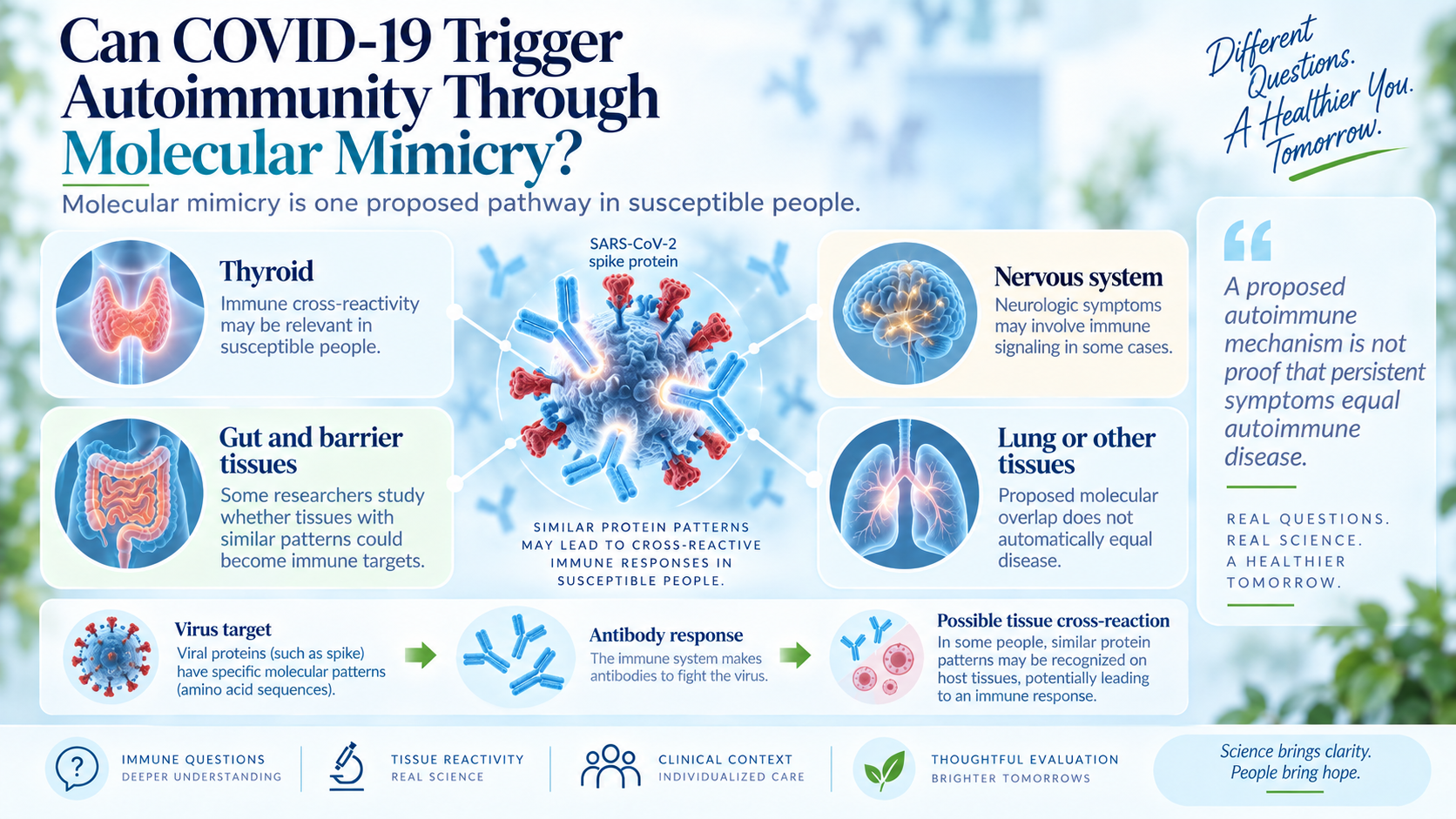
Why is that interesting? Antibodies generated against a viral target may, under certain circumstances, also recognize something in our own tissues. This helps explain why researchers are asking whether an infection can contribute to the onset or worsening of autoimmunity. The 28-of-55 result describes reactions in the study's laboratory assay. This laboratory result gives researchers specific tissue targets to investigate in studies of autoimmune symptoms and clinical disease. It does not, by itself, establish that the reactions cause autoimmune disease in a particular person.
Could a similar mechanism affect the lungs?
An earlier sequence-analysis paper on viral spike and human surfactant-related proteins identified 24 shared five-amino-acid sequences, with 13 appearing within previously cataloged immunoreactive coronavirus epitopes. The authors proposed that this overlap might contribute to lung-directed immune reactions. The sequence findings provide a focused starting point for experiments on antibody binding and lung tissue responses. Sequence similarity alone cannot show whether antibodies bind lung tissue in a person or cause injury.
What about antibodies that affect blood vessels and clotting?
In one study of hospitalized COVID-19, higher antibodies against annexin A2, a protein involved in maintaining vascular integrity and normal clot-related processes, were associated with mortality. This raises the possibility that certain autoimmune responses contribute to severe vascular illness. The association adds another immune pathway to investigate in severe vascular disease. Further research can clarify whether these antibodies contribute to illness, reflect its severity, or both.
Researchers have also reported antinuclear antibodies and antiphospholipid antibodies in some people with COVID-19. The APS ACTION research group's guidance explains that many infection-associated antiphospholipid antibodies are temporary and their relationship to clotting varies. An antibody result by itself does not diagnose antiphospholipid syndrome or establish a reason to begin blood-thinning treatment.
Does research connect COVID-19 with new autoimmune diagnoses?
Yes, at the population level. A 2025 NIH RECOVER analysis of US health-record networks found that people with more severe acute COVID-19 had higher rates of subsequently recorded autoimmune diagnoses than people with less severe infection. Thyroid disease, psoriasis or psoriatic arthritis, and inflammatory bowel disease were among the commonly recorded conditions. These health-record patterns can guide future studies of which immune pathways may be involved. An individual autoimmune diagnosis still requires an appropriate clinical assessment.
What if you already have an autoimmune condition? If you have Hashimoto's, psoriasis, or another autoimmune diagnosis, a change after infection is worth documenting. I would want to understand your established diagnosis, your symptom timeline, any relevant conventional testing, nutrition, sleep, medications, and other possible triggers before deciding which questions need attention. That gives us a thoughtful way to explore a possible infection-related trigger while keeping your individual health history in view.
Why I Look Beyond the Heart When Symptoms Persist
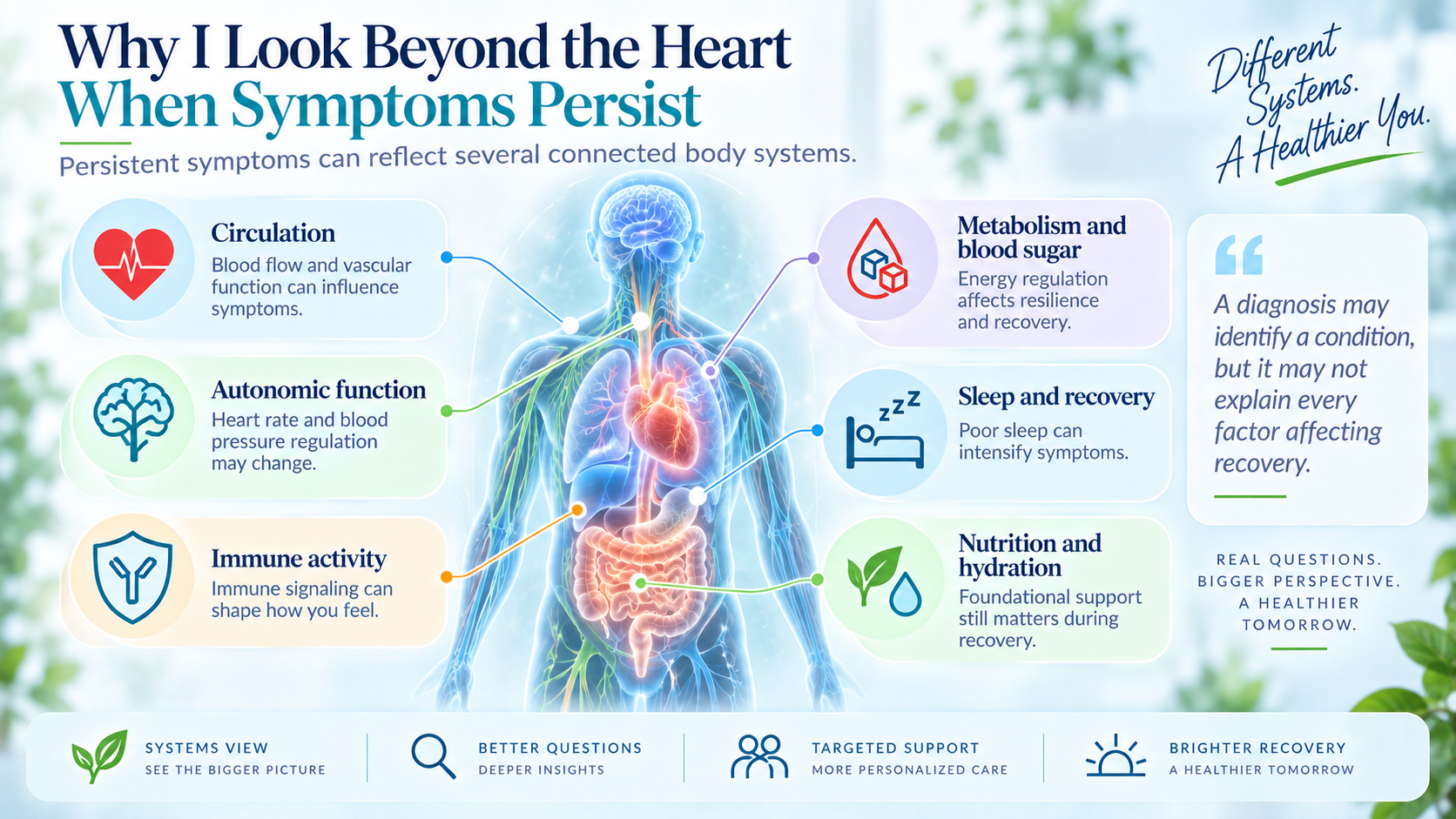
Here is the question I want you to consider: What changed in your body after the infection? A diagnosis can identify a heart problem or a post-COVID condition, but it may not explain every symptom you are experiencing or everything that deserves support during recovery.
Your immune system, circulation, nervous system, and metabolism communicate constantly. For example, a fast heartbeat when you stand may prompt an evaluation for autonomic dysfunction. Low iron or anemia, thyroid dysfunction, dehydration, medication effects, and other conditions can produce overlapping symptoms. Finding out which of these is actually present can change the plan.
Immune and vascular health
We can review the timing of infection, any diagnosed inflammatory or autoimmune conditions, your medical findings, and the cardiovascular risk factors that matter for you. An infection can disrupt immune responses, but persistent symptoms alone do not prove autoimmunity.
Metabolism, nutrition, and daily function
Blood sugar, adequate nourishment, sleep, medication tolerance, and your response to exertion may affect how well you function. I look for relevant, testable concerns rather than assuming that everyone needs the same diet, supplement stack, or specialty panel.
This is where a systems-based perspective can be useful. It helps us ask better questions, coordinate the right medical workup, and decide which supportive changes are worth trying. It does not replace testing or treatment for heart disease, and it cannot establish a hidden cause that the evidence has not shown.
Can COVID-19 disrupt immune regulation or trigger autoantibodies?
Studies of molecular mimicry and endothelial signaling suggest several possible connections, but they do not tell us which process is active in you. I would start with what has actually changed: symptoms, examination findings from your medical team, blood pressure and heart-rate patterns when relevant, existing autoimmune diagnoses, and appropriately selected tests. A focused history and appropriately chosen testing can also help us decide whether specialty immune testing would add useful information.
If you already have Hashimoto's or another autoimmune diagnosis, your medical history may make thyroid levels, medication timing, nutrition, and new symptoms especially important to review. But a COVID infection, a positive antibody test, and an autoimmune diagnosis are not interchangeable.
What About COVID-19 Vaccines, Spike Protein, and Myocarditis?
It is reasonable to ask about both an infection and a recent vaccination when a new symptom appears. COVID-19 infection and vaccination are different exposures, and their risks should not be assumed to be identical. CDC safety guidance recognizes rare myocarditis and pericarditis after COVID-19 vaccination. Reports have been most frequent in adolescent and young adult males within seven days after a second mRNA vaccine dose. Cases have also occurred in females and after other doses, and data suggest an increased risk after Novavax vaccination. These diagnoses need medical assessment. This recognized association is one specific clinical question; other cardiovascular symptoms need to be evaluated on their own merits.
A small 2023 study of post-vaccine myocarditis reported circulating free spike protein in affected participants but not in its healthy vaccinated comparison group. This observation raises questions about possible mechanisms and invites larger studies of how the findings relate to the clinical course. Large observational comparisons also find cardiovascular risks after SARS-CoV-2 infection and indicate that the balance of risks differs by age, sex, outcome, and timing. Read a 2026 population analysis.
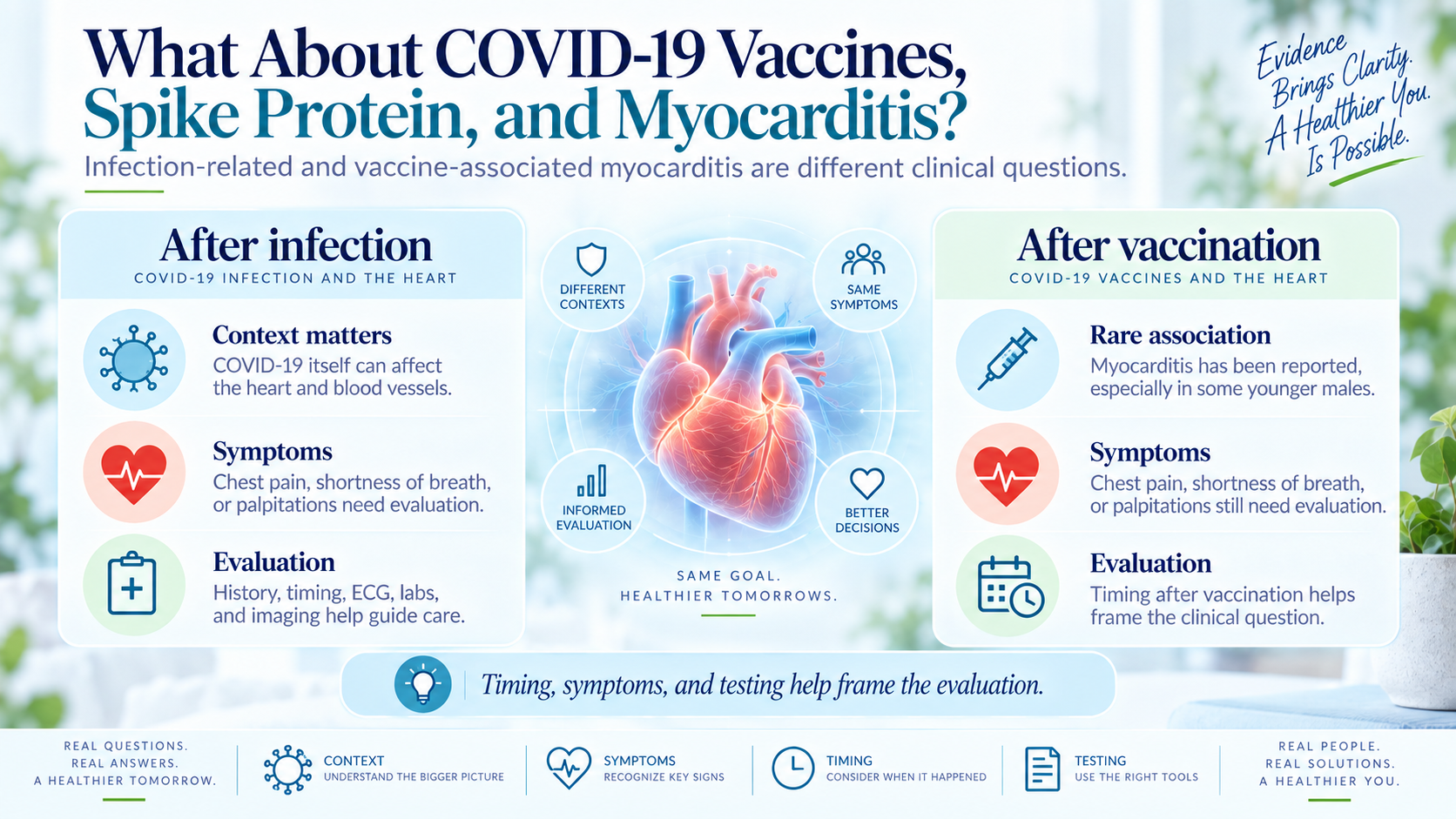
If you develop chest pain, shortness of breath, or palpitations after either an infection or vaccination, tell your medical clinician when symptoms began. Myocarditis is assessed using symptoms, examination, and appropriate testing, not timing alone.
What Should Be Checked if You Have Heart Symptoms After COVID?
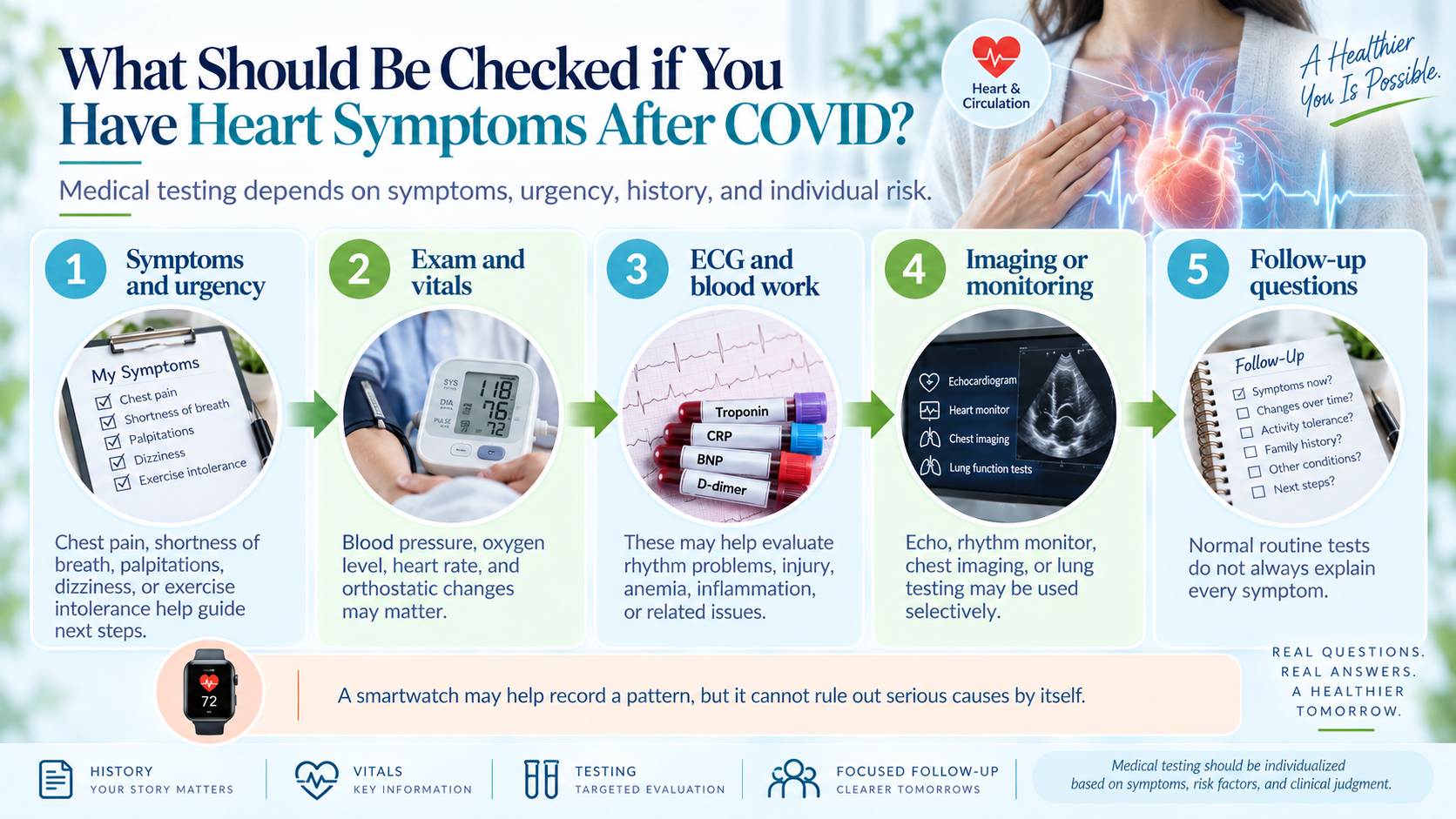
Your medical clinician will choose an evaluation based on the symptoms and how urgently they began. Depending on the situation, that could include a physical examination, oxygen level, orthostatic vital signs (heart rate and blood pressure measured while lying down and standing), an electrocardiogram (ECG), blood work, heart ultrasound, or a heart rhythm monitor. Chest imaging, lung testing, or additional cardiovascular tests may be needed for particular findings. No single test is right for everyone. See the American College of Cardiology's guidance.
A smartwatch can help you record an unusual heart-rate pattern, but it cannot rule out a clot, myocarditis, or coronary artery disease. And if standard tests are normal while you still feel unwell, your symptoms still deserve attention. Long COVID can include ongoing symptoms without a single diagnostic blood test. The next question is which conditions have been reasonably assessed and which symptoms need focused follow-up. Read the CDC's clinical guidance.
What Is Known About Supplements and Antivirals for Long COVID?
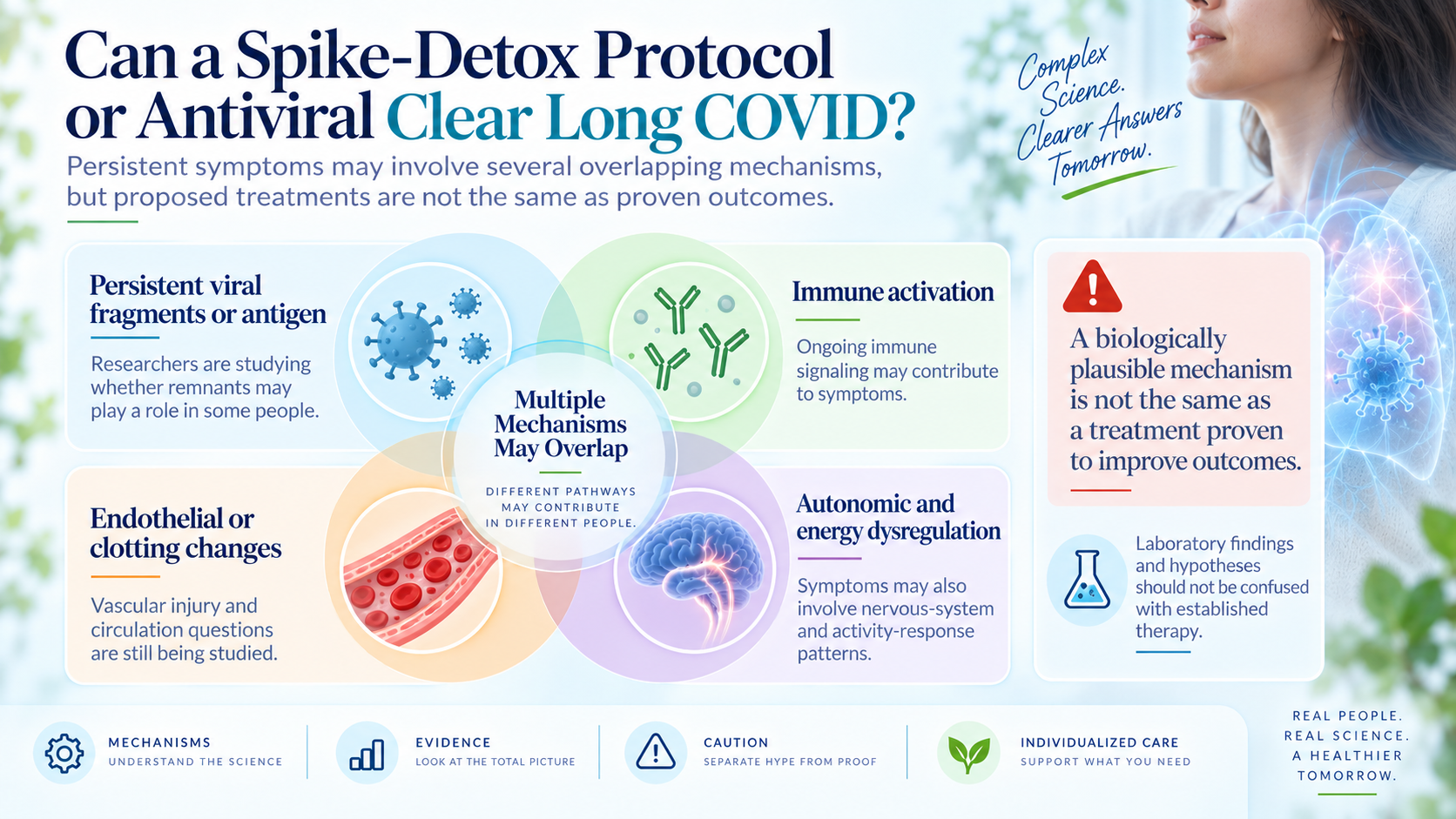
The term “spike-detox protocol” is sometimes used for proposed supplement combinations, including nattokinase, bromelain, and curcumin. Research is exploring these approaches, but a treatment that clears spike protein or resolves Long COVID has not yet been established in clinical trials.
In a 2023 narrative review, Peter A. McCullough and coauthors proposed a combination of nattokinase, bromelain, and curcumin as an approach for further research into spike protein, inflammation, and clot-related pathways. The authors called for randomized trials to evaluate clinical outcomes. A 2022 laboratory study found that nattokinase degraded spike protein in cell-based experiments. Research in people is needed to determine whether oral use changes symptoms or viral protein levels and to assess safety. Nattokinase and other supplements can carry bleeding or medication-interaction concerns, particularly for people taking blood thinners or antiplatelet medicines.
Testing the persistence hypothesis matters. In the NIH-funded RECOVER-VITAL trial, published August 31, 2026, 959 adults with Long COVID were studied. Neither a 15-day nor a 25-day course of nirmatrelvir-ritonavir improved the main cognitive, autonomic, or exercise-related outcomes compared with placebo. The result addresses the specific regimens tested, while research into tissue reservoirs and other approaches continues. Antiviral decisions for a new, acute infection are a separate matter for the prescribing clinician.
WHO's review of randomized trials does not recommend hydroxychloroquine for COVID-19 prevention or treatment. Its living therapeutics guideline recommends against ivermectin for non-severe COVID-19 and recommends its use for severe or critical COVID-19 only within clinical trials. Both medications have established uses for other diagnoses, and treatment decisions depend on the condition being addressed.
Why Your Recovery Plan Should Fit Your Body
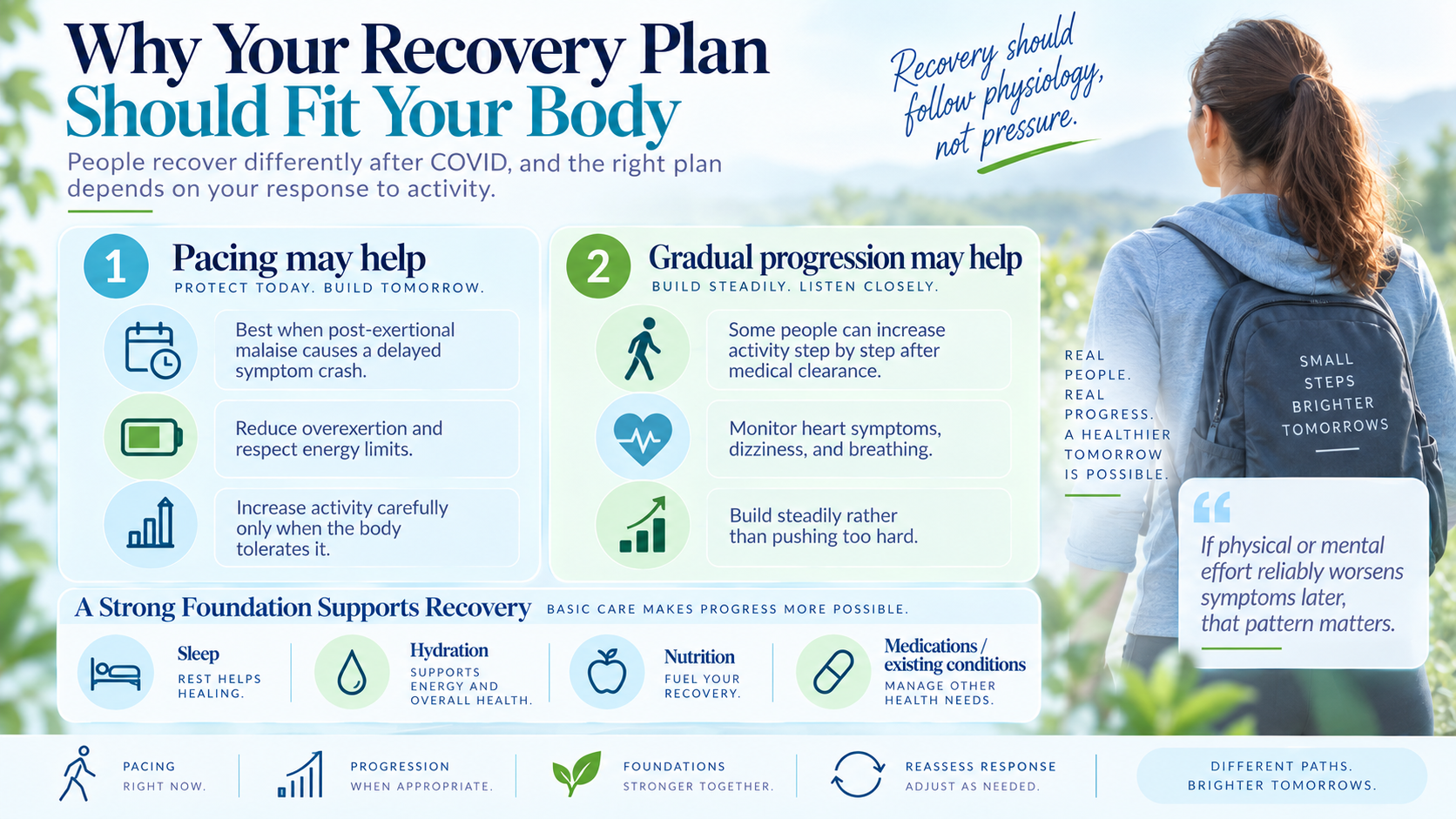
Two people can have the same infection and need very different recovery plans. Some can safely return to activity step by step once a clinician has cleared concerning symptoms. Others have post-exertional malaise (PEM): physical or mental effort can make symptoms worse later, sometimes the next day. If that happens to you, pushing through a routine exercise plan can worsen symptoms. Pacing and appropriately tailored support matter. The CDC describes PEM and symptom-focused management.
I would also want to understand how you are eating, sleeping, hydrating, taking prescribed medications, and managing existing conditions such as high blood pressure or diabetes. Those are concrete opportunities to support health while your medical team addresses any diagnosed disease. Extra salt, aggressive hydration, supplements, or exercise are not safe choices for everyone, particularly with some heart, kidney, or blood-pressure conditions.
Where Functional Medicine Fits Into Your Recovery
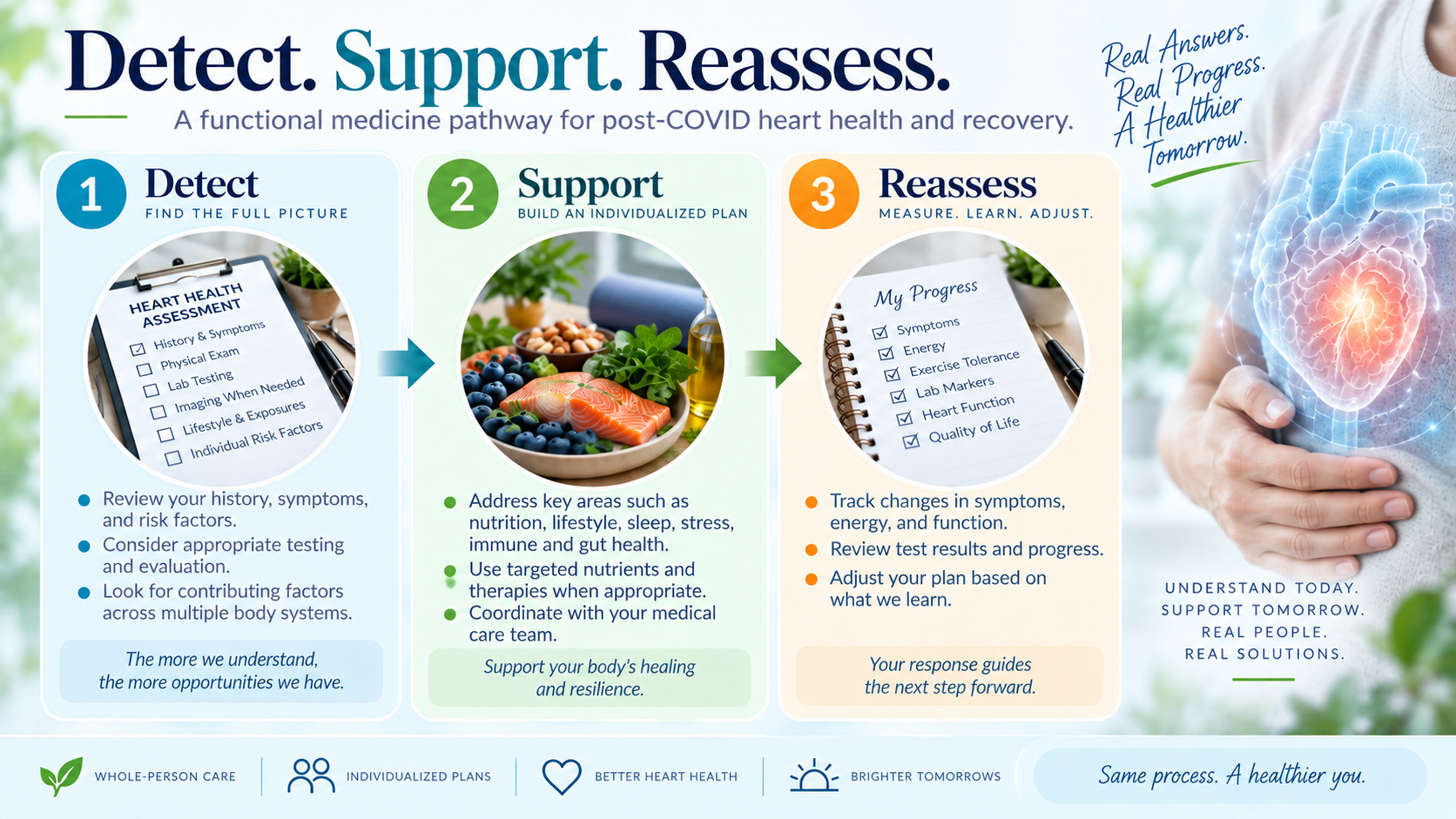
If you have a clear diagnosis, it tells us what has been identified. It may not explain every factor affecting your day-to-day recovery. This is where my functional medicine work can add value: I review your symptoms and medical records together with cardiovascular risks, existing thyroid or autoimmune disease, nutrition, medication effects, sleep, blood-sugar patterns, and your response to activity. The aim is to identify real priorities you and your medical team can act on, not to assume spike protein is the cause or to order every available specialty test.
In a telemedicine consultation, I can review the sequence of your symptoms, existing diagnoses, records and relevant labs, medications, nutrition, sleep, digestive concerns, thyroid or autoimmune history, and how you respond to activity. We can identify reasonable questions for your medical team and focus on supportive changes that fit your situation. I do not assume that COVID-19 caused autoimmunity, that a gut test explains a heart symptom, or that one protocol will work for everyone.
Understand what is happening
Review your timeline, symptoms, medical findings, and meaningful questions about circulation, autonomic function, nutrition, metabolism, and existing conditions.
Build a focused plan
Prioritize realistic nutrition, sleep, pacing, and lifestyle support around your findings and the care your medical clinicians recommend.
Learn from your response
Review symptoms, function, and relevant follow-up findings. Keep what helps, reconsider what does not, and involve your medical team when something changes.
What Can You Do Next?
- Address urgent symptoms first. Call 911 for emergency warning signs; contact a medical clinician promptly for new or persistent cardiovascular symptoms.
- Write down your timeline. Note when COVID occurred, when symptoms started, what makes them better or worse, and whether exertion causes a delayed setback.
- Bring together your records. Include diagnoses, prescribed medications, test results, and relevant heart-rate or blood-pressure observations.
- Ask what has been assessed. Work with your medical team to identify which possible causes need evaluation, rather than guessing from symptoms.
- Choose support you can reassess. Consider nutrition, sleep, and the right level of activity for your symptom pattern, then track what actually changes.
Want Help Understanding the Bigger Picture?
If you are dealing with lingering symptoms after COVID-19, especially alongside thyroid, autoimmune, digestive, or metabolic concerns, I can help you review the information you already have and consider what deserves attention next. My functional medicine consulting is provided through telemedicine and is designed to work alongside your existing medical care, not replace a cardiologist or emergency evaluation.
Here is how to get started: Complete an Application for Care. I will review your information, and if I believe my consulting services may be a good fit, you will receive a private link to schedule. Applying does not guarantee acceptance or a particular health outcome.
Frequently Asked Questions
Can COVID-19 affect your heart?
Yes. COVID-19 is associated with blood clots, heart inflammation, heart rhythm problems, and other cardiovascular complications. Your individual risk varies with your health history, illness severity, and other factors.
What heart symptoms after COVID-19 need emergency care?
Call 911 for new or severe chest pain or pressure, severe shortness of breath, fainting with concerning symptoms, stroke signs, blue or gray lips, or coughing up blood. A fast or irregular heartbeat with chest pain, fainting, or severe dizziness also needs emergency attention.
Why is my heart racing or pounding after COVID?
Palpitations can have several causes, including a heart rhythm problem, autonomic dysfunction, anemia, thyroid changes, dehydration, or medication effects. A medical evaluation helps determine which explanation fits your symptoms.
Can you have Long COVID even if routine heart tests are normal?
Yes. Some people have persistent post-COVID symptoms even when initial routine tests are normal. Normal results do not identify the cause of every symptom, and follow-up should be guided by your history and examination.
What is post-exertional malaise after COVID?
Post-exertional malaise is a worsening of symptoms after physical or mental effort, sometimes delayed by 12 to 48 hours. If you have this pattern, pacing may be more appropriate than pushing through a standard exercise program.
Does COVID-19 cause autoimmune disease?
COVID-19 can affect immune function, and researchers are studying its relationship with autoimmune conditions. Persistent symptoms alone do not prove that you have an autoimmune disease; diagnosis depends on your history and appropriate medical evaluation.
Does the coronary-plaque study mean COVID infects everyone’s arteries?
No. The 2023 study examined coronary tissue from eight people who died after severe COVID-19 early in the pandemic. It suggests a possible mechanism in that setting, not a finding that can be applied to every person who has been infected.
Should I start aspirin, supplements, or an intense exercise program after COVID?
Do not start aspirin to prevent COVID-related cardiovascular problems without medical advice because bleeding risks matter. Supplements do not replace proven care. Get individualized guidance before increasing activity, especially if you have cardiac symptoms or post-exertional malaise.
How can functional medicine support recovery after COVID?
Functional medicine can help review your history, existing medical findings, nutrition, sleep, medications, metabolic health, and activity response to build an individualized supportive plan. It complements appropriate medical diagnosis and treatment; it is not a proven substitute for cardiovascular care.
How do I arrange a telemedicine consultation with Dr. Shook?
Complete the Application for Care. Dr. Shook reviews your information and, if your needs are a good fit for his functional medicine consulting, sends a private scheduling link. Emergency and active cardiac problems require appropriate medical care.
Can spike protein damage blood vessels or affect clotting?
Laboratory and animal studies show ways the SARS-CoV-2 spike protein can interact with fibrin and inflammatory pathways. These findings support a possible mechanism during infection, but they do not establish that every post-COVID symptom is caused by circulating spike or that a specific detox treatment works.
Can spike protein remain after COVID-19 infection?
Some studies have detected SARS-CoV-2 antigens months after infection, including in people who fully recovered. Two 2026 longitudinal studies found that circulating antigens did not reliably distinguish people with Long COVID from recovered participants. There is no validated routine blood spike test that determines treatment.
Does a positive spike-protein test prove I have Long COVID?
No. A positive result does not establish the cause of your symptoms, and there is no definitive blood test for Long COVID. Your symptoms, medical history, examination, and targeted evaluation guide clinical decisions.
Can COVID-19 cause autoantibodies?
Yes, research has identified autoantibodies after SARS-CoV-2 infection, and 2026 experimental work suggests some may contribute to symptoms in certain people. Autoantibodies do not automatically mean you have a diagnosed autoimmune disease.
Can COVID-19 vaccination cause myocarditis?
Rare cases of myocarditis and pericarditis are recognized after COVID-19 vaccination, particularly among adolescent and young adult males shortly after an mRNA dose. Chest pain, shortness of breath, or palpitations after vaccination or infection warrant medical assessment.
Is nattokinase, bromelain, and curcumin a proven spike-detox treatment?
No. A proposed supplement combination has not been shown in adequate clinical trials to clear spike protein, treat Long COVID, or prevent cardiovascular events. Supplements can interact with medications and may increase bleeding risk.
Does extended Paxlovid treat Long COVID?
The NIH-funded RECOVER-VITAL trial published in August 2026 found no improvement in its main outcomes with 15 or 25 days of nirmatrelvir-ritonavir versus placebo in the groups studied. Treatment of a new acute COVID-19 infection is a separate decision.
Can COVID-19 trigger an autoimmune disease?
COVID-19 has been associated with a higher rate of some newly recorded autoimmune diagnoses, especially after more severe infection. Molecular mimicry is one possible explanation, but it does not establish the cause of an individual diagnosis.
What did Vojdani find about COVID-19 antibodies and human tissue?
In a 2021 laboratory study, antibodies against SARS-CoV-2 proteins reacted with 28 of 55 tested human tissue antigens, including thyroid, gut, barrier, and neural targets. Laboratory cross-reactivity does not by itself prove tissue injury or autoimmune disease.
Can spike protein damage blood vessels without live virus?
Cell and isolated-vessel experiments show that spike protein can alter endothelial signaling even without productive viral infection in the experimental system. Whether this explains a particular person’s symptoms requires clinical assessment and further research.
What is the spike protein, interferon, and ISG15 connection?
A 2026 study found that spike S1 and interferons activated ISG15-related inflammation in endothelial cells and impaired relaxation in isolated mouse vessels. It identifies a possible vascular mechanism, not an established test or treatment for Long COVID.
Should I get a molecular mimicry or autoimmune antibody panel after COVID?
Not routinely just because you had COVID-19. Testing should address your history, symptoms, and findings, with a clinician selecting and interpreting established tests when an autoimmune or clotting disorder is genuinely suspected.
Sources and Further Reading
- Eberhardt N, et al. SARS-CoV-2 infection triggers pro-atherogenic inflammatory responses in human coronary vessels. Nature Cardiovascular Research. 2023. Human autopsy and laboratory study; limited to severe early-pandemic cases.
- Impact of vaccination on the association of COVID-19 with cardiovascular diseases: An OpenSAFELY cohort study. Nature Communications. 2024. Observational population research across vaccination and variant eras.
- Covid-19 and cardiovascular disease in a total population-study of long-term effects, social factors and Covid-19-vaccination. Nature Communications. 2025. Observational study of Swedish adults aged 40 to 75.
- CDC: Long COVID Clinical Guidance. Updated 2026. Evaluation, individualized management, and post-exertional malaise.
- American College of Cardiology: Cardiovascular Consequences of COVID-19. 2022 expert consensus overview. Medical assessment guided by symptoms and findings.
- 2026 long COVID mechanisms review. Communications Medicine (2026). Review covering viral persistence, immune, vascular, and autonomic hypotheses.
- Spike, fibrin, and inflammation study. Nature (2024). Mechanistic laboratory, animal, and human-tissue findings; not a supplement trial.
- Blinded two-year SARS-CoV-2 antigenemia cohort. Clinical Microbiology and Infection (2026). Longitudinal study involving 425 adults.
- ORCHESTRA antigenemia cohort. Clinical Microbiology and Infection (2026). Longitudinal study involving 200 participants; assay limitations.
- Immune activation in Long COVID. Nature Immunology (2026). Small observational immune-profiling cohort.
- Autoantibodies and neurological symptoms after COVID. Cell (2026). Human antibody analyses and experimental transfer into mice.
- CDC vaccine safety, myocarditis, and Novavax considerations. CDC (2025). Rare myocarditis and pericarditis; evaluation of symptoms.
- Circulating spike in post-vaccine myocarditis. Circulation (2023). Small observational mechanistic study.
- Infection and vaccination cardiovascular outcomes. npj Vaccines (2026). Large observational comparison, subject to observational limitations.
- RECOVER-VITAL randomized clinical trial. The Lancet Infectious Diseases (August 31, 2026). No primary-outcome benefit from 15 or 25 days of nirmatrelvir-ritonavir.
- WHO hydroxychloroquine review. WHO (2025). Randomized evidence on prevention and treatment.
- WHO: Therapeutics and COVID-19, living guideline. August 2025. Includes evidence-based recommendations on ivermectin.
- Hulscher N, Procter BC, Wynn C, McCullough PA. Clinical Approach to Post-acute Sequelae After COVID-19 Infection and Vaccination. Cureus (2023). Narrative review proposing spike-related mechanisms and a candidate supplement combination; not an efficacy trial.
- Tanikawa T, et al. Degradative Effect of Nattokinase on Spike Protein of SARS-CoV-2. Molecules (2022). Laboratory experiments with spike-expressing cell preparations, not a human treatment study.
- Decoding long COVID-associated cardiovascular dysfunction: Mechanisms, models, and new approach methodologies. Journal of Molecular and Cellular Cardiology (2025). Mechanistic review of immune, vascular, and cardiovascular pathways.
- Vojdani A, et al. Reaction of Human Monoclonal Antibodies to SARS-CoV-2 Proteins With Tissue Antigens: Implications for Autoimmune Diseases. Frontiers in Immunology (2021). Laboratory antibody cross-reactivity with 28 of 55 tissue antigens; not a clinical outcome study.
- On the molecular determinants of the SARS-CoV-2 attack. 2020 sequence analysis of spike and surfactant-related proteins; proposed molecular mimicry requiring biological confirmation.
- Muir KC, et al. Cellular and Molecular Mechanisms of SARS-CoV-2 Spike Protein-Induced Endothelial Dysfunction. Cells (January 2026). Mechanistic review covering cell, animal, and translational vascular evidence.
- Rios FJ, et al. Spike 1 protein of SARS-CoV-2 induces endothelial inflammation and vascular dysfunction through interferon ISG15-dependent mechanisms. Cardiovascular Research (May 2026). Endothelial-cell and isolated-mouse-vessel experiments.
- Autoimmunity to annexin A2 predicts mortality among hospitalised COVID-19 patients. European Respiratory Journal (2021). Hospitalized-patient association, not proof of causation.
- COVID-19 and antiphospholipid antibodies: APS ACTION position statement and management guidance. Expert consensus: interpretation, persistence, and clinical relevance of antibody findings.
- Severity of acute SARS-CoV-2 infection and risk of new-onset autoimmune disease: A RECOVER initiative study in nationwide U.S. cohorts. PLOS ONE (2025). Observational US health-record research; not proof of individual causation.