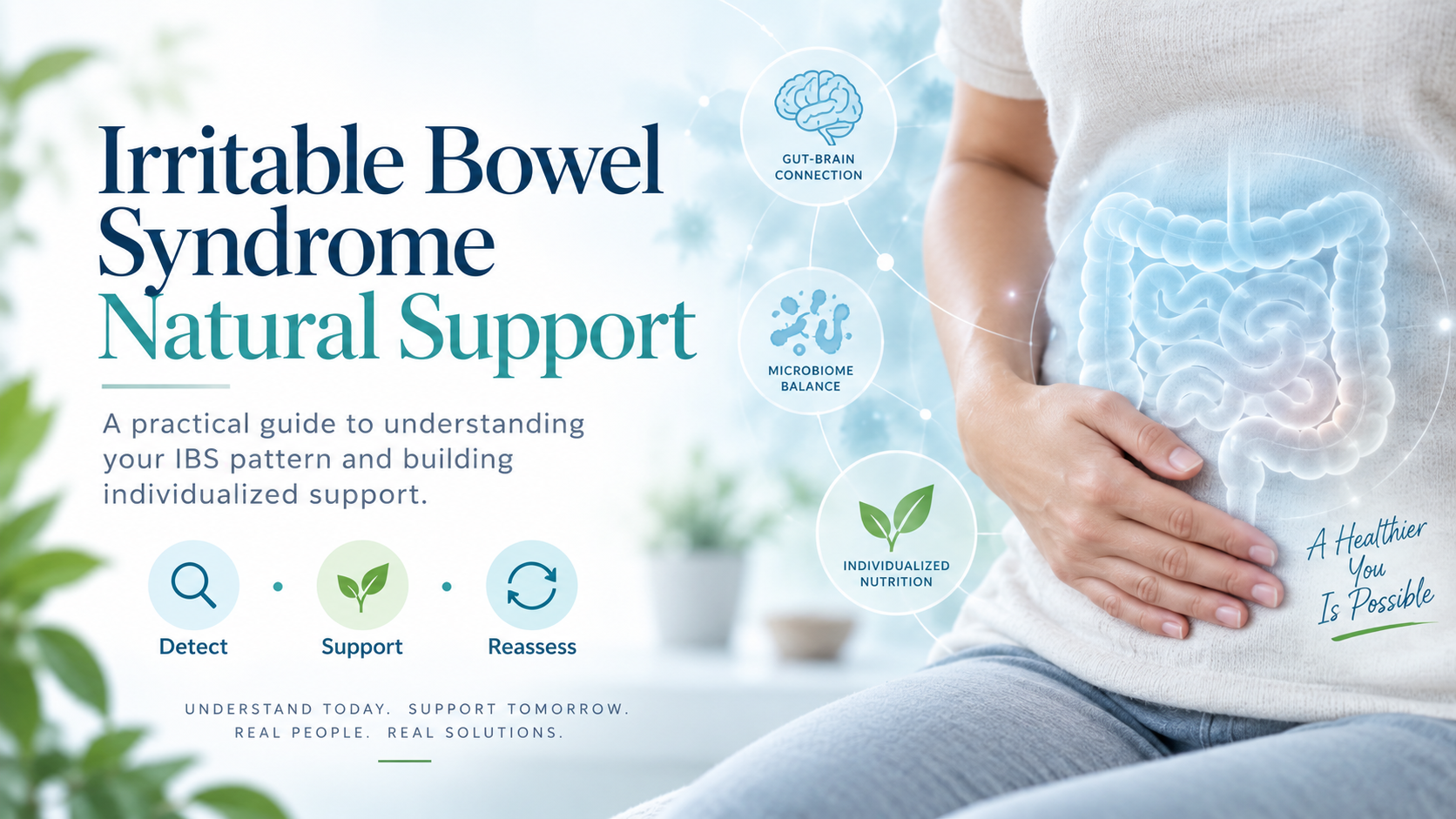
You Do Not Have to Accept “Everything Looks Normal” as the End of the Conversation
A normal colonoscopy does not make your pain, bloating, constipation, diarrhea, or urgency less real. It tells us something important, but it does not explain everything about how your digestive system is functioning.
IBS is now described as a disorder of gut-brain interaction. That language matters. Your digestive tract and nervous system are constantly communicating. Changes in intestinal sensitivity, muscle contractions, immune signaling, food fermentation, stress physiology, and the way the brain processes signals from the gut can all influence how you feel.
This is where many people discover a new opportunity. Conventional medicine is essential for identifying disease, ruling out danger, and providing treatments that can reduce symptoms and protect health. Functional medicine can then help us ask a different set of questions about the patterns and physiological relationships that may be keeping symptoms active.
This is not a choice between two systems. It is a chance to use each for what it does well: medical care for diagnosis, safety, and disease-specific treatment, and functional medicine for a more detailed exploration of the person, the pattern, and the broader physiological context.
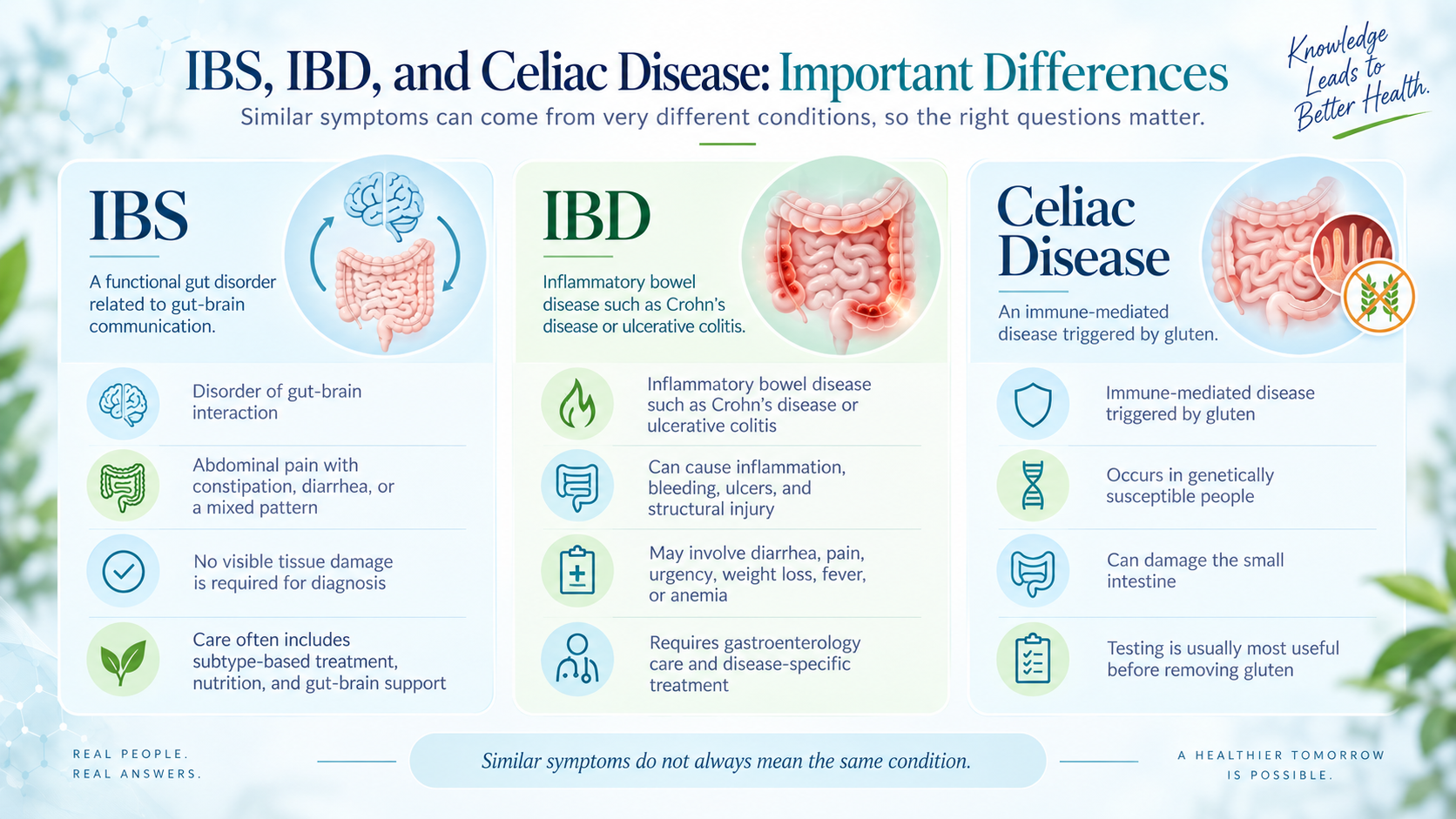
IBS Is Not the Same as IBD
The names sound similar, but irritable bowel syndrome and inflammatory bowel disease are different conditions. Understanding that difference can change both the urgency and the treatment plan.
| Question | IBS | IBD |
|---|---|---|
| What is it? | A disorder of gut-brain interaction involving sensitivity, motility, and bowel function. | Inflammatory disease, primarily Crohn's disease or ulcerative colitis, that can injure the digestive tract. |
| Is visible damage expected? | No visible tissue damage is required for diagnosis. | Inflammation, ulcers, bleeding, or structural damage may be found. |
| Common symptoms | Abdominal pain, bloating, constipation, diarrhea, or a mixed pattern. | Diarrhea, bleeding, pain, urgency, weight loss, fever, fatigue, or anemia, although presentations vary. |
| Core care | Positive diagnosis, subtype-based treatment, nutrition, gut-brain support, and individualized symptom management. | Gastroenterology care and disease-specific medical treatment to control inflammation and prevent complications. |
Celiac disease is different again. It is an immune-mediated disease triggered by gluten in genetically susceptible people. If celiac disease is a possibility, testing is usually most informative before removing gluten from the diet.
What IBS Can Tell Us About the Gut-Brain System
When the digestive tract becomes more sensitive, normal amounts of gas or stretching can feel painful. When bowel contractions speed up, diarrhea and urgency may follow. When they slow down, constipation, pressure, and incomplete evacuation can become the dominant pattern.
That does not mean IBS is “all in your head.” It means the nervous system, the intestinal muscles, microbial fermentation, immune signals, sleep, stress, and prior experiences can influence one another. A person can have a normal-looking bowel and still have meaningful changes in how that bowel senses, moves, and communicates.
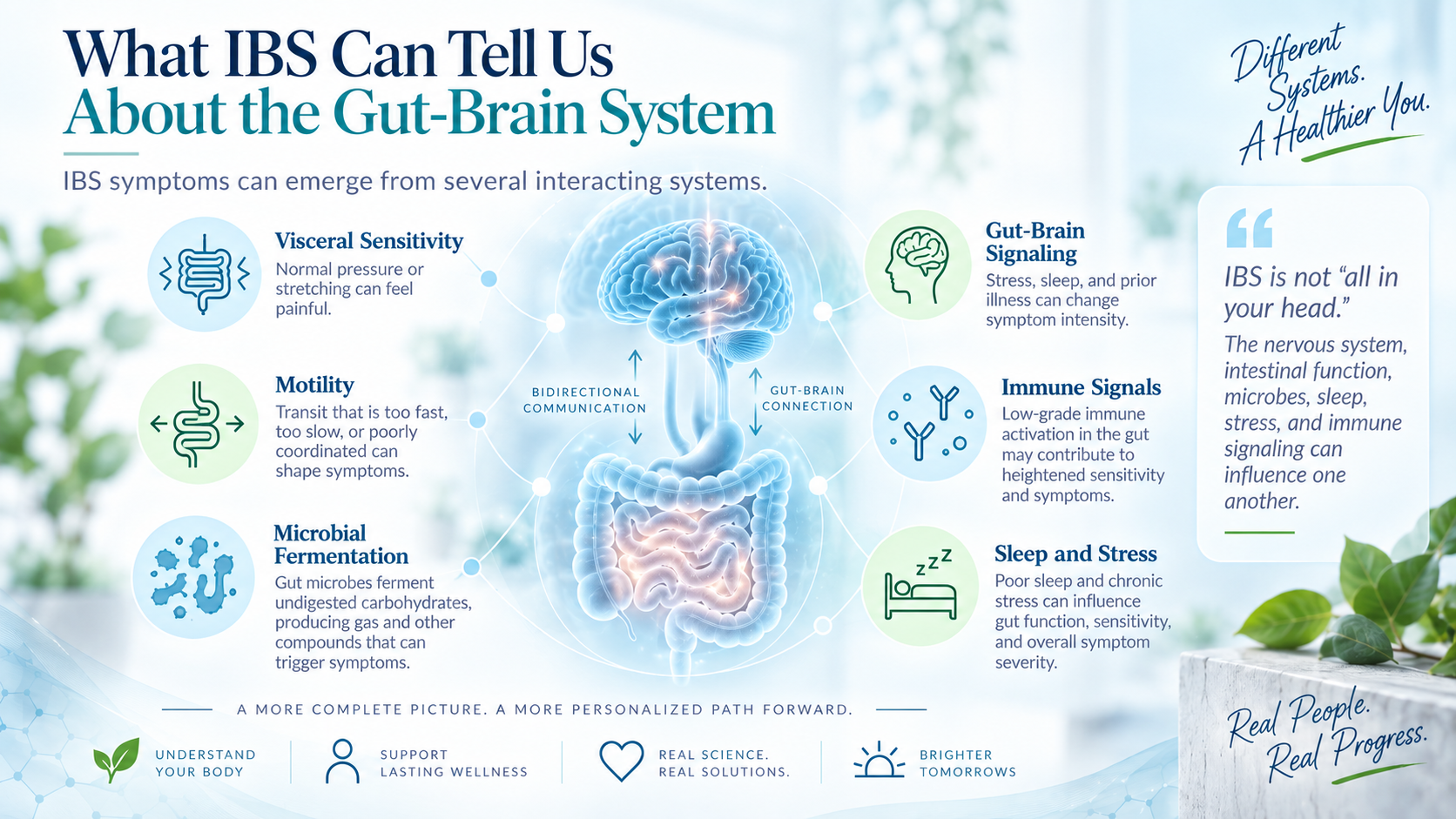
Visceral sensitivity
The nervous system may interpret normal intestinal pressure or movement as uncomfortable or painful.
Motility
Transit that is too fast, too slow, or poorly coordinated can shape bowel frequency and consistency.
Gut-brain signaling
Stress, sleep, prior illness, and learned neural patterns can raise or lower the volume of symptoms.
Your Bowel Pattern Changes the Plan
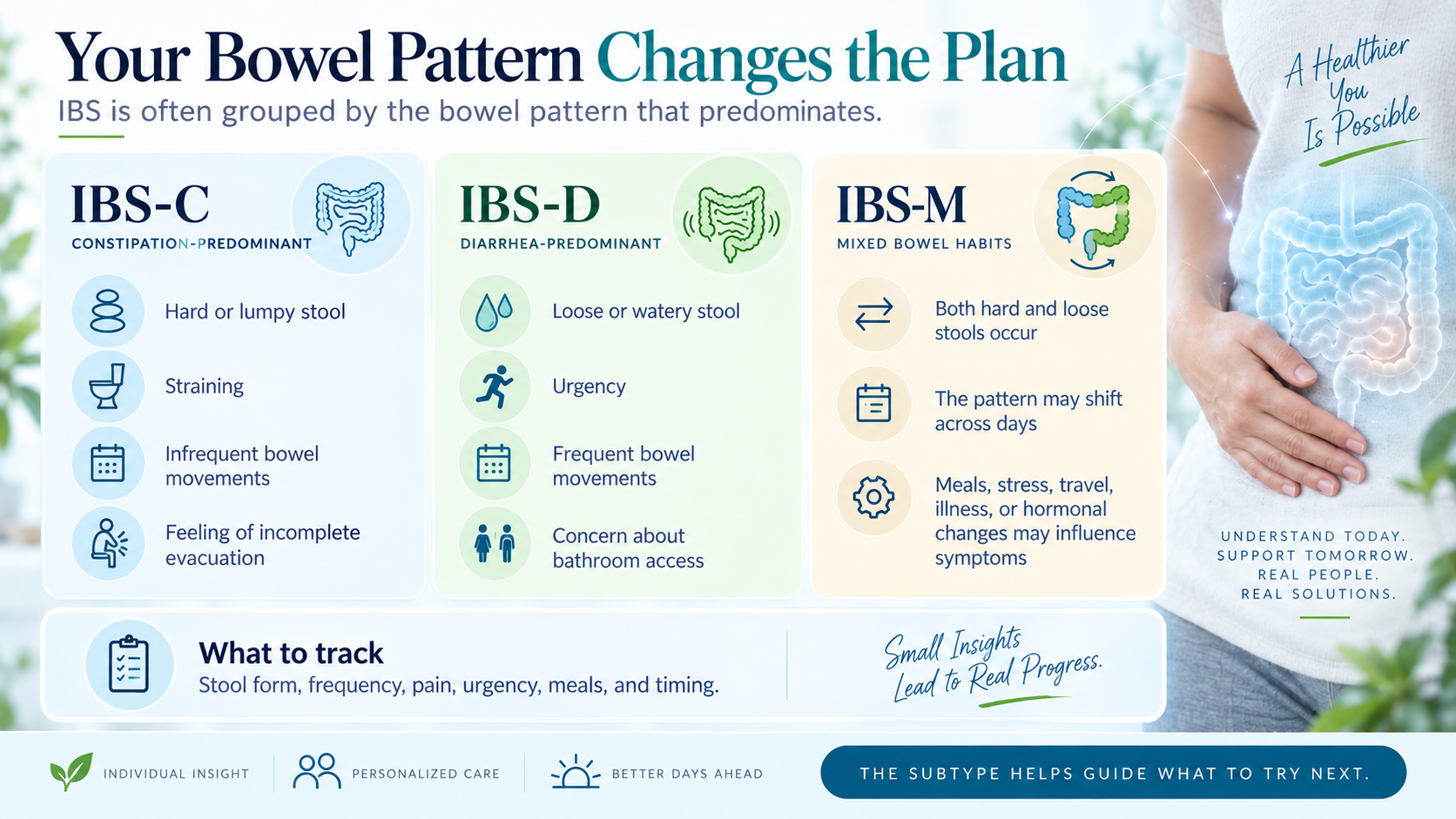
IBS is commonly grouped by the bowel pattern that predominates. That distinction is practical because an intervention that helps diarrhea can worsen constipation, and the reverse is also true.
Constipation-predominant
Hard or lumpy stool, straining, infrequent bowel movements, or a feeling of incomplete evacuation are common.
Diarrhea-predominant
Loose or watery stool, urgency, frequent bowel movements, and concern about access to a bathroom may dominate.
Mixed bowel habits
Both hard and loose stools occur. The pattern may change across days, meals, hormonal shifts, travel, illness, or stress.
Some people also have pelvic floor dysfunction, bile acid diarrhea, lactose or other carbohydrate intolerance, endometriosis, medication effects, thyroid disease, or another condition that overlaps with an IBS pattern. That is why the label should begin a thoughtful process rather than end one.
What Should Be Ruled Out Before You Assume It Is IBS?
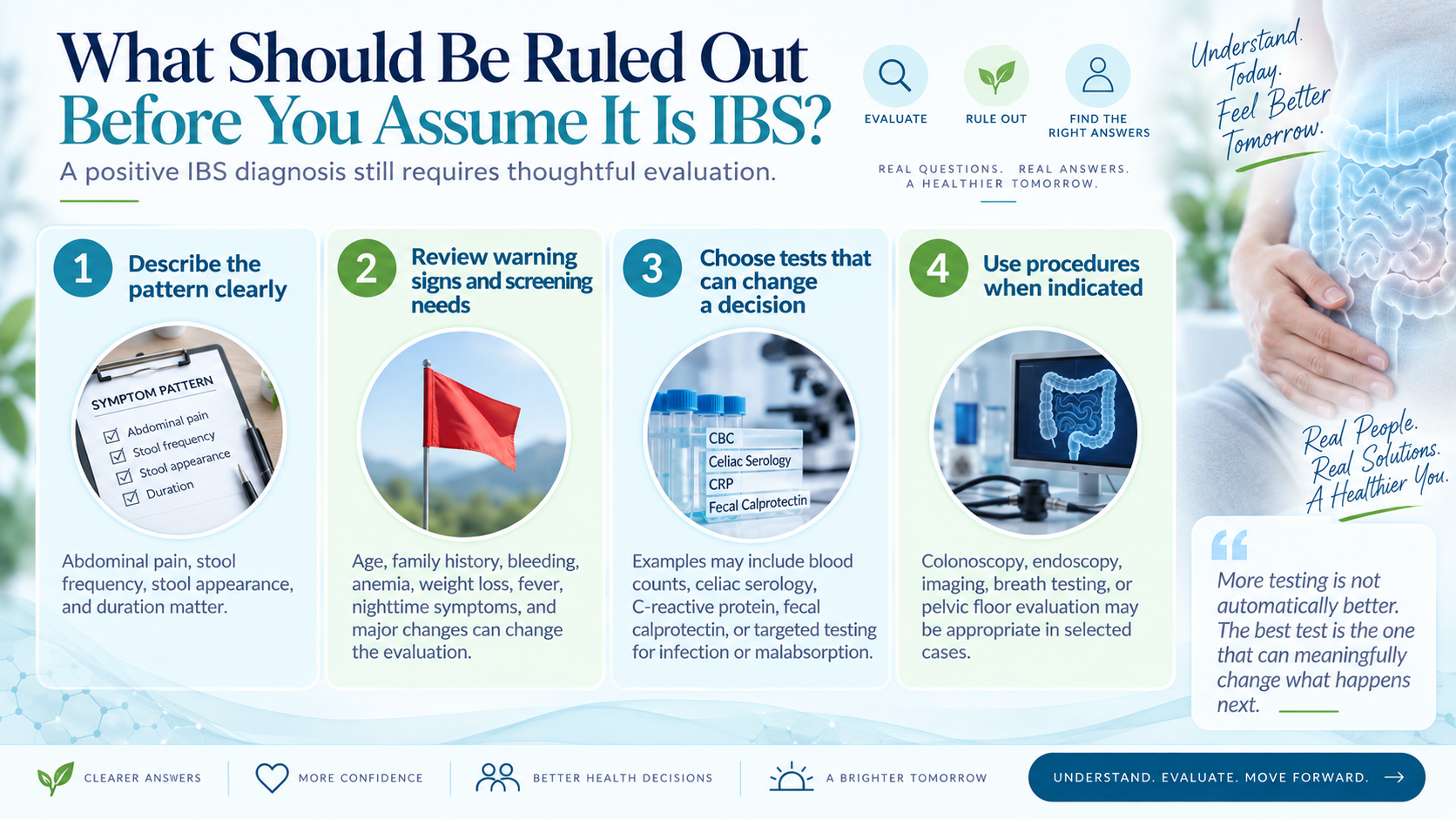
A clinician can often make a positive diagnosis of IBS from the history, symptom pattern, physical examination, and a limited number of carefully selected tests. The goal is not to test for everything. It is to investigate the alternatives that are plausible in your case.
Describe the pattern clearly
Abdominal pain is central to IBS. Record how it relates to bowel movements, changes in stool frequency or appearance, and how long the pattern has been present.
Review warning signs and screening needs
Age, family history, rectal bleeding, anemia, weight loss, fever, nighttime symptoms, and a meaningful change from your usual pattern can change the evaluation.
Choose tests that can change a decision
Depending on the presentation, testing may include blood counts, celiac serology, C-reactive protein or fecal calprotectin for diarrhea, and targeted studies for infection, malabsorption, or another suspected condition.
Use procedures when they are indicated
Colonoscopy, endoscopy, imaging, breath testing, or pelvic floor testing can be valuable when the history, screening schedule, or initial findings point in that direction.
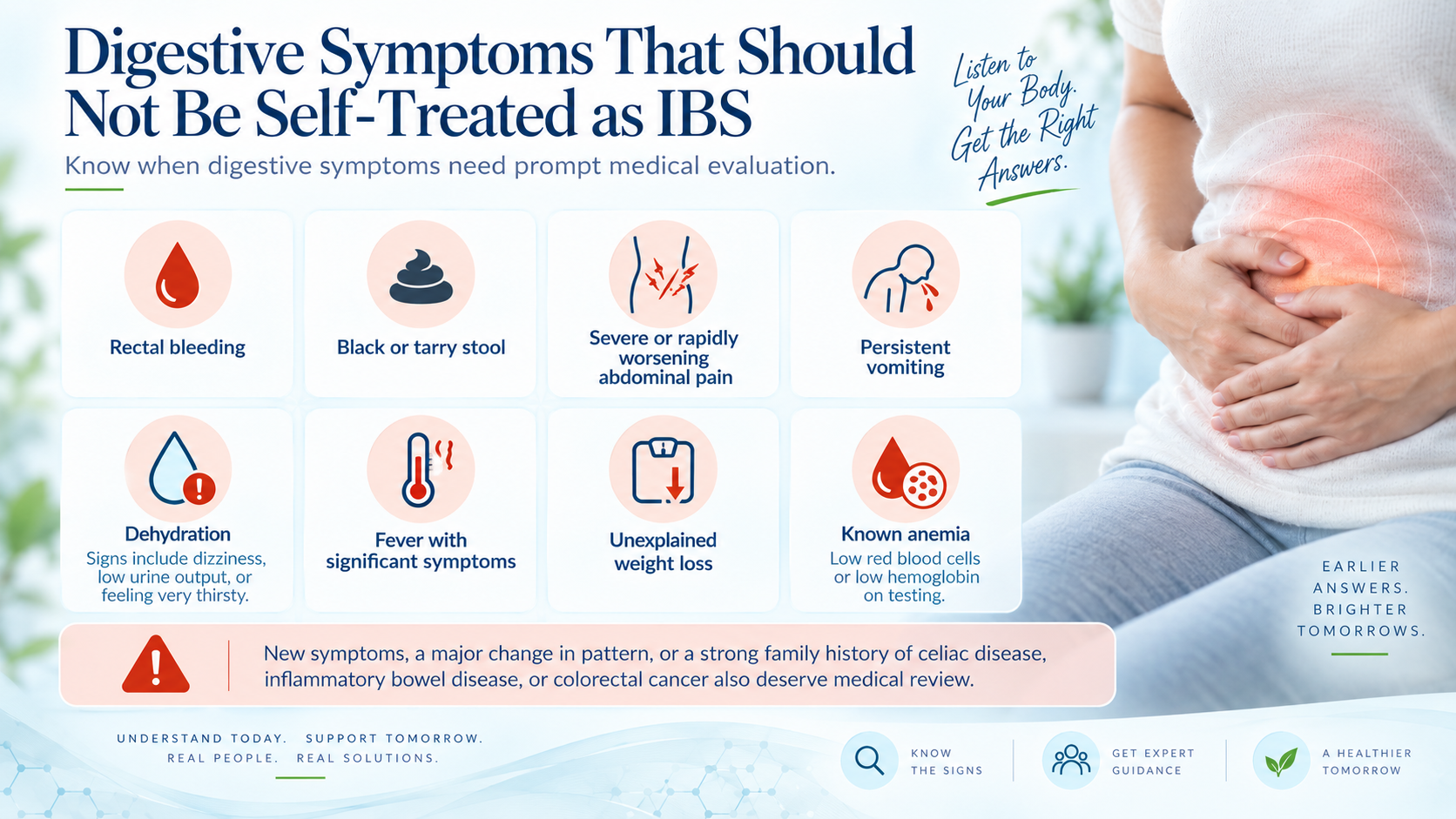
Symptoms that should not be self-treated as IBS
Seek prompt medical care for rectal bleeding, black or tarry stool, fainting, severe or rapidly worsening abdominal pain, persistent vomiting, dehydration, fever with significant symptoms, unexplained weight loss, or known anemia. New symptoms, a major change in pattern, or a strong family history of celiac disease, inflammatory bowel disease, or colorectal cancer also deserve medical review.
Evidence-Based IBS Care Has More Than One Door
There is no single treatment that works for everyone with IBS. A good plan is built around the bowel pattern, the most disruptive symptoms, personal preferences, other health conditions, and what has already been tried.
Food and fiber
Soluble fiber such as psyllium may help global IBS symptoms. A limited low-FODMAP trial can help some people, but it should lead to reintroduction and personalization rather than permanent broad restriction.
Gut-brain therapies
Gut-directed cognitive behavioral therapy, hypnotherapy, relaxation training, and related approaches can reduce symptom intensity. They work with physiology and do not imply that symptoms are imaginary.
Medication
Medical options differ for IBS-C and IBS-D and may address constipation, diarrhea, pain, or motility. Your prescribing clinician can help weigh benefits, risks, interactions, and contraindications.
Movement, sleep, and routine
Regular physical activity, consistent sleep, hydration, meal timing, and enough recovery can change bowel function and symptom resilience over time.
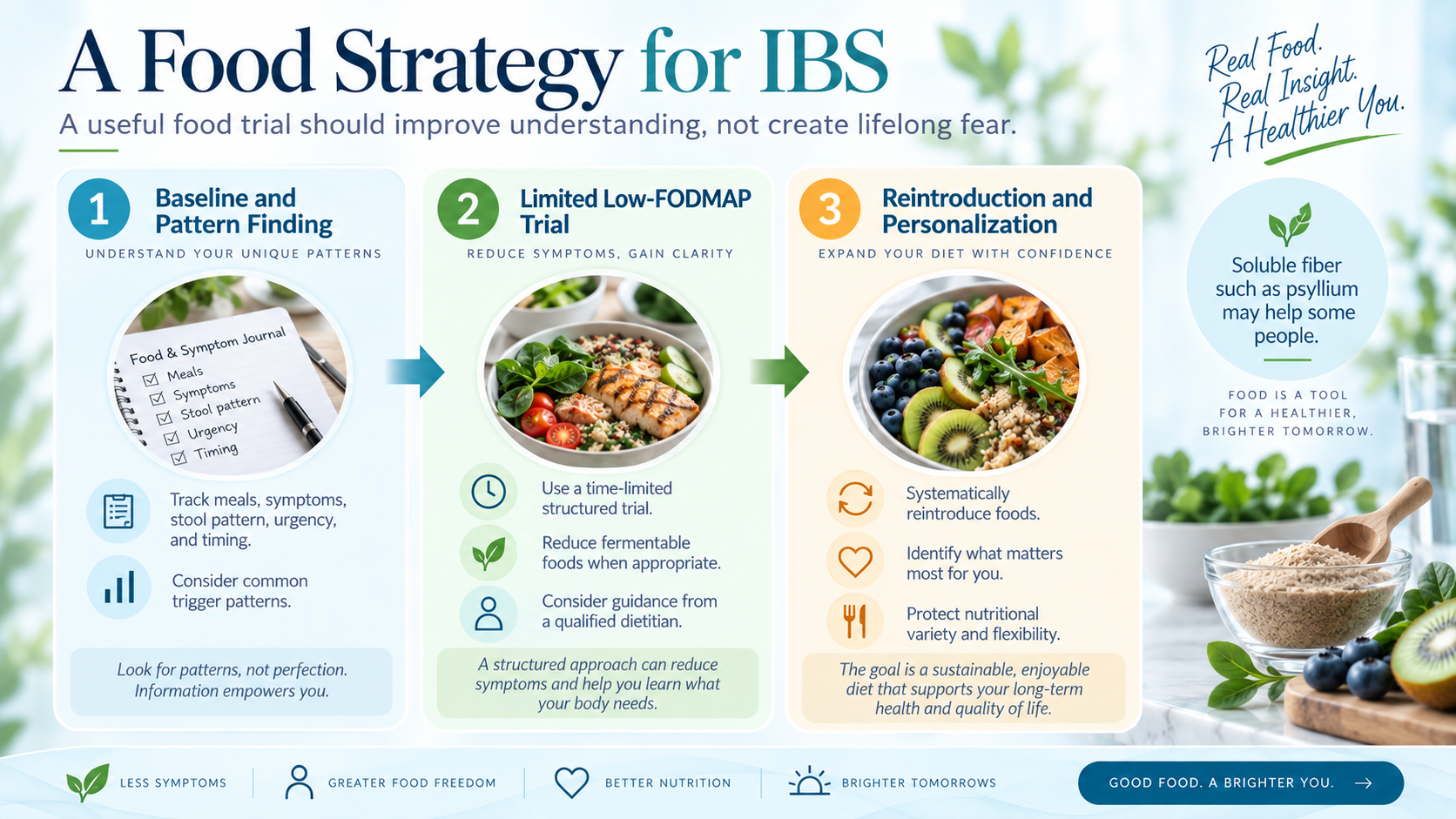
Be cautious with one-size-fits-all protocols. Probiotics, digestive enzymes, peppermint oil, magnesium, herbs, antimicrobials, and other supplements can be appropriate in selected situations, but they can also worsen symptoms or interact with medications. Product, dose, goal, duration, and response all matter.
The Functional Medicine Opportunity: Become a Better Student of Your Physiology
Many people arrive at functional medicine after they have been told what their condition is, but still do not understand why their symptoms change from week to week. They may have tried removing foods, adding supplements, or chasing isolated laboratory findings without ever seeing the whole case organized in one place.
This is where a systems-biology approach can be especially helpful. Instead of assuming that every person with IBS has the same root cause, we build a timeline and ask which mechanisms are most plausible for this person.
Did symptoms begin after food poisoning, antibiotics, a major illness, travel, pregnancy, surgery, or a stressful season? Is constipation the primary problem, or does diarrhea dominate? Are meals, sleep, the menstrual cycle, medications, or certain carbohydrates consistently related to flares? Is there evidence that another condition needs medical attention first?
The deeper value of this process is not the promise of a perfect test. It is the opportunity to connect observations, prioritize the highest-value questions, make a focused change, and learn from the response.
Understand the pattern
Organize symptoms, stool pattern, medical findings, diet, medications, infections, sleep, stress physiology, movement, hormones, and relevant exposures.
Choose a focused plan
Use the smallest set of nutrition, lifestyle, medical, and supplemental strategies that fits the current priorities.
Let the response teach us
Track pain, bloating, stool form, frequency, urgency, food tolerance, function, and quality of life before deciding what comes next.
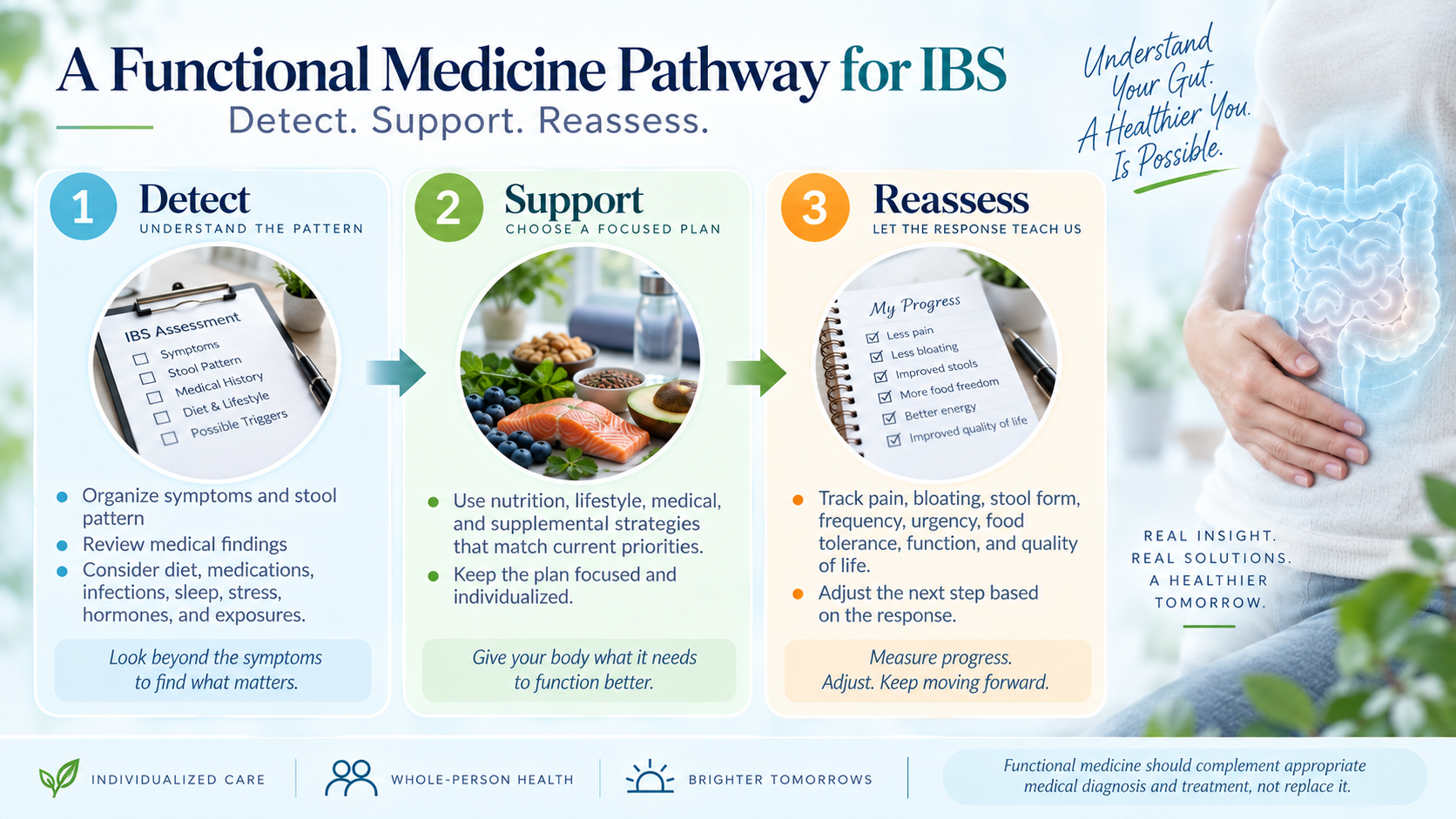
Functional medicine should not replace gastroenterology, colorectal cancer screening, celiac testing, IBD treatment, or urgent care. It offers a complementary way to study the relationships that standard appointments may not have time to explore in depth.
Would a More Complete Review of Your IBS Story Help?
If you have been cycling through food restrictions, supplements, and disconnected recommendations without a clear strategy, you can tell me what has been happening. I personally review applications to determine whether my one-on-one telemedicine consulting process is a good fit. We will look at the case as a whole while respecting the role of your physician, gastroenterologist, and other members of your care team.
A Practical Starting Plan
Make the pattern visible
For two weeks, track abdominal pain, bloating, stool form, frequency, urgency, meals, sleep, medication and supplement timing, menstrual timing if relevant, and major stressors.
Confirm the medical foundation
Discuss the diagnosis, warning signs, family history, screening schedule, subtype, and any indicated testing with your medical clinician.
Choose one meaningful intervention
Start with the option that best matches the pattern, such as soluble fiber, meal regularity, a structured low-FODMAP trial, gut-directed therapy, pelvic floor evaluation, or medical treatment.
Define what improvement means
Choose measurable goals, such as fewer urgent episodes, easier bowel movements, less pain after meals, broader food tolerance, or more confidence leaving home.
Reassess before adding more
Review what changed, what did not, and whether the next step should be continued, adjusted, stopped, or investigated further.
Frequently Asked Questions
What is irritable bowel syndrome?
Irritable bowel syndrome is a disorder of gut-brain interaction that causes recurring abdominal pain with changes in bowel movements. The bowel may be more sensitive and its contractions may change, but IBS does not produce the visible tissue damage found in inflammatory bowel disease.
What is the difference between IBS and IBD?
IBS affects gut-brain signaling, sensitivity, and bowel function without visible damage. Inflammatory bowel disease, including Crohn's disease and ulcerative colitis, causes measurable inflammation and can damage the digestive tract. IBD requires medical evaluation and disease-specific treatment.
Can IBS be diagnosed without a colonoscopy?
Often, yes. A clinician may make a positive IBS diagnosis from the symptom pattern, history, examination, and selected tests. Colonoscopy is used when age, screening needs, warning signs, family history, or other findings make it appropriate.
What tests may be useful for IBS?
Testing should follow the history and bowel pattern. Depending on the case, a clinician may consider blood counts, celiac testing, inflammatory markers or fecal calprotectin for diarrhea, targeted stool testing after a relevant exposure, breath testing, thyroid testing, or evaluation for pelvic floor dysfunction. Not everyone needs every test.
Does a low-FODMAP diet help IBS?
A limited low-FODMAP trial can improve symptoms for some people with IBS. It should be followed by structured reintroduction and personalization so the diet does not remain unnecessarily restrictive. Guidance from a qualified dietitian can make the process safer and more useful.
Are probiotics helpful for IBS?
Probiotic research in IBS is mixed, and benefits cannot be assumed across all strains and products. A time-limited, goal-directed trial may be reasonable for some people, but the product, response, cost, and any worsening of symptoms should be reviewed.
Can stress cause IBS symptoms?
Stress can amplify pain sensitivity, bowel motility, sleep disruption, and symptom flares through the gut-brain system, but this does not mean symptoms are imagined. Gut-directed psychotherapy, relaxation training, sleep support, and other nervous-system strategies can be legitimate parts of care.
Can IBS begin after an infection?
Yes. Some people develop post-infectious IBS after bacterial, viral, or parasitic gastroenteritis. The original infection may be gone while changes in sensitivity, motility, immune signaling, or the microbiome continue to influence symptoms.
When should IBS symptoms be evaluated urgently?
Seek prompt medical care for rectal bleeding, black or tarry stool, fainting, severe or rapidly worsening abdominal pain, persistent vomiting, dehydration, fever with significant symptoms, unexplained weight loss, or anemia. New or changing symptoms also deserve medical review.
How can functional medicine support someone with IBS?
Functional medicine can organize the symptom timeline, bowel pattern, diet, medications, sleep, stress physiology, post-infectious history, metabolic and hormonal context, and selected testing into an individualized plan. It should complement appropriate medical diagnosis and treatment, not replace it.
Sources and Further Reading
- National Institute of Diabetes and Digestive and Kidney Diseases: Definition and Facts for Irritable Bowel Syndrome. IBS definition, gut-brain interaction, and bowel-pattern subtypes.
- NIDDK: Diagnosis of Irritable Bowel Syndrome. Symptom criteria, warning signs, medical history, and selected testing.
- NIDDK: Treatment for Irritable Bowel Syndrome. Diet, lifestyle, medication, probiotics, and gut-directed mental health therapies.
- Lacy et al. ACG Clinical Guideline: Management of Irritable Bowel Syndrome. American Journal of Gastroenterology. 2021;116:17-44.
- Lembo et al. AGA Clinical Practice Guideline on the Pharmacological Management of Irritable Bowel Syndrome With Constipation. Gastroenterology. 2022.
- Lembo et al. AGA Clinical Practice Guideline on the Pharmacological Management of Irritable Bowel Syndrome With Diarrhea. Gastroenterology. 2022.
- National Center for Complementary and Integrative Health: Peppermint Oil. Evidence and safety considerations for digestive symptoms.
- Kharrazian Institute. Professional coursework used for physiological-web thinking, case organization, question-led evaluation, and reassessment.