Psoriasis vs. Rosacea: The Key Differences
The fastest way to begin separating psoriasis from rosacea is to look at where it appears, whether scale is present, whether flushing and visible blood vessels are prominent, and whether there are clues elsewhere on the body.
| Feature | Psoriasis | Rosacea |
|---|---|---|
| Typical location | Scalp, elbows, knees, lower back, nails, folds, hands, feet, and many other body areas. Facial psoriasis can occur. | Primarily the central face, especially the cheeks, nose, chin, and forehead. Eyes can also be involved. |
| Typical appearance | Well-defined red, pink, violet, or darker patches or plaques, often with visible scale. | Persistent facial color change, flushing, visible blood vessels, acne-like papules or pustules, and sometimes swelling. |
| Scale | Scale is common, especially in plaque psoriasis. | Dryness can occur, but thick silvery-white scale is less typical. |
| Flushing | Not usually the dominant feature. | Common and often an important clue. |
| Visible blood vessels | Not a classic defining feature. | Common in many people with rosacea. |
| Eye involvement | Not a defining feature of psoriasis. | Ocular rosacea may cause irritated, watery, bloodshot, burning, or dry eyes. |
| Nail changes | Pitting, thickening, separation, or discoloration can occur. | Not a typical rosacea feature. |
| Joint involvement | Psoriatic arthritis can occur. | Rosacea does not cause psoriatic arthritis. |
| Underlying biology | Immune-mediated inflammatory disease with genetic and environmental influences. | Chronic inflammatory facial disorder involving immune, neurovascular, barrier, microbial, genetic, and environmental factors. |
Rosacea strongly favors the central face. Psoriasis can involve the face, but psoriasis elsewhere on the scalp, elbows, knees, nails, hands, feet, or body can make psoriasis more likely. Joint pain, swelling, prolonged morning stiffness, heel pain, or swollen fingers and toes can also be important clues because psoriasis may occur with psoriatic arthritis.
I go deeper into the framework I use to think about psoriasis: environmental and physiological triggers, immune-barrier integrity, immune dysregulation, diet, sleep, stress, nutrient status, and when selective testing may help create a more individualized plan. I also explain something that remains important today: some people need medical treatment, including biologic therapy, and functional medicine should never be presented as a guaranteed cure.
Some terminology in the video reflects how I described these concepts when it was recorded. The written guide on this page and my current functional medicine for psoriasis framework use the terminology and clinical framing I recommend today.
I have lived with psoriasis since my mid-20s, and my mother has dealt with severe plaque psoriasis and psoriatic arthritis, including the need for biologic medication. That personal experience is one reason I have spent so much of my professional education studying immune-mediated and autoimmune conditions. You can read more about my background, training, and approach.
Symptoms of Plaque Psoriasis and Rosacea
Although psoriasis and rosacea can both create redness, burning, discomfort, and visible inflammation, the pattern of symptoms is different.
Common psoriasis clues
- Well-defined plaques or patches
- White, silvery, or visible scale
- Itching, soreness, cracking, or bleeding
- Scalp involvement
- Elbows, knees, lower back, hands, feet, or folds
- Nail pitting, thickening, separation, or discoloration
- Possible joint pain, swelling, or stiffness
Common rosacea clues
- Persistent color change across the central face
- Frequent flushing
- Visible small blood vessels
- Acne-like bumps or pustules without typical blackheads
- Burning, stinging, or skin sensitivity
- Eye irritation or recurrent styes
- Flares linked to personal environmental or lifestyle triggers
Facial psoriasis can be more difficult to recognize because the scale may be thinner than it is on an elbow or knee. Areas around the hairline, eyebrows, ears, and folds beside the nose may be involved. If your concern is that new plaques seem to be appearing in additional areas, see my explanation of whether psoriasis spreads and what that actually means.
Rosacea, in contrast, usually centers on the cheeks, nose, forehead, and chin. It may begin with easy flushing and later develop persistent redness, visible blood vessels, bumps, or eye symptoms.
Diagnosis and Treatments for Psoriasis and Rosacea
Diagnosis for Psoriasis
Psoriasis is usually diagnosed clinically. A dermatologist or other qualified clinician examines the skin, scalp, and nails and asks about symptoms, family history, joint complaints, and other clues. A skin biopsy may occasionally be used when the diagnosis is uncertain.
Treatment for Psoriasis
Psoriasis treatment depends on the type, severity, location, impact on quality of life, other health conditions, and whether the joints are involved. Treatment for severe psoriasis may require a different combination of options than treatment for mild or localized disease. Medical treatment may include topical medications, phototherapy, oral medications, and biologic therapies that target specific inflammatory pathways. I also have a separate guide to topical and systemic medications for psoriasis and how functional medicine can fit alongside them.
That is one part of the picture. Because psoriasis is an immune-mediated disease, many people also want to understand what may be influencing their immune activity and overall physiology. That is where a functional medicine approach to psoriasis creates a different opportunity. If you are deciding which level or type of care fits your situation, the psoriasis care options guide explains the different paths.
Diagnosis for Rosacea
Rosacea is also generally diagnosed clinically. A qualified clinician looks at the pattern of facial redness, flushing, visible blood vessels, papules or pustules, skin thickening, and possible eye involvement while considering other conditions that can resemble rosacea.
Treatment for Rosacea
Rosacea treatment is tailored to the signs that are present. Common medical approaches include topical medications, oral medications, gentle skin care, sun protection, and laser or light-based treatments for certain forms of persistent redness or visible blood vessels.
A treatment that makes sense for psoriasis may not be the right treatment for rosacea, and vice versa. Accurate diagnosis gives you the right starting point.
Functional Medicine for Psoriasis: Looking Beyond the Visible Plaque
Psoriasis is an immune-mediated inflammatory disease. The plaques and scale are what you see, but the immune response is the process underneath.
Functional medicine for psoriasis asks a different set of questions:
- What may be influencing immune activity in this individual?
- Which environmental or physiological factors appear relevant?
- Are diet, gastrointestinal health, metabolic health, sleep, stress, nutrient status, infections, medications, or exposures part of the picture?
- What information, including selective functional medicine testing for psoriasis when appropriate, would actually change the plan?
- What happens when the highest-priority factors are addressed?
The goal is not to assume that everyone has the same root cause. The goal is to identify the factors that appear most relevant to the individual, support what can be changed, and reassess the response.

Food sensitivities, allergies, and psoriasis
Food is one area that people frequently ask about. There is no single food sensitivity that explains psoriasis in everyone, and broad food testing should not be treated as proof of a universal trigger.
However, nutrition can still be important. Some people have celiac disease, a true food allergy, a reproducible food-related symptom pattern, metabolic dysfunction, or a diet that is making blood-sugar regulation and overall inflammatory burden harder to manage. Diet is one part of the broader natural and complementary psoriasis support picture rather than a universal explanation for the disease.
The functional medicine opportunity is to ask a better question: Which dietary factors, if any, matter in this person, and how would we know? The same question-driven principle applies to supplements, gastrointestinal evaluation, nutrient testing, environmental exposures, and other possible psoriasis triggers and physiological contributors.
Gather the information that matters, support the most relevant modifiable factors, then reassess what changed.
Before and After Pictures of Hand and Foot Psoriasis
The images below are before-and-after photographs shared from an actual client case involving psoriasis of the palms and feet. They are included as an example of improvement over time, not as a guarantee that every person will respond the same way. This case also relates to my discussion of medications to treat psoriasis and functional medicine.
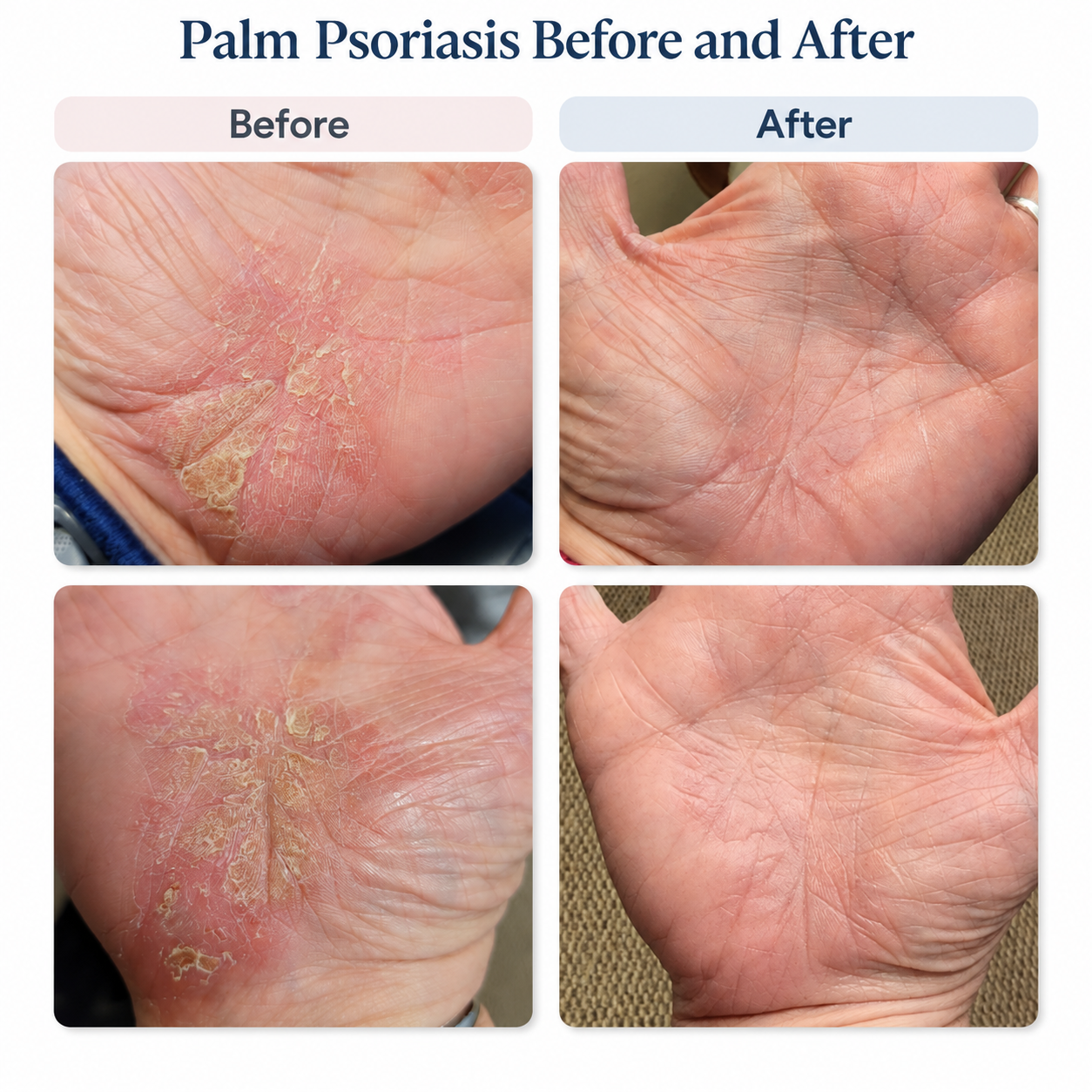
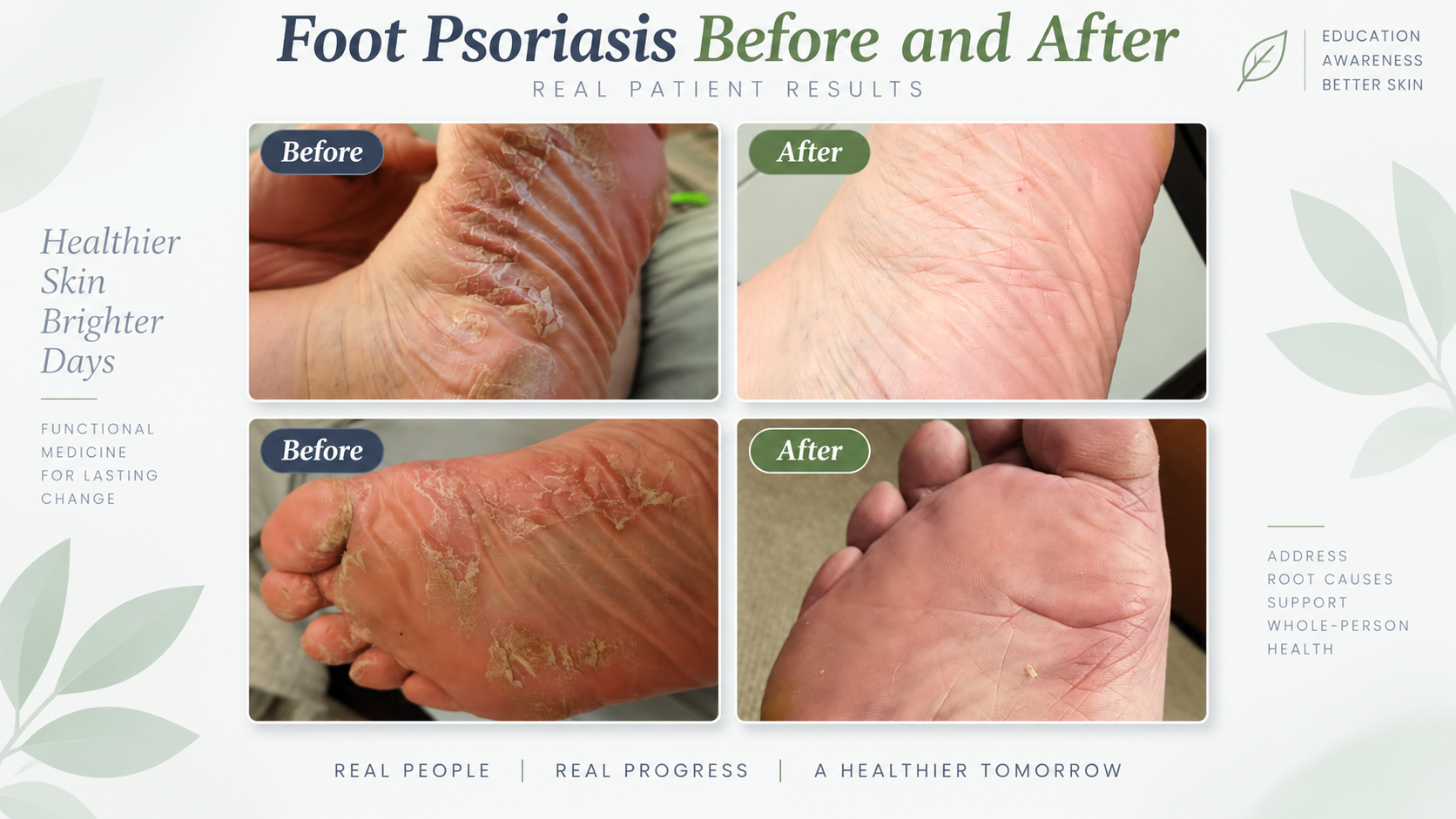
One of the reasons I include these photographs is that they illustrate why I believe it is worth looking beyond the visible plaque. The external skin change is important, but it can also be an invitation to investigate the immune and physiological environment more deeply. For a broader explanation of how I combine that perspective with conventional treatment considerations, see psoriasis medications and functional medicine.
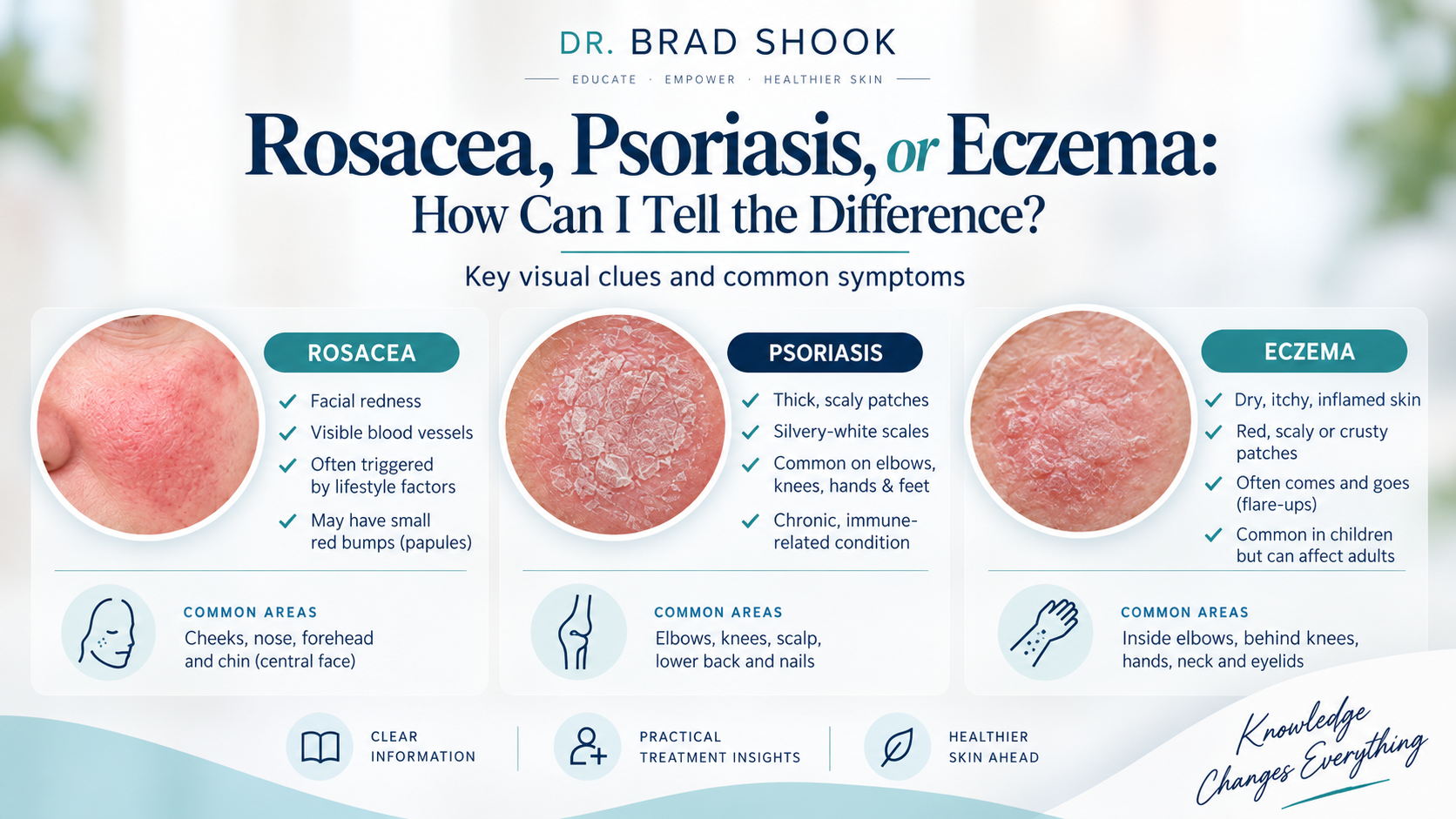
Rosacea, Psoriasis or Eczema: How Can I Tell the Difference?
Rosacea, psoriasis, and eczema can all cause redness, itching, burning, dryness, or discomfort, but they have different patterns. If eczema is the main look-alike you are trying to separate from psoriasis, see the detailed eczema vs. psoriasis comparison.
Rosacea Triggers
Rosacea is characterized by flare-ups and remissions. A major part of management is learning which factors repeatedly trigger your flushing, redness, bumps, burning, or stinging.
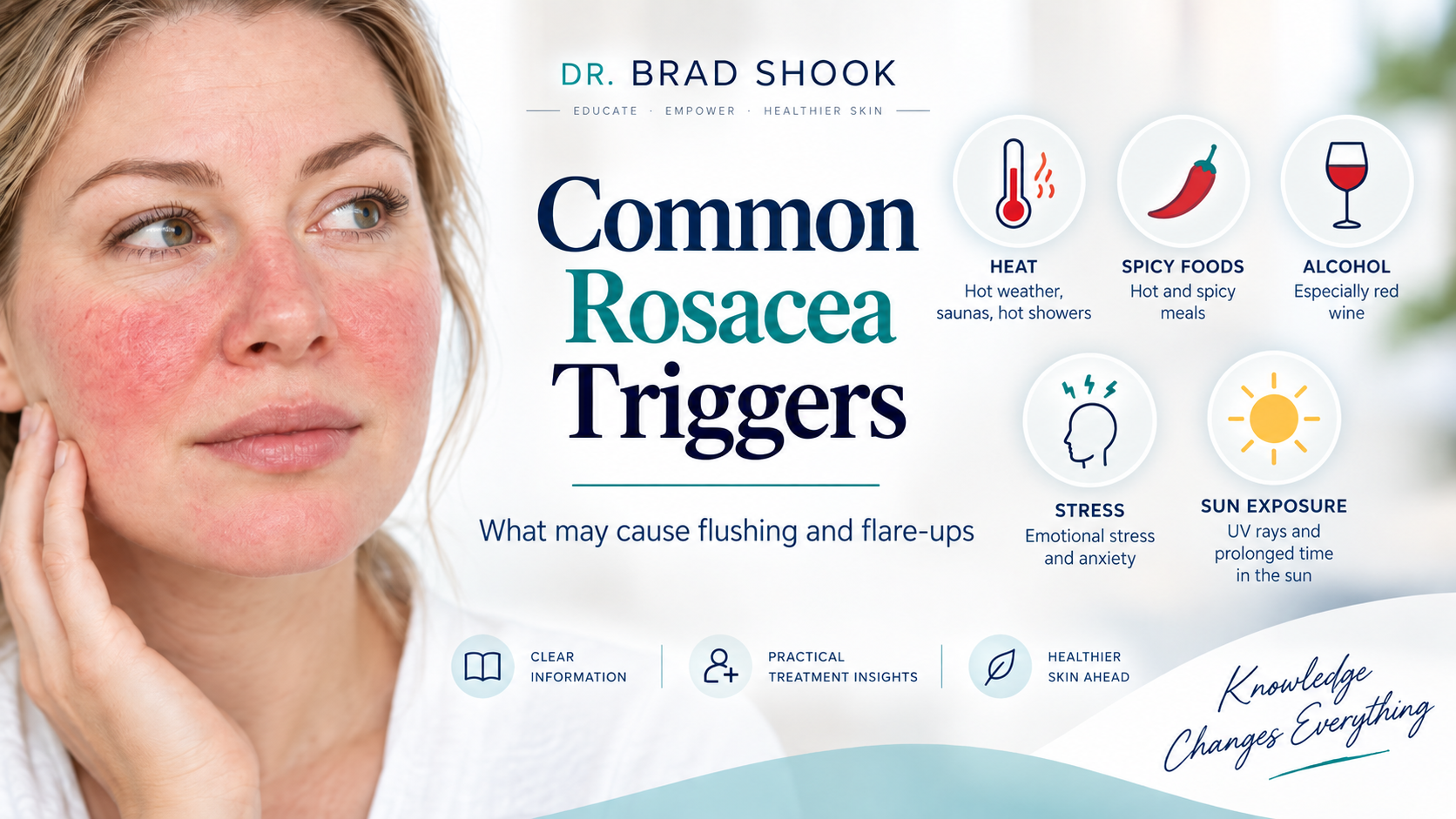
Sun exposure
Sun exposure is one of the most commonly reported rosacea triggers. Daily sun protection, shade, protective clothing, and a sunscreen that the skin tolerates can be important parts of management.
Alcohol consumption
Alcohol can trigger flushing in some people with rosacea, especially certain alcoholic beverages. The important point is individual response. If a specific drink repeatedly triggers a flare, that pattern is useful information.
Stress
Emotional stress is another commonly reported rosacea trigger. Stress does not mean the condition is psychological. It means nervous-system and vascular responses can influence flushing and inflammatory activity.
Hot or Cold Weather
Heat, overheating, cold, wind, and sudden changes in temperature can provoke symptoms in susceptible people. Learning how your skin responds to environmental conditions can make flare prevention much more practical.
Spicy Foods
Spicy foods can trigger flushing in some people, but not everyone with rosacea needs to avoid them. The same principle applies to other possible dietary triggers: use your own repeatable pattern rather than a universal avoidance list.
Rosacea Flare-Up Prevention
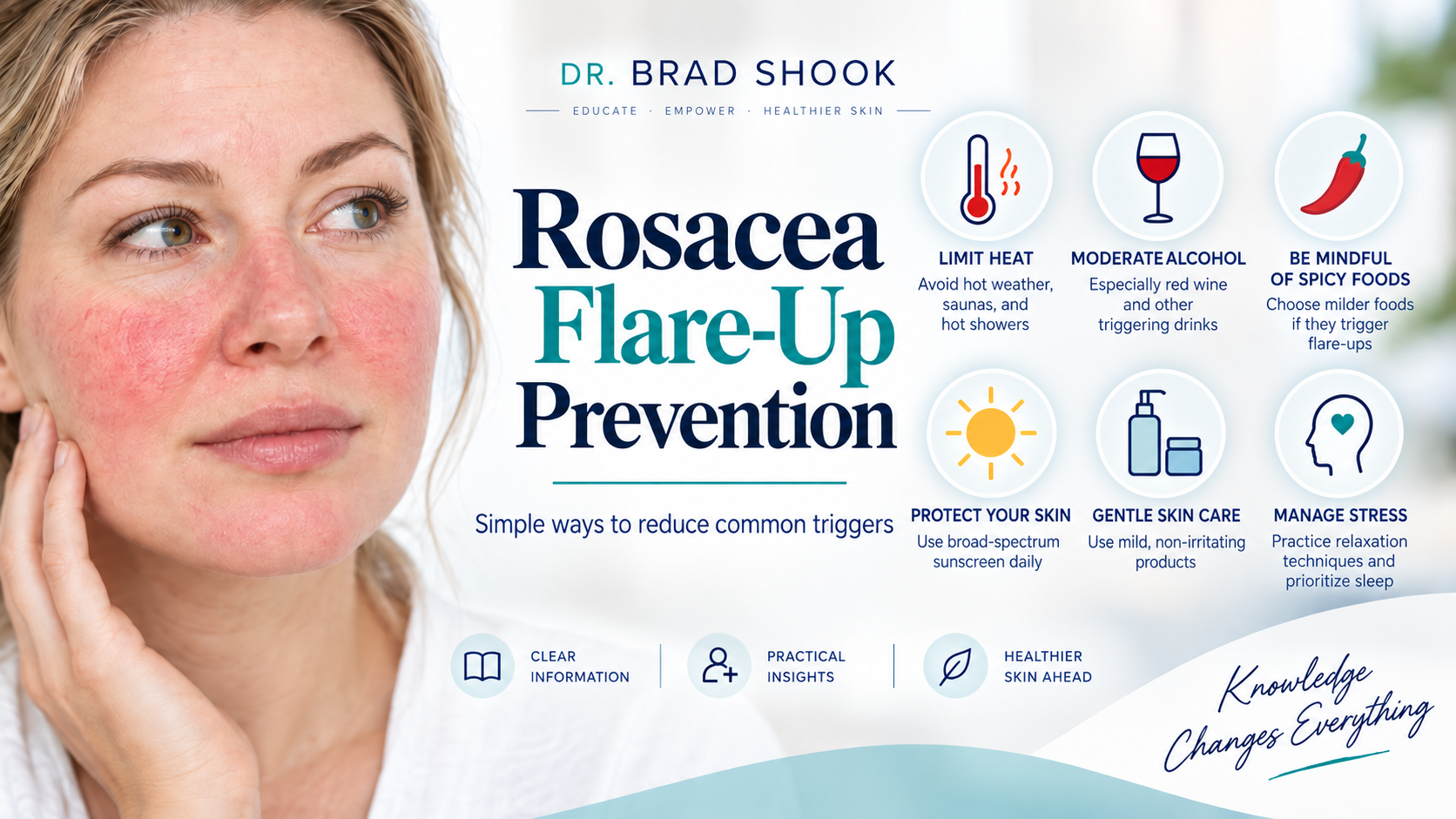
Useful flare-prevention strategies can include sun protection, avoiding overheating, using gentle non-abrasive skin care, limiting personal dietary or beverage triggers, and managing stress and sleep when those factors clearly influence symptoms.
Rosacea can also be affected by products applied directly to the face. Harsh exfoliants, fragranced products, or anything that repeatedly causes burning or stinging may be poorly tolerated.
A trigger diary can be useful because it turns a vague list of possible causes into a personal pattern. Instead of assuming that every item on a rosacea trigger list is a problem, you can look for repeatable relationships.
Rosacea Treatment Options
Functional Medicine
I believe the most useful place to begin from a functional medicine approach to rosacea is by asking what may be influencing the inflammatory and physiological environment around the condition. That older article is part of the site's original rosacea content library; this page contains my more current framing.
That can include personal food and beverage triggers, gastrointestinal symptoms, stress, sleep, metabolic health, nutrient status, environmental exposures, skin-barrier tolerance, and possible microbial factors. The goal is not to assume that every person has the same underlying cause. The goal is to identify the factors that appear relevant and support them systematically.
Topical Medications
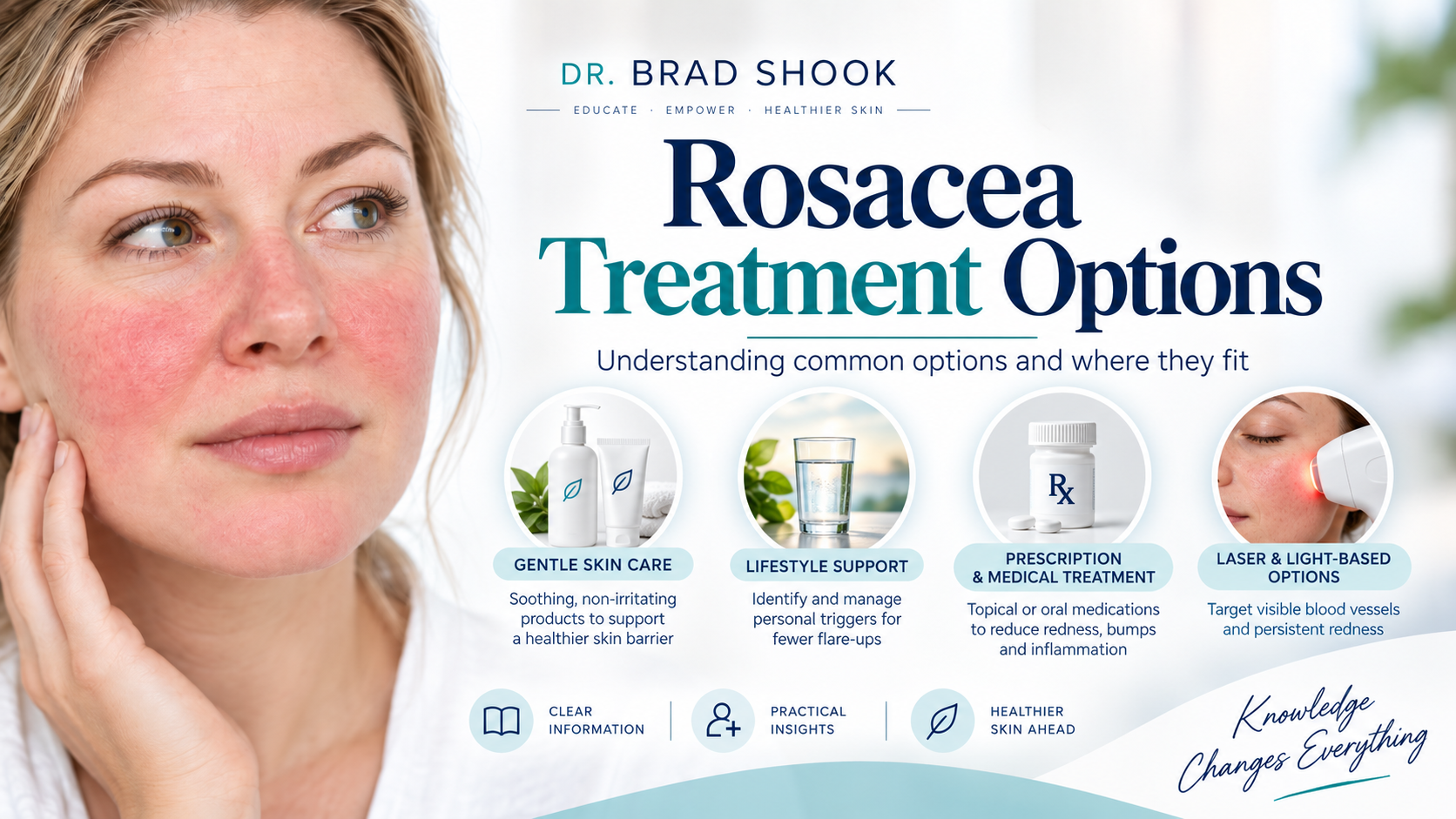
Topical medical treatments are commonly used for rosacea. Depending on the presentation, clinicians may use therapies for persistent redness or for inflammatory papules and pustules. Sulfacetamide-sulfur is one established option used for some rosacea presentations.
Oral Medications
Oral therapies may also be used when appropriate, especially when inflammatory bumps and pustules or ocular involvement require additional medical management.
Laser and Light-Based Treatment
Laser and intense pulsed light treatments can be useful for persistent redness and visible blood vessels in selected cases. These approaches target what is visible in the skin and can be combined with other strategies.
Protection from Sun Exposure and Gentle Skin Care
Sun protection and gentle skin care are foundational parts of most rosacea management plans. A routine that reduces irritation and supports the skin barrier can make other treatments easier to tolerate.
Medical treatment can target the visible signs and symptoms. Functional medicine can help investigate the broader factors that may be influencing inflammatory activity and flare patterns. Those approaches can be complementary.
Functional Medicine for Rosacea: A New Opportunity to Look Upstream
Rosacea is not just a cosmetic problem. It is a chronic inflammatory condition, and current research points to a complex interaction among immune signaling, blood-vessel regulation, skin-barrier function, microorganisms, genetics, and environmental factors.
That creates a useful functional medicine question:
For one person, heat and alcohol may dominate the flare pattern. For another, stress, gastrointestinal symptoms, certain foods, or skin-care products may be more important. For another, Demodex-associated inflammation may deserve attention.
Demodex mites and rosacea
Demodex mites are a normal part of human skin, but they are often found in greater numbers in people with rosacea. Research suggests that an overabundance of Demodex, or bacteria associated with the mites, may contribute to inflammatory immune responses in some people.
A personal reason I pay attention to rosacea
Rosacea is not purely theoretical for me. My wife dealt with significant rosacea, and her improvement involved a combination of dietary changes, a sulfur-based approach, attention to skin hygiene, and changing pillowcases frequently because of the possible role of skin-surface organisms such as Demodex.
I do not present that as a universal protocol. It is an example of why individualized investigation matters. Sulfur is used in established rosacea treatments, Demodex is a legitimate area of rosacea research, and personal triggers vary substantially from one person to another.
If you have rosacea, I want you to know that the functional medicine framework can be applied to your situation too. The same basic principle applies: identify the factors that seem relevant, support what can be changed, and reassess what happens. If you want individualized help with that process, you can apply for care and I will review whether I believe I am a good fit to help.
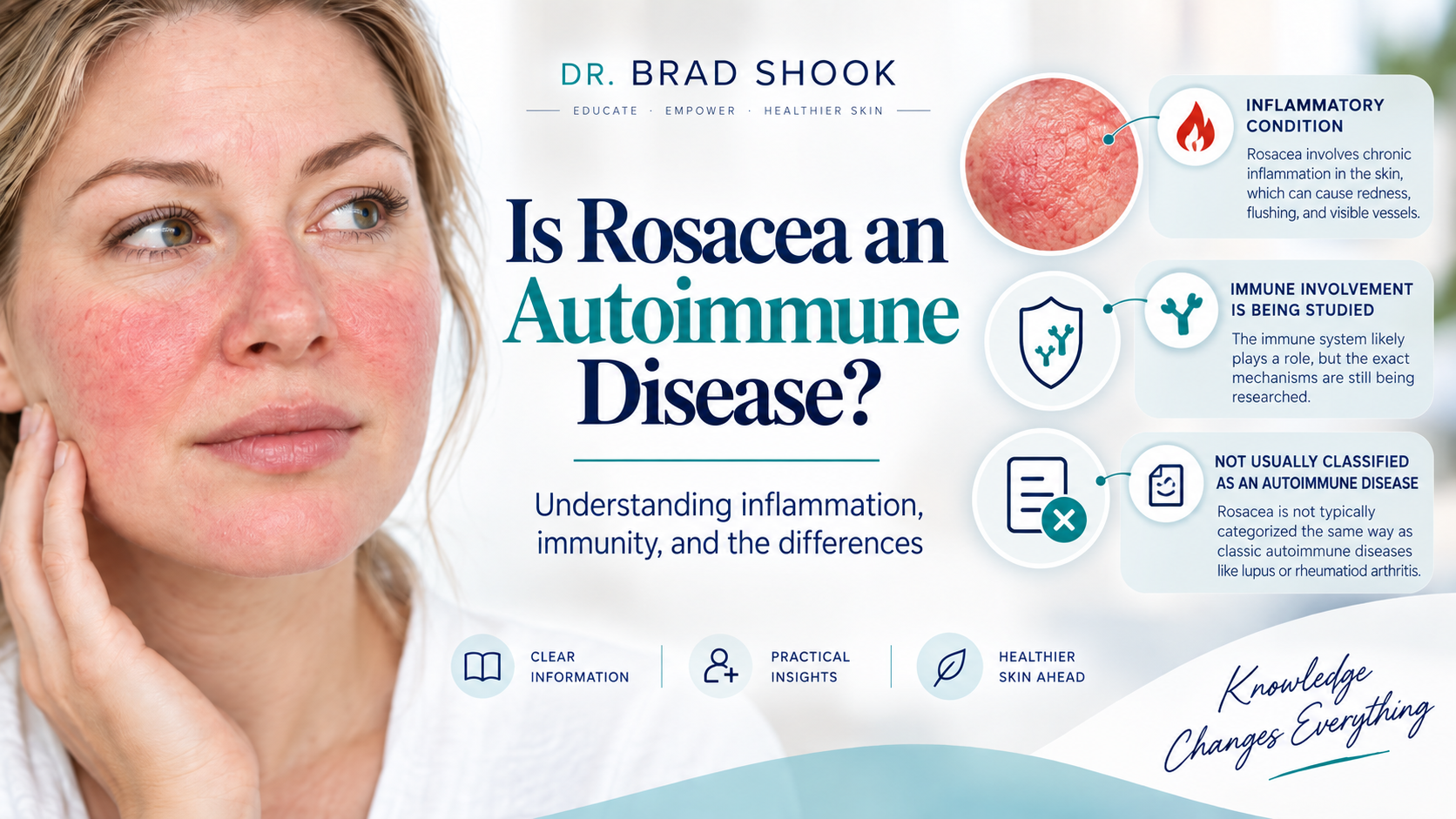
Is Rosacea an Autoimmune Disease?
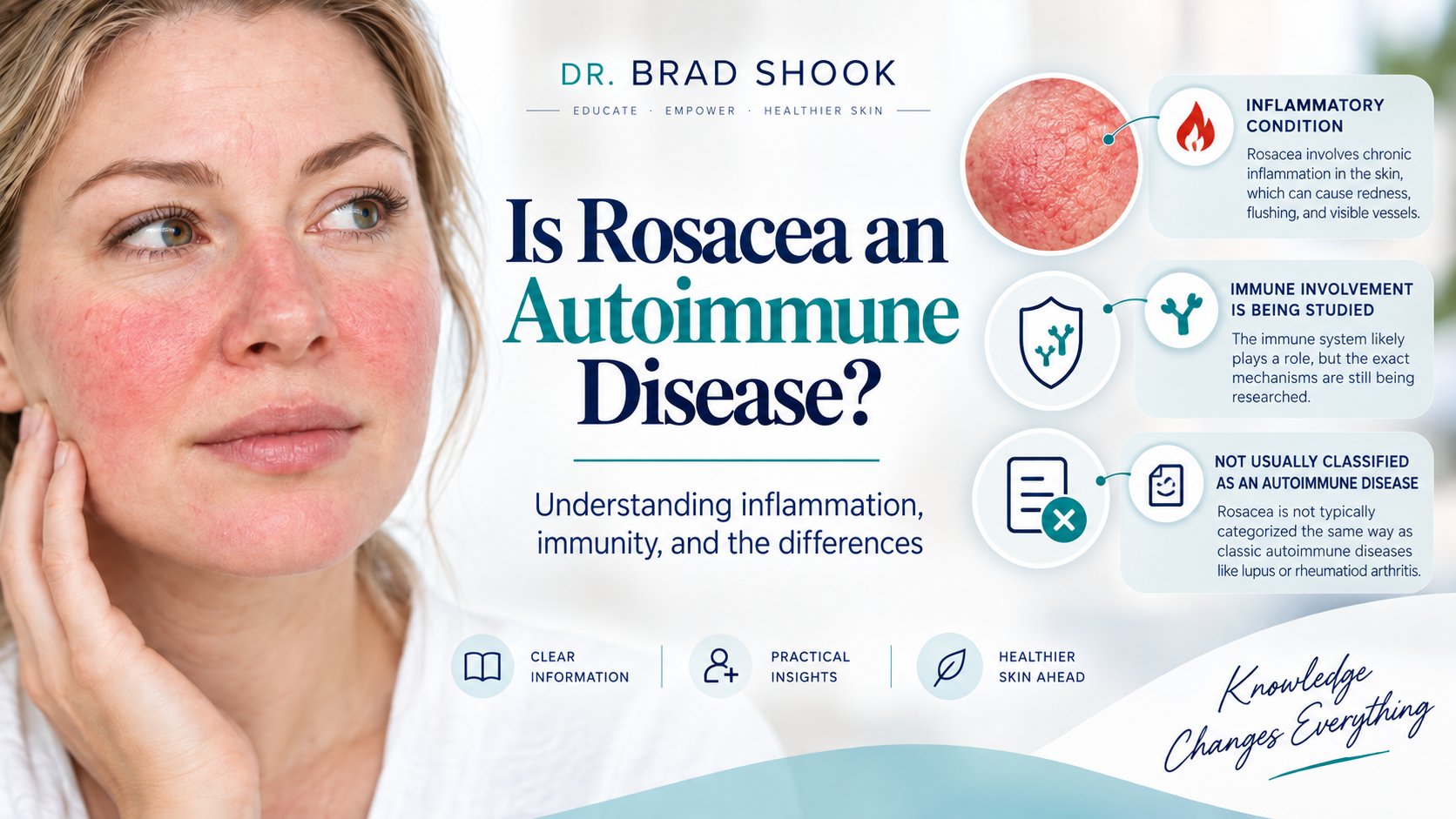
Rosacea is generally classified as a chronic inflammatory skin disorder rather than a classic autoimmune disease.
That does not mean the immune system is irrelevant. Immune dysregulation is an active area of rosacea research, along with neurovascular signaling, skin-barrier dysfunction, Demodex-associated factors, genetics, and environmental triggers.
This distinction matters because psoriasis and rosacea can both involve inflammation while still having different biology and different medical treatment approaches.
What Are the Different Types of Rosacea?
Older rosacea literature commonly divided rosacea into four subtypes. Current expert guidance increasingly organizes rosacea around the actual signs and symptoms, or phenotypes, that a person has. You may still encounter the older terms online, so they remain useful to understand.
Ocular Rosacea
Ocular rosacea affects the eyes and eyelids and may cause burning, dryness, a gritty sensation, redness, watery eyes, recurrent styes, or sensitivity to light.
Erythematotelangiectatic Rosacea
This older subtype term describes a pattern dominated by persistent facial redness, flushing, and visible blood vessels.
Papulopustular Rosacea
This pattern includes acne-like red bumps and pustules, often on the central face. Unlike typical acne, blackheads are not a defining rosacea feature.
Phymatous Rosacea
Phymatous change refers to skin thickening and enlargement, most famously involving the nose, although other facial areas can be affected.
Types of Psoriasis That Might Be Mistaken for Rosacea
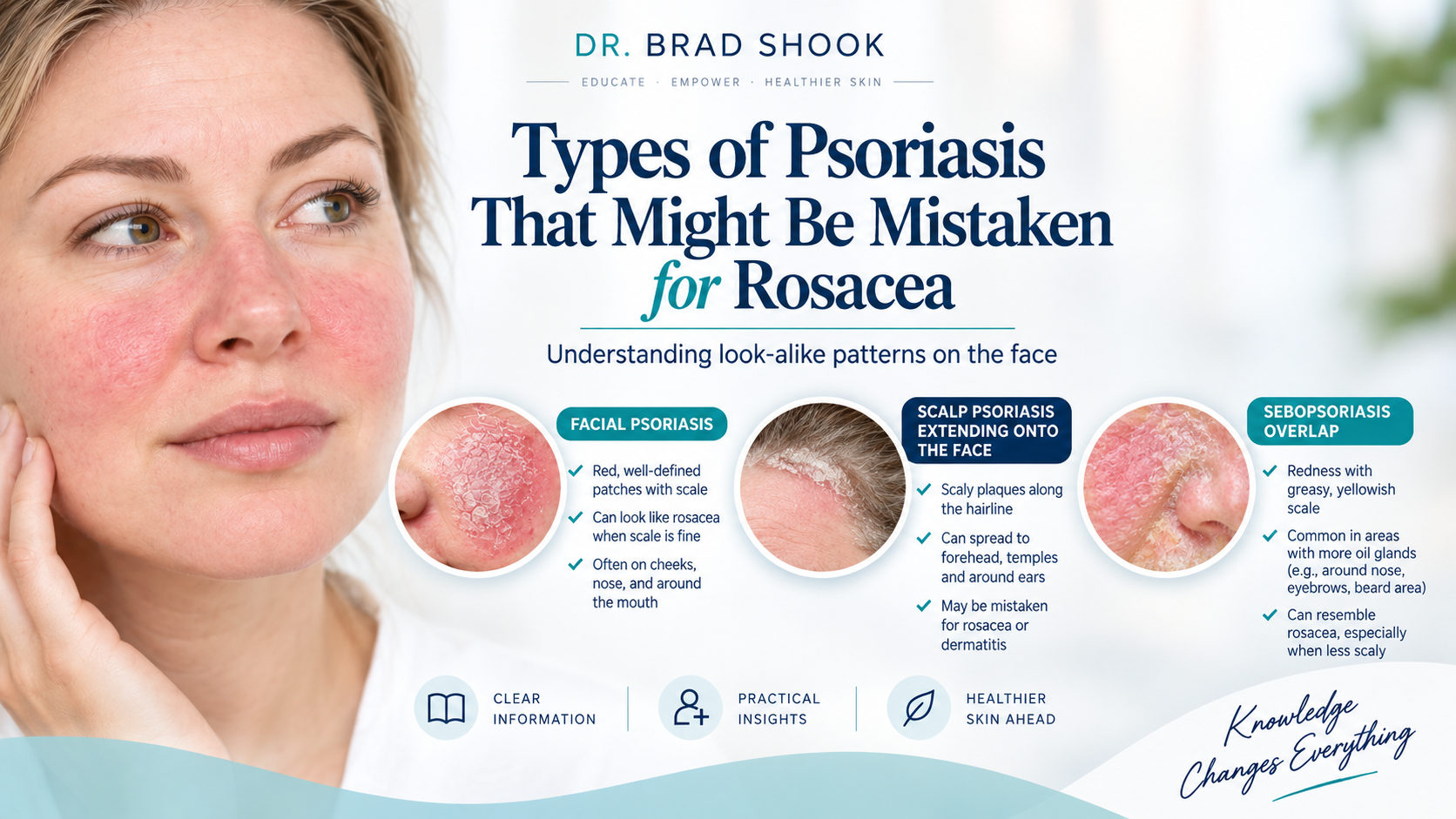
Plaque Psoriasis
Plaque psoriasis typically creates well-defined plaques with scale. When plaques occur on the face, the scale may be thinner and the redness may be mistaken for another facial inflammatory condition.
Guttate Psoriasis
Guttate psoriasis usually causes many small lesions, often after an infection. It more commonly involves the trunk and limbs than the central face, but the small red lesions can create diagnostic confusion when the distribution is unusual.
Inverse Psoriasis
Inverse psoriasis appears in skin folds and is often smoother and less scaly than classic plaque psoriasis. Around facial folds, that reduced scale can make it look less obviously psoriatic.
Pustular Psoriasis
Pustular psoriasis produces sterile pustules surrounded by inflamed skin. When pustular lesions involve the face, they can be confused with other conditions that create bumps or pustules, although facial pustular psoriasis is not the most common presentation.
Sebopsoriasis
Some people have an overlapping pattern with features of psoriasis and seborrheic dermatitis, often around the scalp, hairline, eyebrows, ears, or folds beside the nose. That pattern can be especially confusing when trying to separate psoriasis from rosacea.
How Skin Conditions May Impact Mental Health
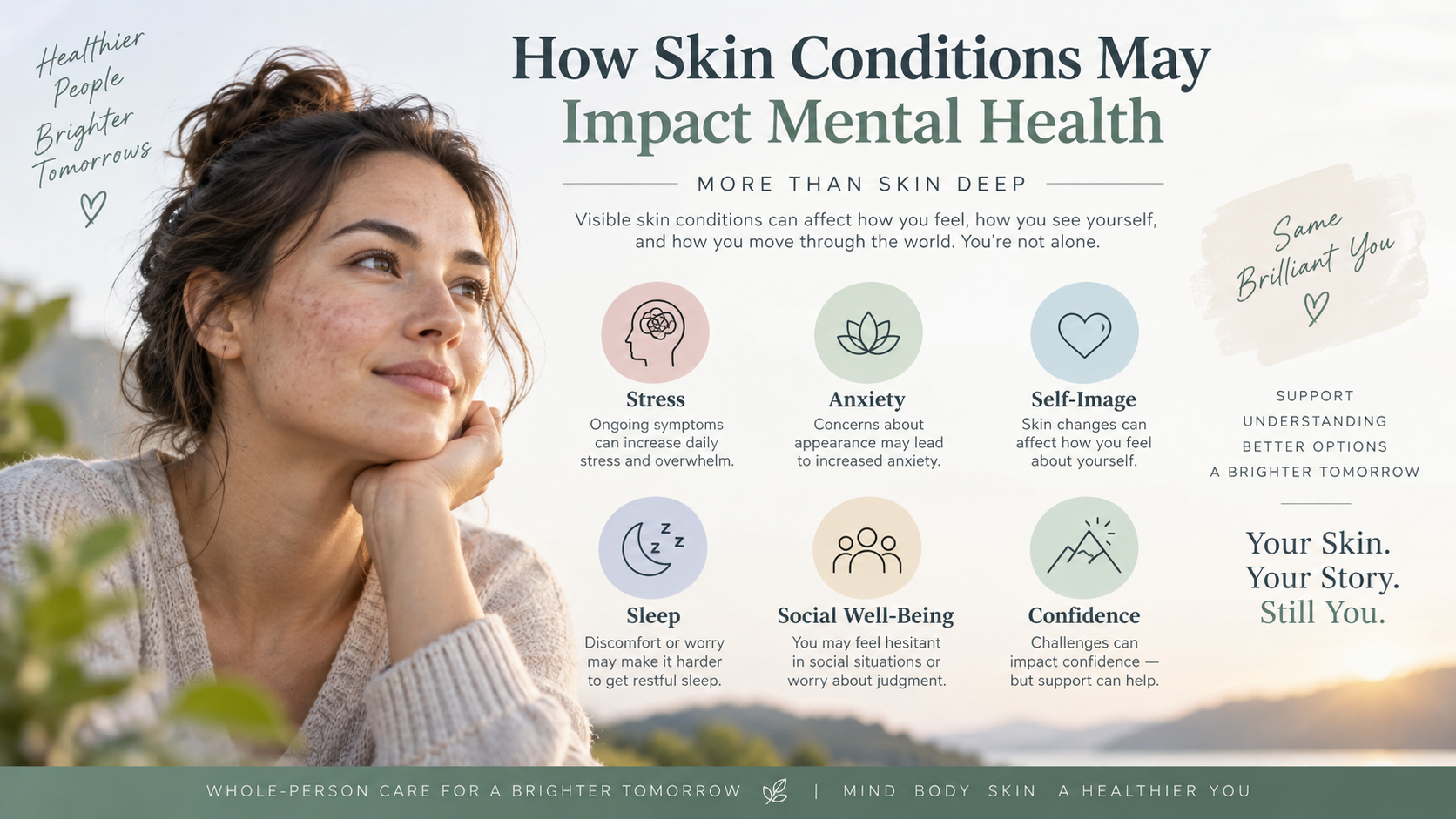
Skin conditions are visible in a way that many other health problems are not. Psoriasis and rosacea can affect how someone feels about their appearance, whether they feel comfortable in social situations, how they sleep, and how much daily stress they experience.
That matters because quality of life is part of health. Better control of the skin condition, better understanding of triggers, and a clearer plan can reduce some of the uncertainty that makes these conditions feel overwhelming.
This is another reason I prefer a whole-person perspective. The goal is not only to look at a rash. The goal is to help the person understand the condition, improve the factors we can influence, and make the path forward feel clearer.
If You Have Psoriasis, Do Not Ignore Joint Symptoms
Psoriasis can be associated with psoriatic arthritis. Joint pain, swelling, prolonged morning stiffness, heel pain, swollen fingers or toes, or other inflammatory joint symptoms deserve timely evaluation. My full guide explains psoriatic arthritis symptoms, flare-ups, triggers, and treatment in more detail.
Could your joints be involved?
Learn the early signs and common flare patterns of psoriatic arthritis.
Psoriatic Arthritis Signs and FlaresFrequently Asked Questions About Psoriasis vs. Rosacea
What is the main difference between psoriasis and rosacea?
Psoriasis is an immune-mediated inflammatory disease that commonly causes well-defined plaques with scale and can affect the scalp, elbows, knees, lower back, nails, folds, face, and other body areas. Rosacea primarily affects the central face and commonly causes persistent facial color change, flushing, visible blood vessels, acne-like bumps, burning or stinging, and sometimes eye symptoms.
Can psoriasis look like rosacea on the face?
Yes. Facial psoriasis can create red or scaly areas that overlap visually with rosacea, seborrheic dermatitis, eczema, and other facial conditions. Scale, distribution, flushing, visible blood vessels, nail changes, scalp involvement, and examination findings can help distinguish them.
Can psoriasis and rosacea occur at the same time?
Yes. Having psoriasis does not prevent someone from also having rosacea. When both affect the face, a clinical examination can be especially helpful.
Is rosacea an autoimmune disease?
Rosacea is generally classified as a chronic inflammatory skin disorder rather than a classic autoimmune disease. Immune dysregulation is part of current research into rosacea, along with neurovascular signaling, barrier function, microbes such as Demodex-associated factors, genetics, and environmental triggers.
Can food sensitivities cause psoriasis?
There is no single food sensitivity that explains psoriasis in everyone. Diet can still matter through metabolic health, celiac disease when present, true food allergy in appropriate cases, individual symptom patterns, and overall inflammatory and nutritional context. Testing and elimination strategies should answer a defined question rather than assume every person has the same food trigger.
Can functional medicine help with psoriasis?
Functional medicine can provide a structured way to investigate modifiable dietary, metabolic, gastrointestinal, lifestyle, environmental, and physiological factors that may influence immune activity in psoriasis. It can be used alongside appropriate medical psoriasis care.
Can functional medicine be used for rosacea?
Yes. A functional medicine approach can help organize modifiable factors that may affect rosacea, such as personal triggers, diet, stress, sleep, gastrointestinal symptoms, skin-barrier support, and environmental exposures. It should complement accurate diagnosis and appropriate medical treatment rather than replace them.
Are Demodex mites associated with rosacea?
Yes. Demodex mites normally live on human skin, but they are often found in greater numbers in people with rosacea. Research suggests that an overabundance of Demodex or bacteria associated with the mites may contribute to inflammatory immune responses in some people.
Is sulfur used for rosacea?
Yes. Sulfacetamide-sulfur is one medical treatment used for some forms of rosacea, particularly acne-like bumps and pustules. Treatment choice should be individualized because rosacea presentations and medication tolerability vary.
How are psoriasis and rosacea diagnosed?
Both are usually diagnosed clinically. A qualified clinician evaluates the distribution and appearance of the skin changes, symptoms, history, and related findings. Psoriasis may occasionally require a skin biopsy when the diagnosis is uncertain.
What commonly triggers rosacea flares?
Commonly reported rosacea triggers include sun exposure, heat, cold, wind, stress, alcohol, spicy foods, hot beverages, exercise, and irritating skin-care products. Triggers are individual, so tracking patterns can be more useful than avoiding every possible trigger.
When should joint symptoms in someone with psoriasis be evaluated?
Joint pain, swelling, prolonged morning stiffness, heel pain, swollen fingers or toes, or other symptoms that could suggest psoriatic arthritis deserve timely medical evaluation.
Where Should You Go Next?
If your main question is whether a rash is psoriasis, rosacea, eczema, or another condition, start with an accurate diagnosis.
If you already know you have psoriasis and want to understand the immunological and physiological factors that may be influencing disease activity, the next step is to learn the functional medicine framework. If you are trying to decide whether a functional medicine practitioner for psoriasis, dermatology care, flare-up support, or a combination makes the most sense, the care guide is designed for that decision.
If your concern is rosacea, the same functional medicine process can be used to explore your personal triggers, physiological contributors, and flare patterns while you continue the medical care that is appropriate for you.
Selected References & Further Reading
- American Academy of Dermatology. Psoriasis: Diagnosis and treatment.
- American Academy of Dermatology. Should I treat my psoriasis?
- American Academy of Dermatology. Rosacea: Signs and symptoms.
- American Academy of Dermatology. Rosacea: Diagnosis and treatment.
- National Rosacea Society. Factors That May Trigger Rosacea Flare-Ups.
- National Rosacea Society. Demodex Mites & Microbes.
- National Rosacea Society. FDA Approved Treatments for Rosacea.
- National Rosacea Society. Standard Management Options for Rosacea.