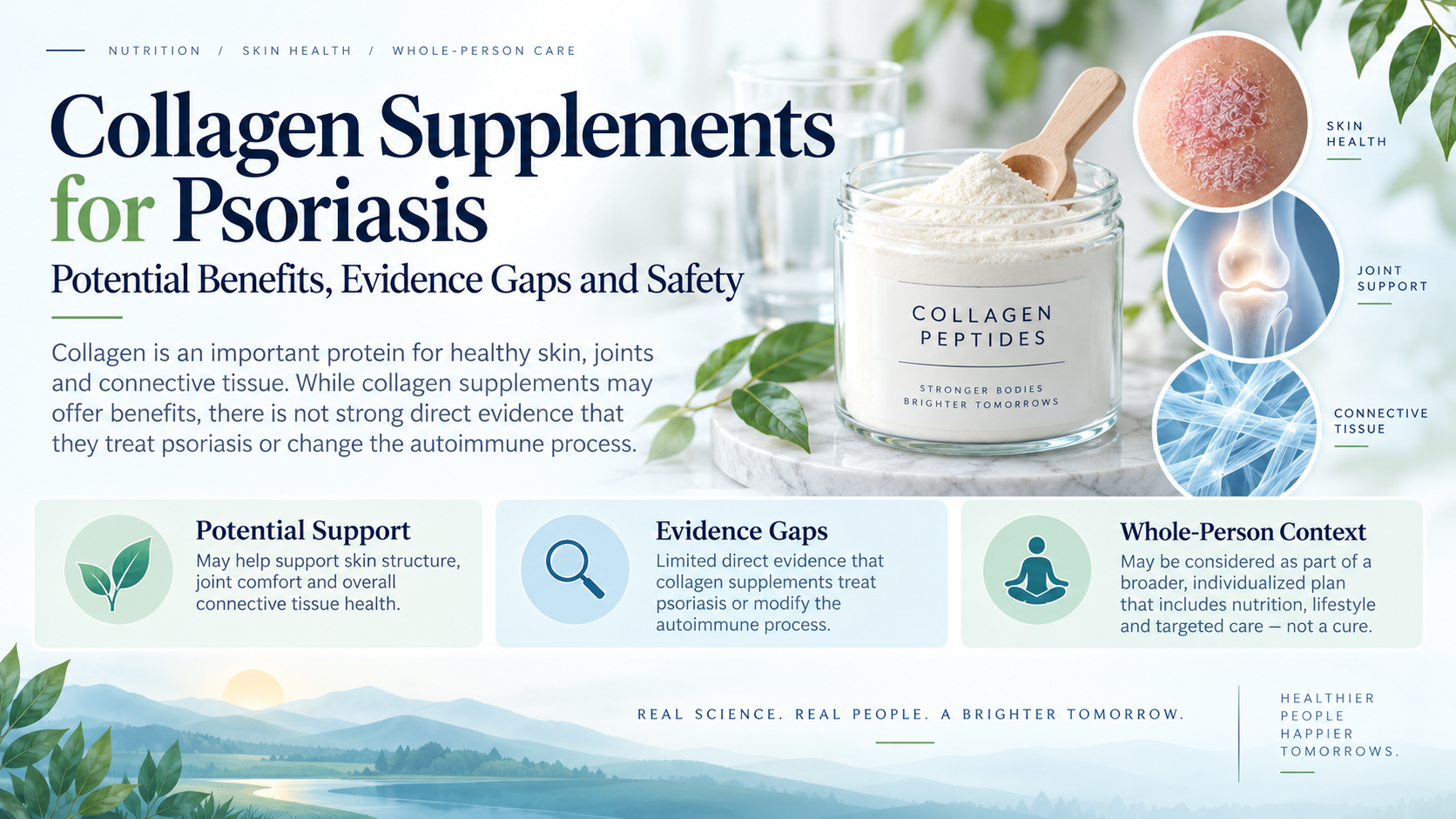
What Collagen Is and Why the Question Comes Up
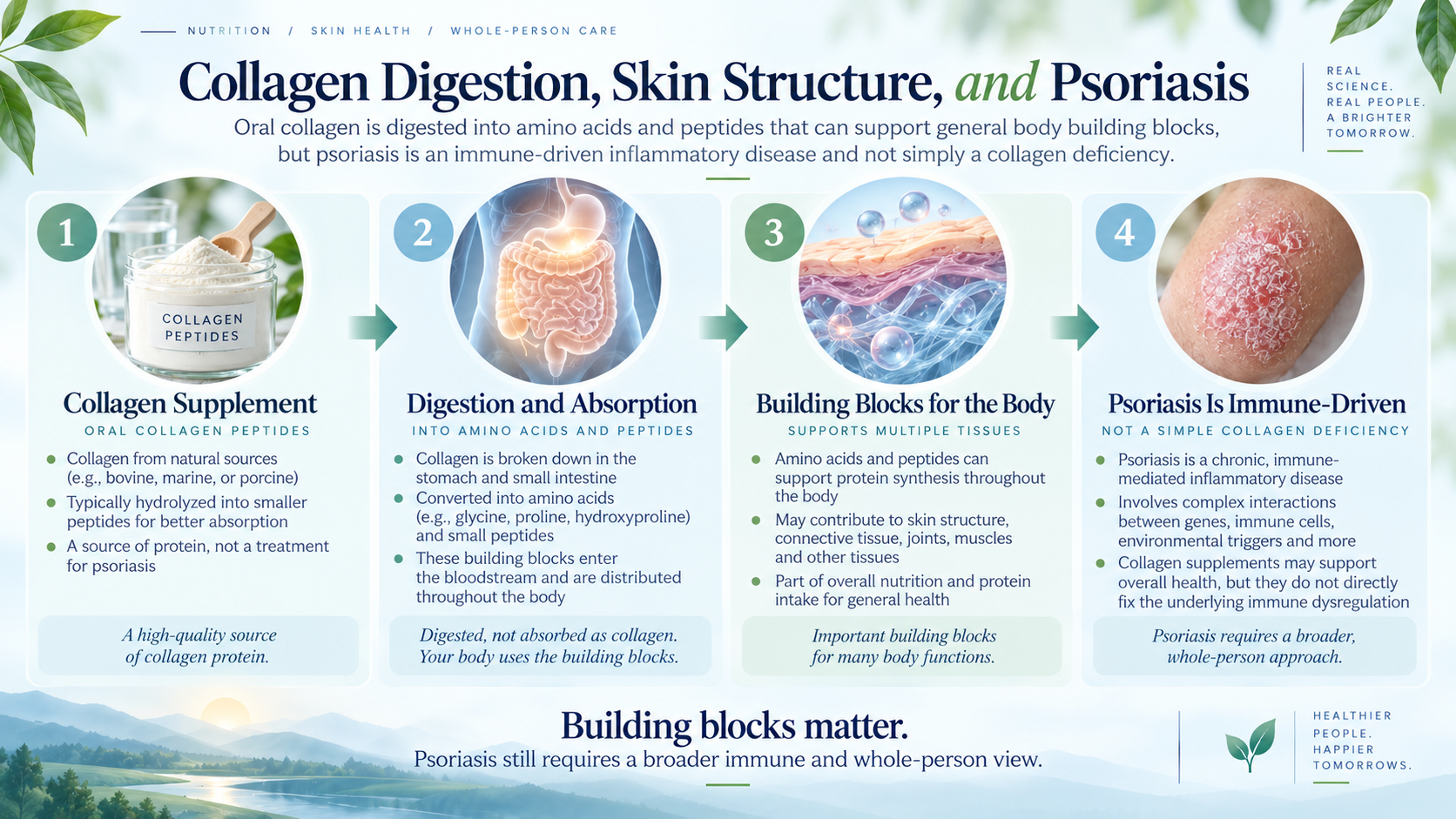
Collagen is a family of structural proteins found in skin, bone, cartilage, tendons, and other tissues. Oral collagen products are usually hydrolyzed into peptides. Digestion breaks dietary protein into amino acids and smaller peptides that the body can use according to its needs.
Psoriasis is driven by immune dysregulation and inflammation. It is not simply a collagen deficiency. Improving general skin hydration or providing amino acids is different from proving that a supplement controls psoriasis.
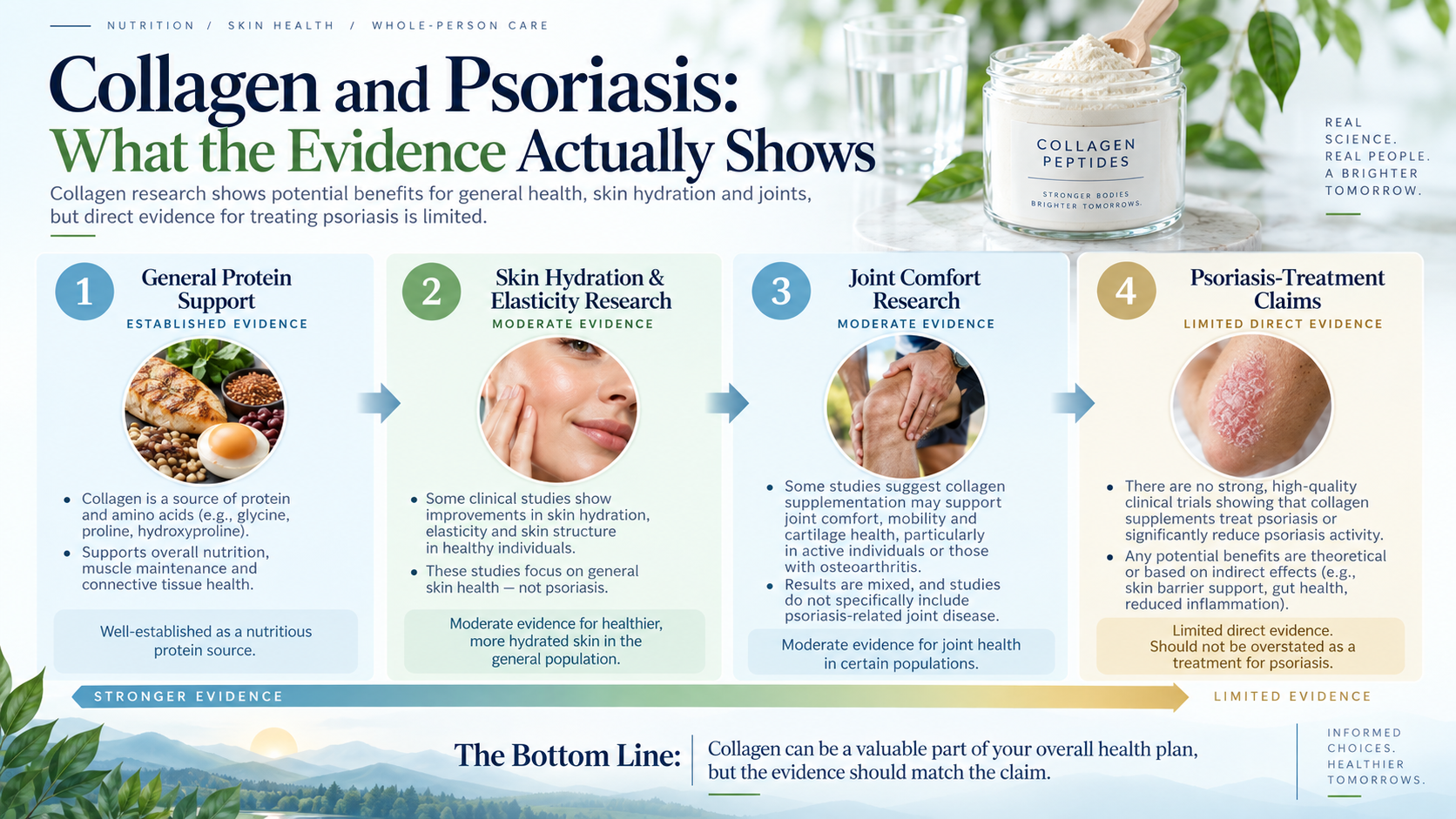
Does Collagen Help Psoriasis?
Published collagen trials largely examine skin aging, hydration, elasticity, or osteoarthritis. They do not establish collagen as a treatment for psoriasis plaques or autoimmune activity.
Some meta-analyses report improvements in skin hydration or elasticity, but results are heterogeneous and funding bias is a concern. Those outcomes cannot be directly transferred to psoriasis. If a person notices benefit in dryness, joints, or protein intake, that is an individual response, not proof of disease modification.
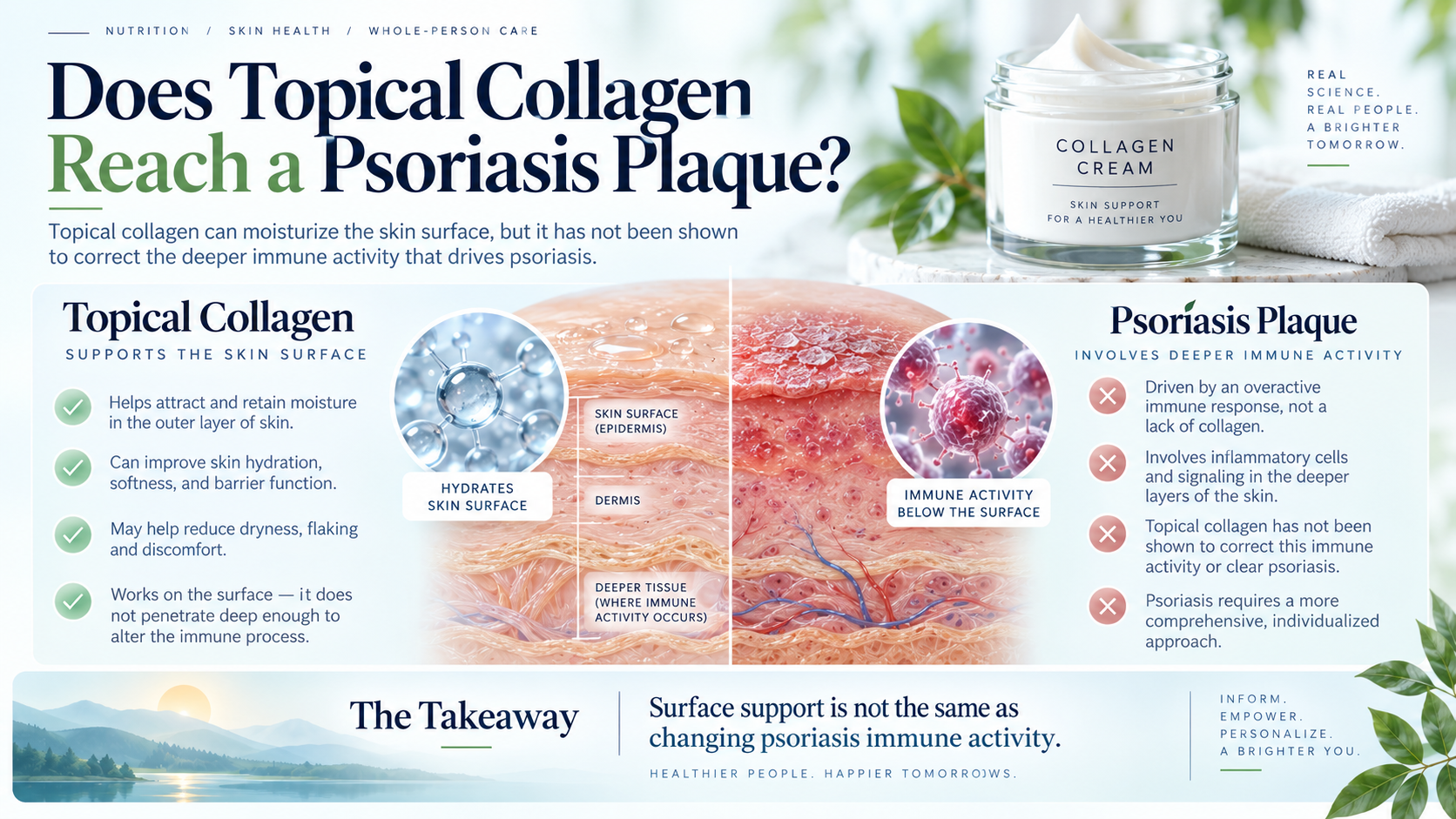
Does Topical Collagen Reach a Psoriasis Plaque?
Topical collagen products can act as surface moisturizers, but intact collagen molecules are generally too large to penetrate deeply through the outer skin barrier. A cream may change how dry skin feels without changing the immune pathways that drive psoriasis.
This distinction matters because cosmetic hydration claims should not be converted into psoriasis-treatment claims. For plaque scale and inflammation, use a moisturizer as supportive skin care and follow the clinician-directed psoriasis plan.
Risks and Product-Quality Questions
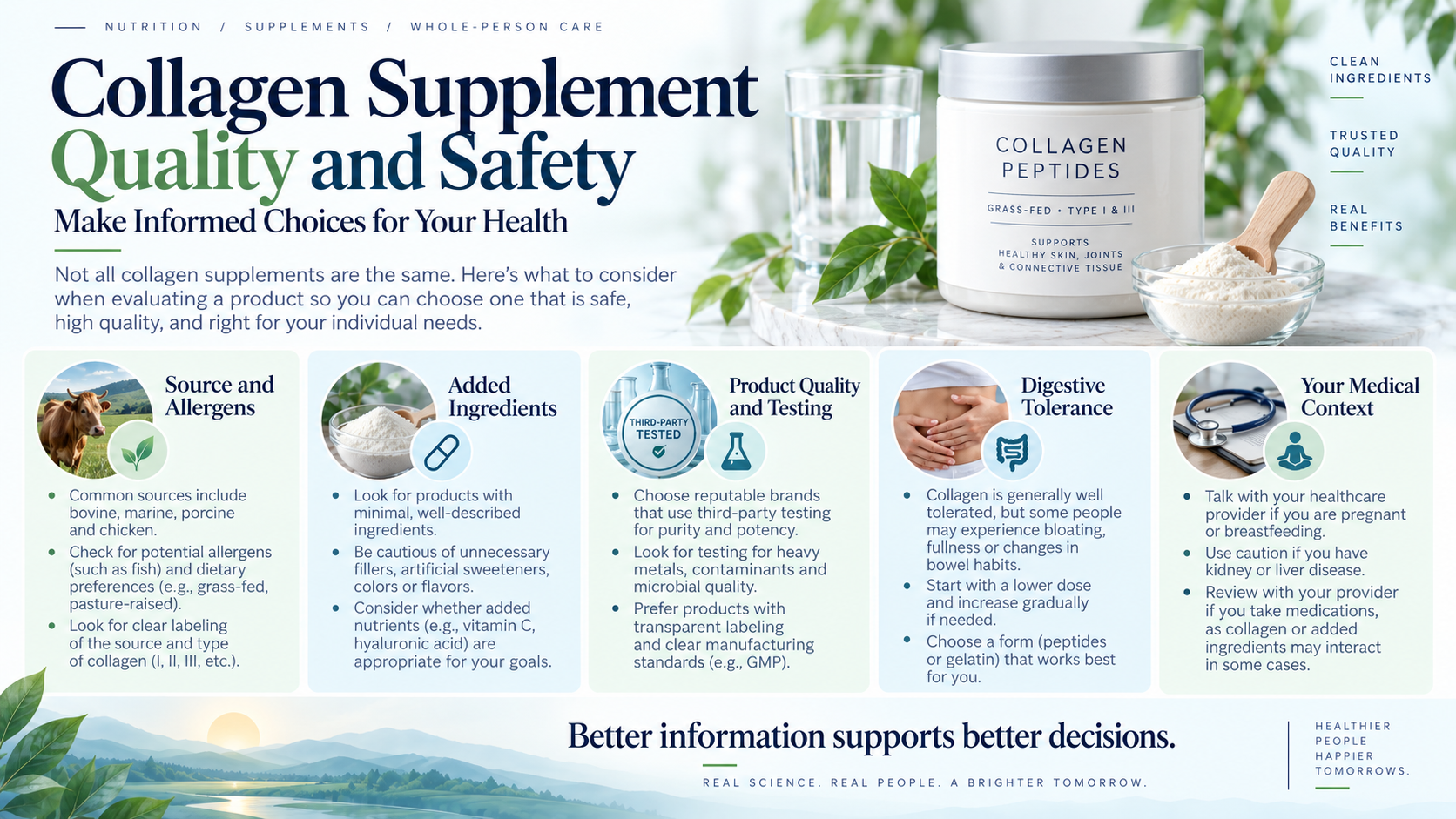
Allergens and source
Fish, shellfish, bovine, porcine, or chicken sources may matter for allergy, religious, or dietary reasons.
Contaminants and claims
Choose transparent testing and avoid products promising to cure autoimmune disease.
Digestive tolerance
Some people report taste, fullness, nausea, or other gastrointestinal symptoms.
Kidney, liver, or pregnancy questions
Discuss concentrated supplements with a qualified clinician when medical conditions, pregnancy, or multiple medicines are involved.
Psoriatic Arthritis and Collagen
Collagen research in osteoarthritis cannot be assumed to apply to psoriatic arthritis, which is inflammatory and can damage joints. A collagen supplement should never delay rheumatology assessment or disease-modifying treatment.
New swelling, prolonged morning stiffness, heel pain, a swollen finger or toe, or persistent inflammatory back pain should prompt review of the psoriatic arthritis guide and an appropriate clinical evaluation.
Getting Collagen and Protein from Food
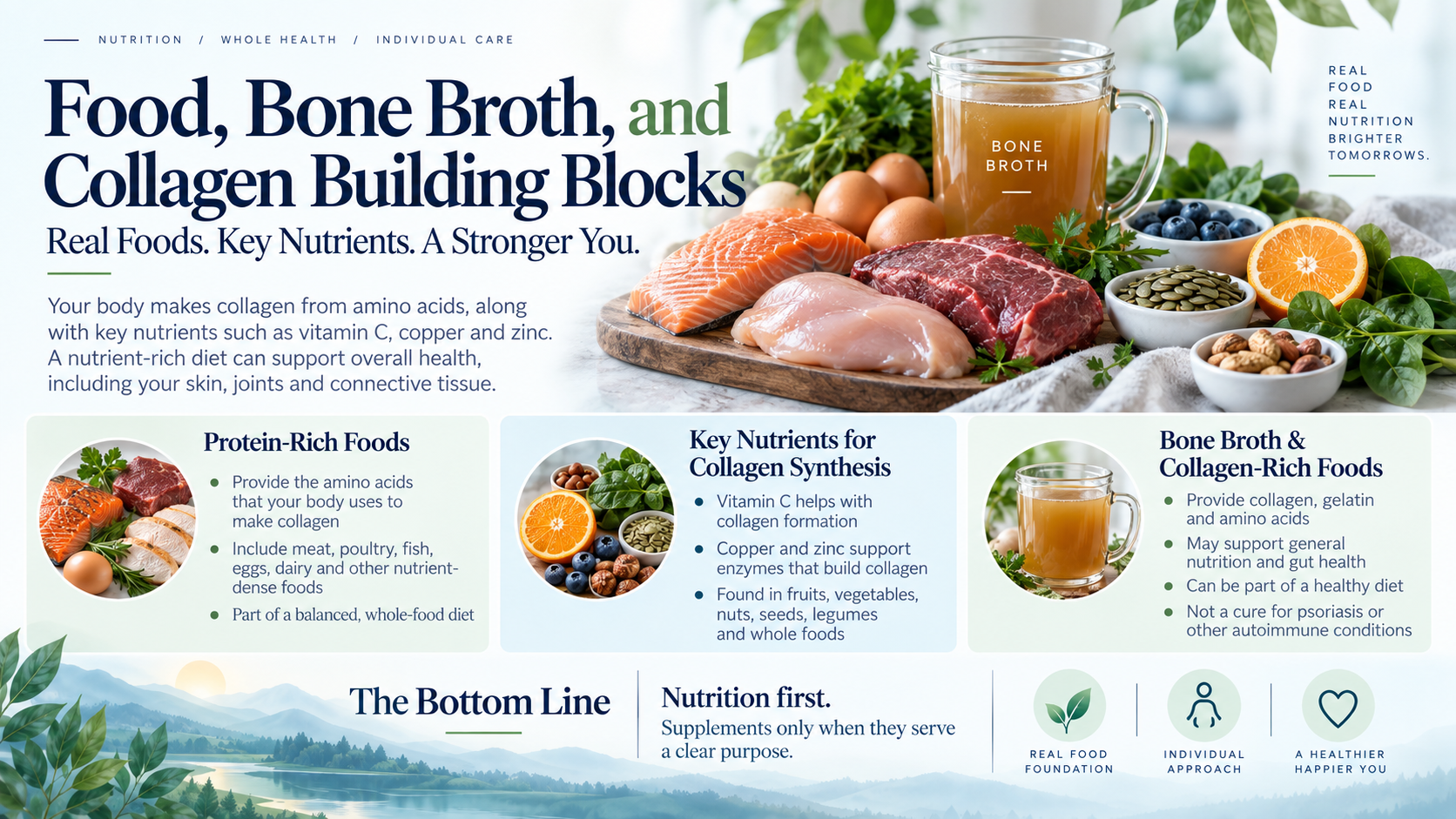
The body builds collagen from amino acids plus supporting nutrients such as vitamin C, copper, and zinc. Meat, fish, poultry, eggs, dairy, soy, legumes, and other protein foods can contribute amino acids. A varied diet can support protein and micronutrient adequacy without requiring a branded powder.
What about bone broth?
Bone broth can be a food source of protein and minerals, but composition varies widely. It has not been shown to treat psoriasis or repair a leaky gut. People managing sodium, histamine sensitivity, kidney disease, or restricted diets may need to consider the recipe and portion.
A Functional Medicine Decision Process for Supplements
Functional medicine should make supplement decisions more precise, not create a longer list of pills. In my Environmentally Induced Autoimmunity model, collagen is one small question inside a broader review of environment, diet, gut health, metabolism, nutrient status, stress, sleep, infections, exposures, medications, and response.
DETECT
Define the goal and baseline. Review history, timeline, environment, diet, gut health, metabolism, nutrient status, stress, sleep, infections, exposures, medications, and current care.
SUPPORT
Correct the highest-priority need. Keep the plan specific, safe, and realistic.
REASSESS
Use a transparent product only if justified. Measure whether the intended outcome changes.
Frequently Asked Questions
Do collagen supplements treat psoriasis?
There is not strong direct evidence that collagen supplements treat psoriasis plaques or modify the autoimmune process. Most collagen research addresses skin aging, hydration, elasticity, or osteoarthritis.
Can collagen improve dry skin in someone with psoriasis?
Some collagen studies report general skin-hydration effects, but that is not the same as treating psoriasis. Moisturizers and appropriate psoriasis treatment remain more direct approaches to plaque dryness and inflammation.
Is collagen safe for everyone?
No supplement is right for everyone. Source allergies, added ingredients, digestive tolerance, pregnancy, kidney or liver conditions, and medication context should be considered.
Can collagen help psoriatic arthritis?
Evidence from osteoarthritis should not be assumed to apply to psoriatic arthritis. Collagen should not delay evaluation or disease-modifying treatment for inflammatory joint symptoms.
Is topical collagen absorbed into psoriasis plaques?
Collagen molecules are generally too large to penetrate intact skin deeply. Topical products may moisturize the surface, but they have not been shown to correct psoriasis immune activity.
Is bone broth better than collagen powder?
Neither has been shown to treat psoriasis. Bone broth is a variable food, while powders provide a standardized amount of collagen peptides. The better choice depends on the nutritional goal, ingredients, tolerance, and overall diet.
How can I support my body’s collagen production through food?
Adequate protein plus vitamin C, copper, zinc, and overall energy intake support normal collagen synthesis. A varied diet can provide these building blocks without requiring a supplement.
How does functional medicine decide whether to use collagen?
Start with a defined goal and baseline, assess broader diet and health context, correct the highest-priority need, use a transparent product only when justified, and reassess the intended outcome.
Ready for a More Individualized Psoriasis Evaluation?
My process looks beyond the visible skin while respecting the role of appropriate dermatology and rheumatology care. We DETECT the most relevant patterns, SUPPORT the highest-priority needs, and REASSESS what changes.
References and Clinical Resources
- PubMed. Oral collagen supplementation: systematic review.
- PubMed. Effects of collagen supplements on skin aging.
- PubMed Central. Collagen turnover biomarkers in psoriatic arthritis.
- NIAMS. Psoriasis overview.