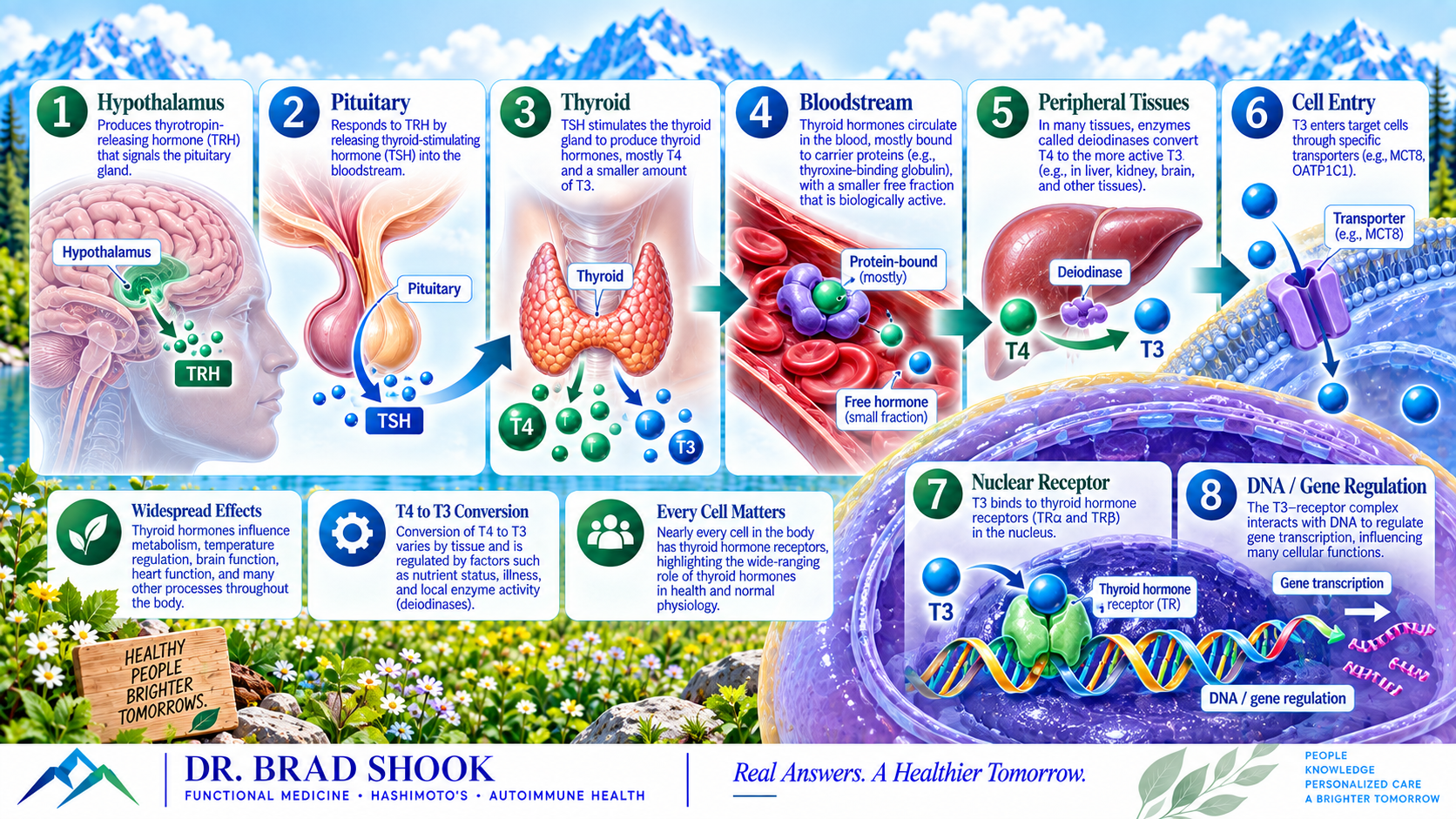
Start With Dr. Shook's Original Thyroid Video
The original page was built around a simple idea: draw the thyroid pathway from the brain to the cell so you can understand what your laboratory results and symptoms are actually describing.
The legacy page reported that this presentation had been viewed more than 5.3 million times. It remains the heart of this lesson. The video uses many potential breakdown points to expand the viewer's thinking beyond TSH alone. In this updated master class, those points are organized as a clinical map: some are established physiology, some are recognized disease patterns, and some are working hypotheses that need history, examination, testing, and response to care before they can be applied to an individual.
If the embedded player does not load, watch the original thyroid physiology video on Facebook.
How to use this lesson: Do not turn the diagram into a self-diagnosis. Use it to recognize that a normal or treated thyroid number may answer one question while leaving other questions open. The next step is to determine which layer of the case deserves attention and which findings can be objectively reassessed.
One Thyroid Case, Two Complementary Lenses
The strongest thyroid care is collaborative. It does not force you to choose between appropriate medical management and a deeper functional investigation.
The medical management lens
Is the gland producing enough hormone? Is the pituitary signaling normally? Is there a nodule, goiter, pregnancy-related concern, medication issue, or urgent condition? Does thyroid hormone replacement need to be started, adjusted, or monitored? These questions belong with the clinician responsible for diagnosis and prescribing.
The functional medicine lens
What pattern preceded the illness? Is autoimmunity stable or fluctuating? Could digestive, barrier, nutrient, metabolic, hormonal, sleep, stress, infectious, or environmental factors be adding load? Which theory fits the evidence in this person, and what would confirm or challenge it?
Dr. Shook's position: Medication can be necessary and valuable. It replaces hormone the body may no longer make reliably. Functional medicine does not compete with that job. It creates an additional opportunity to understand the immune process, the physiological web, persistent symptoms, and modifiable barriers to better function.
The Thyroid Is Part of a Feedback Loop
The thyroid is a butterfly-shaped gland in the lower front of the neck. It makes hormones that help regulate energy use, body temperature, heart and muscle function, digestion, menstrual function, growth, and brain function. Its output is directed by the hypothalamic-pituitary-thyroid axis.
TRH signal
TSH signal
T4 and T3
Local conversion
Brain adjusts TSH
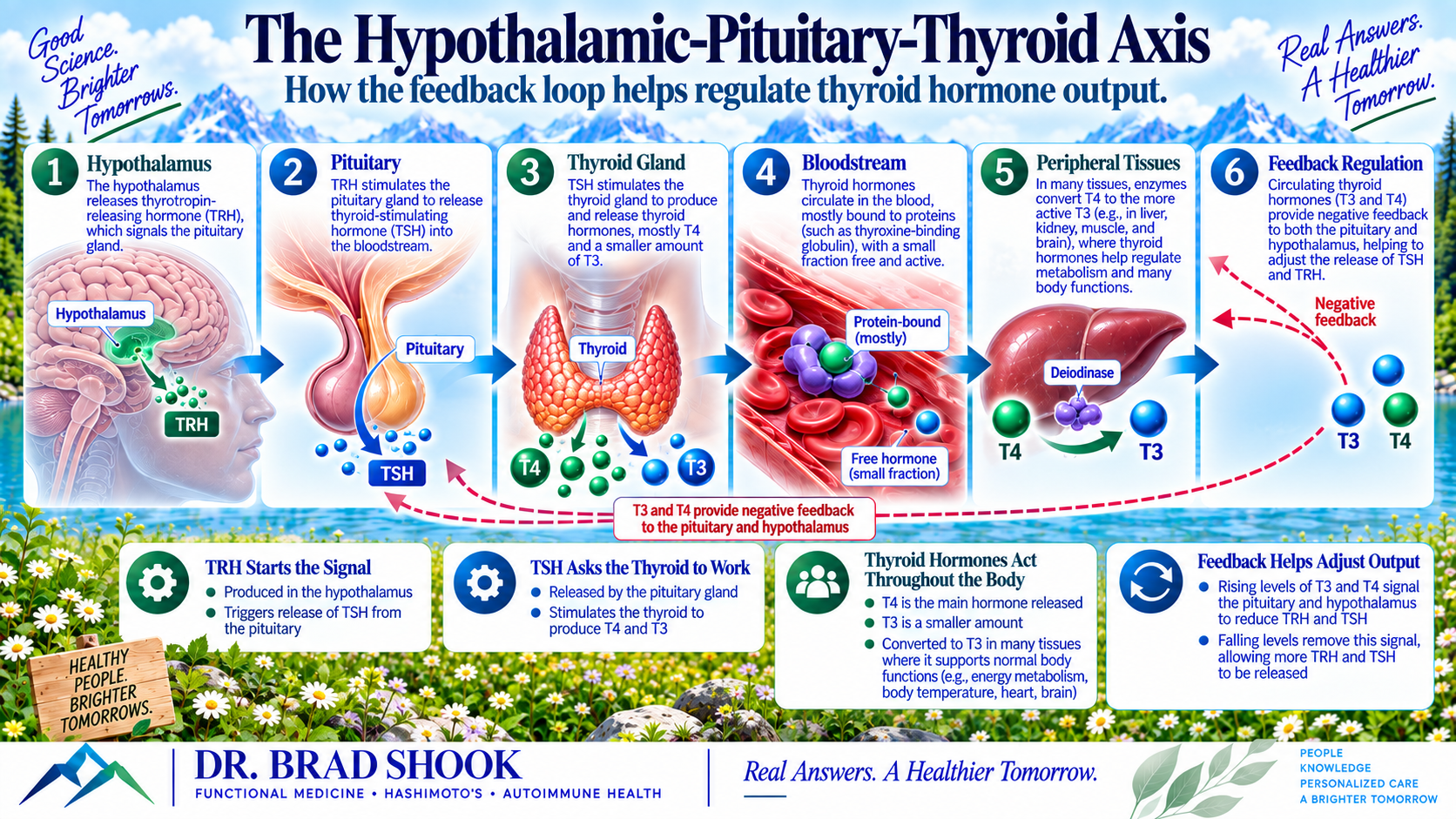
The hypothalamus releases thyrotropin-releasing hormone, or TRH. TRH signals the pituitary gland to release thyroid-stimulating hormone, or TSH. TSH travels through the blood and tells thyroid cells to take up iodine, make thyroid hormone, and release it.
As circulating thyroid hormone rises, the hypothalamus and pituitary reduce their signals. When the pituitary senses too little hormone, TSH usually rises to ask the thyroid for more. This is why TSH is often described as the thermostat and the thyroid as the heater.
How Does the Thyroid Make T4 and T3?
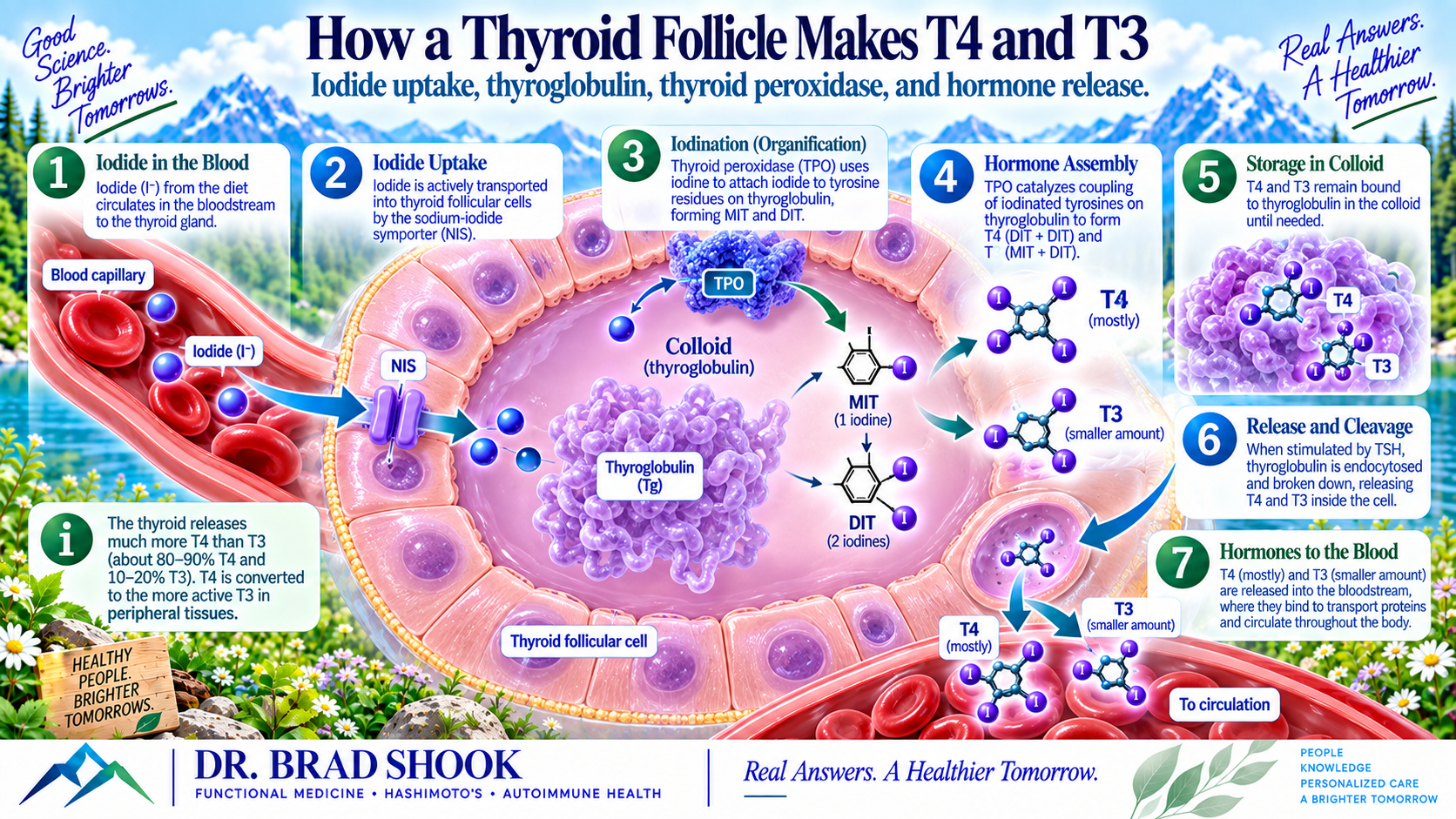
Thyroid cells pull iodide from the bloodstream. Thyroid peroxidase, or TPO, helps attach iodine to tyrosine residues within thyroglobulin, a large protein stored inside thyroid follicles. These iodinated building blocks are joined to form T4 and T3.
T4: the main product
Thyroxine contains four iodine atoms. The thyroid releases much more T4 than T3. Its longer half-life makes it a relatively stable circulating reservoir.
T3: the stronger signal
Triiodothyronine contains three iodine atoms and binds thyroid hormone receptors more strongly. The thyroid makes some T3 directly, but much of it comes from T4 conversion in tissues.
Iodine is required, but more iodine is not automatically better. Excess iodine can worsen thyroid dysfunction in susceptible people, including some people with autoimmune thyroid disease. Do not use high-dose iodine as a self-test or assume that thyroid symptoms prove iodine deficiency.
What Happens After Thyroid Hormone Leaves the Gland?
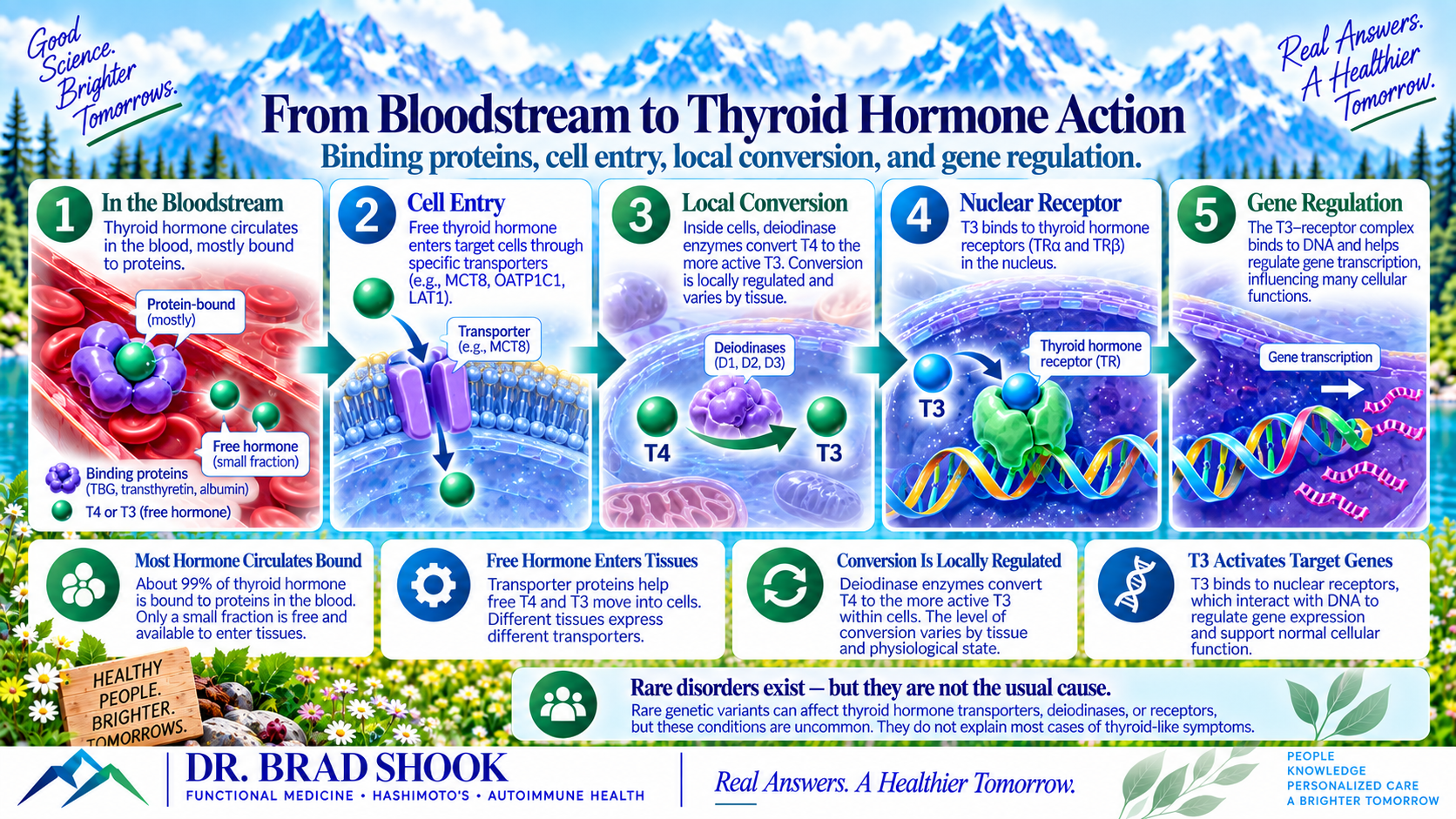
Most circulating T4 and T3 is attached to transport proteins. A much smaller free fraction is available to enter tissues. Pregnancy, estrogen therapy, severe illness, medications, and changes in binding proteins can alter total hormone measurements, which is one reason free T4 is often interpreted with TSH.
Conversion is local and regulated
Deiodinase enzymes activate or inactivate thyroid hormone in different tissues. Type 1 and type 2 deiodinases can convert T4 to active T3. Type 3 deiodinase helps inactivate hormone. This local regulation lets tissues adjust thyroid signaling to their needs.
Reverse T3 is an inactive T4 metabolite. It can change during illness and physiological stress, but its existence does not make it a general diagnostic test for hypothyroidism. Major thyroid guidance does not recommend reverse T3 for diagnosing hypothyroidism in healthy, non-hospitalized people.
Hormone must reach its receptor
Transporters help thyroid hormone enter cells. Inside the cell, T3 binds nuclear thyroid hormone receptors. Those receptor complexes interact with DNA and other regulatory proteins to increase or decrease the transcription of thyroid-responsive genes.
Rare genetic transporter, deiodinase, or receptor disorders exist, but they are not a sound default explanation for common fatigue, weight change, brain fog, or hair loss. Those symptoms require a broader clinical differential.
What Changes in Hashimoto's Disease?
Hashimoto's thyroiditis is an autoimmune process, not simply another name for low thyroid hormone. Immune cells and antibodies react with thyroid targets, inflammatory activity can fluctuate, and the gland may gradually lose its ability to maintain output. TPO and thyroglobulin antibodies are useful markers, but an antibody value by itself does not tell us how much tissue has been affected, how active the process is today, or why a particular person feels unwell.
The Kharrazian Institute's Hashimoto's Course Four emphasizes a staged and physiological-web view. In patient language, that means the autoimmune process may be present before overt hormone failure, symptoms and laboratory patterns can change over time, and different systems may either add stress or reduce resilience. A person can therefore have Hashimoto's antibodies while TSH and free T4 remain within range, especially earlier in the process. A person can also have hypothyroidism for reasons other than Hashimoto's.
| Finding | What it suggests | What it does not prove |
|---|---|---|
| Elevated TSH with low free T4 | Overt primary hypothyroidism | The cause without additional context |
| Elevated TSH with normal free T4 | Subclinical or mild primary hypothyroidism in the right context | That every symptom is thyroid-driven |
| Positive TPO or thyroglobulin antibodies | Autoimmune thyroid disease is more likely | Current hormone deficiency by itself |
| Normal TSH and free T4 with positive antibodies | Hashimoto's may be present while function is preserved | A need for thyroid hormone medication in every case |
A useful stage model: Think of genetic susceptibility, loss of immune tolerance, immune reactivity, fluctuating or compensated thyroid function, and eventual loss of gland reserve as a continuum rather than a single moment. Not everyone travels through it in the same way, and a stage model is a framework for asking questions, not a prediction of your future.
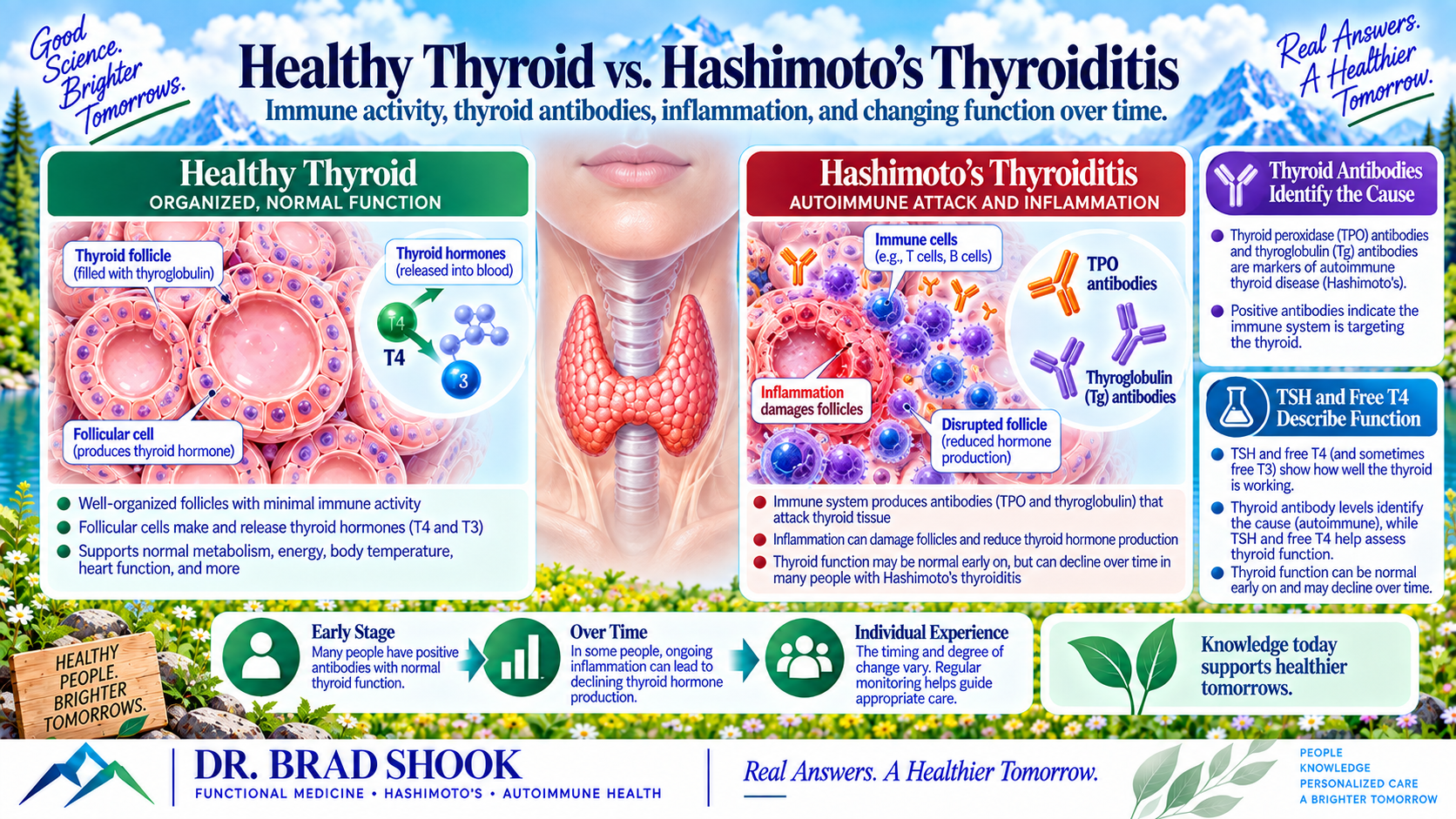
For a broader foundation, see the Hashimoto's Disease guide and the detailed review of Hashimoto's causes and triggers.
The Physiological Web: Why the Thyroid Never Stands Alone
The physiological web is one of the most important ideas in the Kharrazian Institute course. It asks how thyroid autoimmunity and thyroid hormone signaling interact with other systems, and whether those relationships help explain the person's timeline, symptoms, and response to care.
Immune activity and tolerance
Family susceptibility, infections, tissue injury, barrier disruption, chemical-protein complexes, cross-reactivity, and other immune events are possible parts of the story. They are categories to investigate, not universal causes that can be assumed from symptoms.
Gut, digestion, and absorption
Constipation, motility, celiac disease, gastritis, food reactions, microbial patterns, intestinal-barrier questions, and medication or nutrient absorption may matter in selected cases. A gut finding should be interpreted as one piece of the case, not proof of the cause.
Liver and metabolic health
The liver participates in hormone transport and metabolism. Blood-sugar instability, insulin resistance, under-fueling, rapid weight change, fatty liver, illness, and inflammatory load can change how a person feels and sometimes how thyroid-related markers behave.
Brain and nervous system
Thyroid hormone supports brain function, while sleep loss, stress physiology, mood disorders, autonomic patterns, migraine, medication effects, and other neurological conditions can overlap with brain fog, fatigue, dizziness, or poor cognitive endurance.
Female endocrine transitions
Puberty, pregnancy, the postpartum period, perimenopause, menopause, estrogen exposure, and polycystic ovary patterns can change symptoms, binding proteins, immune activity, and medication needs. Timing often matters as much as the isolated result.
Nutrients, lifestyle, and exposures
Iodine, iron, selenium, vitamin D, B12, protein and calorie sufficiency, exercise load, sleep, stress, tobacco, medications, and environmental exposures may be relevant. More testing or more supplements is not automatically better; the question is what the evidence supports.
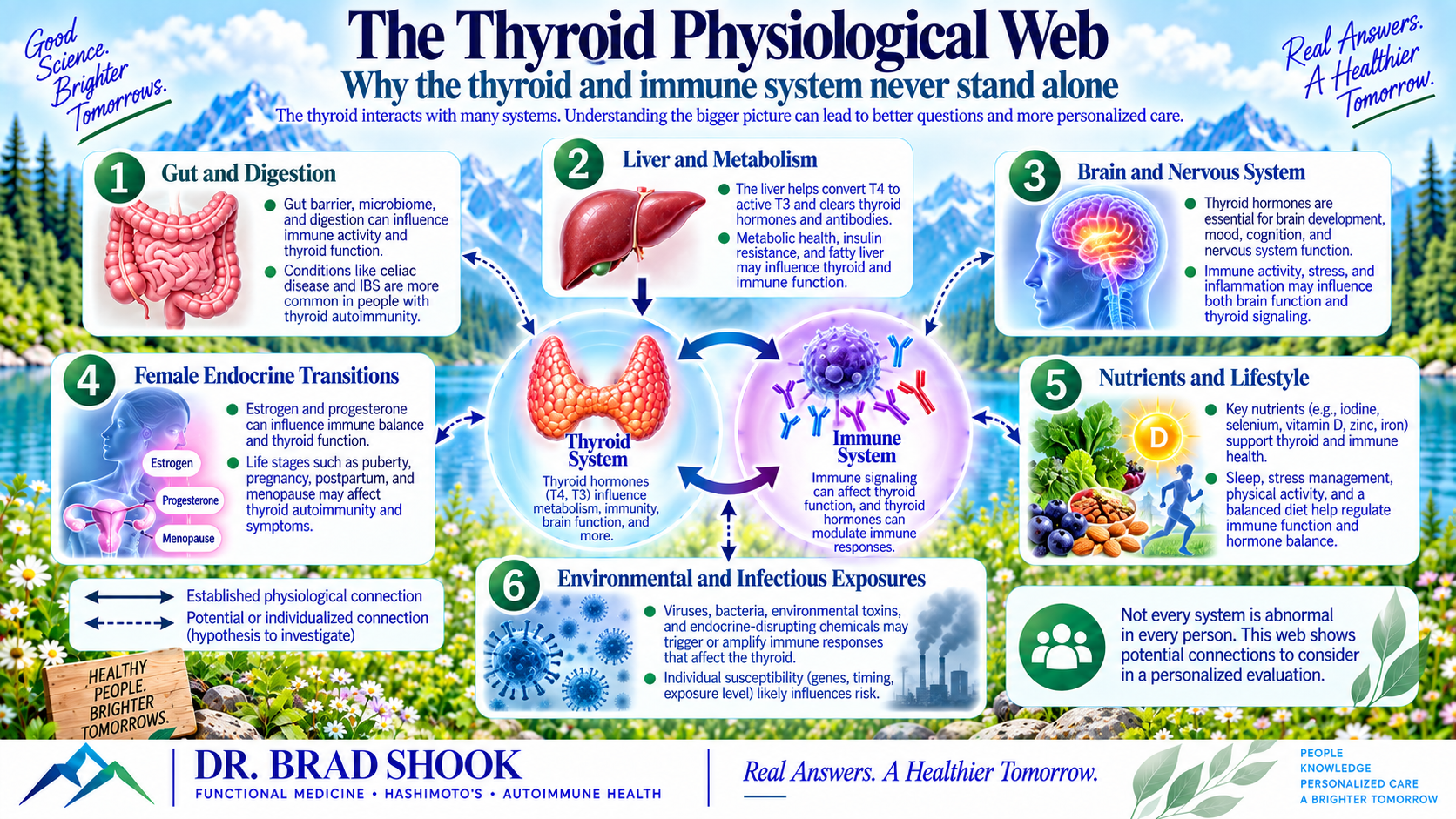
Fatigue, weight change, cold sensitivity, constipation, dry skin, hair changes, brain fog, depressed mood, menstrual changes, muscle aches, and reduced exercise tolerance can occur with hypothyroidism. They also occur in many other patterns. Symptoms create a reason to investigate; they do not identify the layer that is responsible.
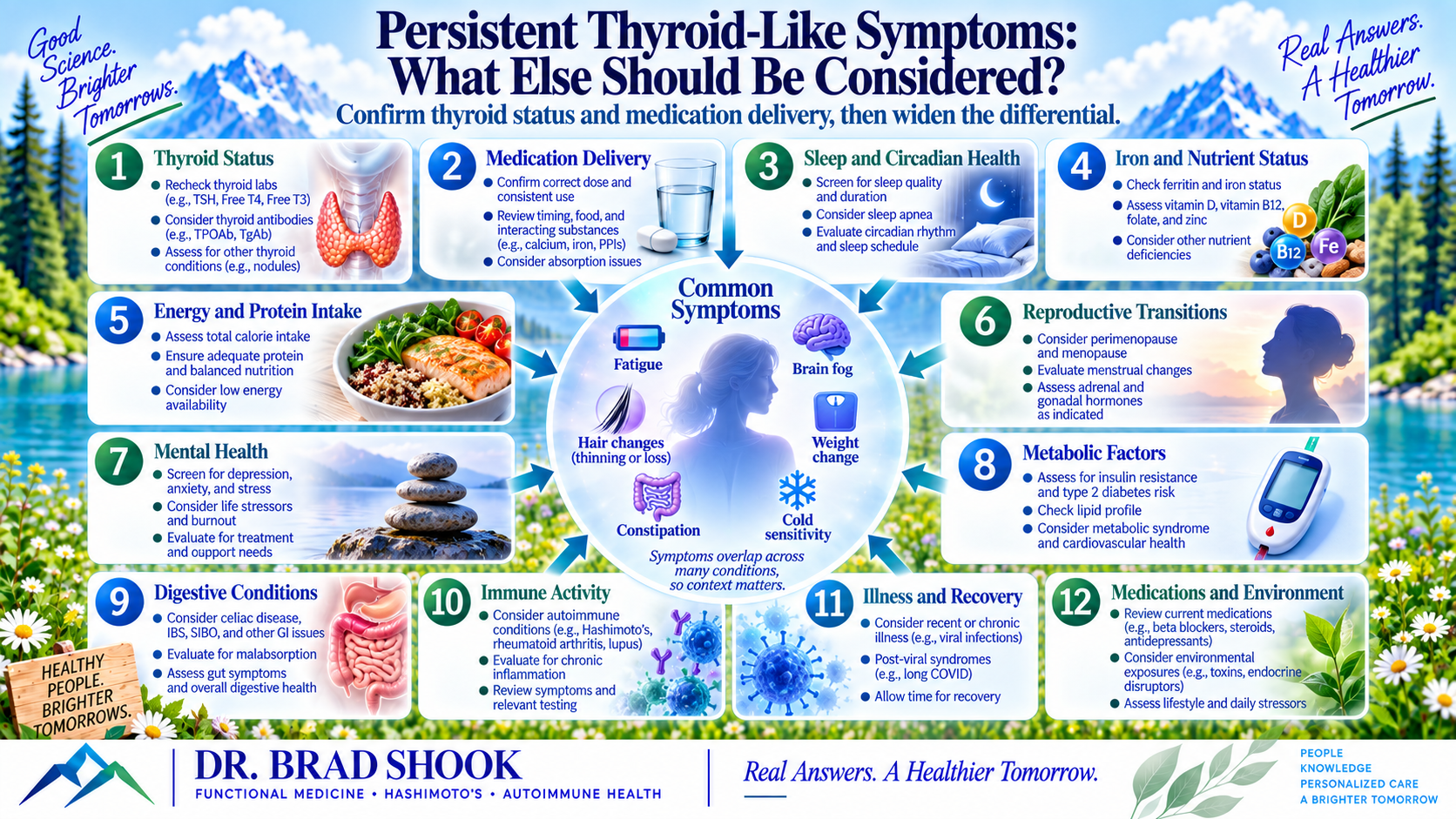
What Is a Functional Thyroid Evaluation Trying to Learn?
A functional evaluation is not defined by ordering the largest panel. It is defined by building a timeline, identifying the highest-value questions, choosing data that can change a decision, and integrating the results rather than treating one marker as the whole person.
The first layer still matters: determine whether thyroid hormone status is safe and adequately managed. The next layers ask whether autoimmunity is present, whether the pattern appears stable or changing, which parts of the physiological web fit the history, and which theories can be tested rather than merely named.
| Test | Primary question | Important limit |
|---|---|---|
| TSH | How strongly is the pituitary asking the thyroid to work? | Must be interpreted differently in pituitary disease, pregnancy, severe illness, and some medication contexts. |
| Free T4 | How much unbound T4 is available in blood? | Assay method, illness, medications, and timing can matter. |
| Total T4 | How much bound plus unbound T4 is present? | Changes in binding proteins can change the result without true hyperthyroidism or hypothyroidism. |
| Total or free T3 | Is T3 elevated in suspected hyperthyroidism or a selected clinical context? | T3 can remain normal in hypothyroidism; free T3 assays have limitations. |
| TPO and thyroglobulin antibodies | Is Hashimoto's disease a likely cause? | Antibody level alone does not measure current thyroid function or dictate treatment. |
| TSH receptor antibodies | Is Graves' disease or another TSH-receptor antibody process likely? | Used for a specific diagnostic question, not routine screening for every symptom. |
| Ultrasound | What does the gland look like? Are there nodules, enlargement, or structural changes? | Ultrasound does not replace blood tests of hormone function. |
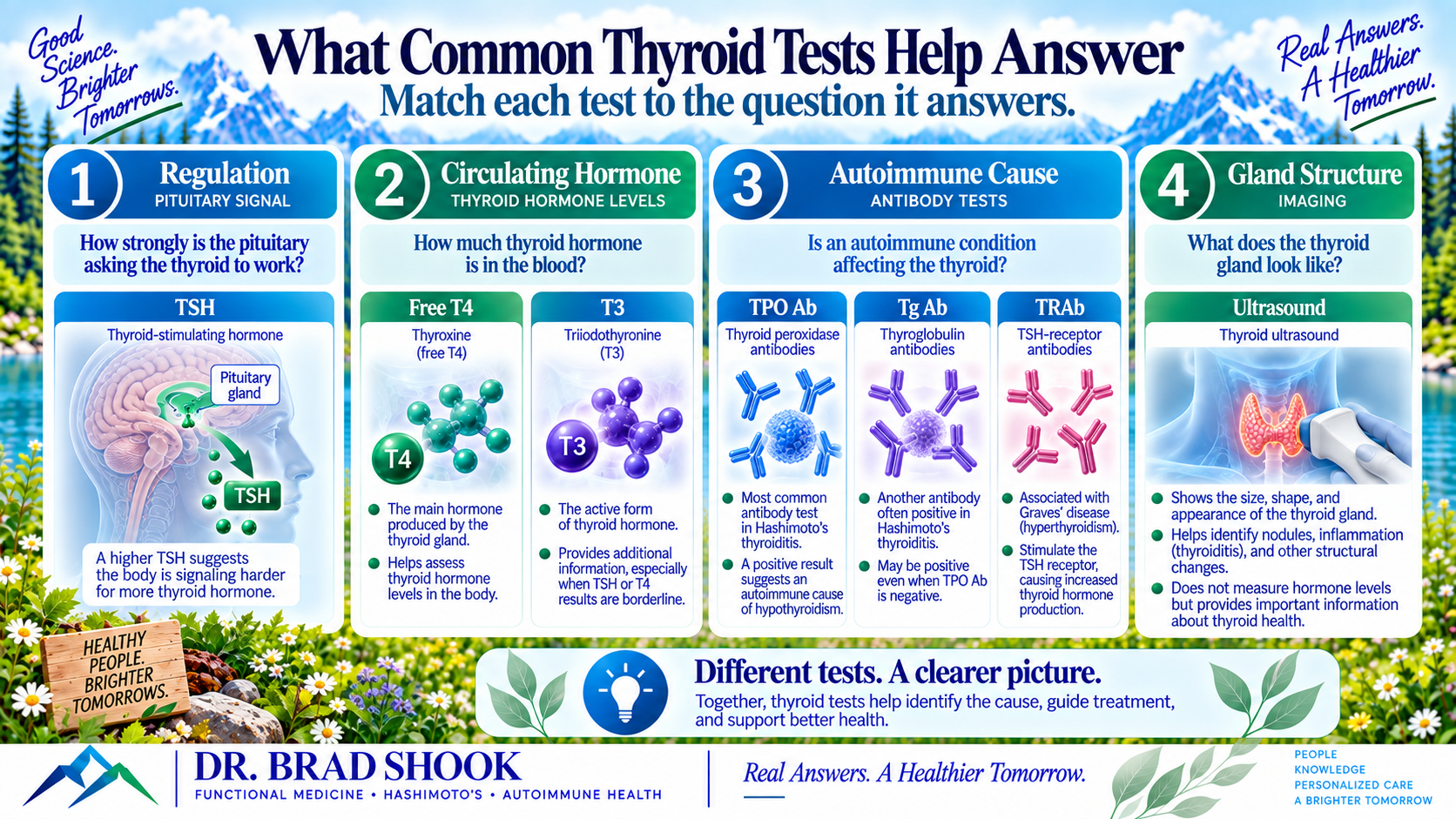
Foundational thyroid questions
Symptoms and timeline, TSH, free T4, selected T3 testing when clinically relevant, TPO and thyroglobulin antibodies, medication timing and absorption, thyroid examination, and imaging when a structural question exists.
Individualized web questions
Depending on the case: iron and nutrient status, celiac evaluation, digestive or absorption concerns, glucose regulation, liver health, reproductive transitions, sleep, stress load, infections, medication effects, environmental history, and other autoimmune patterns.
Evidence ladder: A plausible mechanism is not the same as a patient finding. A patient finding is not automatically the cause. A useful clinical theory should connect to the timeline, be measurable when possible, lead to a proportionate intervention, and survive reassessment.
For a broader look at how tests should be selected around clinical questions, see What Is Functional Medicine Testing?
Biotin can distort some thyroid test results. Tell your clinician and laboratory about hair, skin, nail, and multivitamin products. Follow their exact instructions about when to stop biotin before a blood draw rather than choosing a timing rule on your own.
What If You Take Thyroid Medication but Still Have Symptoms?
Thyroid hormone replacement can be essential, and it can work very well for the job it is designed to do. But replacing hormone does not necessarily explain why autoimmunity developed, remove every trigger or driver, correct an absorption problem, or resolve another condition producing similar symptoms. Persistent symptoms are therefore a reason to widen the investigation, not an instruction to abandon medication or automatically increase it.
- Was the blood draw timed consistently relative to medication and recent dose changes?
- Are calcium, iron, antacids, coffee, food, fiber, or other products interfering with absorption?
- Has the prescription, manufacturer, formulation, or routine changed?
- Is the dose too low, too high, or appropriate for the current situation?
- Are pregnancy, major weight change, gastrointestinal disease, surgery, or a new medication changing requirements?
- Could a non-thyroid condition better explain the remaining symptoms?
Blood testing is commonly repeated about six to eight weeks after starting levothyroxine or changing the dose because the system needs time to reach a new steady state. The prescribing clinician should direct medication changes. Dr. Shook's functional medicine work is designed to coordinate with that care, investigate the surrounding physiology, and give the patient and prescribing clinician better context for decisions.
The Customer Journey: From Confusion to a Testable Plan
The practical goal is not to collect the greatest number of theories. It is to move from an overwhelming story to a prioritized, measurable plan. Dr. Shook organizes that journey as DETECT → SUPPORT → REASSESS.
1. Orient
Learn the brain-to-cell pathway and the physiological web. Separate the diagnosis, current hormone status, autoimmune process, persistent symptoms, and possible contributors so they are no longer one undifferentiated problem.
2. DETECT
Build a detailed timeline. Review records, treatment response, family patterns, immune clues, digestion, nutrition, metabolism, hormones, sleep, stress, infections, exposures, and medication delivery. Choose testing only where it can clarify a decision.
3. SUPPORT
Keep appropriate medical management in place. Prioritize the most plausible and modifiable barriers, then use a focused combination of nutrition, lifestyle, digestive, metabolic, environmental, and other supports that fit the individual case.
4. REASSESS
Track symptoms, function, tolerance, adherence, relevant laboratory findings, and the patient's real-world capacity. Keep what is helping, change what is not, and avoid turning an early theory into a permanent label.
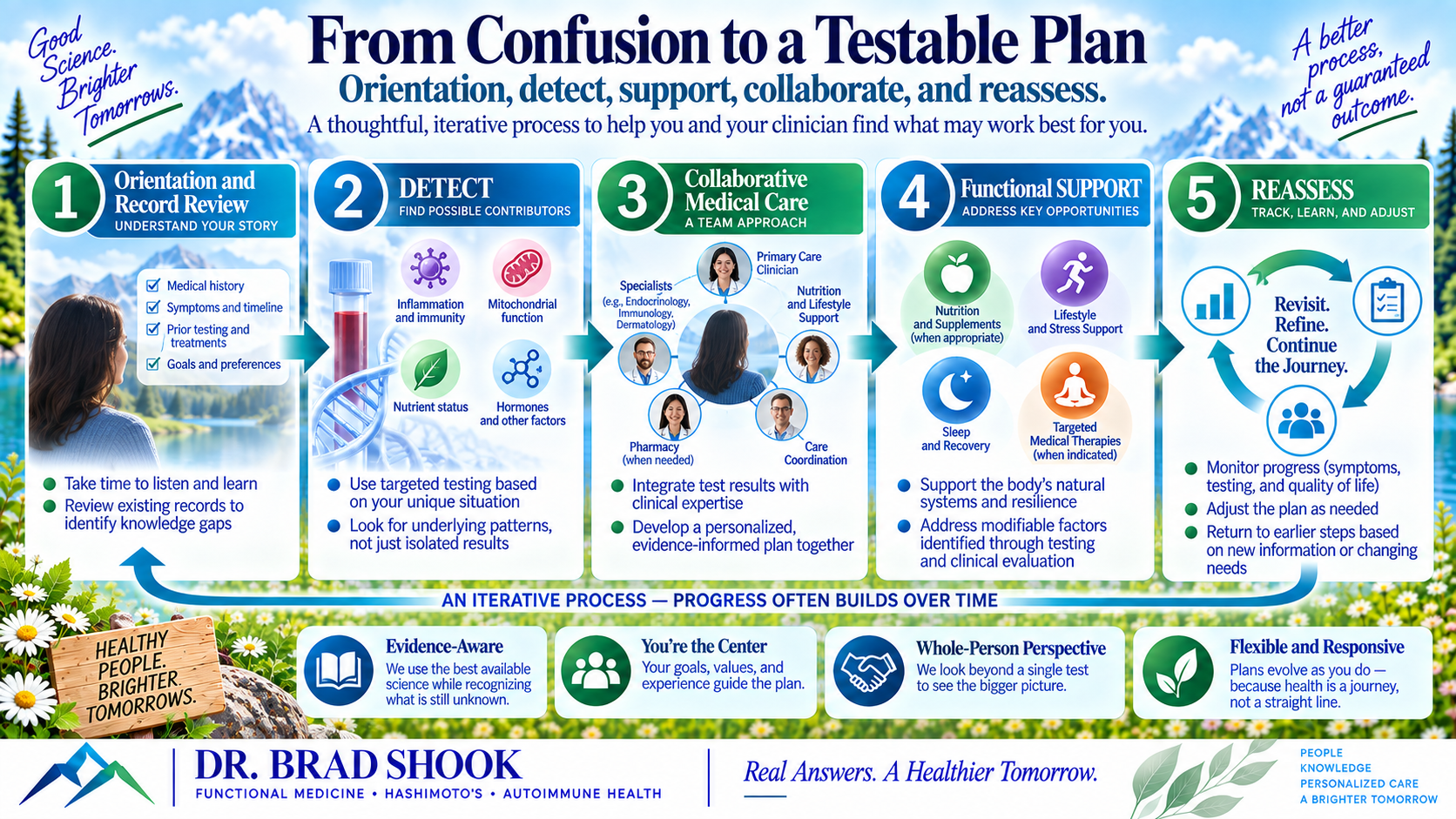
The promise is a better process, not a guaranteed outcome. Functional medicine creates room to investigate the parts of the case that may not be addressed by hormone replacement alone. It should remain collaborative, transparent about uncertainty, and willing to change direction when the evidence changes.
See the complete framework in The Hashimoto's Doctor Method and learn more about Functional Medicine for Hashimoto's Disease.
When Should Thyroid Symptoms Receive Prompt Medical Evaluation?
Contact a qualified clinician promptly for a new neck mass, rapidly enlarging thyroid, hoarseness, trouble swallowing, breathing difficulty, significant palpitations, fainting, chest pain, marked weakness, severe agitation, confusion, or major changes during pregnancy.
Severe hypothyroidism and severe thyrotoxicosis can become emergencies. Call emergency services for severe breathing difficulty, chest pain, fainting, profound confusion, extreme drowsiness, seizures, or another rapidly worsening symptom. Do not attempt to correct a possible thyroid emergency with extra medication, iodine, or supplements.
Frequently Asked Questions About How the Thyroid Works
What does the thyroid gland do?
The thyroid gland makes mostly thyroxine, or T4, and a smaller amount of triiodothyronine, or T3. Thyroid hormone helps regulate energy use, temperature, heart and muscle function, digestion, menstrual function, growth, and brain function.
What is TSH and why is it tested?
Thyroid-stimulating hormone, or TSH, is made by the pituitary gland and signals the thyroid to make hormone. It is usually the first blood test used to assess thyroid function because it changes in response to the amount of thyroid hormone the pituitary senses.
What is the difference between T4 and T3?
T4 is the main hormone released by the thyroid and serves as a stable circulating supply. T3 is more biologically active. Much of the body's T3 is made when enzymes remove one iodine atom from T4 in tissues.
Can you have thyroid-like symptoms with normal thyroid tests?
Yes. Fatigue, weight change, brain fog, hair changes, constipation, cold sensitivity, and mood symptoms overlap with many conditions. When thyroid function is normal, other causes should be investigated rather than assuming that more thyroid hormone is the answer.
Does a normal TSH rule out every thyroid problem?
A normal TSH usually supports normal thyroid function in a generally healthy person, but interpretation depends on context. Pregnancy, acute illness, medications, pituitary disease, timing, and assay interference can change which tests are needed.
Which tests are commonly used to evaluate thyroid function?
TSH and free T4 are the core tests in many situations. T3 is especially useful in selected cases of suspected hyperthyroidism. Thyroid antibodies may help identify Hashimoto's disease or Graves' disease, while ultrasound evaluates gland structure and nodules rather than replacing blood tests of function.
Are Hashimoto's disease and hypothyroidism the same thing?
No. Hashimoto's disease is an autoimmune process that can inflame and damage the thyroid. Hypothyroidism describes inadequate thyroid hormone effect, most commonly from low gland output. A person can have Hashimoto's antibodies while thyroid hormone levels are still normal.
Why can symptoms persist while taking levothyroxine?
The dose may need review, medication timing or absorption may be inconsistent, another medicine or supplement may interfere, or a separate condition may be causing similar symptoms. Do not change or stop thyroid medication without the prescribing clinician.
What does a functional medicine approach add to thyroid care?
It adds a structured investigation of the person's timeline, immune activity, digestive and absorption patterns, nutrients, metabolism, hormones, sleep, stress, infections, exposures, and treatment response. These areas are prioritized according to the case, tested when useful, and reassessed. This work complements appropriate medical diagnosis and medication management.
Can biotin affect thyroid blood tests?
Yes. Biotin can interfere with some laboratory assays and make thyroid results appear abnormal even when blood hormone levels are not. Tell the clinician and laboratory about biotin and follow their instructions before testing.
Watch Next: Why Your Doctor May Not Be Able to Help Your Thyroid Problem
The original learning path continues into a second lesson about persistent symptoms. A busy medical visit is often designed to diagnose disease, rule out danger, and manage medication. It may not be structured to map years of history across immune, digestive, metabolic, hormonal, nutritional, lifestyle, and environmental layers. That gap is the opportunity functional medicine is designed to explore.
Could Dr. Shook's Telemedicine Process Be Your Next Step?
This page is meant to create a new opportunity: to stop treating every symptom as an isolated problem and begin organizing the case as a whole.
This may be a fit if...
You have Hashimoto's or persistent thyroid-related concerns, feel that important relationships have not been explored, are willing to gather records and complete a detailed history, value objective follow-up, and want functional medicine work that can coexist with your prescribing clinician.
This is not a replacement for...
Emergency care, thyroid cancer evaluation, management of a rapidly changing neck mass, pregnancy-related thyroid prescribing, or independent changes to prescription medication. Those needs should remain with the appropriate licensed medical professional.
Dr. Shook works by telemedicine with appropriate clients, reviewing the timeline, existing records, current treatment, physiological-web patterns, priorities, and realistic next steps. The application process is designed to determine fit before either side commits to care.
References and Clinical Resources
- Kharrazian Institute. Hashimoto's Course Four: Clinical Strategies and Treatment Applications. Professional education course and presentation materials, 2020. Used for the physiological-web, staged-process, comprehensive-evaluation, trigger-and-driver, and individualized reassessment frameworks.
- Dr. Brad Shook. Understanding How Your Thyroid Works. Original patient education video and brain-to-cell teaching model.
- National Institute of Diabetes and Digestive and Kidney Diseases. Thyroid Tests.
- National Institute of Diabetes and Digestive and Kidney Diseases. Hashimoto's Disease.
- National Institute of Diabetes and Digestive and Kidney Diseases. Hypothyroidism.
- American Thyroid Association. Thyroid Function Tests.
- American Thyroid Association. Hashimoto's Thyroiditis.
- American Thyroid Association. Thyroid Hormone Treatment.
- Mullur R, Liu YY, Brent GA. Thyroid Hormone Regulation of Metabolism. Physiological Reviews. 2014.
- Brent GA. Mechanisms of Thyroid Hormone Action. Journal of Clinical Investigation. 2012.