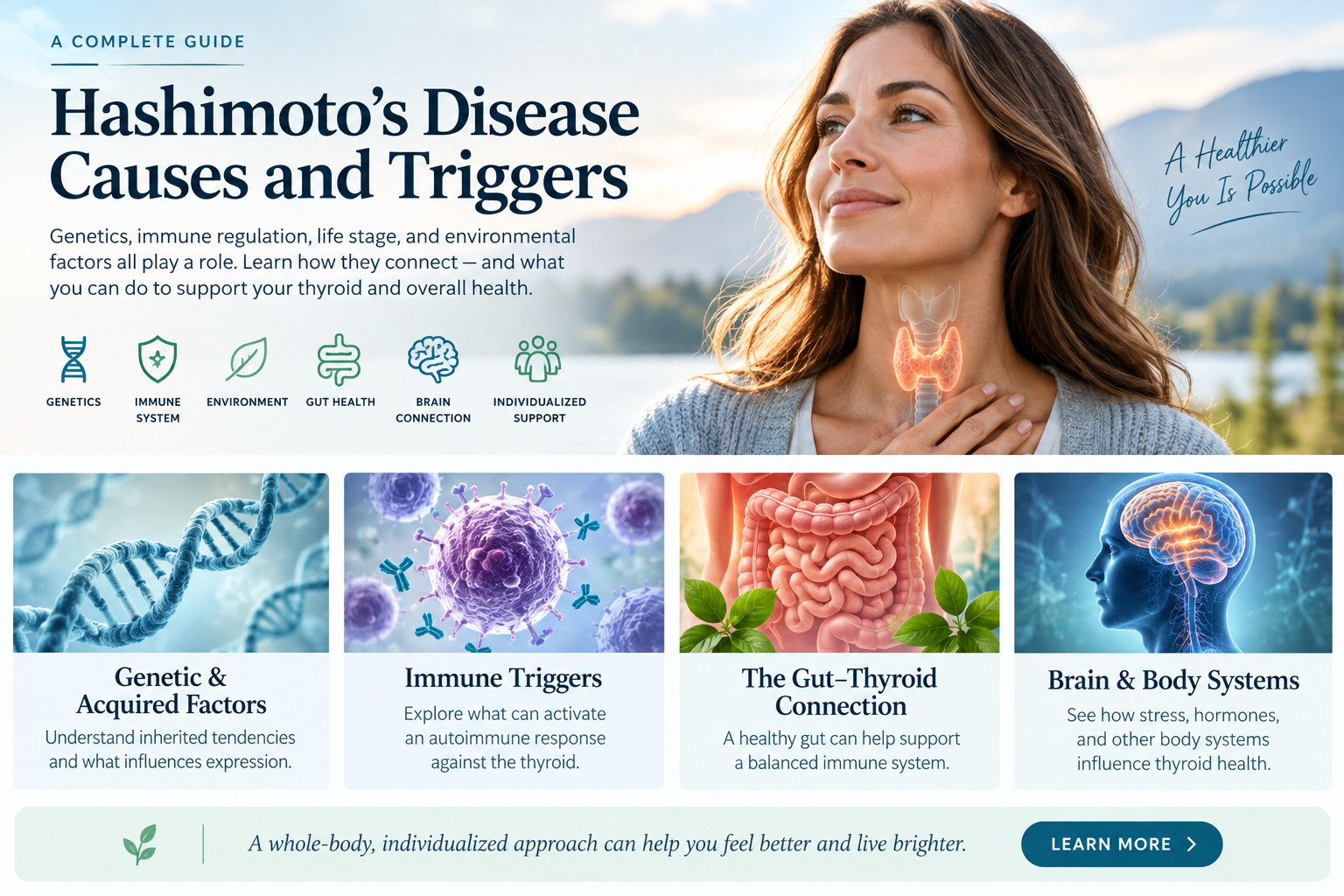
Hashimoto's Disease Causes and Triggers
A cause explains why a disease developed. A trigger is something that may have helped switch on or intensify the autoimmune response. A driver is something that may continue feeding that response after it has begun. The same factor can sometimes act as both a trigger and a driver, but the terms do not mean exactly the same thing.
Hashimoto's is an autoimmune thyroid condition. That means the immune system mistakenly reacts to and attacks proteins in the thyroid. The resulting inflammation can damage thyroid cells, and the gland may gradually lose its ability to make enough thyroid hormone. Some people have thyroid antibodies for years before thyroid hormone production changes. Others first learn they have Hashimoto's after symptoms or abnormal thyroid tests appear.
The important question is not only, “What causes Hashimoto's?” It is also, “What combination of susceptibility, triggers, drivers, physiology, and environmental factors appears to be shaping my health now?” That question creates a practical roadmap. I look at your history, symptoms, records, labs, diet, lifestyle, exposures, medications, and other relevant information to identify the highest-priority patterns, build a focused plan, and learn from how your autoimmunity responds.
How Hashimoto's Connects to the Rest of Your Health
I call this the physiological web of Hashimoto's. It simply means that your thyroid, immune system, brain, digestive tract, liver, metabolism, hormones, and environment can influence one another. Hashimoto's is rarely as simple as thyroid antibodies leading directly to low thyroid hormone and one predictable set of symptoms.
Thyroid and immune connection
Thyroid antibodies, immune-cell activity, inflammation, oxidative stress, thyroid swelling, and the amount of healthy thyroid tissue can all influence what happens. An antibody number alone cannot explain how much tissue has been affected or how a person feels.
Brain and nervous system connection
Thyroid hormone levels, sleep, nutrient status, medications, mood, inflammation, and neurological conditions can influence attention, memory, balance, energy, and mental endurance. Brain symptoms need their own evaluation instead of being blamed automatically on thyroid antibodies.
Gut and microbiome connection
Low thyroid function can slow movement through the digestive tract and contribute to constipation. Celiac disease, gastritis, food reactions, intestinal inflammation, microbial imbalance, and poor nutrient absorption can affect how you feel and how consistently thyroid medication is absorbed.
Liver and metabolic connection
Your liver helps process hormones, support thyroid-hormone conversion, manage chemicals, and regulate cholesterol. Blood sugar problems and metabolic stress can also affect inflammation, energy, and immune signaling.
Female hormone connection
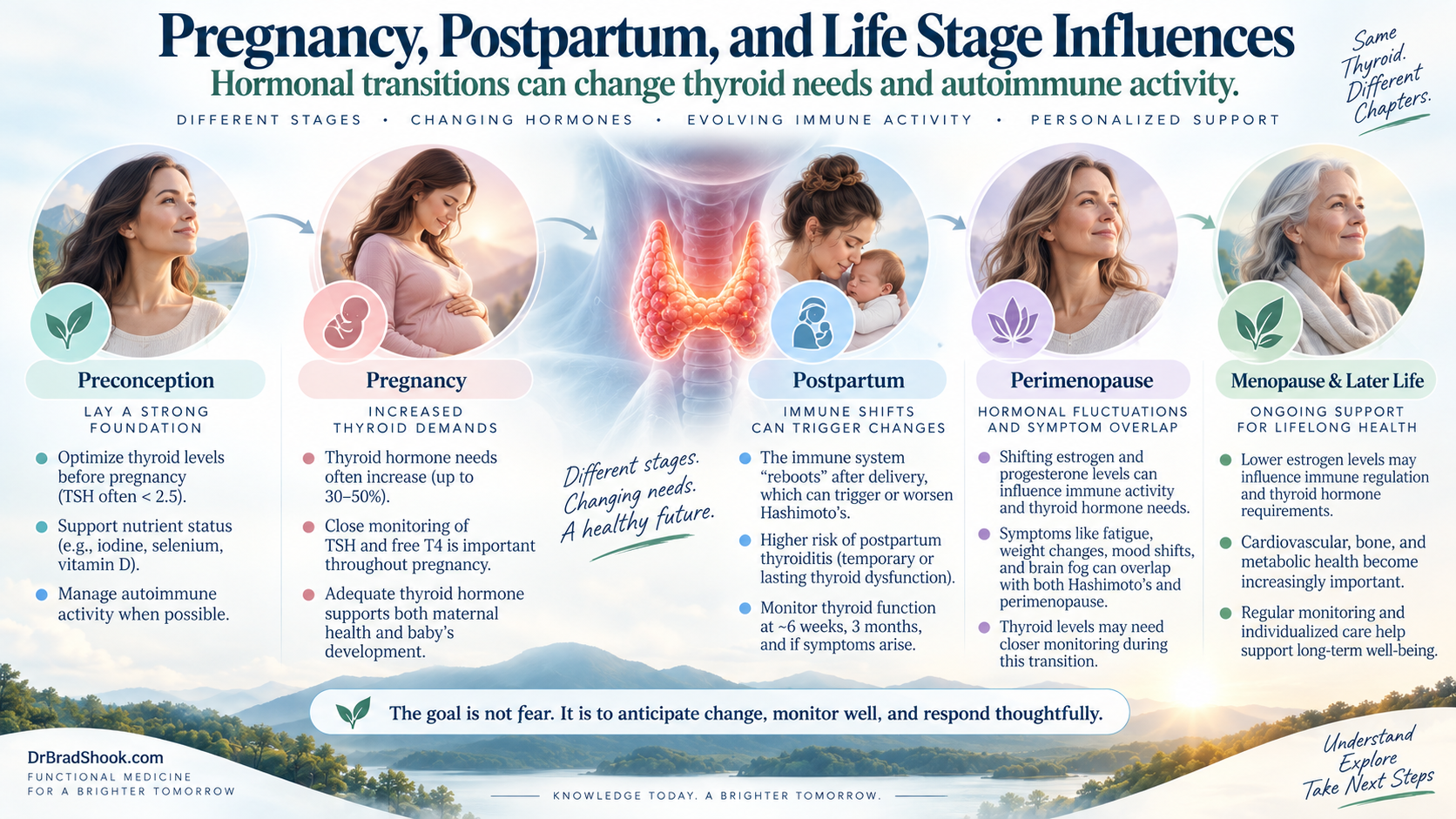
Menstrual cycles, pregnancy, postpartum immune shifts, perimenopause, ovarian function, and estrogen-related changes can affect thyroid needs, immune activity, symptoms, and medication response.
Environment and life-stage connection
Diet, infections, pollutants, medications, sleep, exercise, stress, work demands, and major life changes do not stay the same forever. Something that matters during one phase of your life may become less important or more important later.
The goal is to turn this complex web into a clear sequence. First, identify the most important patterns. Next, support the areas most likely to influence several connected systems. Then track what changes so the plan can become more precise over time.
Learn more about these relationships in the guides to thyroid brain fog and memory changes and intestinal barrier function and autoimmunity.
Symptoms That Can Occur With Hashimoto's
Hashimoto's can exist before obvious hypothyroidism develops. When thyroid hormone production becomes insufficient, possible symptoms include fatigue, feeling cold, constipation, dry skin, hair changes, slowed thinking, low mood, muscle or joint discomfort, menstrual changes, fertility concerns, weight gain, and difficulty losing weight. Some people notice neck fullness or an enlarged thyroid.
These symptoms are not specific to Hashimoto's. Iron or vitamin B12 deficiency, sleep disorders, blood sugar changes, medication effects, depression, menopause, infection, and other autoimmune conditions can create similar problems. That is why symptoms, thyroid tests, antibodies, history, and the broader health picture should be considered together. Read more about the relationship between Hashimoto's and brain fog and weight changes.
Established Hashimoto's Risk Factors
Hashimoto's becomes more likely when inherited susceptibility, changes in immune function, and important life stages overlap. These factors can increase risk, but they do not determine your future or explain everything that changed in your case.
Iodine is essential for thyroid hormone production, but excessive intake from supplements or concentrated seaweed can worsen thyroid dysfunction in susceptible people. Medications including amiodarone, lithium, and some cancer immunotherapies can also affect thyroid function. Medication changes should be coordinated with the prescribing clinician.
Two Broad Hashimoto's Patterns: Genetic and Acquired
A practical way to understand Hashimoto's is to look for two broad patterns. In a strongly genetic pattern, Hashimoto's or other autoimmune diseases tend to run through the family. In a more acquired pattern, an infection, food-related immune reaction, pregnancy or postpartum change, medication, prolonged stress, barrier problem, or chemical exposure may appear to play a larger role in when the disease began. Many people have some of both.
The point is not simply to give your Hashimoto's a label. Understanding which pattern appears stronger can improve the starting point for your health timeline, testing, prognosis, and plan. A past immune event does not automatically mean an infection is still active, and an antibody result alone does not prove exactly what caused Hashimoto's.
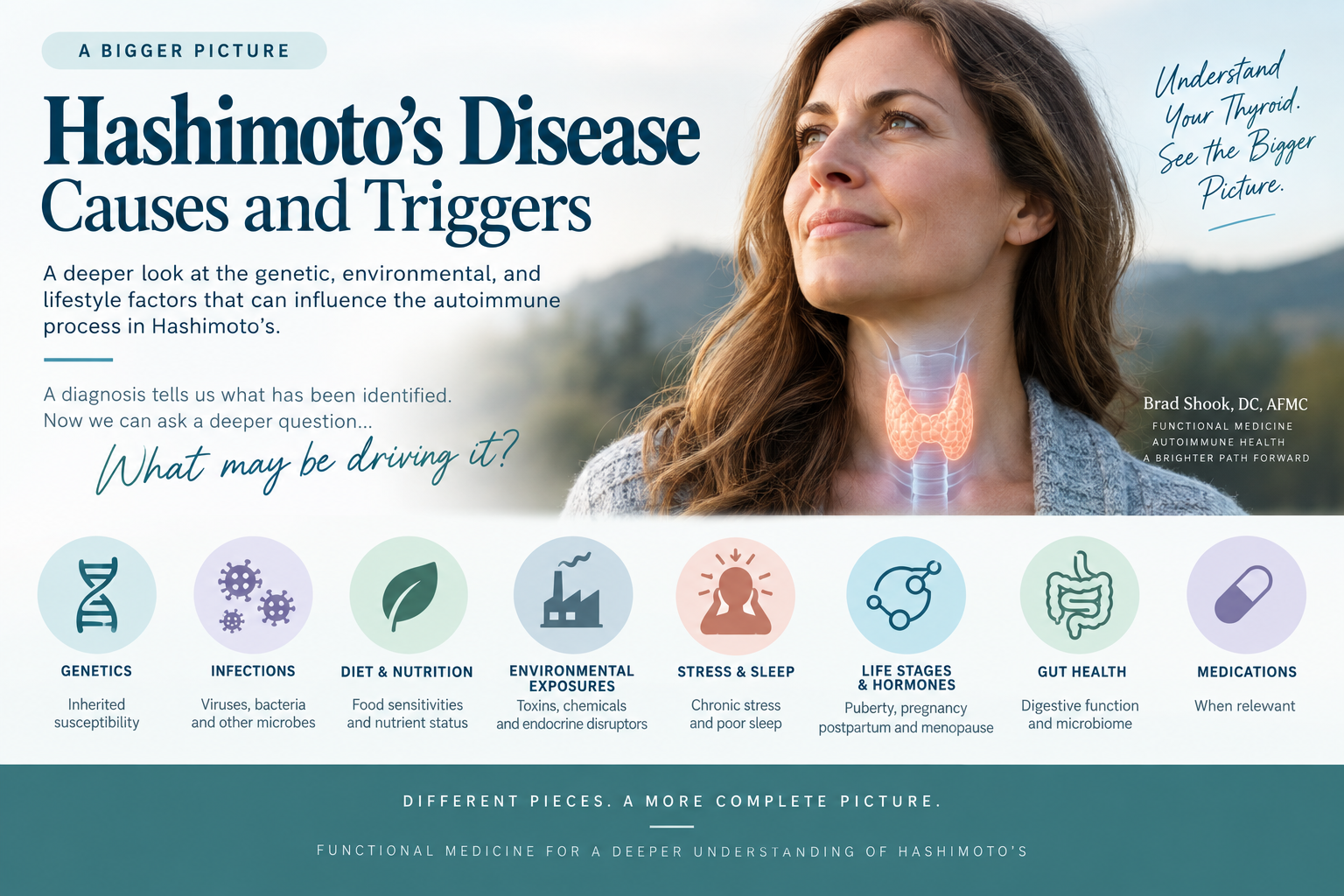
Hashimoto's Disease Causes: Three Key Factors
Three areas deserve attention together: genetic predisposition, possible immune triggers, and the health of the body's protective barriers. Thinking through all three can help you understand where Hashimoto's may have started, what may still be driving it, and where a more individualized plan can begin.
Genetic predisposition
Your genes help shape how the immune system responds and how vulnerable the thyroid may be. Important family patterns can include Hashimoto's, Graves' disease, celiac disease, type 1 diabetes, rheumatoid arthritis, pernicious anemia, lupus, or other autoimmune conditions.
A possible immune trigger
An immune trigger is something the immune system reacts to. It may involve a food protein, an infection, a chemical exposure, a medication, a major hormonal transition, prolonged stress, or another important event. Building your health timeline helps narrow the possibilities instead of assuming that everyone with Hashimoto's has the same trigger.
Your protective barrier systems
Your intestinal lining, airways, mouth, and skin form protective barriers between the outside world and your bloodstream. Digestive symptoms, celiac disease, intestinal inflammation, oral health, infections, food reactions, and poor nutrient absorption can provide clues that one or more of these barriers needs closer attention.
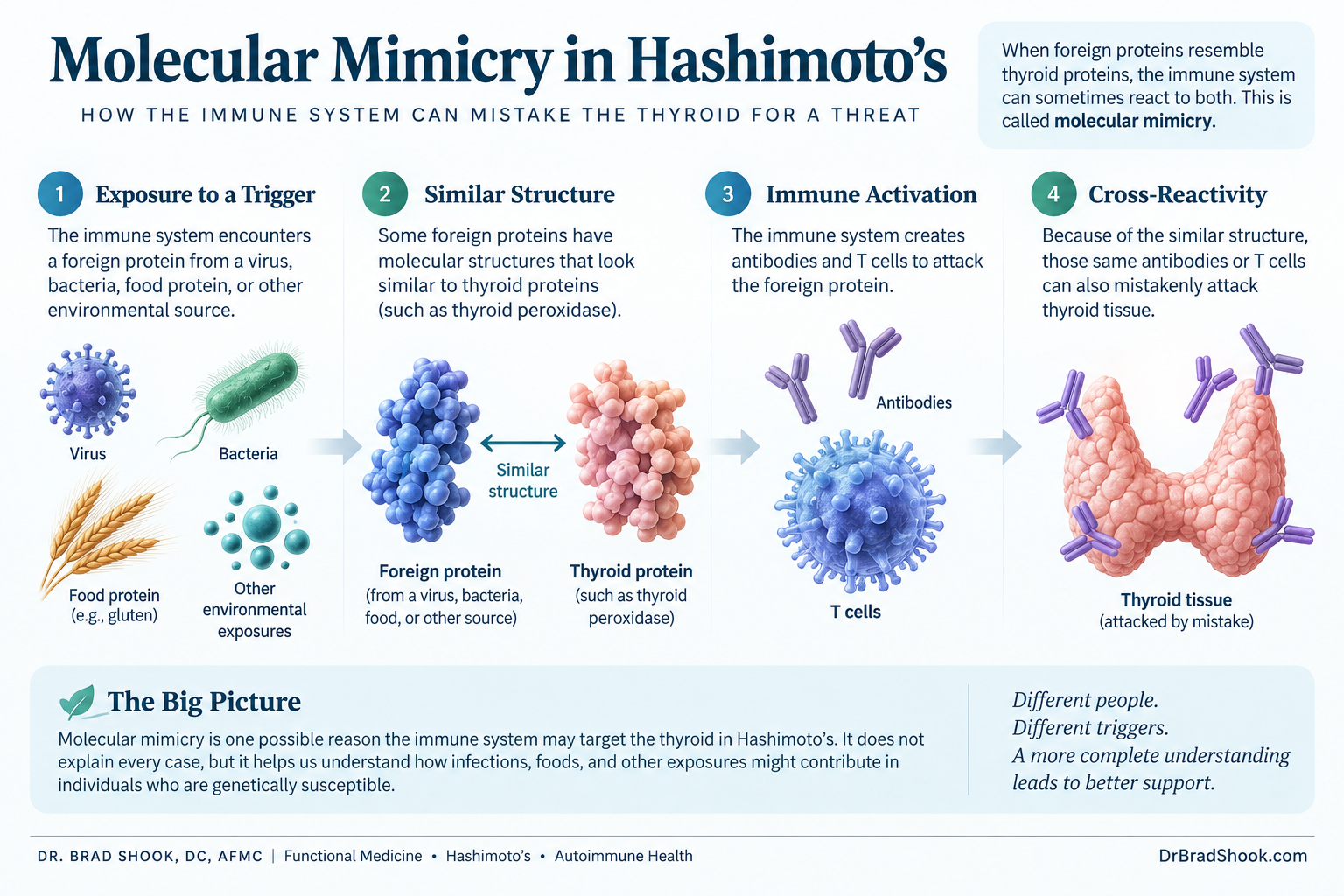
Molecular Mimicry, Cross-Reactivity and Immune Loss of Tolerance
Your immune system is supposed to recognize the difference between your own tissues and something foreign. This ability is called immune tolerance. In Hashimoto's, that recognition breaks down and the immune system begins reacting to proteins in the thyroid. Genetics, immune-regulating cells, inflammation, oxidative stress, tissue injury, and outside triggers may all help explain how that change occurs.
Molecular mimicry is one possible example. Think of it as a case of mistaken identity: part of a food, microbe, or other substance looks enough like part of your own tissue that the immune response may react to both. Cross-reactivity is the term used when that immune response recognizes more than one similar target. These mechanisms do not explain every case, but they create specific questions that can be investigated through your timeline, symptoms, thyroid findings, digestive and infection history, exposures, and appropriate immune testing.
Other ways an immune trigger may influence thyroid autoimmunity
- Bystander activation: the immune system responds to an infection or injury, but nearby tissue can become caught in the inflammatory response.
- Epitope spreading: continued tissue damage exposes additional parts of the thyroid, and the immune system begins recognizing more targets over time.
- Cryptic antigen exposure: infection, inflammation, or tissue damage reveals parts of the thyroid that were previously less visible to the immune system.
- Protein modification: chemicals, oxidative stress, or other processes alter a normal protein enough that the immune system may begin treating it as unfamiliar.
These mechanisms give us new ways to investigate Hashimoto's, but they do not mean that every infection, food reaction, or chemical exposure caused the disease. Symptoms alone cannot tell you which mechanism is operating.
What objective immune testing can and cannot tell us
There is no single test that identifies the root cause of Hashimoto's. Different tests answer different questions. A standard thyroid panel can show how well the thyroid is functioning and whether common thyroid antibodies are present. Other tests may look for immune reactions involving the intestinal barrier, bacterial toxins, wheat or other foods, the body's own tissues, chemicals that have attached to human proteins, or past pathogen exposure. Lymphocyte immunophenotyping is a different type of test that measures the numbers and proportions of several immune-cell groups.
These results do not all mean the same thing. A tissue antibody does not by itself diagnose another autoimmune disease. Pathogen IgG, which is one type of antibody, shows that the immune system recognizes that pathogen, but it does not prove an acute infection. Chemical immune reactivity is different from measuring how much of a chemical is present in blood or urine. An antibody involving an intestinal barrier protein does not prove that one gut problem caused Hashimoto's.
I use these findings as pieces of an individual immune and physiological fingerprint. They become more meaningful when they are interpreted alongside your history, timeline, symptoms, standard laboratory results, and response to a focused plan.
Why this matters: Testing can give you a more specific starting point. The goal is to answer the most important questions in your case, establish a baseline, and then reassess what changes. It is not necessary to order every available test or expect one result to explain everything.
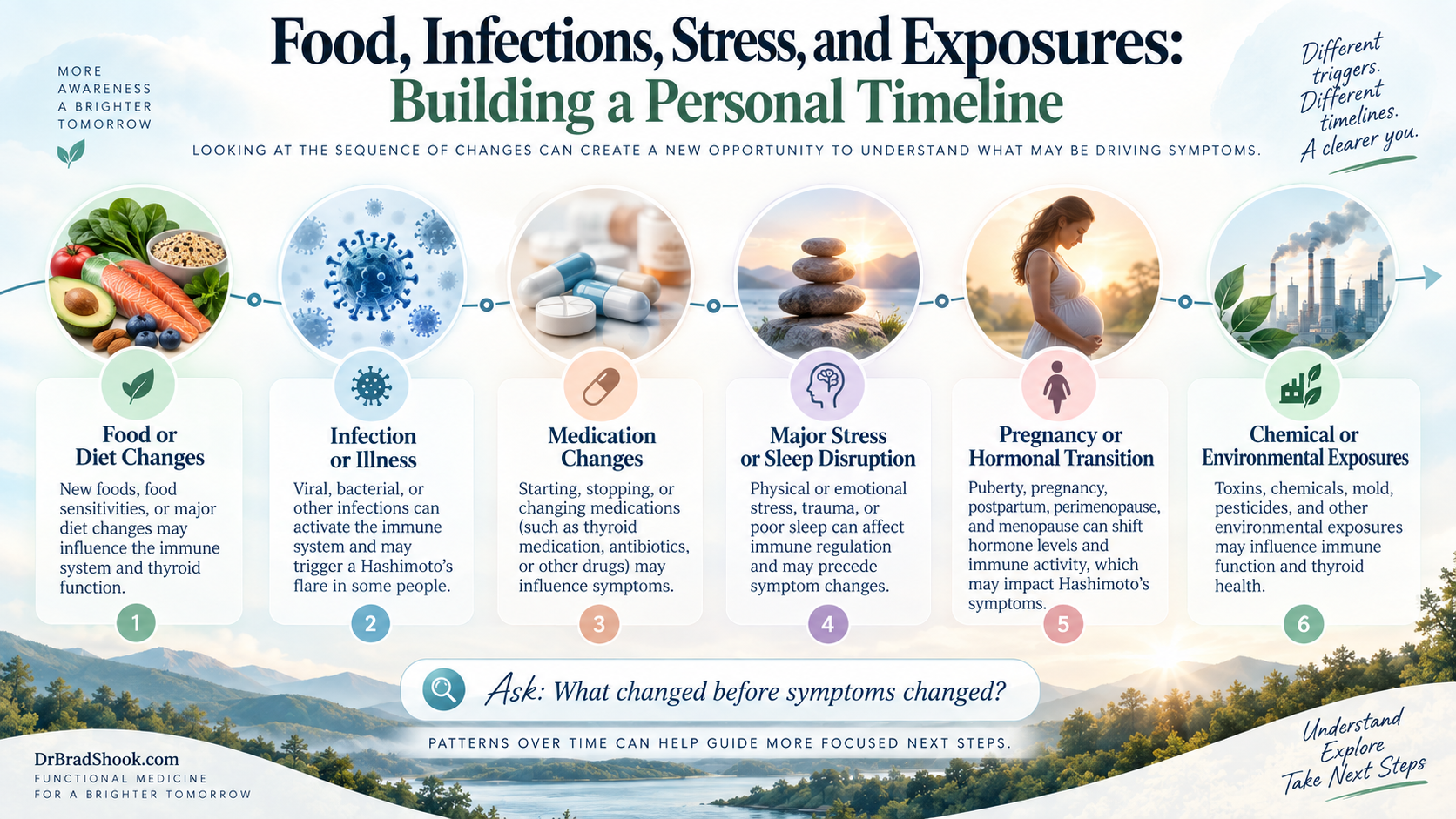
Foods, Infections, Chemicals and the Gut Barrier
Food immune reactions, infections, chemical exposures, and changes in the intestinal barrier can all provide important clues, but they will not look the same in every person. Intestinal permeability is the medical term for a gut lining that allows substances to cross more easily than they should. Celiac disease has a well-established relationship with autoimmune thyroid disease. Other food reactions, infections, digestive disorders, and chemical exposures may also matter when they fit your history, symptoms, and measurable findings.
Food and nutrients
Consider celiac disease, food immune reactions, allergy, intolerance, dietary adequacy, selenium and other nutrient status, essential fatty acids, and both iodine deficiency and excess.
Infections
A past or current infection may alter immune activity and symptoms. The timeline, exposure history, symptom pattern, examination, and targeted pathogen screening can help determine whether it deserves attention.
Environmental exposures
Endocrine-disrupting chemicals, workplace exposures, household products, contaminated food or water, and other toxicants may affect hormone biology and immune regulation. Exposure history and selected blood or urinary testing can help establish a baseline. For a deeper discussion, see chemical exposures and Hashimoto's.
Gut and barrier systems
Celiac disease, gastritis, inflammatory bowel disease, intestinal inflammation, altered digestion, and barrier dysfunction can affect immune exposure, nutrient absorption, symptoms, and thyroid medication absorption.
Blood sugar and metabolism
Large glucose swings, insulin resistance, undereating, and poor metabolic recovery can add physiological stress and amplify inflammatory signaling. Meals, energy patterns, metabolic laboratory findings, and individual response help clarify this part of the web.
Stress, sleep, and exercise
Sleep loss, prolonged psychological stress, sedentary behavior, and exercise that exceeds recovery capacity can influence symptoms and immune regulation. The appropriate level of activity and recovery changes with the individual and the stage of the process. If exercise tolerance or recovery is a major concern, see Hashimoto's and exercise recovery.
Five Important Hashimoto's Factors to Investigate
Selenium, wheat and gluten, iodine, molecular mimicry, and intestinal health are five important areas to understand. Any one of them may be highly relevant for one person and much less important for another, so they should not be turned into the same prescription for everyone.
1. Selenium status
Selenium is required for enzymes that help activate and deactivate thyroid hormone and protect thyroid tissue from oxidative stress. Low status, restricted diets, digestive problems, or poor absorption may increase the importance of assessment. More is not always better, so supplementation should be based on the person's intake, health history, testing, and total exposure.
2. Wheat, gluten, and celiac disease
Celiac disease is more common in people with autoimmune thyroid disease. When celiac disease is present, strict gluten avoidance is medically necessary. A person without diagnosed celiac disease may still have a food immune reaction, allergy, intolerance, or digestive response worth investigating. The decision should be tied to symptoms, immune findings, nutritional consequences, and response, not a one-size-fits-all rule. See the deeper guide to gluten, celiac disease, and Hashimoto's. For the broader food framework, continue to my Hashimoto's diet guide or the specific discussion of dairy and Hashimoto's.
3. Iodine balance
Iodine is necessary for thyroid hormone production. Too little can impair thyroid function, but too much can provoke thyroid dysfunction or increase autoimmune activity in susceptible people. High-dose iodine and concentrated kelp or seaweed products should not be used casually. The right approach depends on dietary intake, supplements, medications, thyroid function, antibodies, pregnancy status, and other clinical factors.
4. Molecular mimicry and immune cross-reactivity
Cross-reactivity may help explain why the immune response remains active in some people. When this mechanism is suspected, the goal is to identify a coherent pattern across the timeline, symptoms, immune reactions, digestive function, infections, exposures, and laboratory findings rather than rely on one isolated result.
5. Intestinal repair and barrier support
The digestive tract is a major interface between the immune system and the outside world. A plan may need to address digestion, celiac disease, inflammatory conditions, microbial balance, food reactions, nutrient absorption, and the integrity of the intestinal barrier. The starting point and sequence should be individualized.
How Hashimoto's May Change Over Time
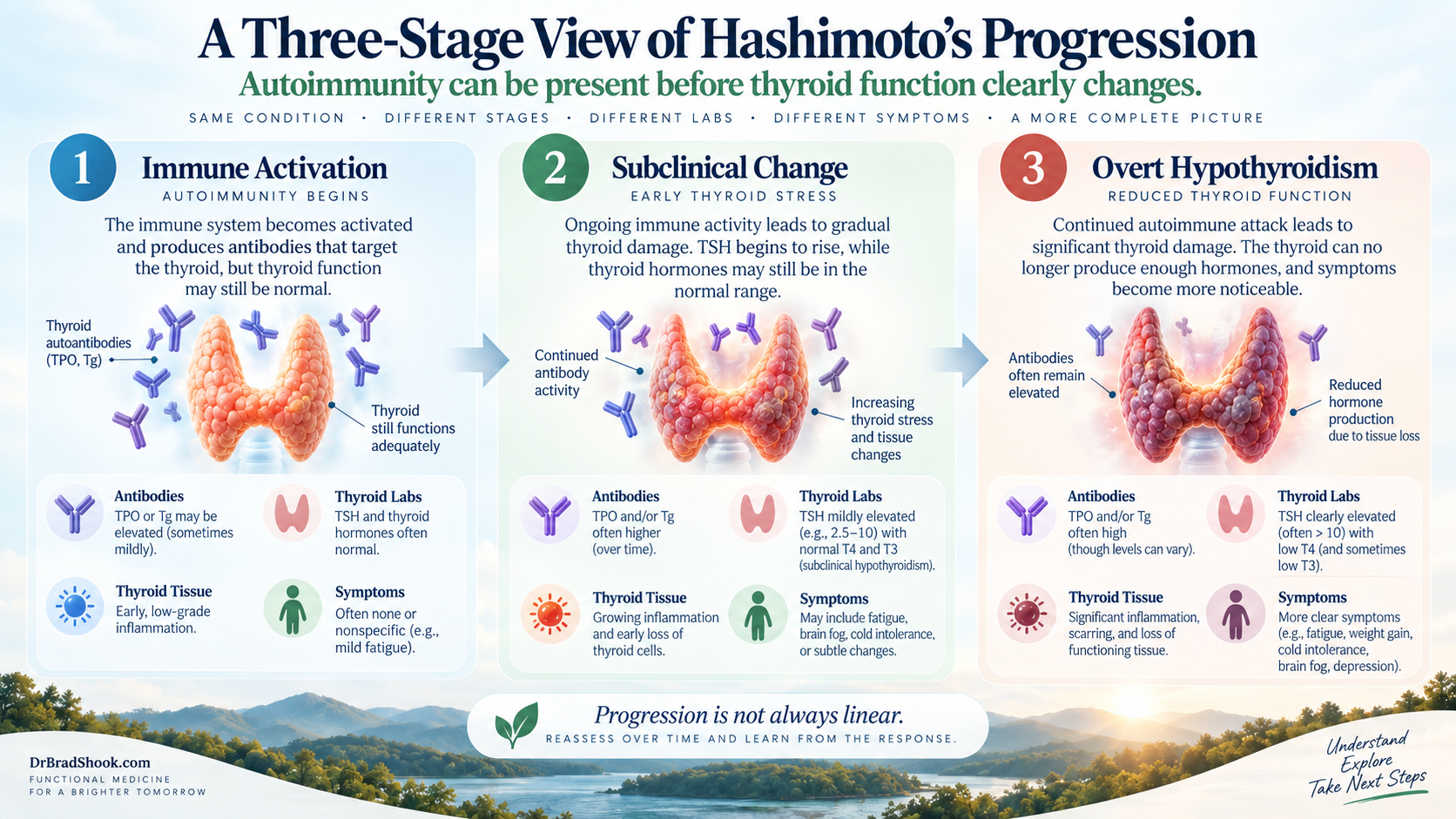
This is often described as the three-stage model of Hashimoto's. Understanding where you are in the process can help clarify what needs attention. In the first stage, antibodies or other signs of autoimmunity may be present without obvious symptoms or loss of thyroid function. In the second, immune activity continues and symptoms or other changes may appear even though the thyroid still produces enough hormone to avoid overt hypothyroidism. In the third, enough thyroid tissue has been affected that clinical hypothyroidism develops.
Subclinical hypothyroidism can appear during this continuum when TSH is elevated but circulating free thyroid hormone remains within the laboratory range. It is a laboratory description, not a complete explanation of the person's autoimmune or physiological state.
Progression is not always linear. Antibodies can fluctuate, and thyroid function can remain stable for long periods. Testing at one moment provides a snapshot, so changes in symptoms, medications, pregnancy status, nutrient status, and thyroid laboratory values should be followed over time.
Hashimoto's with a normal TSH
A normal TSH does not make persistent symptoms imaginary, and it does not prove that every symptom comes from the thyroid. It means the investigation should look at the full thyroid pattern and other possible contributors, including anemia, blood sugar regulation, sleep, gut health, nutrient status, medication effects, stress physiology, infection, and coexisting autoimmunity.
Hashimoto's Flare-Ups: What Can Make Symptoms Feel Worse?
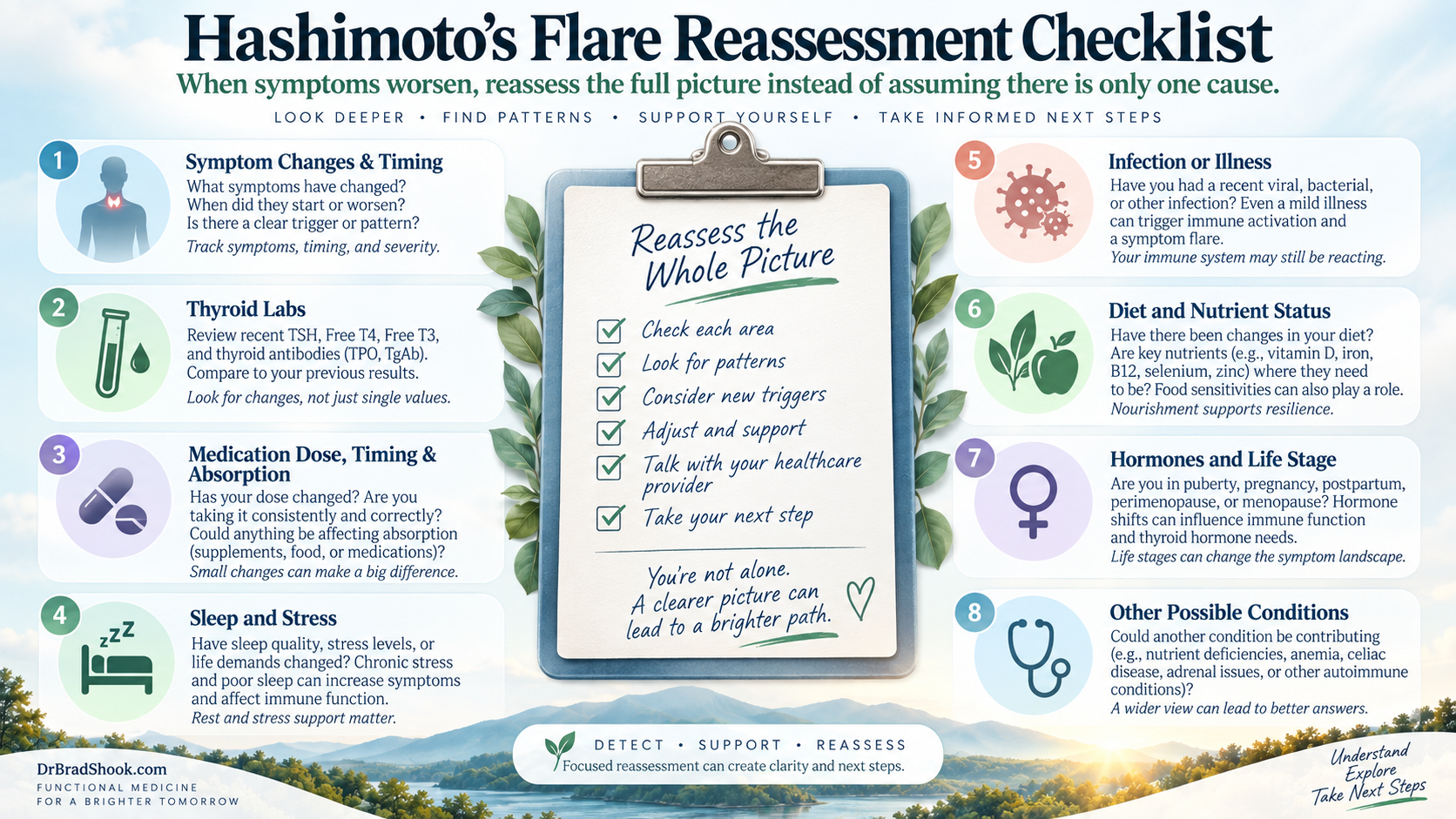
People often use the word flare for worsening fatigue, brain fog, pain, gut symptoms, or mood. The change may reflect thyroid dose or absorption, infection, anemia, sleep loss, medication effects, pregnancy, menopause, calorie restriction, overtraining, depression, another autoimmune condition, or a non-thyroid problem.
Get urgent help for chest pain, fainting, severe shortness of breath, confusion, very low body temperature, pregnancy with significant symptoms, or rapidly changing neck swelling. These are not self-experiment situations.
Tips for understanding a possible flare
- Write down when symptoms changed and what changed in the weeks before them.
- Track sleep, stress, meals, digestion, menstrual or hormonal changes, illness, travel, and exposures.
- Review supplements and medications, including timing and anything that could affect thyroid medication absorption.
- Use symptoms and appropriate laboratory testing to establish a new baseline.
- Change the plan in a focused way, then reassess the response.
A More Individualized Way to Understand Hashimoto's
I use the Environmentally Induced Autoimmunity model to look for what may be triggering, amplifying, or continuing the autoimmune process, not only what your TSH says or which symptoms you have. Think of it as a map of your Hashimoto's. It brings together your thyroid and immune activity, brain function, gut health, metabolism, liver function, nutrient status, hormones, stress, sleep, infections, chemical exposures, medications, and the way your body responds.
This creates a new opportunity. Instead of assuming that everyone with Hashimoto's needs the same diet, supplements, or testing, you can identify a more specific starting point and build the plan around what is most relevant to you.
DETECT
Establish a starting point using your health history, timeline, symptoms, examination, and laboratory testing. Depending on your case, testing may look at thyroid and metabolic function, nutrients, essential fatty acids, intestinal barriers, digestion and stool findings, food or chemical immune reactions, pathogen responses, chemical exposure, tissue antibodies, or immune-cell patterns. The goal is to choose the tests that answer the most important questions for you.
SUPPORT
Use what you learned to build a focused plan around diet, lifestyle, sleep, stress, movement, gut function, metabolism, and supplementation based on your highest-priority findings, needs, and goals.
REASSESS
Track your symptoms, energy, mood, sleep, digestion, hair and skin changes, and other health concerns, along with thyroid and other objective findings. Pay attention to side effects and how well you can follow the plan. Continue what is helping, adjust what needs to change, and stop what is not serving you.
This approach can be used whether or not you take thyroid medication. It gives you a way to understand the autoimmune process, your environment, and your connected physiology more completely. Explore the complete Hashimoto's guide, see how I use DETECT → SUPPORT → REASSESS, or learn more about Functional Medicine for Hashimoto's.
Complications of Hashimoto's Disease
When hypothyroidism is untreated or insufficiently managed, it can affect cholesterol, cardiovascular health, mood, cognition, fertility, pregnancy, and daily function. A goiter may develop as the thyroid is repeatedly stimulated. Severe untreated hypothyroidism can become dangerous, although this is uncommon when thyroid function is identified and followed.
Hashimoto's and associated autoimmune conditions
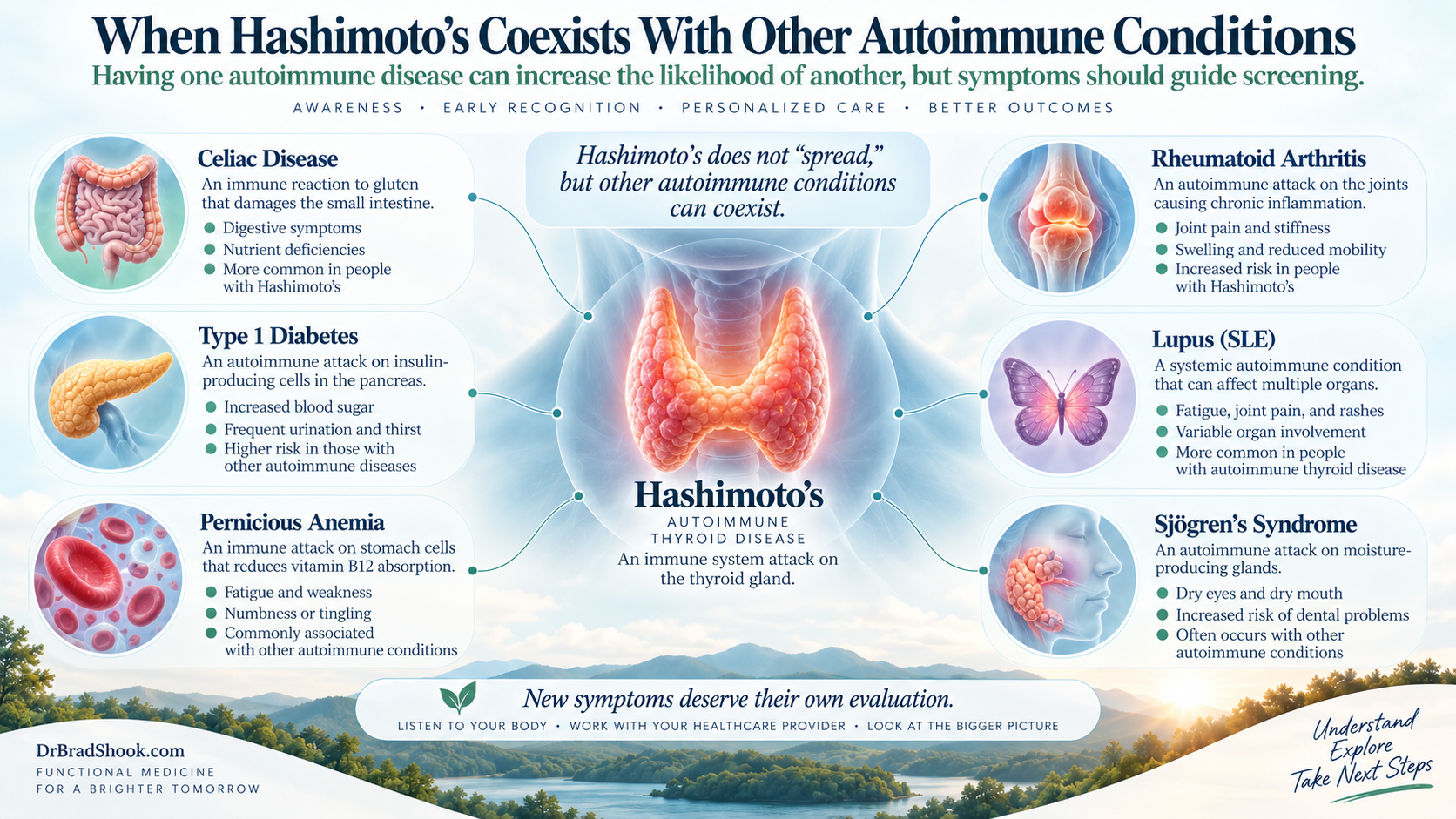
Hashimoto's does not literally spread from the thyroid to other organs. However, people with one autoimmune disease have a greater chance of developing another. Celiac disease, type 1 diabetes, pernicious anemia, rheumatoid arthritis, lupus, Addison's disease, Sjogren's disease, and other autoimmune conditions may coexist. New symptoms should be investigated on their own merits rather than automatically attributed to Hashimoto's.
When neurological symptoms need prompt evaluation
Brain fog and fatigue are common but nonspecific. New confusion, seizures, rapidly worsening balance or coordination, new weakness or numbness, fainting, or sudden changes in speech or vision require prompt medical evaluation. Rare steroid-responsive encephalopathy associated with autoimmune thyroiditis has been described, but it is a diagnosis of exclusion and cannot be established from thyroid antibodies alone.
Frequently Asked Questions
Is Hashimoto's hereditary?
Genetics and family history can increase susceptibility, but they do not determine exactly who will develop Hashimoto's. Some people have a strong family history, while others do not know of any affected relatives.
Can stress cause Hashimoto's?
Stress is not considered one universal cause of Hashimoto's. It can influence sleep, blood sugar, inflammation, immune regulation, digestion, and the way symptoms are experienced, so it belongs in a complete personal timeline.
Can an infection trigger Hashimoto's?
Certain infections and immune mechanisms have been studied as possible contributors. Whether an infection matters for one person depends on the history, symptoms, timing, examination, and appropriate testing.
Does leaky gut cause Hashimoto's?
There is no proof that one intestinal barrier problem causes every case of Hashimoto's. Digestive symptoms, celiac disease, intestinal inflammation, food reactions, nutrient absorption, and barrier function can still be important parts of an individualized evaluation.
Can too much iodine worsen Hashimoto's?
Excess iodine can worsen thyroid dysfunction in susceptible people. High-dose iodine and concentrated seaweed supplements should not be added casually, especially when thyroid antibodies or abnormal thyroid function are present.
What causes a Hashimoto's flare?
A symptom flare may involve changes in thyroid function, medication absorption, infection, sleep, stress, nutrition, anemia, pregnancy, menopause, another autoimmune condition, or a non-thyroid problem. A timeline and reassessment help separate these possibilities.
Can Hashimoto's spread to other organs?
Hashimoto's targets the thyroid, but a person with one autoimmune disease has a greater chance of developing another autoimmune condition. New symptoms should be investigated rather than automatically labeled autoimmune expansion.
Can functional medicine find the exact root cause?
Hashimoto's rarely comes down to one isolated cause. Functional medicine creates a structured way to investigate the combination of triggers, drivers, thyroid function, immune activity, gut health, metabolism, nutrient status, stress, sleep, infections, exposures, medications, and individual response that may be shaping your case.
Ready for a More Individualized Hashimoto's Evaluation?
My Environmentally Induced Autoimmunity model looks beyond the diagnosis to understand your triggers, drivers, physiology, environment, and individual response. I DETECT the highest-priority patterns, SUPPORT them with an individualized plan, and REASSESS what changes and what the response teaches us.
References and Clinical Resources
- NIDDK. Hashimoto's Disease.
- NIDDK. Hypothyroidism (Underactive Thyroid).
- American Thyroid Association. Hashimoto's Thyroiditis.
- NIEHS. Endocrine Disruptors.
- Li M, et al. Integrative analysis of gut microbiome and host transcriptome in Hashimoto's thyroiditis.
- Larsen C, et al. Selenium supplementation and placebo in autoimmune hypothyroidism.
- Choi JE, et al. Long-term air-pollution exposure and autoimmune thyroid disease risk.
- Gammazza AM, et al. Hsp60 structural similarity and cross-reactivity with thyroid molecules in Hashimoto's thyroiditis.
- Kharrazian D, et al. Laboratory study of immune reactivity between dietary proteins and thyroid-axis target sites.
- Kharrazian D, et al. Laboratory study of cross-reactivity between chemical-protein complexes and thyroid-axis targets.
- Samuels MH, et al. Clinical review of brain fog in hypothyroidism.
- Blanchin S, et al. Laboratory study of anti-thyroperoxidase antibody binding to cerebellar astrocytes in Hashimoto's encephalopathy.
- Cayres LCDF, et al. Case-control study of gut microbiota and intestinal-permeability markers in Hashimoto's thyroiditis.