
Testing Should Begin With a Question, Not a Panel
A long laboratory report is not automatically a better evaluation. The most useful test is the one that helps answer a question you could not answer well enough from the history, examination, records and foundational laboratory work.
When I review a Hashimoto's or autoimmune case, I am trying to understand the pattern. Was there a clear change after pregnancy, infection, medication, a gastrointestinal illness, a major exposure, menopause, chronic sleep disruption or another event? Are thyroid hormone levels stable? Is there evidence of anemia or nutrient deficiency? Are there digestive symptoms that suggest malabsorption, celiac disease, SIBO or another gastrointestinal problem? Are metabolic issues increasing inflammatory load? Are there neurological symptoms, chemical sensitivities or other autoimmune features that change the questions we need to ask?
What are we trying to explain?
Fatigue, brain fog, poor recovery, digestive symptoms, unstable thyroid labs, skin symptoms, neurological changes, food reactions or another problem?
What would change if the result is positive?
A useful result should lead to a decision: investigate further, change an exposure, correct a deficiency, refer for medical care, modify support, or stop pursuing that pathway.
What would a negative result teach us?
A good test can also narrow the case by showing that a suspected pathway is less likely to be the priority.
How will we reassess?
Testing gives us a starting point. Symptoms, function, standard labs and selected objective markers tell us whether the plan actually moved the case forward.
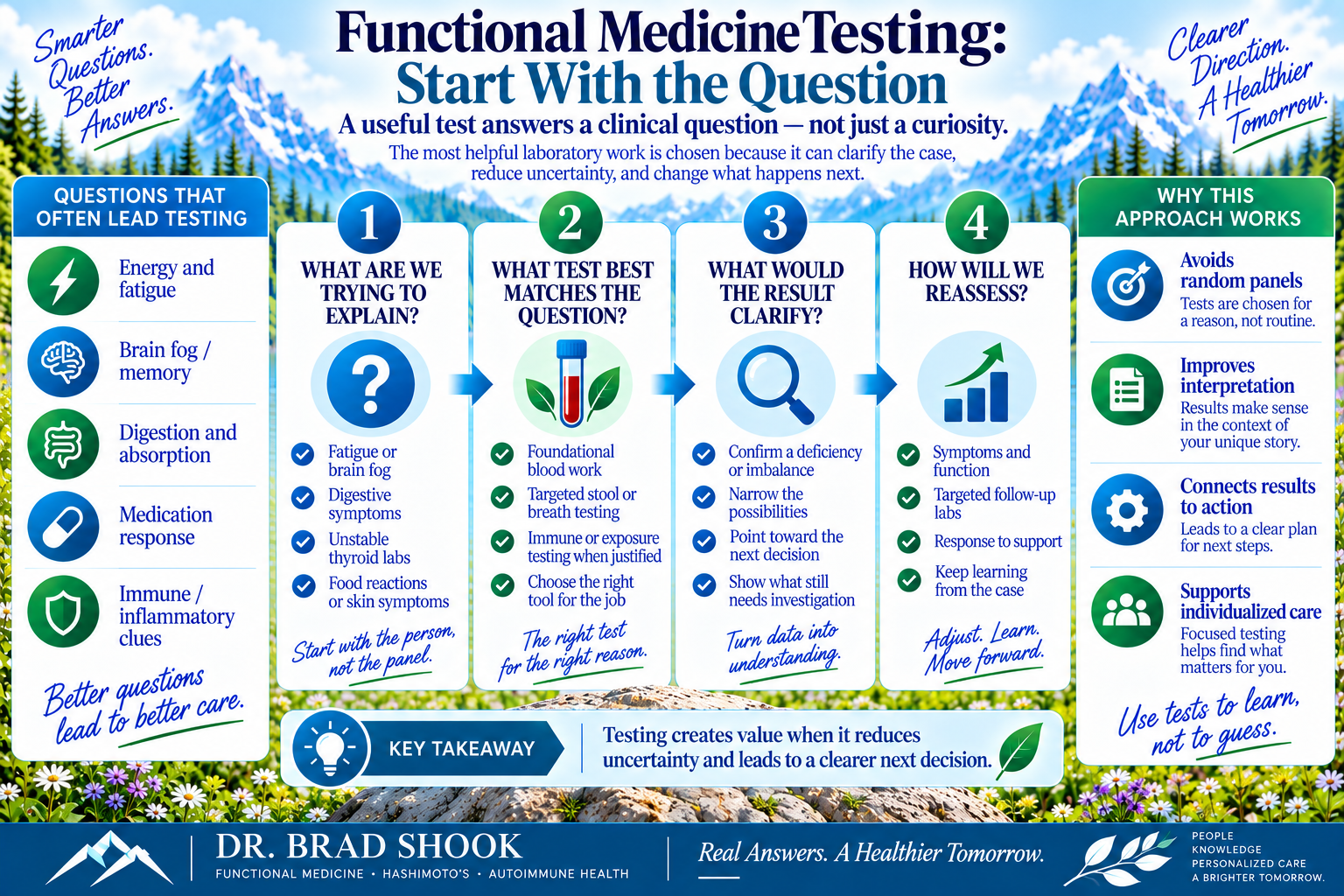
Standard Medical Testing and Functional Medicine Testing Can Work Together
I do not see this as conventional testing versus functional testing. They often answer different questions, and the strongest evaluation uses the right tool for the right job.
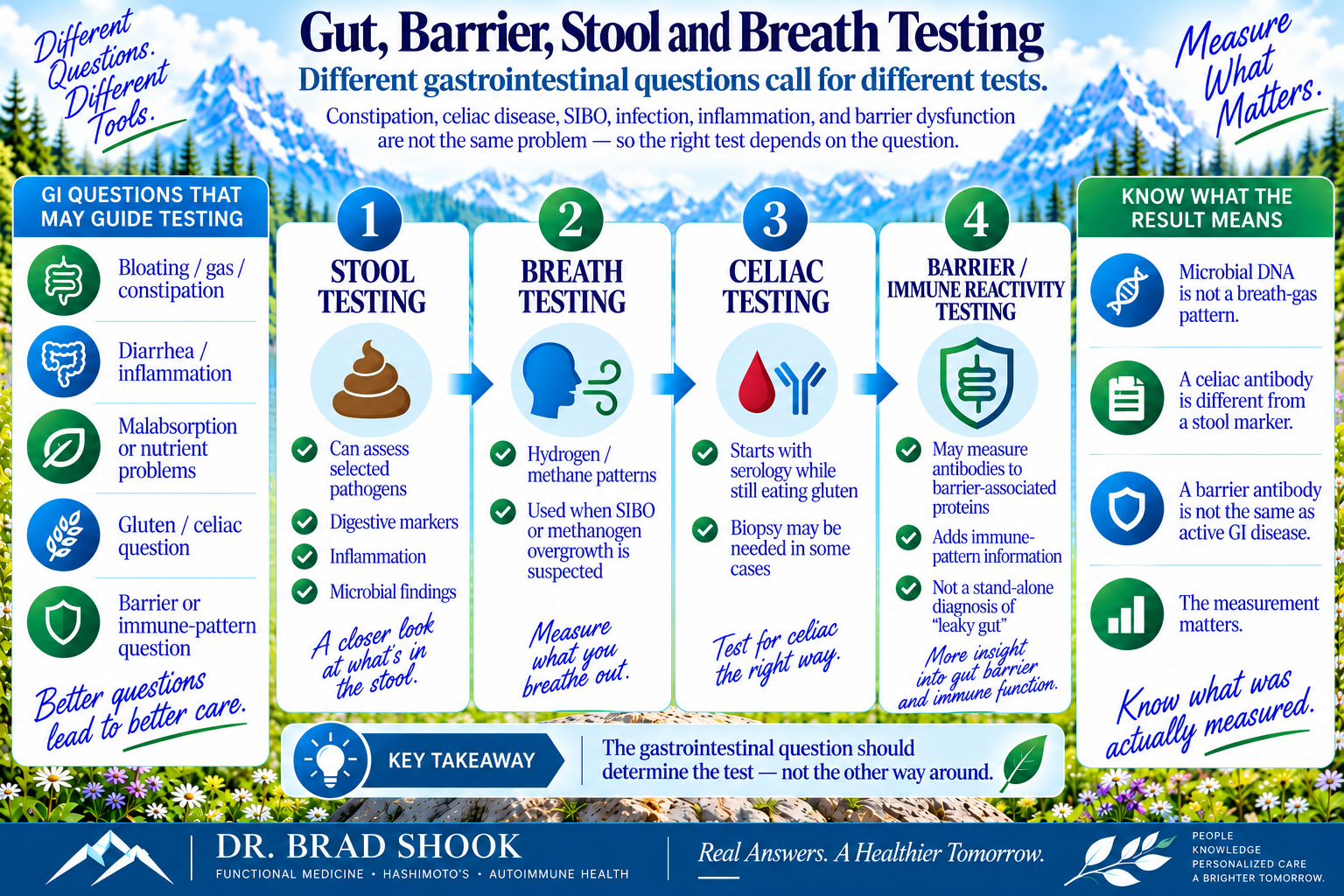
Standard laboratory tests are foundational. TSH and free T4 help assess thyroid function. A complete blood count can identify anemia and other blood-cell changes. A metabolic panel provides information about electrolytes, kidney and liver function. Glucose and hemoglobin A1c help assess blood sugar. Iron studies, vitamin B12 and other nutrient tests can identify deficiencies. Established medical testing also exists for celiac disease, diabetes, infection, adrenal insufficiency and many other conditions.
Specialty testing becomes more useful when the history creates a question that standard testing does not fully answer. That may involve stool testing, breath testing, selected immune-reactivity testing, direct measurement of environmental chemicals, specialized nutrient or fatty-acid assessment, or other targeted tools.
The opportunity is not to replace good medical testing. It is to build on it when there is a legitimate unanswered question.
| Question | Possible testing category | What the result does not prove by itself |
|---|---|---|
| Is thyroid hormone production or replacement adequate? | TSH, free T4 and other thyroid testing selected by the prescribing clinician; thyroid antibodies when they are needed to establish autoimmune thyroid disease. | One thyroid value does not explain every symptom or identify every autoimmune driver. |
| Could anemia or nutrient deficiency be adding to the symptoms? | CBC, ferritin and iron studies, vitamin B12, folate, vitamin D and other tests chosen from the history. | A low nutrient value does not tell you why the deficiency developed. |
| Is metabolism contributing to fatigue or inflammatory load? | Glucose, hemoglobin A1c, lipids and other metabolic markers. | A metabolic abnormality does not prove it caused Hashimoto's. |
| Is there an established gastrointestinal disease? | Celiac serology, endoscopy when indicated, inflammatory markers, infection testing and other gastroenterology-directed evaluation. | A digestive symptom alone does not identify the disease. |
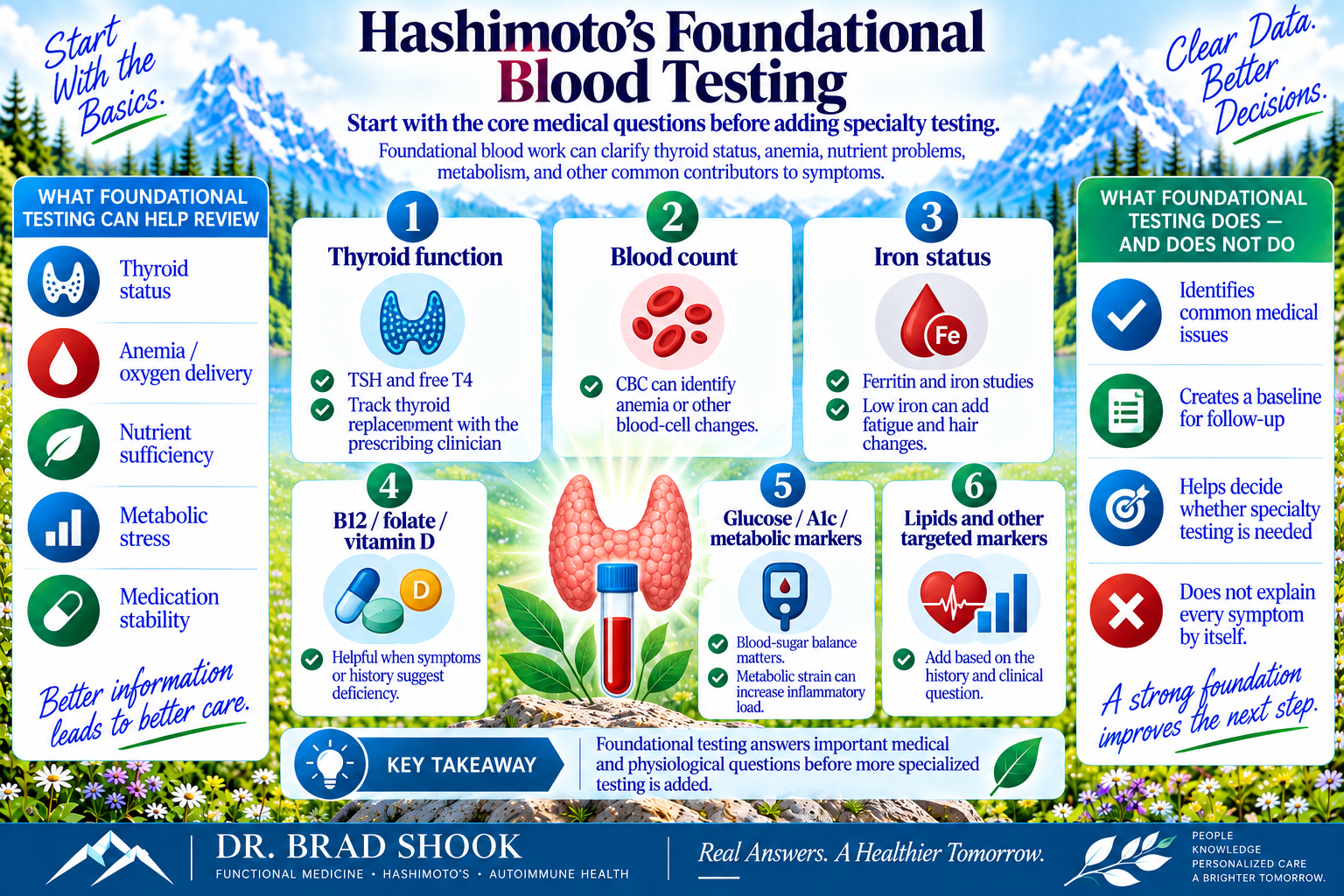
Gut, Barrier, Stool and Breath Testing: Different Tests Answer Different Questions
“Gut testing” is not one test, because constipation, celiac disease, SIBO, infection, inflammatory bowel disease, malabsorption and barrier dysfunction are not the same problem.
A stool test can examine selected pathogens, inflammatory markers, digestive markers and microbial findings. Breath testing measures gases produced after a test substrate and may be used in selected cases when small intestinal bacterial overgrowth or intestinal methanogen overgrowth is suspected. Celiac disease has its own established diagnostic pathway, usually beginning with serologic blood testing while the person is still eating gluten and sometimes followed by small-intestinal biopsy.
Barrier-system testing asks another question. Intestinal tight junctions, transcellular transport, the cytoskeleton, mucosal immunity and exposure to bacterial products such as lipopolysaccharide are distinct biological pathways. Some specialty immune tests measure antibody reactivity to proteins associated with those pathways. Those findings may add information about immune recognition, but they are not a stand-alone diagnosis of “leaky gut” and they do not prove that one barrier abnormality caused Hashimoto's.
This distinction matters because a result is only useful if we know what was actually measured. Microbial DNA in stool, a breath-gas pattern, a celiac antibody, an intestinal inflammatory marker and an antibody to a barrier-associated protein are five different measurements.
For a deeper explanation of intestinal barriers and Hashimoto's, see how intestinal barrier dysfunction can influence autoimmunity.
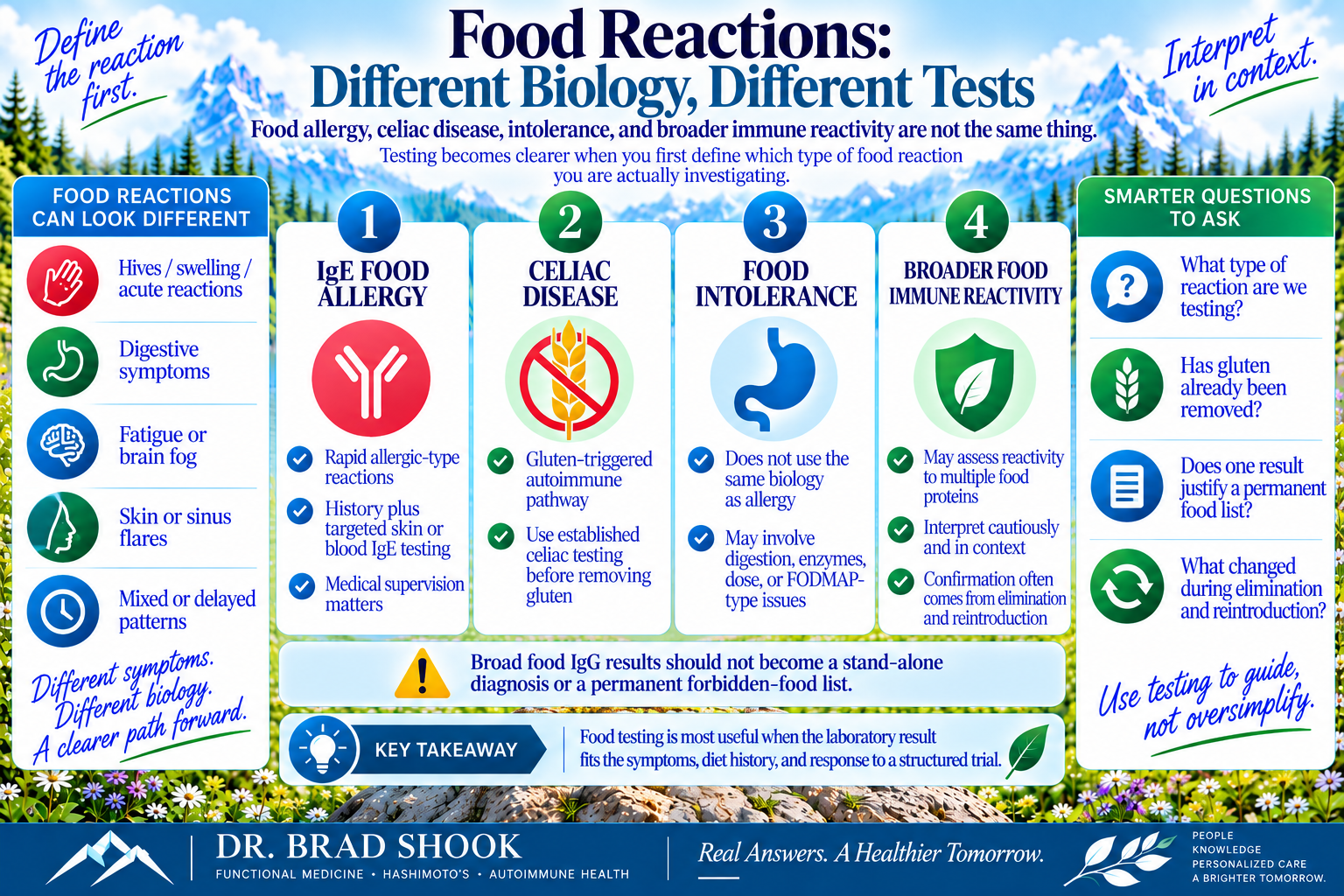
Food Allergy, Celiac Disease, Intolerance and Food Immune Reactivity Are Not the Same Thing
A major source of confusion in functional medicine is using the phrase “food sensitivity test” as though every test is measuring the same biology.
If someone may have an IgE-mediated food allergy, evaluation belongs in the allergy pathway, where history, targeted skin or blood IgE testing and sometimes a medically supervised food challenge may be appropriate. If celiac disease is suspected, established celiac testing should be performed before removing gluten because going gluten-free can make the results harder to interpret.
Broader food immune-reactivity testing asks a different question from IgE allergy testing or celiac testing. Depending on the panel, it may look at immune recognition of specific food proteins, wheat proteins or related antigens. I use those findings as part of an immune fingerprint rather than treating every positive result as an immediate allergy or a permanent forbidden-food list.
The result becomes more useful when it is connected to the person's symptoms, diet history, gastrointestinal and barrier findings, other immune patterns and a structured elimination and reintroduction process. That combination can help determine which foods are meaningful in the case and which do not need to remain restricted.
For the broader diet strategy, see the Hashimoto's diet guide, the gluten, Hashimoto's and celiac guide, and the guide to dairy and Hashimoto's.
Pathogens, Chemicals and Immune Reactivity: Know What the Test Is Measuring
A test can measure current exposure, past immune recognition, active infection, microbial DNA, antibodies, or the amount of a chemical in the body. Those are not interchangeable findings.
Pathogen testing
PCR, antigen testing, culture and antibody testing answer different questions. An IgG antibody may show prior immune recognition and does not automatically prove that an infection is currently active.
Chemical levels
Blood or urine testing may measure a chemical, metabolite or exposure marker. The result needs context because timing, dose, route of exposure and elimination can influence what is detected.
Chemical immune reactivity
Some specialty tests look for antibodies to chemicals or metabolites bound to human proteins. That asks whether the immune system recognizes a modified protein. It is not the same as measuring the current chemical body burden.
Tissue and neurological antibodies
Antibodies involving thyroid, neurological or other tissue targets can identify immune reactivity. A positive antibody does not by itself diagnose active tissue destruction or prove that the antibody is causing the person's symptoms.
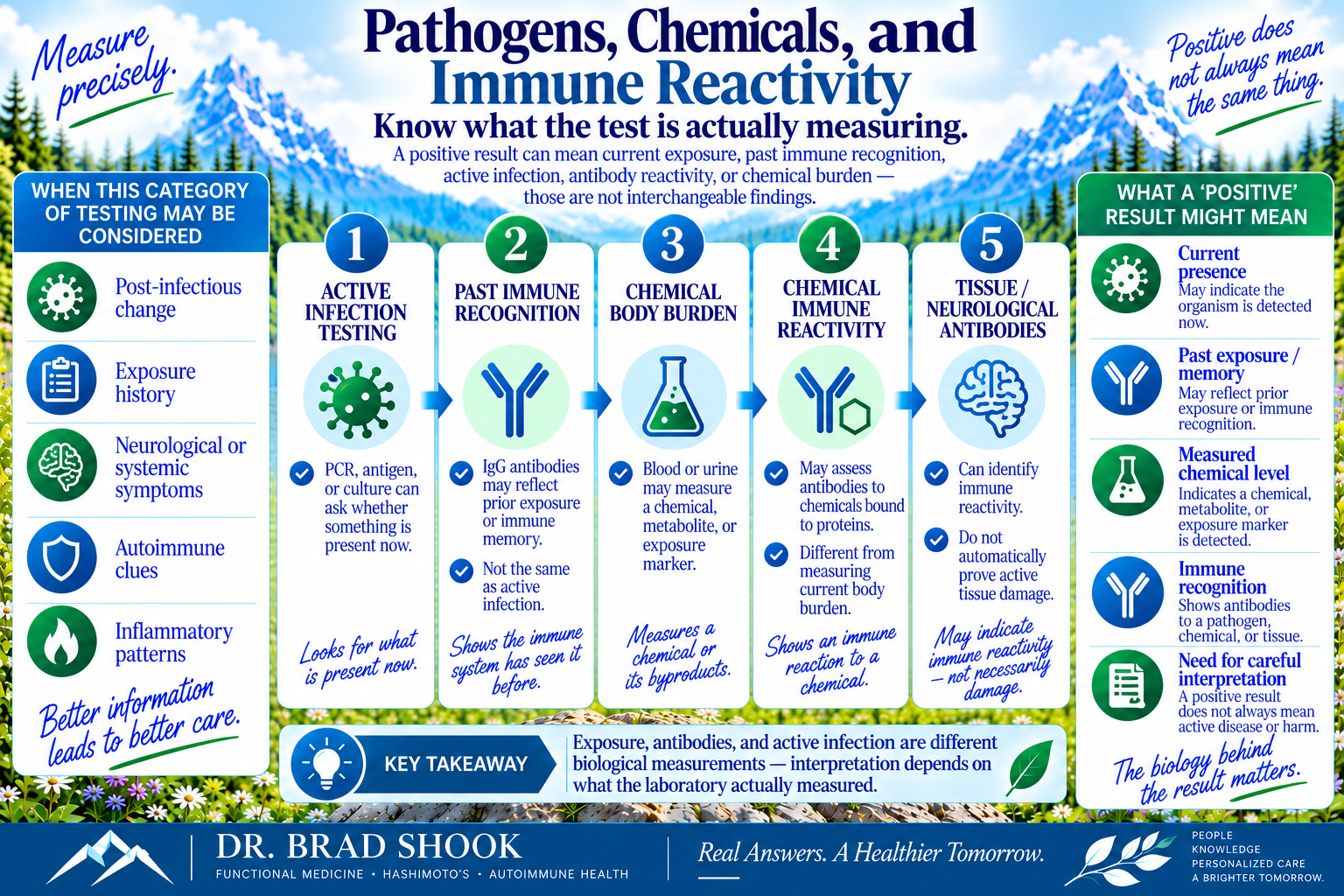
This is where advanced testing can become enlightening: it can reveal patterns that were not obvious from symptoms alone, as long as we keep the measurement connected to the biology it actually represents.
If environmental exposure is part of your history, continue with chemical exposures and Hashimoto's.
Hormones, Cortisol, Nutrients and Metabolism Need Targeted Testing
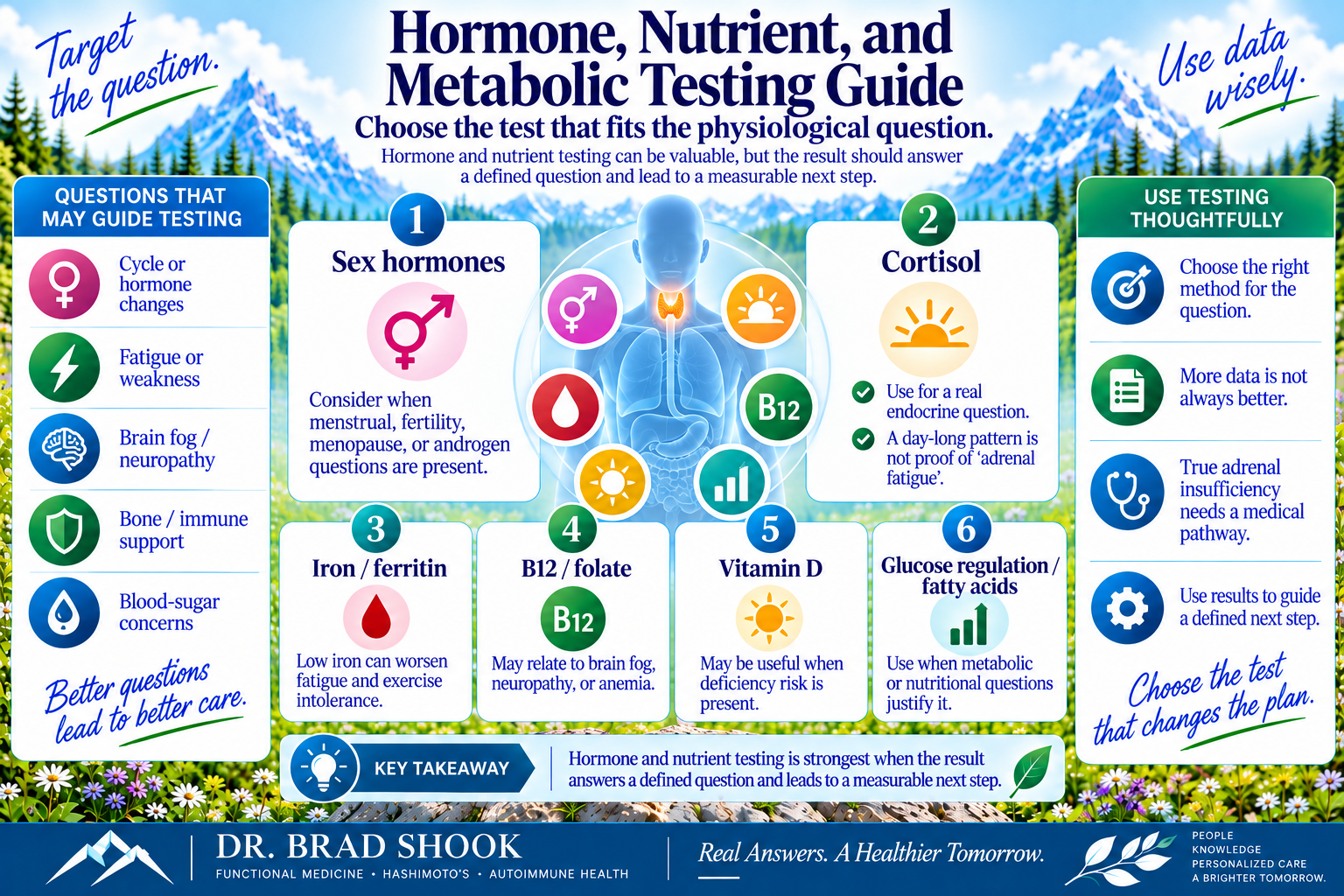
Hormone and nutrient testing can be valuable, but the test should match the physiological question.
Sex-hormone testing may be appropriate when menstrual changes, infertility, menopause, androgen symptoms or other endocrine features are part of the case. Blood, urine and saliva can each measure different aspects of hormone biology, and the best method depends on what you are trying to evaluate.
Cortisol deserves particular care. Chronic stress can influence sleep, blood sugar, immune signaling and how a person feels. The test should match the question. If the history raises concern for adrenal insufficiency, standard medical evaluation may include morning serum cortisol, ACTH and confirmatory testing directed by a physician. Other cortisol patterns can be useful when they answer a defined physiological question, but they should be interpreted in context rather than used as a stand-alone explanation for every fatigue pattern.
Nutrient testing also needs context. Iron, ferritin, B12, folate, vitamin D and other established measurements can be very useful. More specialized testing of fatty acids, antioxidants or nutrient-related metabolic markers may add information in selected cases, but the result should still lead to a defined nutritional or physiological decision.
The Interpretation Is More Important Than the Number of Tests
A laboratory result is data. The clinical value comes from connecting that data to the person.
When I interpret testing, I want to know five things:
- What biological category did we actually measure? Hormone level, antibody reactivity, microbial DNA, chemical level, nutrient status, immune-cell pattern, inflammatory marker, or something else?
- Why did we measure it? What part of the history, symptoms or prior testing made this question important?
- What does the result clarify? Does it confirm a deficiency, narrow a differential, identify an exposure, support a gastrointestinal question, or reveal an immune pattern worth investigating?
- What does it not prove? A specialty result rarely proves one universal root cause, and an antibody does not automatically mean active disease in the tissue it recognizes.
- What changes because of it? If the result does not alter the plan, it may not have been worth ordering.
This is why I would rather use a smaller number of well-chosen tests than a large package of results that creates more confusion than clarity.
How Testing Fits Into DETECT → SUPPORT → REASSESS
DETECT
Start with your history, timeline, symptoms, medical records, medications, diet, lifestyle, exposures and foundational laboratory work. Add specialty testing only when it can answer an important unanswered question.
SUPPORT
Build the plan around the highest-priority findings. That may mean coordinating thyroid medication with the prescribing physician, correcting a deficiency, changing diet, addressing a gastrointestinal problem, reducing an exposure, improving sleep or using another targeted intervention.
REASSESS
Measure what changed. Symptoms, energy, digestion, brain function, exercise tolerance, sleep, laboratory markers and quality of life all provide information. Some tests need to be repeated. Others only need to be run once. The response teaches us what to do next.
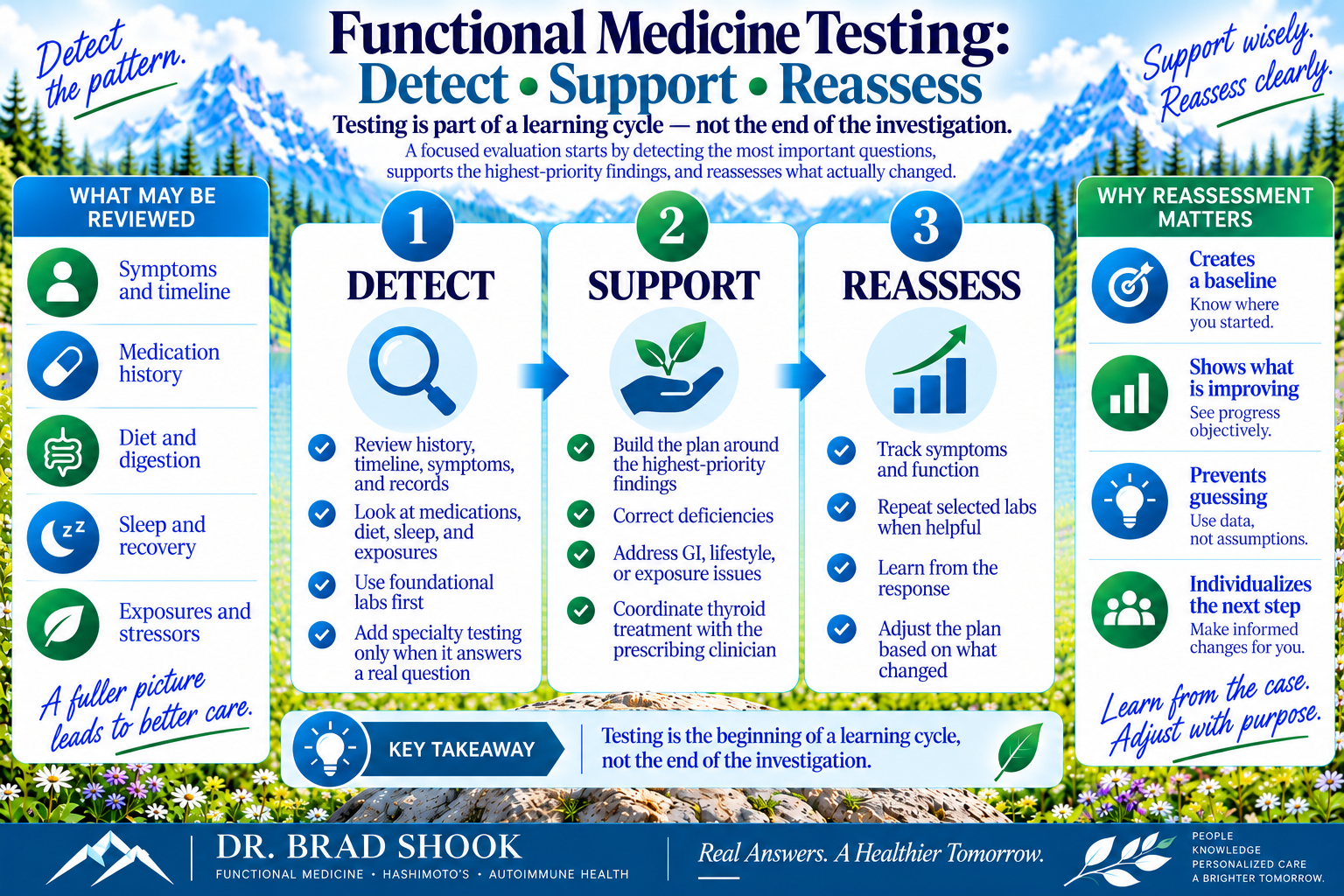
The opportunity is a more focused plan. A diagnosis tells us what disease has been identified. Testing can help us understand which physiological patterns may be keeping the process active, which factors may be changed, and what happens when we change them.
To see how this process fits into Hashimoto's care, visit the Hashimoto's Doctor Method and Functional Medicine for Hashimoto's.
Frequently Asked Questions
What is functional medicine testing?
Functional medicine testing is the selective use of standard and specialty laboratory tests to answer specific questions about physiology, nutrient status, metabolism, gastrointestinal function, immune reactivity, exposures, hormones and other factors that may be relevant to a person's symptoms or autoimmune condition. The test is useful only when the result can be interpreted in context and can change what happens next.
How is functional medicine testing different from regular lab testing?
There is substantial overlap. Standard medical laboratory testing is foundational and is often the first place to start. Functional medicine may add a broader set of questions or selected specialty tests when the history, symptoms or standard results justify them. The two approaches can work together rather than compete.
What blood tests are useful with Hashimoto's?
Common starting points may include TSH and free T4, thyroid antibodies when needed for diagnosis, a complete blood count, metabolic testing, iron studies, vitamin B12, vitamin D, glucose or A1c, lipids and other tests selected from the person's history. The physician managing thyroid medication should direct medication-related thyroid testing and treatment decisions.
Are stool and breath tests useful?
They can be useful when there is a gastrointestinal question to answer. Stool testing may evaluate infection, inflammation, digestion or selected microbial findings. Hydrogen and methane breath testing can be used in selected cases when SIBO or intestinal methanogen overgrowth is suspected. These tests have limitations and should be ordered because the symptoms and history make the result clinically useful.
Can a blood test tell me which foods I should avoid?
Not by itself. Food testing can help identify immune-recognition patterns, but the result needs to be connected to symptoms, diet history, allergy and celiac questions, gastrointestinal and barrier findings, other immune patterns and a structured elimination and reintroduction process. Different test types answer different questions, and a positive result does not automatically mean permanent restriction.
Can functional medicine testing find the root cause of Hashimoto's?
No single test proves the root cause of Hashimoto's. Testing can help identify patterns, deficiencies, exposures, immune reactivity, gastrointestinal problems, metabolic issues or other factors that may be relevant to the autoimmune process. Those findings become pieces of the case rather than proof that one result caused the disease.
What about cortisol and hormone testing?
Hormone testing can be useful when the history supports a specific endocrine question. Sex hormones, cortisol and related testing should be selected for a defined reason. If symptoms such as severe fatigue, low blood pressure, weight loss or electrolyte abnormalities raise concern for adrenal insufficiency, appropriate medical evaluation is important. Other cortisol patterns should be interpreted in the context of the question being investigated.
Do I need every functional medicine test before I can start?
No. More testing is not automatically better. Start with the history, records and foundational laboratory work, then add a specialty test only when it answers a question that could change the plan. Testing should reduce uncertainty, not create a larger pile of unexplained results.
Want Testing Connected to a Clear Clinical Question?
If you have accumulated laboratory reports but still do not understand what they mean together, the next step may be to organize the case before ordering more tests. I review the history, timeline, thyroid treatment, medications, symptoms, diet, lifestyle, exposures and existing laboratory work first. Then we can decide which unanswered questions are worth investigating.
The goal is not more data. It is better information, a focused plan, and a way to learn from your response.
References and Professional Education
- National Institute of Diabetes and Digestive and Kidney Diseases. Hashimoto's Disease.
- American Thyroid Association. Thyroid Function Tests.
- National Institute of Diabetes and Digestive and Kidney Diseases. Celiac Disease Tests.
- Pimentel M, et al. ACG Clinical Guideline: Small Intestinal Bacterial Overgrowth. American Journal of Gastroenterology. 2020;115(2):165-178.
- Quigley EMM, Murray JA, Pimentel M. AGA Clinical Practice Update on Small Intestinal Bacterial Overgrowth: Expert Review. Gastroenterology. 2020;159(4):1526-1532.
- Endocrine Society. Adrenal Fatigue.
- Endocrine Society. Primary Adrenal Insufficiency Guideline Resources.
- NIH Office of Dietary Supplements. Vitamin and Mineral Supplement Fact Sheets.
Professional Education Behind This Approach
- Kharrazian Institute, Hashimoto's Clinical Strategies and Treatment Applications, including thyroid physiology, immune patterns, nutrients, metabolism, gastrointestinal contributors, neurological questions and reassessment.
- Kharrazian Institute, Autoimmunity, including immune tolerance, inflammatory signaling, infections, chemicals, barrier systems, cross-reactivity, stress and individualized immune-pattern interpretation.
- Kharrazian Institute, Gastrointestinal, including digestion, intestinal immunity, microbial patterns, permeability, endotoxin signaling, food reactions, nutrient absorption and gastrointestinal testing.
- Cyrex Laboratories educational and clinical-application resources concerning intestinal-barrier-associated immune reactivity, wheat and food protein reactivity, pathogen-associated immune reactivity, chemical-protein immune reactivity, multiple tissue antibodies, neurological/barrier-associated antibodies and immune-cell phenotyping. Results are interpreted as biological patterns rather than stand-alone proof of causation or diagnosis.
Educational information only. Laboratory testing should be selected and interpreted in the context of your history, symptoms, medications and appropriate medical evaluation. A specialty laboratory result does not by itself diagnose the cause of Hashimoto's or replace medical testing for conditions that require diagnosis or treatment. Thyroid-medication decisions belong with the prescribing physician. See the full medical disclaimer.