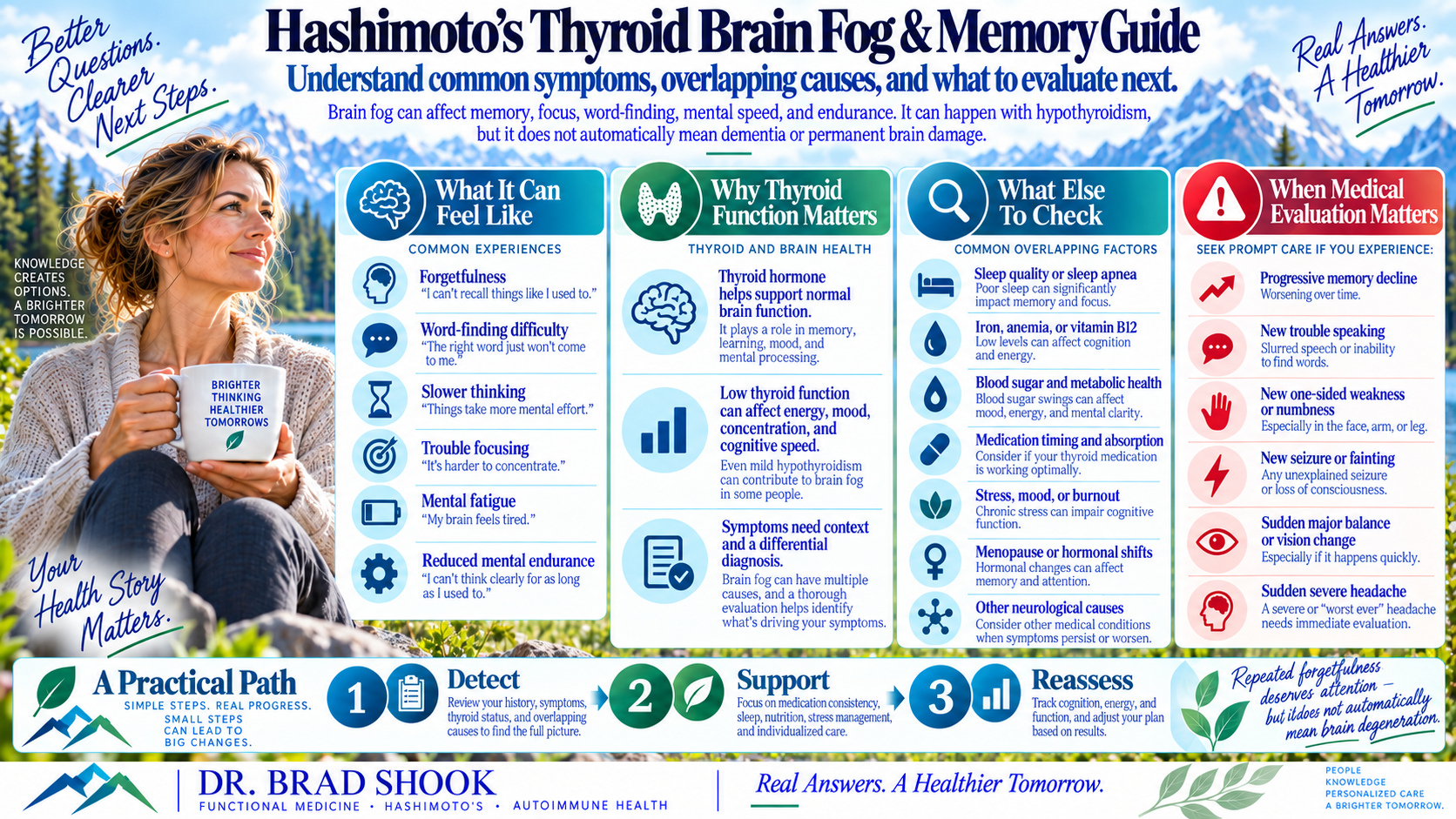
What Thyroid Brain Fog Can Feel Like
Brain fog is not one single symptom. It can show up as changes in memory, attention, processing speed, word retrieval and mental endurance.
These changes matter, especially when they are new, persistent, getting worse, or beginning to interfere with work, relationships, driving, finances or other parts of daily life. They do not tell us the cause by themselves, but they give us a place to begin asking better questions.
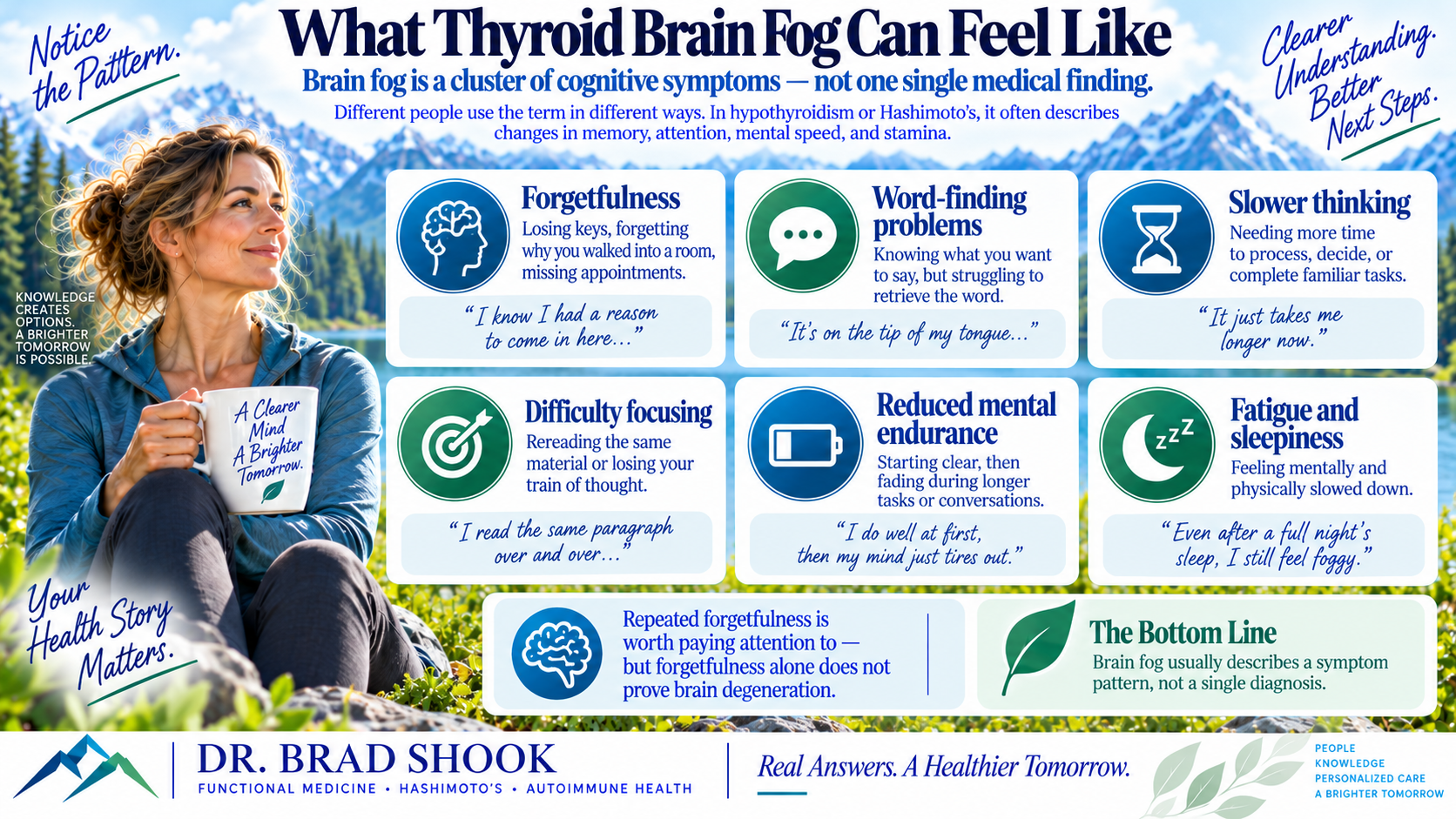
Why Thyroid Hormone Matters So Much to the Brain
Thyroid hormone does far more than regulate metabolism. It has trophic effects in the nervous system and helps support the growth, survival, differentiation and function of neurons and glial cells.
Thyroid hormone signaling influences adult neurogenesis, including neuronal development in the hippocampus, a region deeply involved in learning and memory. Research has also linked thyroid hormone status with dendritic-spine structure, synaptic transmission, mitochondrial and cellular energy function, and the way neurons communicate.
This helps explain why low thyroid hormone can feel like more than simple tiredness. When the brain is not receiving or responding to thyroid hormone normally, people may notice slower processing, poor concentration, short-term memory problems, low mood, reduced mental stamina and changes in coordination or nerve function.
Key Insight: thyroid hormone is part of the environment your neurons depend on. Restoring appropriate thyroid hormone is not just about improving a TSH number. It is about restoring an important signal for normal brain and nervous-system function.
If you want the broader autoimmune context, read Hashimoto's disease causes and triggers and the main Hashimoto's guide.
Brain Fog Is Not the Same Thing as Dementia, but Brain Health Still Matters
Having thyroid brain fog does not mean you have Alzheimer's disease. It does mean that cognitive changes deserve attention, because thyroid hormone is one of the biological signals that helps maintain healthy neuronal function.
In hypothyroidism, researchers have described changes in dendritic-spine morphology, hippocampal signaling, neurogenesis and synaptic function. Thyroid hormone signaling also influences expression and processing of amyloid precursor protein, or APP, which is one of the pathways studied in Alzheimer's disease. Experimental models have found higher APP expression and processed APP products during hypothyroid states.
That does not mean ordinary forgetfulness is proof of Alzheimer's disease. It means thyroid status belongs in the conversation when someone has cognitive decline, mild cognitive impairment, or concerns about long-term brain health. It also means that allowing significant hypothyroidism to remain unaddressed is not a neutral event for the nervous system.
The encouraging part is that thyroid function is something we can evaluate. If thyroid hormone is too low, the person can work with the prescribing physician to determine whether treatment is appropriate and whether the current medication plan is producing the intended physiological response. If brain fog remains after thyroid status is addressed, that gives us new information and a reason to look deeper.
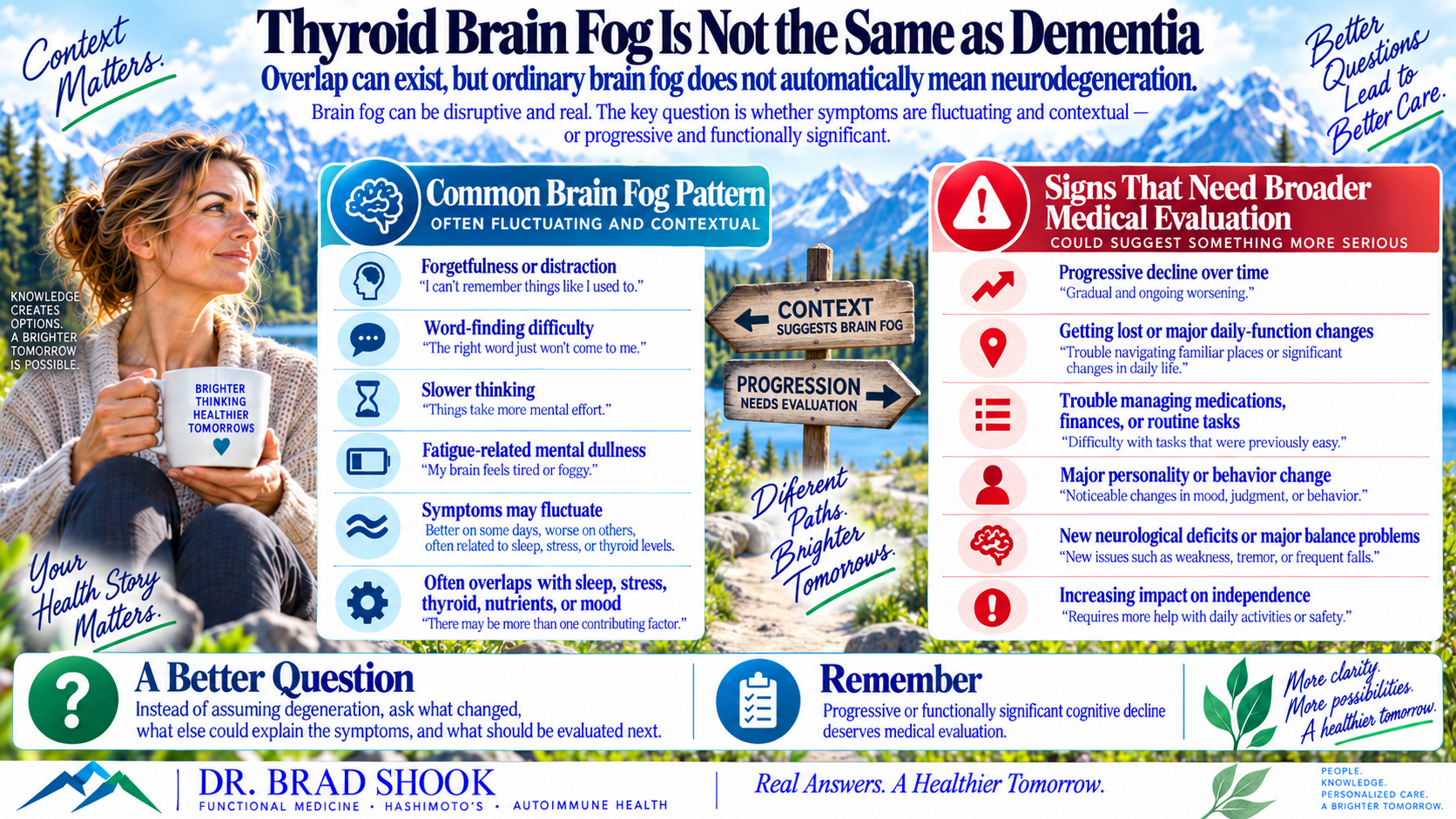
This creates a new opportunity: instead of dismissing brain fog as aging or assuming the worst, we can ask what is affecting neuronal function now, what can be changed, and what needs a more complete neurological evaluation.
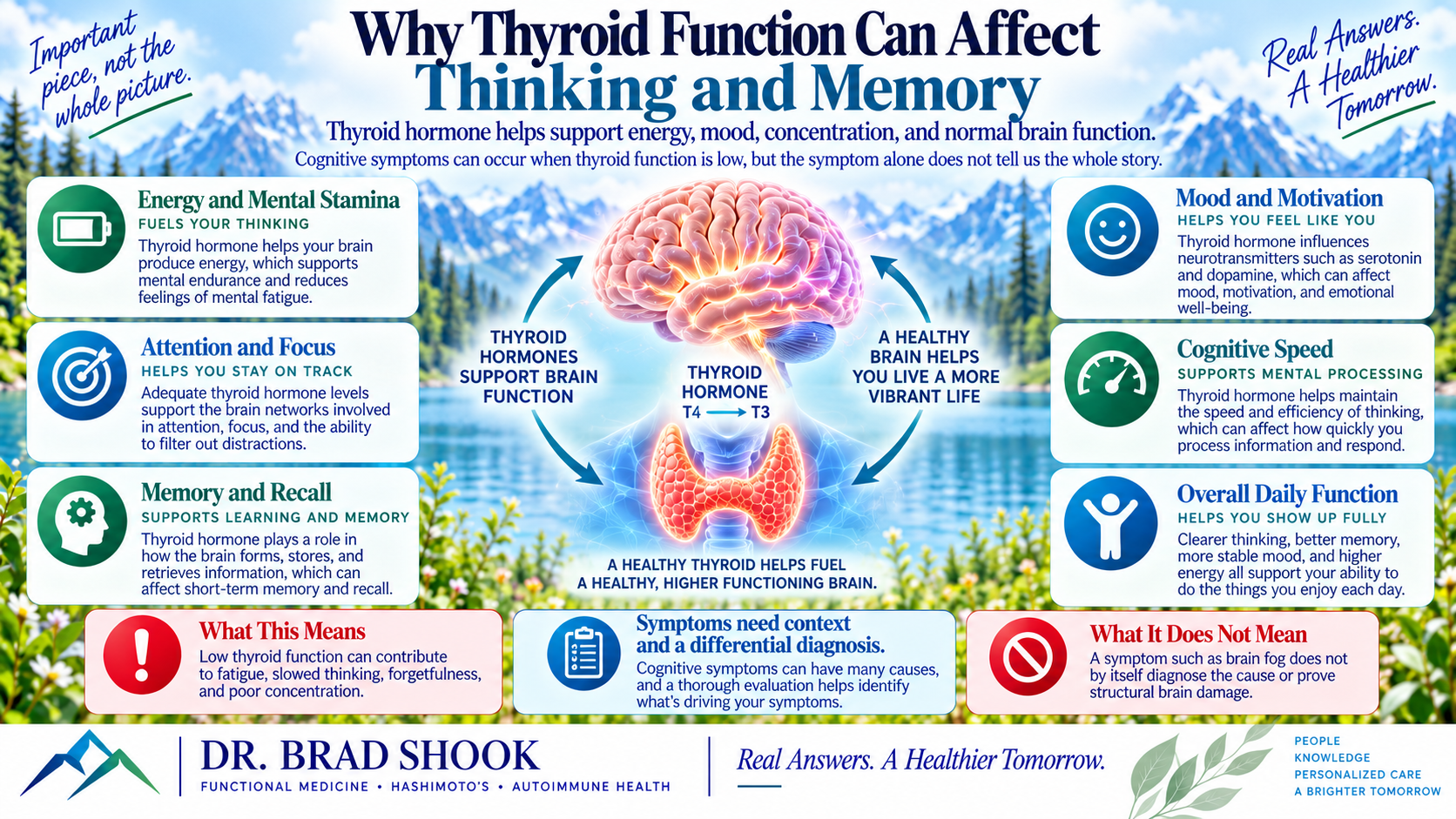
Why Brain Fog Can Persist Even When TSH Is Normal
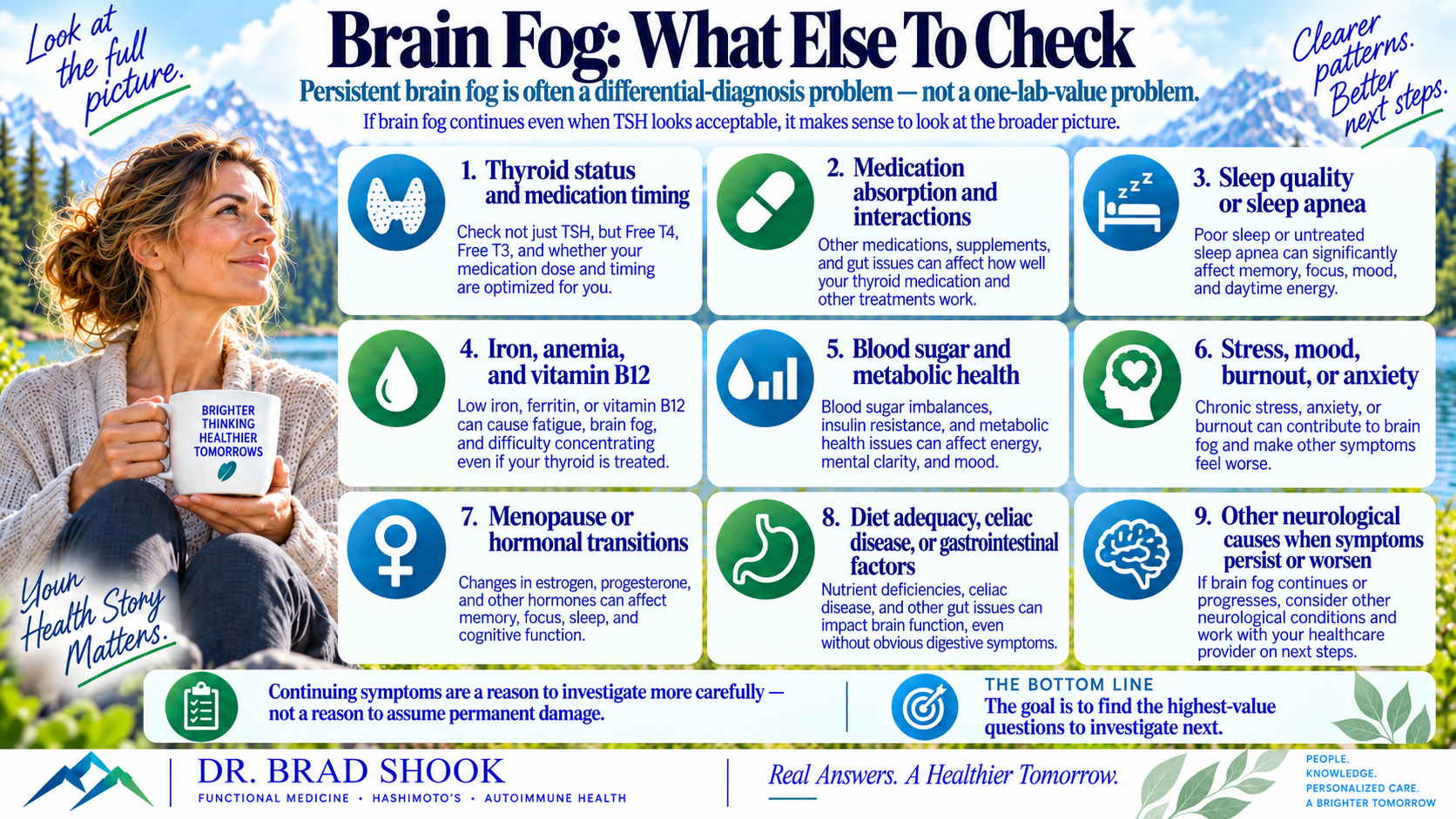
Some people feel dramatically clearer once thyroid hormone levels are restored. Others continue to struggle with memory, focus, fatigue or mental endurance even when TSH has returned to a laboratory reference range.
That does not mean the symptoms are imaginary, and it does not mean the only answer is to keep increasing thyroid medication. It means there is more information to gather. The first step is to review thyroid status, medication dose, timing, consistency, absorption and the full thyroid picture with the physician who prescribes your thyroid medication. Do not change your thyroid medication on your own.
Medication use and absorption
Levothyroxine absorption can be affected by timing, food, calcium, iron, coffee and some medications. Celiac disease, gastritis and other gastrointestinal problems can also change absorption in some people.
Sleep quality
Insomnia, sleep deprivation and sleep apnea can impair memory, concentration, processing speed and morning mental clarity.
Nutrients and anemia
Iron deficiency, anemia, vitamin B12 deficiency and other nutrient problems can magnify fatigue and cognitive symptoms. Autoimmune gastritis or celiac disease may be part of that picture in some people.
Metabolic health
Blood sugar instability, insulin resistance, diabetes, inadequate food intake and other metabolic problems can affect attention, energy production and mental stamina.
Inflammation and immune signaling
Peripheral inflammatory cytokines can communicate with the brain, influence blood-brain-barrier function and alter neural and glial signaling. In an autoimmune condition, lowering unnecessary inflammatory load can be an important part of the larger strategy.
Hormonal transitions, mood and stress
Perimenopause, menopause, depression, anxiety, chronic stress and major life changes can all influence sleep, memory, attention and cognitive endurance.
For more on medication timing and response, see how long it can take to feel better on thyroid medication.
What About Balance Problems, Tinnitus, Hearing Changes or Nerve Symptoms?
Brain fog can occur by itself, but Hashimoto's and hypothyroidism can also overlap with a broader neurological picture.
Low thyroid hormone can affect the nervous system in ways that extend beyond memory and concentration. Adult hypothyroidism has been associated with peripheral neuropathy, cerebellar dysfunction, altered coordination and other neurological manifestations. Autoimmune disease can also coexist with separate neurological or neuroimmune conditions.
That means symptoms such as persistent balance problems, gait changes, numbness, tingling, weakness, tremor, tinnitus, hearing changes, unusual visual symptoms or loss of coordination deserve their own attention. They may still connect to the thyroid or autoimmune picture, but they can also point us toward a neurological, vestibular, vascular, metabolic or other cause that needs to be identified.
A neurological examination can reveal patterns that a thyroid antibody number cannot. When the symptom pattern warrants it, imaging, vestibular testing, nerve studies, ophthalmologic evaluation, neurological antibody testing or referral to an appropriate specialist may become part of the workup.
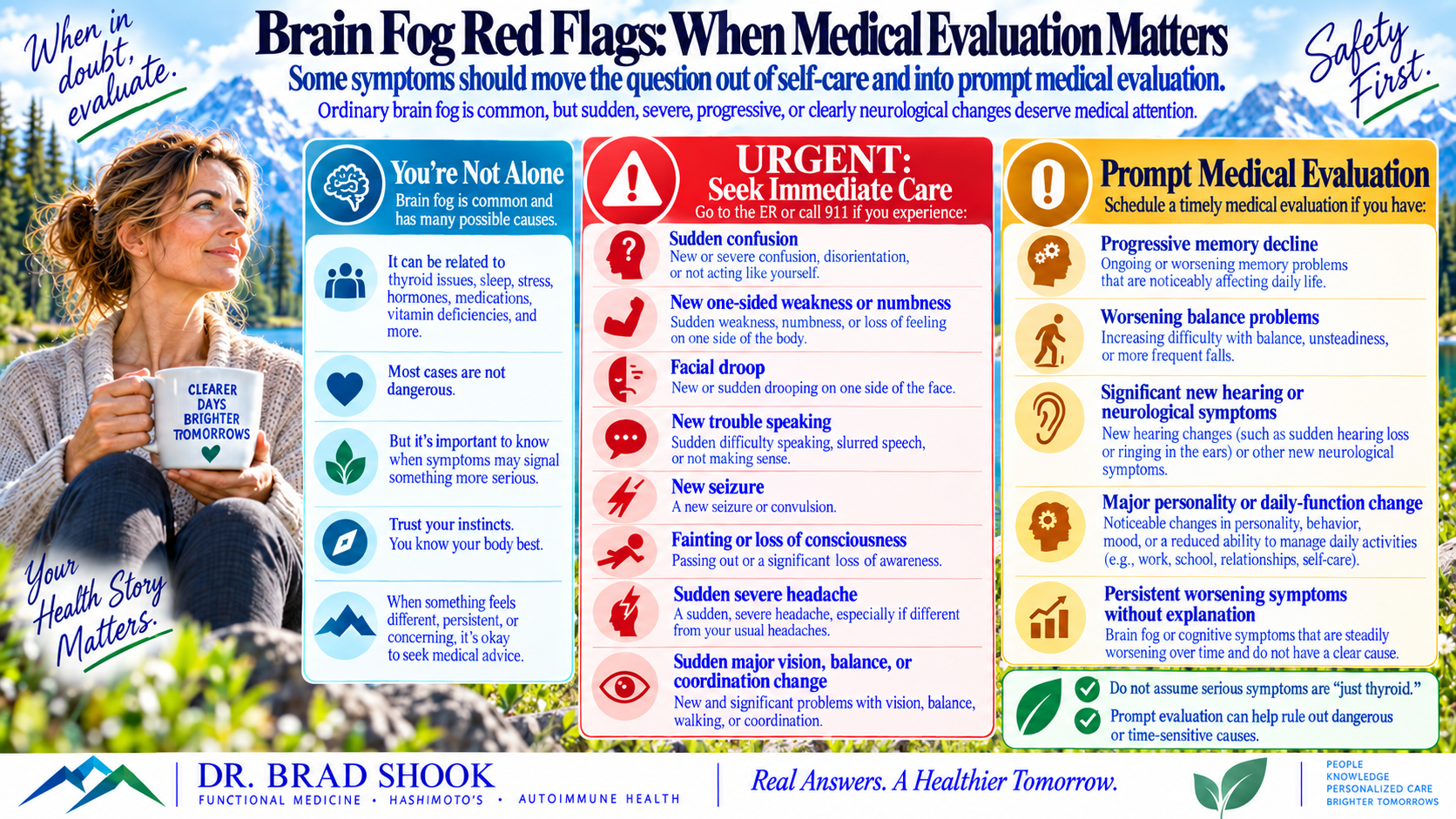
Seek urgent medical care for sudden confusion, new one-sided weakness or numbness, facial droop, new trouble speaking, a seizure, fainting, a sudden severe headache, or an abrupt major change in vision, balance or coordination.
Can Hashimoto's Autoimmunity Affect the Brain Directly?
Yes, autoimmune and inflammatory mechanisms can become relevant to neurological symptoms. The important question is whether the pattern in a particular person supports that level of investigation.
Autoimmune thyroid disease is not limited to a single antibody number. It involves immune cells, cytokines, chemokines and inflammatory signaling. Circulating inflammatory signals can communicate with the central nervous system through several pathways, including direct transport of some cytokines, signaling at the blood-brain barrier, and effects on glial cells and neural networks. This is one reason systemic inflammation can influence concentration, memory, mood and mental energy.
There are also recognized neurological autoimmune presentations associated with autoimmune thyroid disease. Hashimoto encephalopathy, also called steroid-responsive encephalopathy associated with autoimmune thyroiditis, can include cognitive changes, confusion, seizures, tremor, ataxia, psychiatric changes and other neurological findings. Research has also shown that anti-TPO antibodies from people with this syndrome can bind cerebellar astrocytes in laboratory models.
Beyond that syndrome, people with autoimmune disease can develop other neural tissue antibody patterns or overlapping autoimmune conditions involving the cerebellum, peripheral nerves, optic pathways or other neurological structures. When the history and neurological examination raise that question, advanced neurological antibody testing may provide additional information about immune reactivity.
A positive neurological or blood-brain-barrier-associated antibody finding is not interpreted in isolation. I want to know whether it fits the person's symptoms, examination, other laboratory findings, imaging when appropriate, treatment history and response over time. That is how an advanced test becomes useful rather than simply interesting.
The opportunity is to connect the pattern. Low thyroid hormone, systemic inflammation, blood-brain-barrier signaling, neurological autoimmunity, nutrient status, metabolism, sleep and other factors can overlap. The goal is to identify which pathways appear most relevant in your case and which ones give us something meaningful to change or investigate.
What I Would Want to Investigate When Brain Fog Persists
A Hashimoto's diagnosis tells us that autoimmune thyroid disease is present. It does not automatically tell us why you are struggling with memory, focus or neurological symptoms today.
Understand the thyroid-hormone picture
Review the diagnosis, current thyroid medication, dose, timing, consistency, recent TSH and free thyroid hormone results, symptoms, and whether cognitive function changed when treatment changed. Medication decisions stay with the prescribing physician.
Build the timeline
Did the brain fog begin before the thyroid diagnosis, after an infection, after medication changes, during menopause, during a period of major stress, after sleep deteriorated, or alongside new neurological symptoms? Timing often reveals relationships that a single lab result cannot.
Look for overlapping physiological drivers
Depending on the person, this may include iron and B12 status, blood count, glucose and metabolic markers, sleep quality, diet adequacy, gastrointestinal absorption, celiac disease, medications, hormones, inflammatory patterns, chemical exposures, infections and other autoimmune conditions.
Ask whether the neurological picture needs deeper evaluation
Progressive memory loss, gait or balance problems, focal weakness or numbness, seizures, significant visual or hearing changes, tremor, major personality change, abnormal reflexes or other neurological findings may justify a more specific neurological or neuroimmune workup.
Use advanced testing when it can change the plan
Specialized immune, neurological antibody, barrier, nutrient, chemical or pathogen testing can sometimes add valuable information. The purpose is not to collect abnormalities. It is to answer a clinical question and decide what to do differently because of the result.
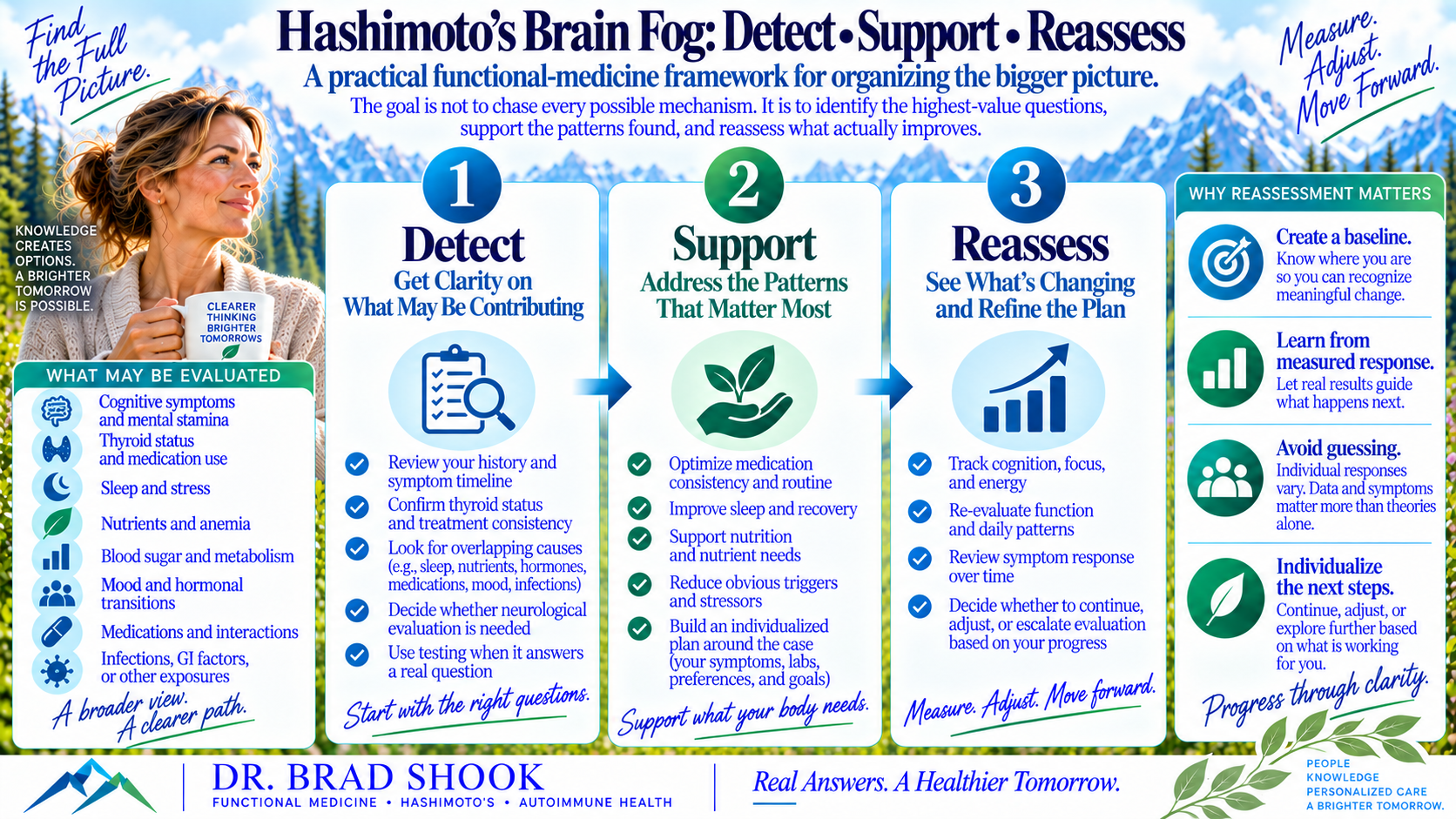
This is the logic behind my DETECT → SUPPORT → REASSESS process. We detect the highest-priority patterns, support the areas that give us the best opportunity to influence the physiology, and then reassess what changed. Your response becomes new information.
How to Support Clearer Thinking While You Investigate the Cause
You do not have to wait for every question to be answered before you begin supporting the systems that help the brain function well.
- Work with your prescribing physician to optimize thyroid treatment. Take thyroid medication as prescribed and discuss persistent symptoms, dose, timing, T3/T4 questions and laboratory changes with the clinician responsible for the prescription.
- Reduce unnecessary inflammatory load. When autoimmune activity, infections, metabolic stress, poor sleep, inflammatory foods for that individual, or other drivers are present, addressing the highest-priority source can reduce the signals the brain is being asked to manage.
- Protect sleep. Consistent sleep time, adequate sleep opportunity and evaluation for sleep apnea can have a major effect on memory, attention and mental stamina.
- Exercise at a level you can recover from. Regular physical activity supports circulation, metabolic health and brain plasticity. The right amount is the amount you can recover from and build on.
- Eat consistently enough to support energy and blood sugar. A brain that is being asked to function on large swings in glucose, inadequate calories or poor nutrient intake has another layer of stress to overcome.
- Correct documented deficiencies. Iron, B12, vitamin D, essential fatty acids and other nutrients can matter when there is a real need. The goal is targeted support, not an endless supplement list.
- Keep using the brain. Learning, reading, conversation, music, art, skill development and other cognitively demanding activities support neuroplasticity and help the nervous system stay engaged.
- Track your pattern. Notice when brain fog is best and worst and what changed beforehand. Sleep, meals, medication timing, menstrual changes, stress, infections, exercise and exposures can reveal patterns worth investigating.
If diet seems connected to your symptoms, use the Hashimoto's diet guide and the gluten, Hashimoto's and celiac guide to explore the question in a structured way.
Frequently Asked Questions About Hashimoto's Brain Fog
Can Hashimoto's cause brain fog and memory problems?
Yes. Low thyroid hormone can affect attention, memory, mental speed and cognitive endurance, and autoimmune or inflammatory signaling may also influence brain function. The next step is to understand which thyroid, immune, metabolic, nutritional, sleep, hormonal or neurological factors are contributing in the individual person.
Does thyroid brain fog mean I am developing dementia or Alzheimer's disease?
No. Brain fog does not by itself diagnose dementia or Alzheimer's disease. At the same time, thyroid hormone has important trophic effects in the nervous system and participates in neurogenesis, synaptic function and amyloid precursor protein regulation, so thyroid status is an important part of evaluating cognitive health.
Can brain fog continue even when my TSH is normal?
Yes. Some people continue to have cognitive symptoms after TSH returns to the reference range. Review thyroid medication dose, timing, absorption and the broader thyroid picture with the prescribing physician, then investigate overlapping factors such as sleep, nutrients, metabolism, inflammation, hormones, gastrointestinal health and neurological findings.
What else can cause brain fog besides Hashimoto's?
Sleep disorders, iron or vitamin B12 deficiency, blood sugar problems, medication effects, depression or anxiety, menopause, infection, celiac disease, gastrointestinal absorption problems, systemic inflammation and neurological conditions can all overlap with thyroid brain fog.
Are balance problems and tinnitus part of thyroid brain fog?
They can occur in people with thyroid disease, but persistent balance problems, gait changes, tinnitus, hearing changes, numbness, weakness or other neurological symptoms deserve their own evaluation. Hypothyroidism can affect the nervous system, and autoimmune thyroid disease can also coexist with neurological or neuroimmune conditions.
Is Hashimoto encephalopathy the same thing as ordinary brain fog?
No. Hashimoto encephalopathy, also called steroid-responsive encephalopathy associated with autoimmune thyroiditis, is a recognized neurological autoimmune presentation that can include cognitive changes, confusion, seizures, tremor, ataxia and psychiatric symptoms. Ordinary brain fog does not automatically mean encephalopathy, but neurological symptoms can justify a deeper neuroimmune evaluation.
What should be checked when brain fog persists with Hashimoto's?
Start with the thyroid-hormone picture and medication use, then build the symptom timeline and look for overlapping drivers such as sleep, iron and B12, blood sugar and metabolism, hormones, gastrointestinal absorption, inflammation, infections, exposures and other autoimmune conditions. Progressive or focal neurological symptoms may warrant neurological examination, imaging or advanced neuroimmune testing.
What can I do to support clearer thinking with Hashimoto's?
Take thyroid medication as prescribed and discuss changes with the prescribing physician, protect sleep, exercise at a level you can recover from, eat consistently, correct documented deficiencies, reduce avoidable inflammatory load, stay cognitively active and track the patterns that make symptoms better or worse.
When Brain Fog Persists, There May Be More to Learn From the Case
If you have treated your thyroid but still do not feel mentally clear, that creates a new opportunity to investigate what else may be influencing your brain. My process looks at the timeline, thyroid treatment, immune and inflammatory patterns, nutrients, metabolism, gastrointestinal health, sleep, stress, exposures and neurological clues that may be relevant.
The goal is to identify the highest-priority drivers, build a focused plan around what we can reasonably change, and then learn from how your brain fog and overall health respond.
References and Professional Education
- Samuels MH, Bernstein LJ. Brain Fog in Hypothyroidism: What Is It, How Is It Measured, and What Can Be Done About It? Thyroid. 2022;32(7):752-763.
- Ettleson MD, et al. Brain Fog in Hypothyroidism: Understanding the Patient's Perspective. Endocrine Practice. 2022;28(3):257-264.
- Kapoor R, et al. Perspectives on thyroid hormone action in adult neurogenesis. Journal of Neurochemistry. 2015;133(5):599-616.
- Remaud S, et al. Thyroid hormone action in adult neurogliogenic niches: the known and unknown.
- Ortiga-Carvalho TM, et al. Hypothyroidism and Cognitive Disorders during Development and Adulthood: Implications in the Central Nervous System.
- O'Barr SA, et al. Thyroid hormone regulates endogenous amyloid-beta precursor protein gene expression and processing in both in vitro and in vivo models.
- Villa A, et al. A response unit in the beta-amyloid precursor protein gene mediates negative regulation by triiodothyronine.
- Banks WA, et al. Passage of cytokines across the blood-brain barrier.
- Yang C, et al. Peripheral inflammation and blood-brain barrier disruption: effects and mechanisms.
- Churilov LP, et al. Hashimoto's Encephalopathy: Clinical Features, Therapeutic Strategies, and Rehabilitation Approaches.
- Blanchin S, et al. Anti-thyroperoxidase antibodies from patients with Hashimoto's encephalopathy bind to cerebellar astrocytes. Journal of Neuroimmunology. 2007;192(1-2):13-20.
- American Thyroid Association. Adult Hypothyroidism.
Professional Education Behind This Approach
- Kharrazian Institute, Hashimoto's Clinical Strategies and Treatment Applications, including thyroid-brain relationships, the physiological web, immune mechanisms, neurological pattern recognition, clinical evaluation and reassessment.
- Kharrazian Institute, Autoimmunity, including immune tolerance, inflammatory signaling, infections, chemicals, barrier systems, stress, sleep and neurological autoimmunity.
- Cyrex Laboratories clinical-application and research resources concerning multiple tissue antibodies and blood-brain-barrier-associated immune reactivity. These findings are interpreted in the context of symptoms, examination, standard testing and the broader neurological workup rather than as stand-alone diagnoses.
Prefer DrBradShook.com in Google
If Google Preferred Sources is available for your account, you can choose DrBradShook.com as a preferred source for future Hashimoto's and autoimmune health resources.
Educational information only. Brain fog can have thyroid, metabolic, nutritional, inflammatory, psychiatric and neurological causes. New, progressive or focal neurological symptoms deserve appropriate medical evaluation. Thyroid-medication changes should be discussed with the physician who prescribes your medication. See the full medical disclaimer.