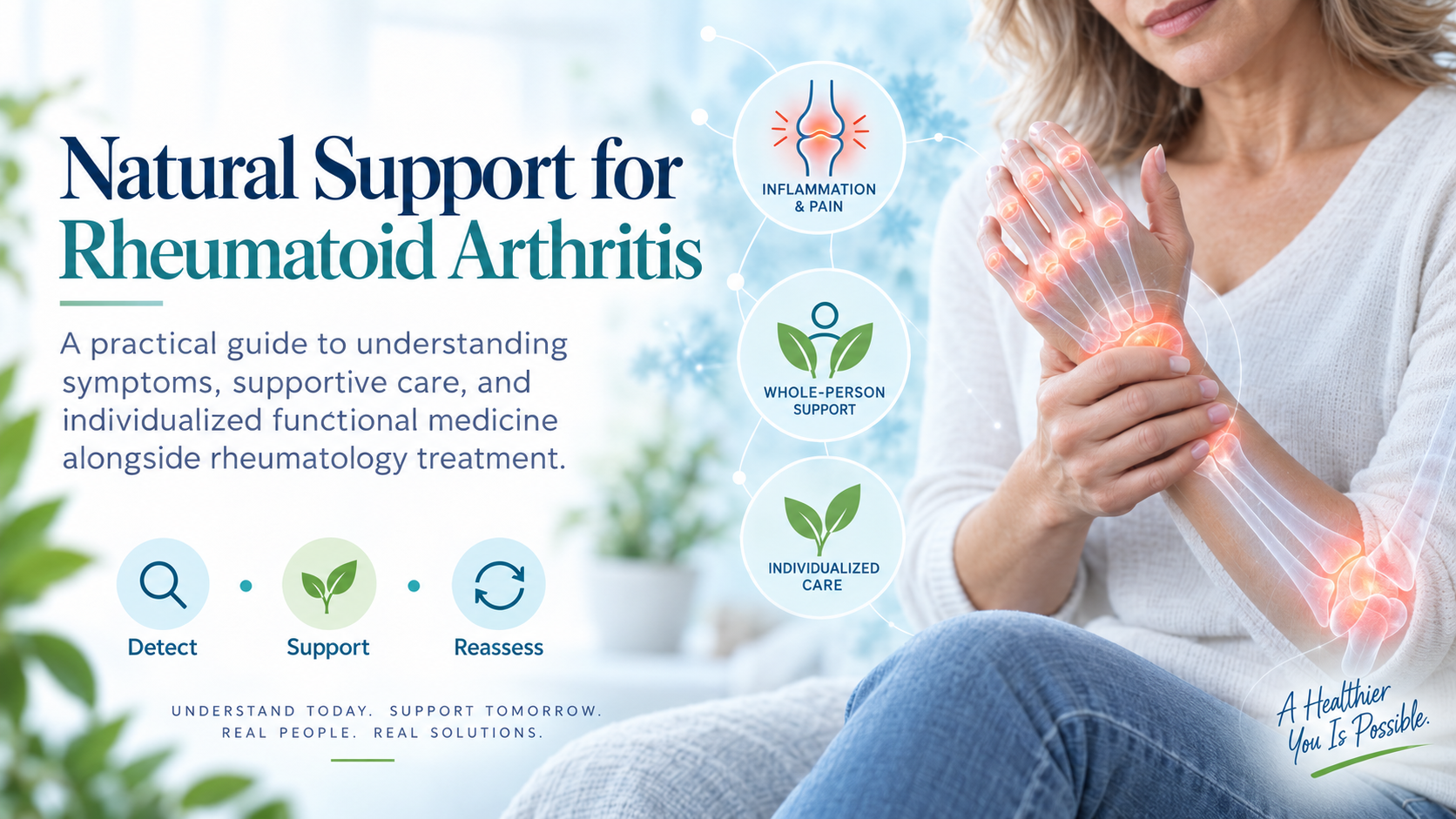
What Would You Like Help With?
Learn how I work with people who have RA, or go straight to your questions about food, testing, and flares.
A New Opportunity: Functional Medicine for Rheumatoid Arthritis
You may want to understand more about your RA, find help with fatigue or daily activities, or explore which changes could support your health. Functional medicine gives us a way to investigate those questions together, whether you are newly diagnosed or have been living with RA for years.
Your medical care provides essential diagnosis, disease management, and monitoring. My functional medicine work adds an investigation of possible triggers and drivers, including relevant questions about diet, digestion, oral health, sleep, metabolism, exposures, and other health concerns. We build on the records and insights from your care team.
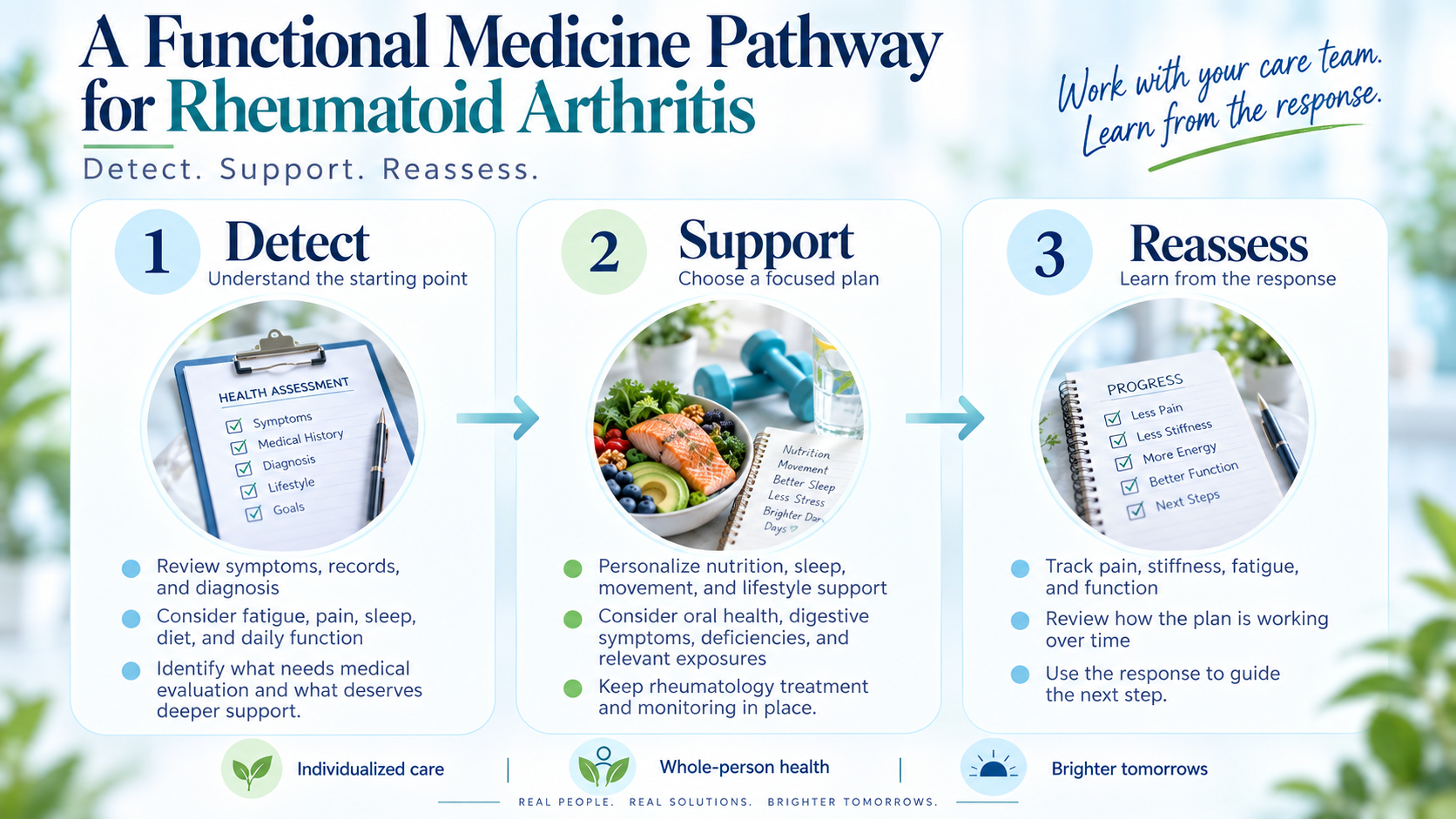
I use the Environmentally Induced Autoimmunity model to organize that work: what we know about your case, what needs further investigation, and what we can act on. The process is DETECT → SUPPORT → REASSESS.
Understand your starting point
Organize your health history, symptoms, existing records, laboratory findings, and possible exposures. Look for relevant patterns and decide which questions need further investigation, testing, or input from another clinician.
Build a focused plan
Build a plan around the findings that matter most in your case. Depending on your needs, that may include nutrition, digestive health, nutrient status, sleep, movement, or other targeted support alongside your ongoing medical treatment.
Learn from the response
Review changes in symptoms, daily function, and relevant findings alongside your rheumatology team’s disease-activity monitoring. Use what we learn to refine the plan and decide whether another question needs attention.
The opportunity is to understand your case in more detail and use that understanding to make decisions with you. Your findings and response guide the plan; two people with RA may need different kinds of support.
I created a 12-week rheumatoid arthritis supplement, nutrition, and lifestyle protocol that organizes the foundational support strategies into one plan you can review and follow on your own.
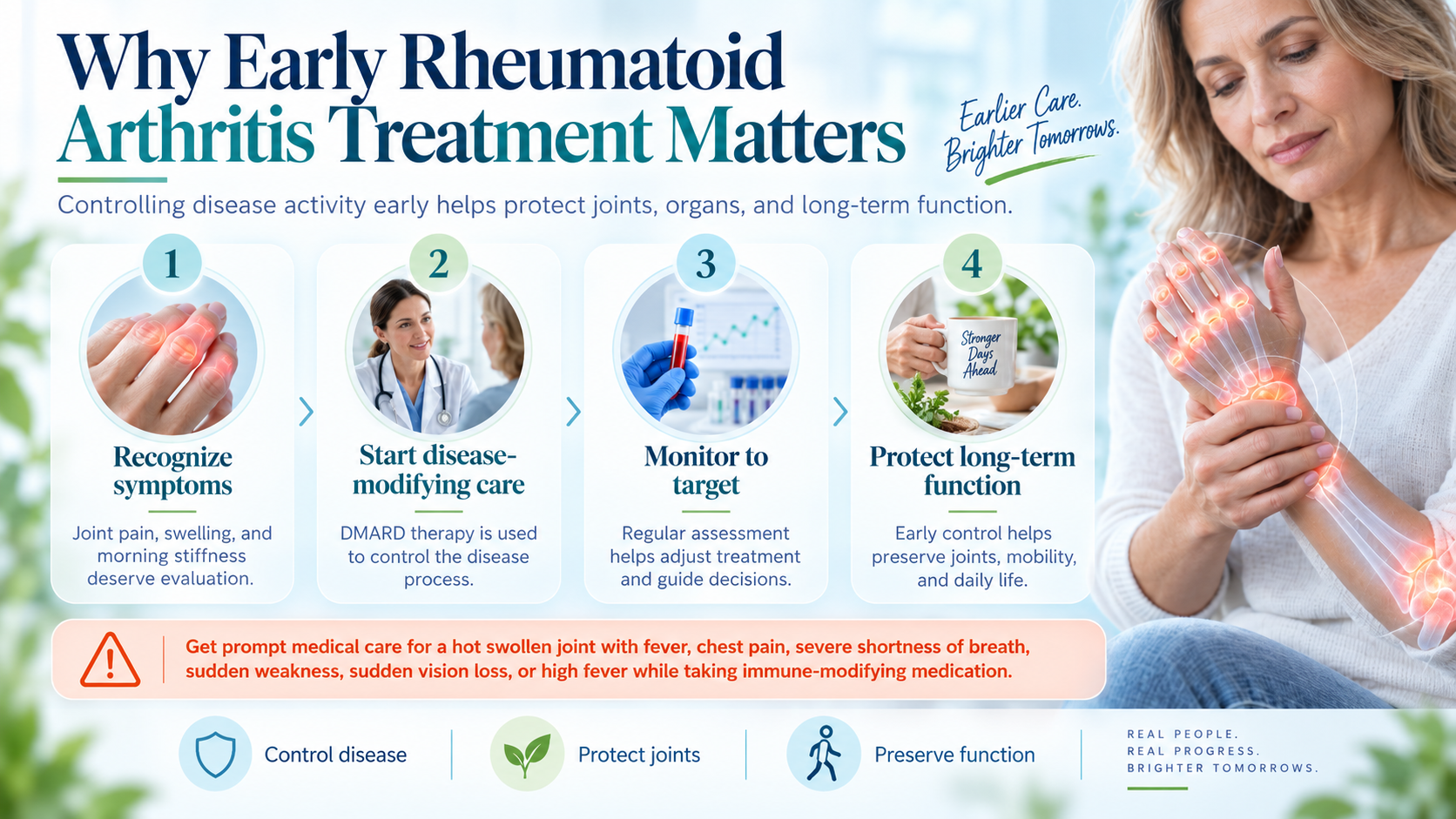
Why Early Rheumatoid Arthritis Treatment Matters
Rheumatoid arthritis (RA) is an autoimmune disease that can inflame the lining of joints and, over time, damage cartilage and bone. It can also affect other parts of the body. Protecting your joints and organs early gives you more opportunity to preserve the activities that matter to you.
A rheumatologist can assess disease activity and prescribe disease-modifying antirheumatic drugs (DMARDs). These medicines are intended to control the disease process and reduce the risk of permanent damage. Exercise, nutrition, and symptom relief are important, but they cannot be assumed to provide the same protection.
Current rheumatology recommendations use regular assessments and treatment targets to guide medication decisions. If your disease enters sustained remission, your prescribing clinician can help you weigh whether tapering is appropriate. Feeling better on its own is not a reason to stop medication. Read the 2025 EULAR recommendations.
When to get medical attention
Seek urgent medical assessment for a hot, very swollen joint with fever, chest pain, severe shortness of breath, sudden weakness, or sudden vision loss. A high fever while taking immune-modifying medicine also needs prompt medical advice.
Andy’s Rheumatoid Arthritis Story
Getting back to golf, yard work, and the life he had been missing.
When Andy first came to see me, he described significant joint and muscle pain, severe stiffness, very low energy, and sleeping much of the day. He said there was a point when he could barely stand or walk.
“There was a point in time where I figured my life was just about finished.”
Andy, describing his starting point
What gave Andy hope was the possibility of investigating why his health had changed so dramatically. In his account, a bacterial finding became an important part of his case, and his improvement happened gradually. About a year later, he reported playing golf two or three times a week, doing his own yard work, and working on home renovations.
“I'm playing golf now, two and three times a week. I do all my yard work. The renovations are back. There's just not anything that I can't do right now.”
Andy, reflecting on his progress
This is Andy’s reported experience. It does not establish that a bacterial finding caused his RA or that the same approach would produce the same result for someone else. Individual experiences vary; his story is not evidence of a cure or a reason to change prescribed RA treatment.
Watch Andy’s full testimonial on YouTube →If you recognize some of your own struggles in Andy’s story, I would be glad to review your application and see whether I can help.
Watch: My Approach to Investigating Autoimmune Health
In this earlier presentation, I discuss the opportunity to investigate a person’s history and possible autoimmune triggers, and how those findings can inform an individualized plan alongside medical care.
This is an older presentation. Some testing discussions and descriptions of treatment reflect when it was recorded; the updated article below distinguishes current evidence from areas still being studied.
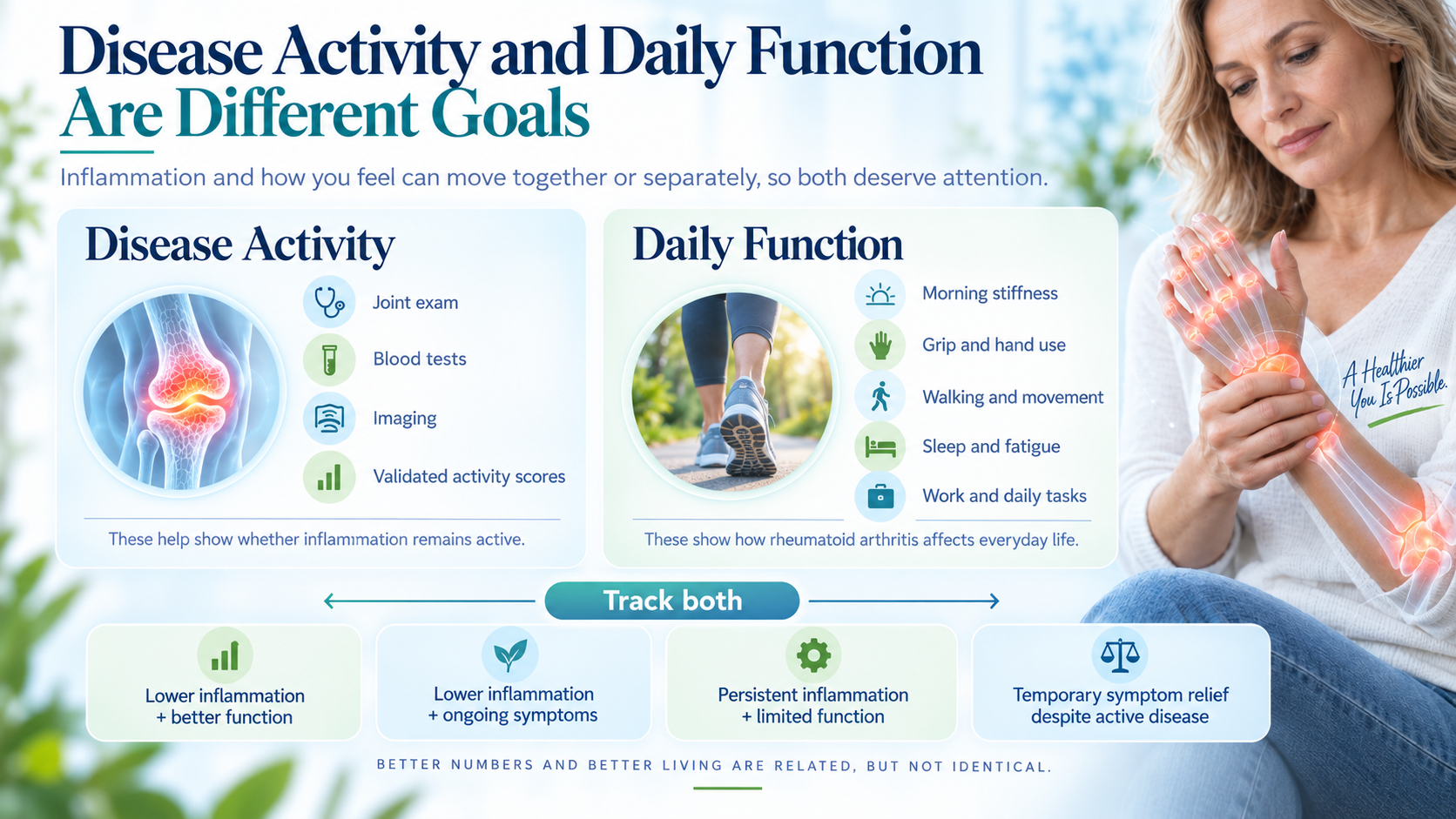
Why We Track Both Symptoms and Disease Activity
Your joint inflammation can improve while fatigue, sleep disruption, muscle weakness, nerve pain, or an old joint injury still affects how you feel. The reverse can happen too: pain improves even though inflammation remains active.
Your rheumatology team may use joint examinations, blood tests, imaging, and a validated disease-activity measure to follow the disease. I also want to understand your everyday experience: How long does morning stiffness last? Can you grip a jar, take a walk, work, sleep, or exercise more comfortably?
Why measure both? We can recognize what is changing, avoid mistaking temporary symptom relief for disease control, and choose the next priority based on how your body actually responds.
Natural Support for Rheumatoid Arthritis: Where to Begin
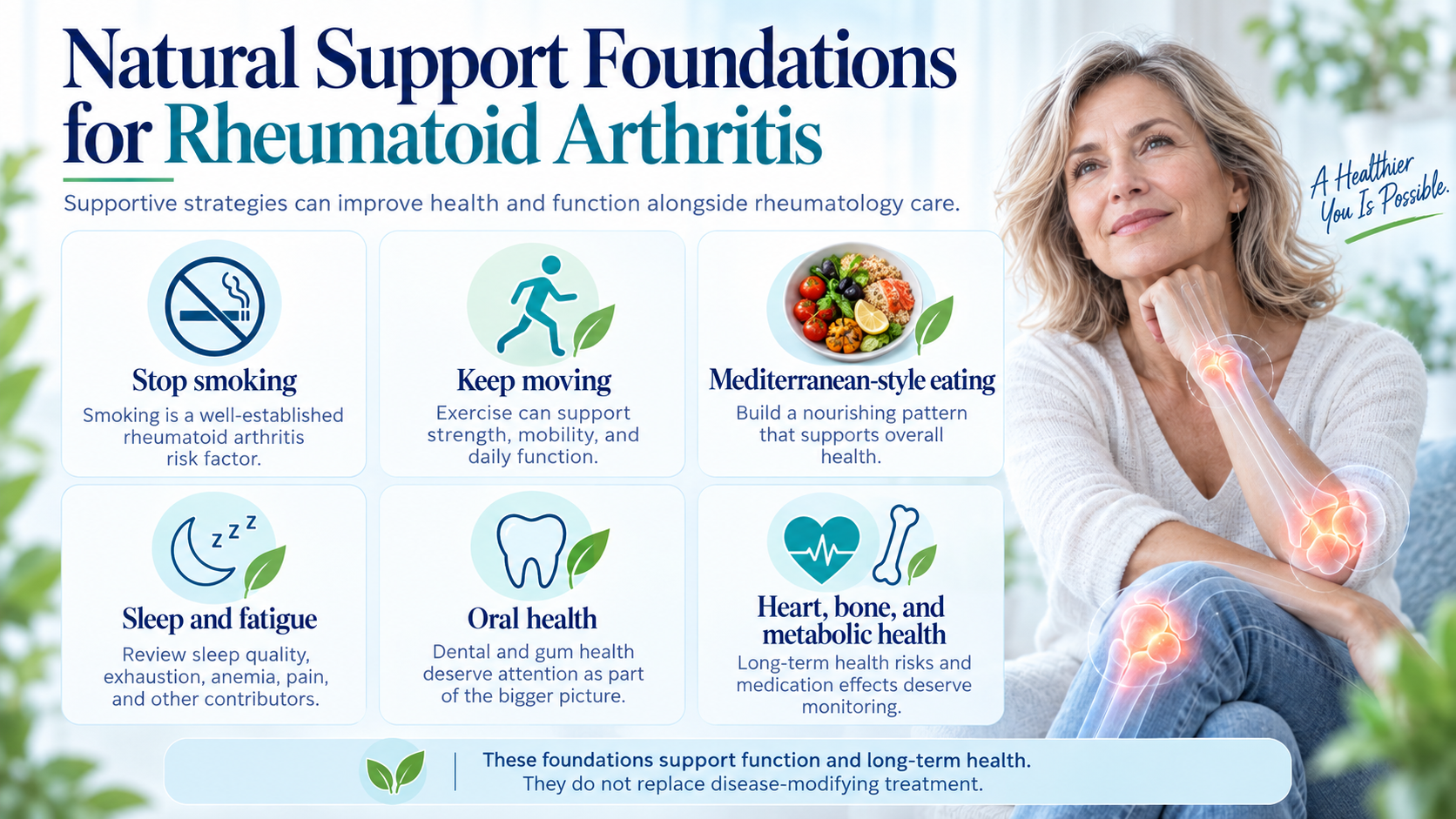
No single food, supplement, or lifestyle protocol works for everyone. These are useful areas to review with your care team, then personalize based on your history, health needs, and goals.
Stop smoking if you smoke
Smoking is a well-established RA risk factor. A cessation plan can also support your heart, lungs, and long-term health.
Keep moving in a way your joints tolerate
Consistent exercise is strongly recommended in the ACR integrative guideline. Your rheumatologist or physical therapist can help adapt aerobic activity, strengthening, and range-of-motion work during flares or with joint damage.
Choose foods that meet your nutritional needs
A Mediterranean-style pattern is a reasonable starting point. Make room for foods you tolerate, adequate protein, and any medical or nutritional needs unique to you.
Look closely at sleep and fatigue
Pain, poor sleep, sleep apnea, anemia, medication effects, and other conditions can contribute to exhaustion. Identifying what applies to you can lead to a more useful plan than guessing.
Take care of your gums and teeth
Oral health is connected to general health, and researchers are investigating links between periodontal disease and RA. Dental care is worth including, without claiming it will control RA on its own.
Support heart, bone, and metabolic health
RA and some medicines can affect cardiovascular and bone risk. Appropriate monitoring, nutrition, activity, and prevention deserve attention.
The American College of Rheumatology's integrative care guideline addresses these approaches alongside DMARD treatment, not instead of it.
If you want these foundations organized into a practical starting plan, you can review my 12-week rheumatoid arthritis protocol. It brings supplementation, nutrition, movement, sleep, stress management, and implementation resources together in one place.
How I Use the Environmentally Induced Autoimmunity Model
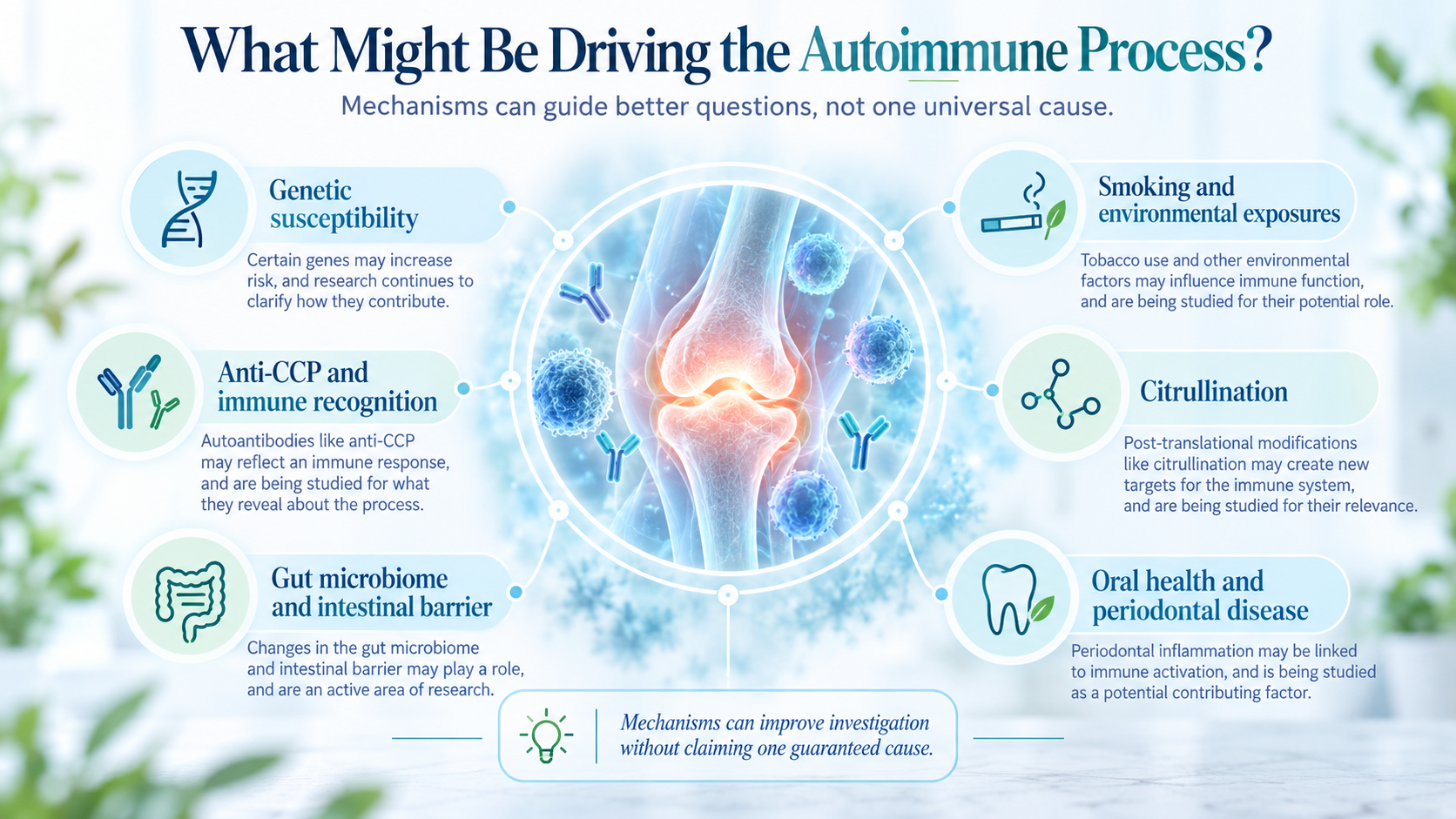
The Environmentally Induced Autoimmunity model looks at how genetic susceptibility and environmental influences may interact. I use it as a way to organize, investigate, and plan a case. It helps me connect your history with your current findings and decide where to focus our work.
Genes and environmental exposures can intersect
Some people have genetic susceptibility to RA. Smoking is an established environmental risk factor. Researchers are also studying how processes in the lungs, mouth, and other tissues can interact with immune recognition. This research does not identify a single cause shared by everyone with RA.
Why does citrullination matter?
Citrullination is a normal chemical change to proteins. In some people with RA, the immune system makes anti-citrullinated protein antibodies (often measured as anti-CCP antibodies). These antibodies can help clinicians evaluate RA, but a positive result does not identify the exposure that started one person's disease.
The mouth, gut, and immune system are connected
Studies have found associations between periodontal disease, certain oral bacteria, and RA. Researchers are also investigating the gut microbiome and intestinal barrier. These associations do not prove that gum disease, a particular microbe, or a food caused your RA. Treating an infection or changing the microbiome has not been established as a substitute for DMARDs.
In a consultation, we work through three questions: What do we know about your case? What needs investigation? What should we do next? We separate established findings from possibilities, prioritize the questions most relevant to your health, and explain how each proposed step could inform your plan. We may not be able to identify the original trigger, but we can still address relevant health needs.
For more about digestion, testing, and symptoms, read my functional medicine gut-health guide.
Rheumatoid Arthritis Testing and Lab Review: Start With What You Already Know
Before ordering more tests, I want to understand what has already been checked and which questions remain unanswered. I start by reviewing your rheumatoid arthritis history, current treatment, other diagnoses, symptoms, diet, sleep, movement, occupational or environmental exposures, and the tests you already have.
Rheumatologists interpret rheumatoid factor (RF), anti-CCP antibodies, inflammatory markers such as ESR and CRP, and other findings alongside your examination and history. No single blood test diagnoses RA, and some people have RA despite normal blood tests. My review adds context for supportive care; it does not replace that diagnostic assessment. Read the NIAMS testing overview.
Start with established information
Review your rheumatology reports and relevant labs, medication safety monitoring, nutrient status when deficiency is plausible, cardiovascular risk, and other symptoms that warrant a standard medical evaluation.
Investigate specific concerns
Digestive symptoms, recurrent infections, gum problems, restrictive eating, or persistent fatigue may justify a more focused conversation and appropriate follow-up. A test is useful only when we know what its result would change.
An abnormal result on a commercial antibody or microbiome panel does not, by itself, diagnose a current infection, intestinal permeability, or the cause of RA. I distinguish established diagnostic tests from exploratory findings and explain the limits of each before considering additional testing.
If you have symptoms suggesting celiac disease, arrange the appropriate diagnostic evaluation before removing gluten, because going gluten-free can change test results.
For more on how I decide whether a test could be useful, see my functional medicine testing guide.
Rheumatoid Arthritis Diet, Food Triggers, and Supplements
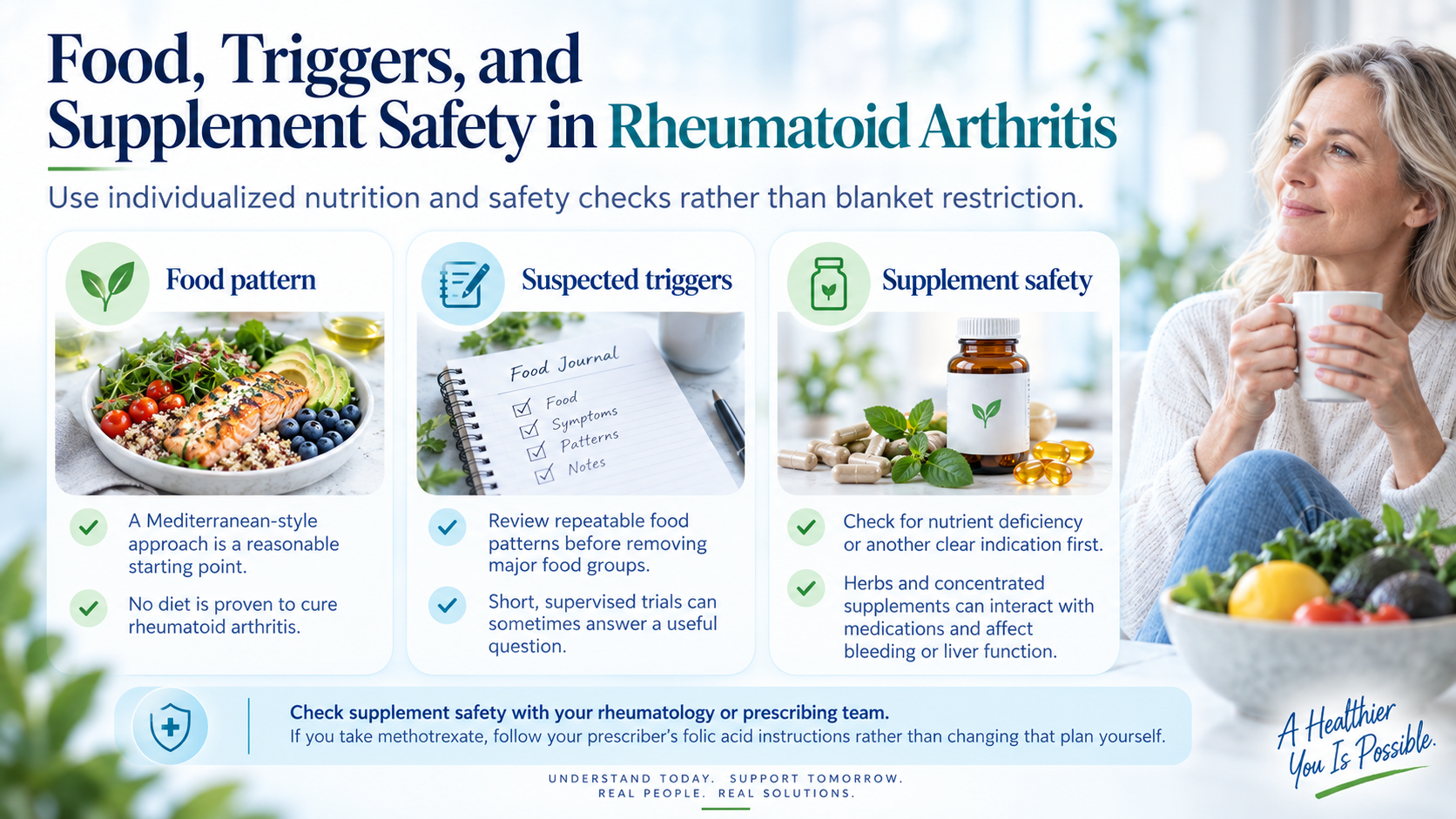
There is no scientifically established diet that cures rheumatoid arthritis. A Mediterranean-style eating pattern has a conditional recommendation in the ACR integrative guideline. It may help some people with pain and supports a broader heart-healthy eating pattern, but research has not established that it replaces medication or reliably stops disease activity.
If a particular food repeatedly seems to affect how you feel, we can review the pattern, your nutritional needs, and whether a short, supervised trial would answer a useful question. I do not assume that everyone with RA needs to eliminate nightshades, gluten, dairy, or multiple food groups. Removing foods without a clear reason can make eating harder without helping.
Supplement choices should also depend on your health needs. Check for a documented nutrient deficiency or another clear indication first. Evidence does not support routinely adding supplements to treat RA itself. Fish oil may be relevant for some other health indications; herbs and concentrated products can interact with medications and affect bleeding or liver function.
My 12-week rheumatoid arthritis supplement protocol shows how I organize nine supplement products, three nutrition options, movement, sleep, stress support, and a clear checkpoint to reevaluate how you are doing.
Check safety before starting anything new. Ask your rheumatology or prescribing team about supplements, pregnancy considerations, surgery, and interactions with your medication. If you take methotrexate, follow your prescriber's folic-acid instructions rather than changing that plan yourself.
Rheumatoid Arthritis Flare-Ups: What to Track and When to Call
A flare can bring increased pain, stiffness, swelling, or fatigue. Some episodes have a recognizable pattern; others do not. A flare is not proof that you ate the wrong food or failed to manage your health.
Follow the flare plan you have agreed on with your rheumatology team. If you do not have one, or symptoms are new, severe, persistent, or repeatedly returning, contact the team for advice. Medication changes belong with your prescriber. The Arthritis Foundation’s flare overview explains why repeated flares may require a treatment review.
Write down when symptoms started, how long morning stiffness lasts, what has become harder to do, and any recent changes in sleep or routine. Bring that record to your appointment. A pattern may be worth discussing, but timing alone does not show what caused a flare. See the medical-attention guidance above for symptoms that need prompt assessment.
How Functional Medicine Fits With Your Rheumatoid Arthritis Care Team
Your rheumatologist oversees RA diagnosis, disease control, and medication decisions. Depending on your needs, primary care, physical or occupational therapy, dentistry, nutrition, or other specialists may also play a role.
Each member of your care team brings useful expertise. My contribution is to organize your case through the Environmentally Induced Autoimmunity model, investigate relevant concerns, and help you put an individualized plan into practice. We consider your medical care, the time and energy you have, and the activities you want to get back to.
Remote consultations and the Hickory practice
I am Brad Shook, DC, AFMC, a chiropractor and functional medicine consultant. My practice is based in Hickory, North Carolina, with remote functional medicine consultations available for appropriate clients nationally. In-person availability may be considered when appropriate. Your rheumatologist remains responsible for RA diagnosis, disease-modifying treatment, and medication management, including DMARDs and biologics when prescribed.
If you are considering working with me, the Application for Care is the first step. For our review, it helps to have your rheumatology records, current medications and supplements, available lab results, and the activities you most want to get back to. Learn about my background and approach.
Explore What Functional Medicine Could Add to Your RA Care
If you would like to investigate possible triggers and drivers and build a plan around your own findings, I would be glad to review your application. Tell me about your RA, your current care, and what you want help with. I will consider whether my functional medicine approach is a good fit alongside your medical care.
Here's how it works: You apply for care. I personally review your information. If your application is accepted, you receive a private link to schedule.
Frequently Asked Questions
How does Dr. Shook use the Environmentally Induced Autoimmunity model?
I use the model to organize your health history and findings, investigate possible triggers and drivers, and decide which steps belong in your plan. It guides the DETECT → SUPPORT → REASSESS process. It does not assume one cause for everyone or guarantee that we can identify what first triggered RA.
Can rheumatoid arthritis be treated naturally?
Natural strategies such as exercise, individualized nutrition, sleep support, and smoking cessation can support health and function. They have not been shown to replace disease-modifying drugs that reduce joint-damage risk.
Can functional medicine help someone with rheumatoid arthritis?
In my practice, functional medicine offers a way to organize your case, investigate possible triggers and contributors, and plan individualized support. I use the Environmentally Induced Autoimmunity model to guide that process alongside your rheumatologist’s disease-modifying treatment and monitoring.
What is the best diet for rheumatoid arthritis?
The ACR conditionally recommends a Mediterranean-style diet over no defined eating pattern. The right plan should also reflect your nutritional needs, preferences, and medical history.
Does gut health cause rheumatoid arthritis?
Researchers are studying connections between the gut microbiome, intestinal barriers, and rheumatoid arthritis. No single gut finding has been established as the cause of RA in an individual, and routine microbiome testing cannot replace standard RA evaluation.
Can gum disease affect rheumatoid arthritis?
Periodontal disease is associated with rheumatoid arthritis, and scientists are studying possible immune mechanisms. Dental treatment supports oral health, but it is not an established replacement for RA medication.
Do nightshades, gluten, or dairy cause rheumatoid arthritis flares?
There is no good evidence that everyone with RA should avoid these foods. If you notice a repeatable pattern, review it with a qualified clinician before making major restrictions. Test for suspected celiac disease before stopping gluten.
Is exercise safe if I have rheumatoid arthritis?
Exercise is recommended for many people with RA, with adjustments for active inflammation, pain, and joint damage. Your rheumatology team or physical therapist can help you choose appropriate activity.
Can I stop RA medication if I feel better?
Do not stop or taper RA medication on your own. Your rheumatologist can evaluate disease activity and discuss medication changes if you reach sustained remission.
What happens during a functional medicine telemedicine visit with Dr. Shook?
I review your health history, symptoms, existing records, and priorities, then help you identify a focused plan for supportive care. Start with the application for care; I review it personally and send a private scheduling link if accepted.
Can I work with Dr. Shook remotely for rheumatoid arthritis support?
Remote functional medicine consultations are available for appropriate clients nationally through my Hickory, North Carolina practice. Start with the Application for Care. I review your situation before offering a private scheduling step, and your rheumatology care continues alongside our work.
Sources and Further Reading
- National Institute of Arthritis and Musculoskeletal and Skin Diseases: Rheumatoid Arthritis. Overview of the condition.
- NIAMS: Rheumatoid Arthritis Diagnosis, Treatment, and Steps to Take.
- 2021 American College of Rheumatology Guideline for the Treatment of Rheumatoid Arthritis.
- EULAR recommendations for rheumatoid arthritis disease-modifying treatment: 2025 update, published 2026.
- 2022 ACR Guideline for Exercise, Rehabilitation, Diet, and Additional Integrative Interventions for RA.
- 2025 review of periodontal bacteria, immune mechanisms, and rheumatoid arthritis. Research review; causation remains under investigation.
- 2025 review of the gut microbiota in rheumatoid arthritis. Mechanistic and biomarker research, not a validated individual-cause test.
- NIDDK: Diagnosis of Celiac Disease. Why testing generally comes before going gluten-free.
- Arthritis Foundation: Understanding Rheumatoid Arthritis Flares. Patient guidance on recognizing changes and involving your rheumatology team.