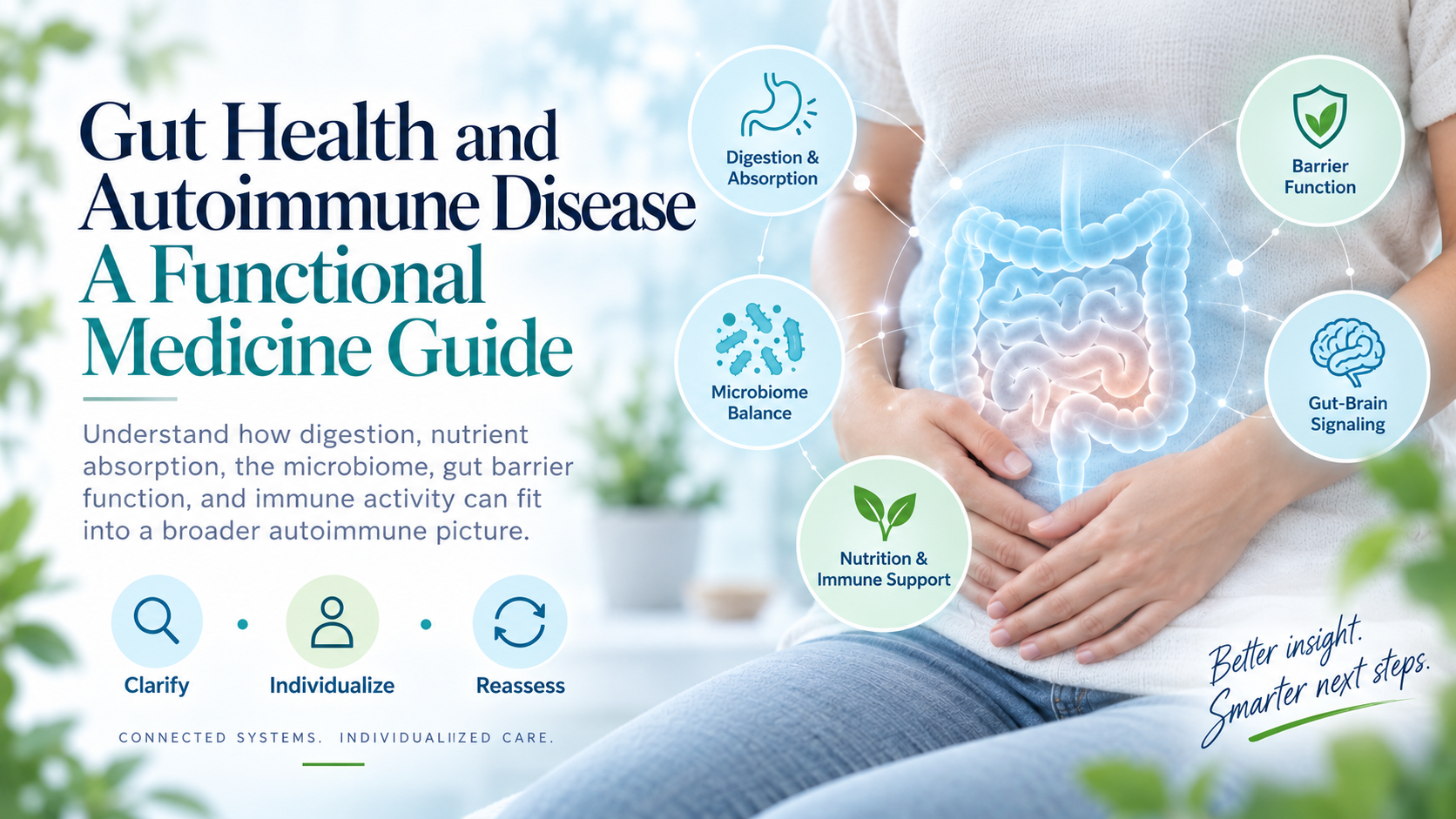
Why gut health matters in autoimmune disease
An autoimmune diagnosis tells us which disease has been identified. It does not automatically tell us what triggered the autoimmune process, what may still be driving it, or which factors can be changed. Identifying possible triggers and drivers is one of the main things I am trying to do when I look at your health through a functional medicine lens.
I use an Environmentally Induced Autoimmunity model to organize the case. In practical terms, that means looking at how your genetic susceptibility may interact with environmental exposures and the physiological systems that regulate digestion, barrier function, immune activity, metabolism, nutrition, stress, sleep, and recovery. These are some of the key ways the environment can interact with your biology and influence autoimmune expression.
Gut health belongs near the center of that conversation because the digestive tract is one of the body’s largest interfaces with the outside world. Food, microbes, medications, and other compounds enter through the gastrointestinal tract, where the intestinal lining and immune system constantly interact with what comes from the environment.
For someone with Hashimoto’s, psoriasis, or another autoimmune disease, I want to know whether digestion, bowel function, food tolerance, nutrient status, the intestinal barrier, microbial patterns, or a gastrointestinal condition may be influencing the autoimmune expression. Digestive symptoms are an important clue, but significant gut-related problems can also exist when bloating or stomach pain are not the main complaint and may still contribute to immune activation or help perpetuate the autoimmune process.
Research continues to show significant relationships between gut biology and autoimmune disease. Those relationships are complex, and that is why I want to understand which parts of the gut-immune physiology are relevant to your case, establish a useful baseline, and determine where gut support may fit into the larger autoimmune plan. Read a 2025 review of gut health and autoimmune disease.
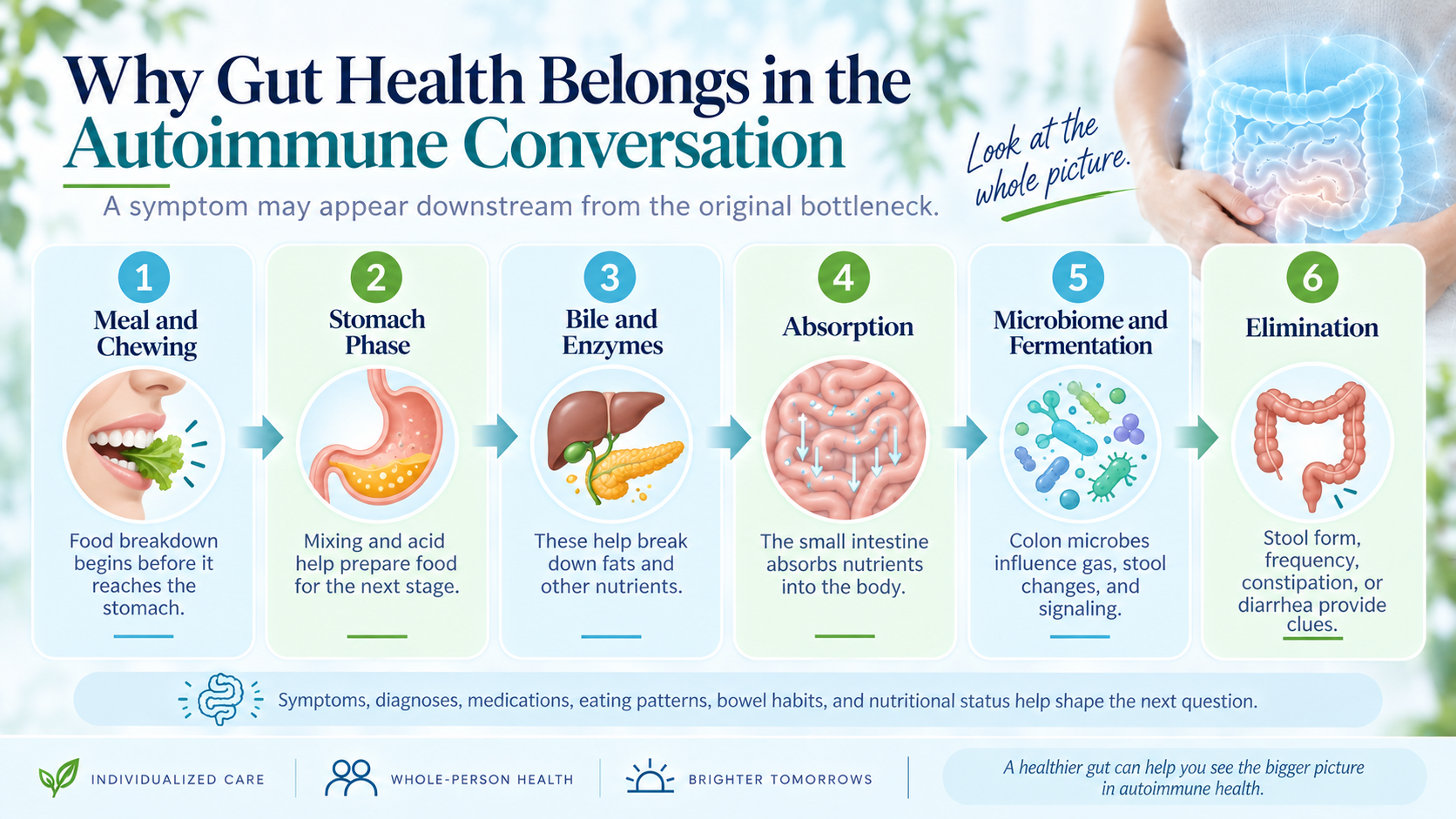
How gut health can connect with autoimmune disease
There are several ways the digestive system can influence the larger autoimmune picture. These are some of the connections I think about when I review a case:
1. The intestinal barrier
The intestinal lining has two jobs that must happen at the same time: absorb what you need and regulate what crosses from the gut into the body. When barrier function changes, exposure to food-derived and microbial material can change as well. Because the intestinal barrier interacts so closely with immune activity, it is an important part of the gut-autoimmune conversation.
2. Immune activity in the gut
The gastrointestinal tract contains a large amount of immune tissue. Every day, that system has to distinguish between nutrients, normal microbes, potential pathogens, and other antigens. Changes in immune tolerance and mucosal immune activity can therefore become relevant when we are trying to understand a broader autoimmune pattern.
3. The microbiome and microbial metabolites
Gut microorganisms interact with digestion, bile acids, nutrient metabolism, the intestinal lining, and immune signaling. Researchers have identified altered microbial patterns in a number of autoimmune conditions. In a functional medicine assessment, I consider the microbiome together with factors such as diet, medications, infections, motility, bile flow, and other exposures that can shape microbial balance.
4. Digestion, absorption, and nutrient status
You can eat a nutritious diet and still have problems with how food is digested, absorbed, and used. Stomach function, bile, pancreatic enzymes, intestinal health, dietary restriction, medications, and gastrointestinal disease can all influence nutrient status. For someone with autoimmunity, those issues can affect energy, recovery, tissue function, and the ability to support healthy immune regulation.
Why this matters: In my functional medicine approach, gut health is an essential part of the autoimmune case review because it can help identify additional triggers, drivers, and physiological patterns that may be influencing immune activation. The Application for Care explains how I review whether a telemedicine consultation may be a fit.
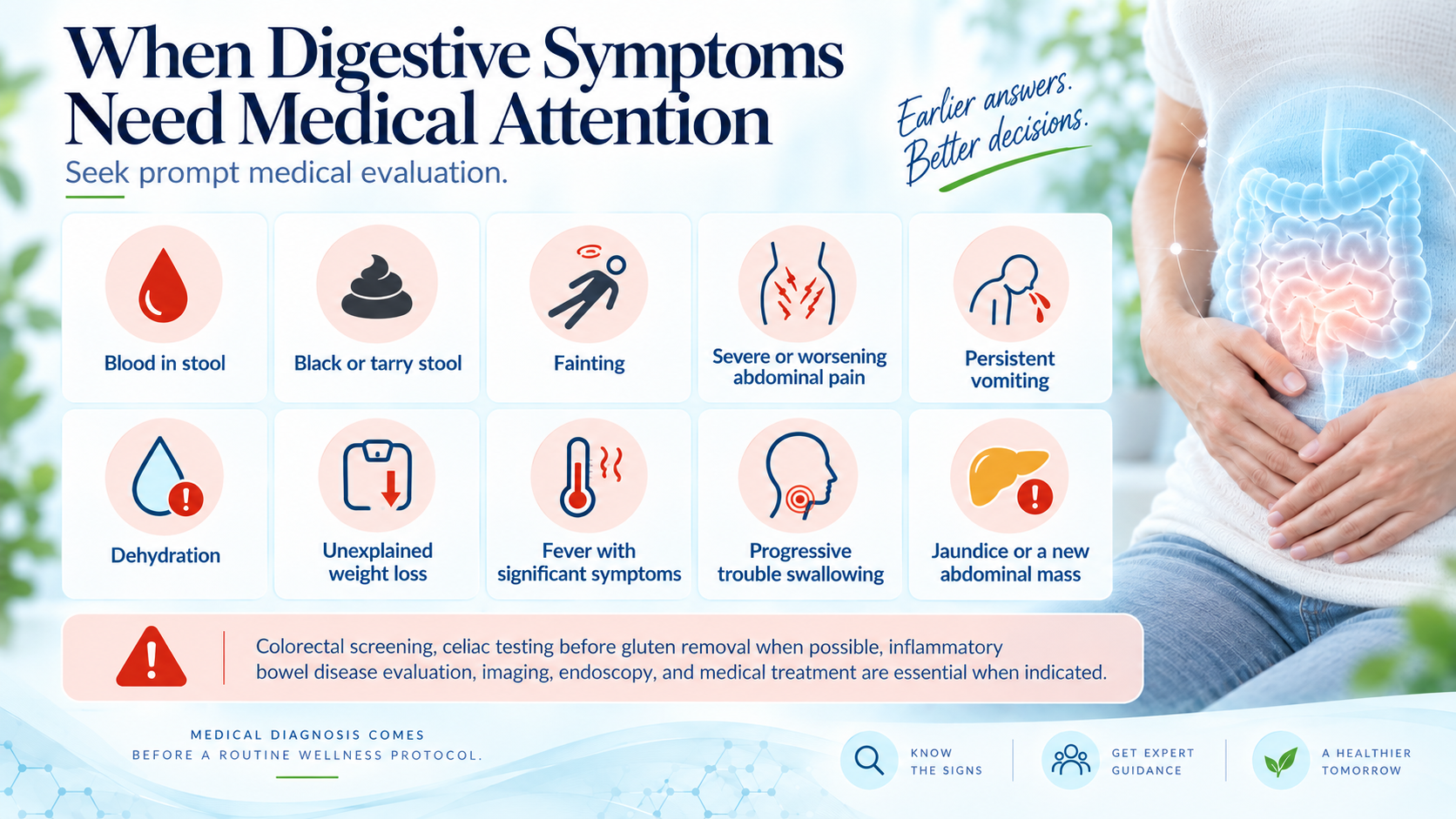
When digestive symptoms need medical evaluation
Seek prompt medical evaluation
Blood in stool, black or tarry stool, fainting, severe or rapidly worsening abdominal pain, persistent vomiting, dehydration, unexplained weight loss, fever with significant symptoms, anemia, progressive trouble swallowing, jaundice, or a new abdominal mass should be evaluated promptly.
Appropriate medical evaluation still matters. Colorectal-cancer screening, celiac testing before gluten removal when possible, inflammatory-bowel-disease evaluation, imaging, endoscopy, and medical treatment may all be necessary depending on the situation. Functional medicine can then add a systems-level assessment alongside appropriate medical care.
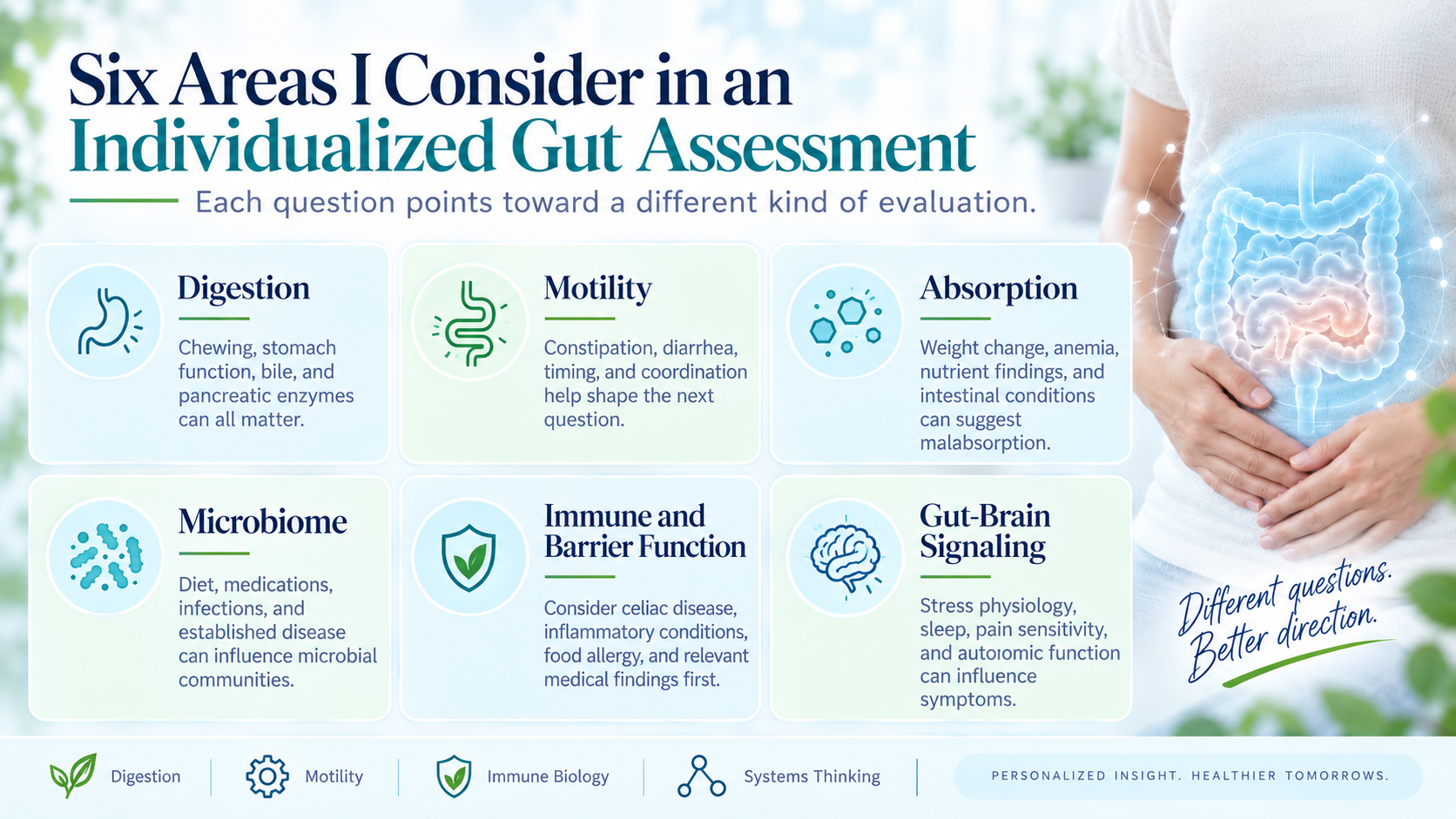
Six gut-health questions I work through in autoimmune cases
1. Are you breaking food down effectively?
I look at chewing, stomach function, bile, pancreatic enzymes, meal-related symptoms, and any diagnosed gastrointestinal condition. Problems early in digestion can change what reaches the small intestine and colon and can influence symptoms farther downstream.
2. Is food moving through the digestive tract normally?
Constipation, diarrhea, urgency, incomplete evacuation, and the timing of symptoms can tell us a great deal about motility and where the digestive process may be slowing down or speeding up.
3. Are you absorbing what you need?
Weight change, anemia, nutrient findings, dietary restriction, pancreatic or intestinal disease, and other clues can point toward problems with absorption or nutritional status that may be important to the autoimmune picture.
4. What is shaping your microbiome?
Diet, medications, infections, bowel motility, bile acids, travel, illness, and other exposures can influence microbial communities. I look at those factors together with symptoms and testing to understand whether microbial imbalance may be part of the case.
5. Is barrier or mucosal immune function relevant?
History, symptoms, diagnosed conditions, food reactions, inflammatory patterns, and selected testing can help us evaluate the intestinal barrier and immune activity in the gut and see how those findings fit into the larger autoimmune picture.
6. Is the gut-brain-autonomic connection affecting digestion?
Stress physiology, sleep, pain sensitivity, vagal and autonomic signaling, and nervous-system function can influence motility, secretion, appetite, and digestive symptoms. These relationships can be important when we are trying to understand why digestive function changes over time.
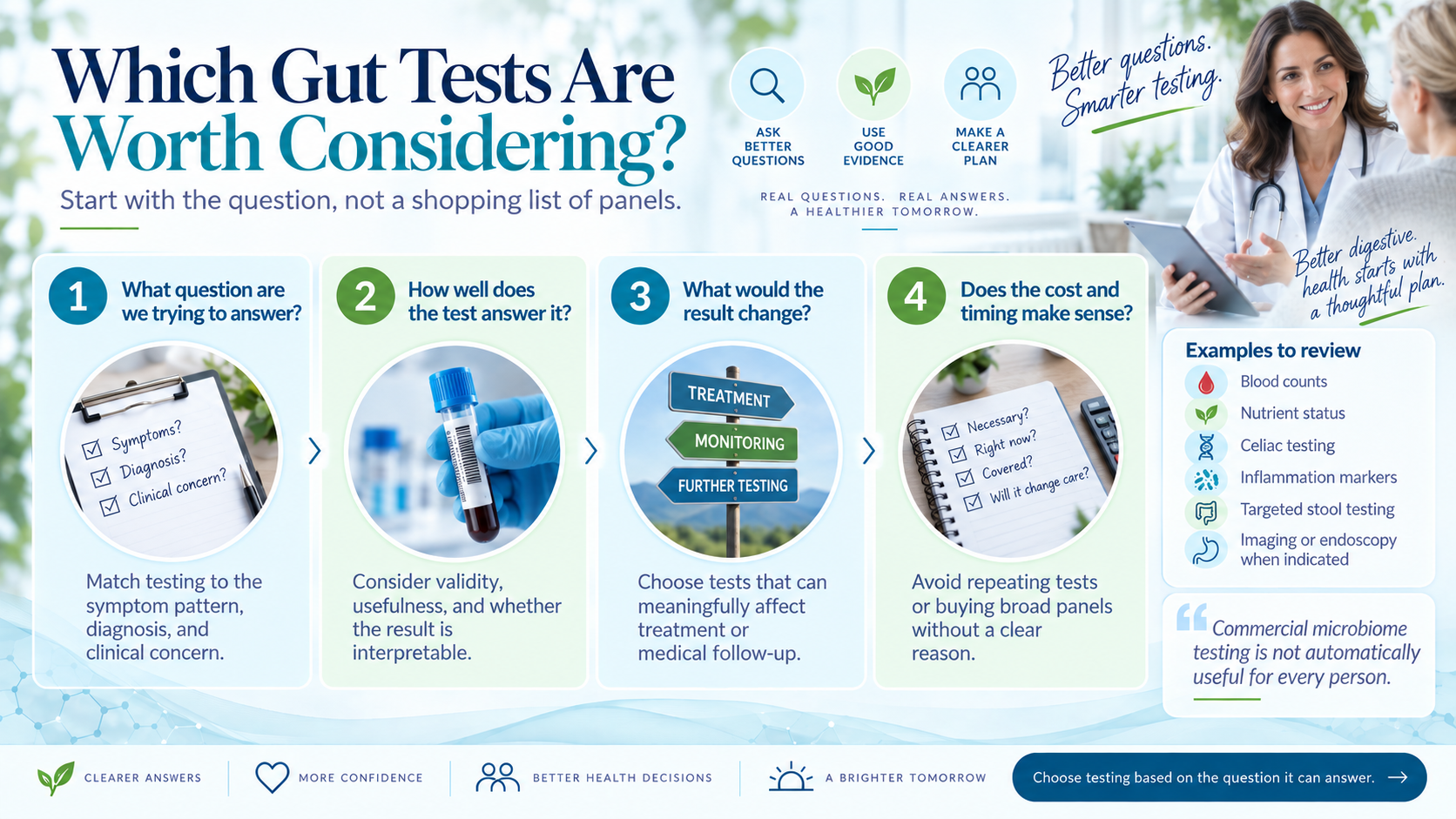
Which gut tests are worth considering in autoimmune disease?
Deciding which tests to consider when you have an autoimmune condition depends on your history, symptoms, previous diagnoses, and laboratory results. That may mean reviewing a complete blood count, iron and nutrient status, celiac testing, inflammatory markers, thyroid or metabolic findings, stool testing, or other gastrointestinal studies that have already been ordered by your medical team.
When I review a case from a functional medicine perspective, I may also consider selected specialty testing. Depending on what we are trying to understand, that can include testing related to digestion and absorption, bacterial balance or dysbiosis, potential pathogens or parasites, intestinal barrier-associated immune responses, food-related immune reactions, or other physiological patterns.
The first step is to define what we are trying to detect and how the information could help us build a more focused plan. Microbiome and stool testing can be especially useful when we want additional information about microbial patterns, digestive function, inflammatory or immune markers, and other findings that may connect gastrointestinal function with the larger autoimmune picture.
Already have laboratory or specialty test results? Bring them. Existing blood work, gastrointestinal testing, imaging, stool studies, food-related testing, and other records give us a valuable starting point. Reviewing them together with your history and symptoms helps establish what is already known, what patterns are emerging, and what may still be worth investigating.
Food tolerance, nutrition, and autoimmune disease
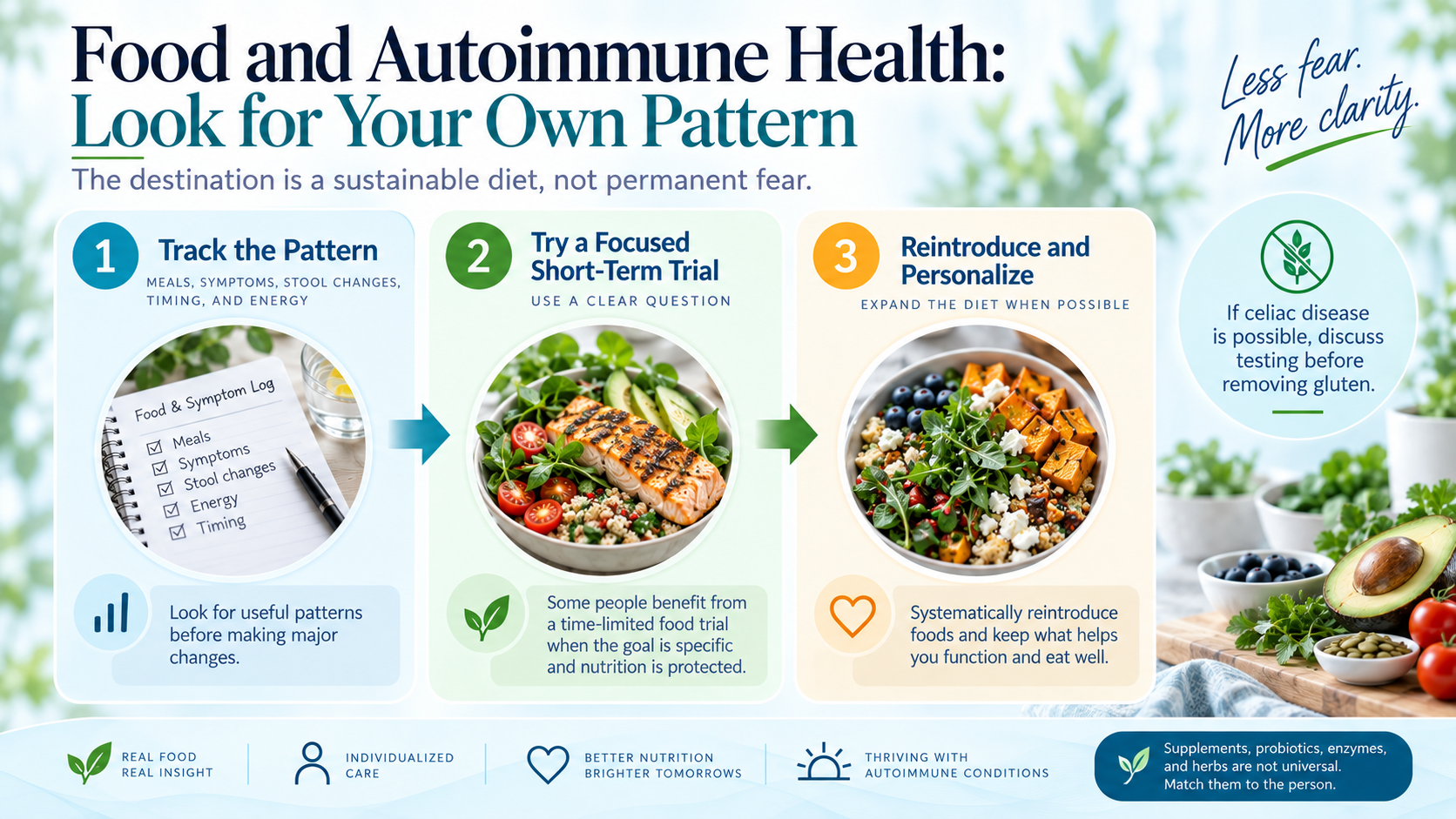
Food is one of the most direct environmental inputs the digestive and immune systems encounter every day. In an autoimmune case, I want to understand what you eat, how you respond to different foods, whether you may be under-eating or overly restricting your diet, and whether there are food-related patterns that may be influencing digestion, inflammation, immune activation, or symptoms.
For some people, a structured elimination-and-reintroduction trial can help us identify foods that may be contributing to symptoms or immune activation. The elimination period creates a baseline, and the reintroduction phase helps us learn from your response. A modified elimination approach can sometimes make this process more sustainable while still giving us useful information. If celiac disease is a possibility, celiac testing should generally be discussed before removing gluten when feasible.
Nutrition matters alongside food tolerance. Protein intake, essential fats, fiber, vitamins, minerals, and overall dietary adequacy can influence energy, tissue repair, digestive function, metabolism, and immune regulation. If your diet has become very restricted over time, part of the plan may be rebuilding variety as we learn more about what you tolerate. Greater dietary variety can also help support a more diverse gut microbiome, which appears to be one characteristic of a healthier gut ecosystem.
Probiotics, digestive enzymes, herbs, fibers, and other supplements can also be used to support specific areas of gut physiology. Product selection, dose, timing, medications, diagnoses, tolerance, and your response all matter. The goal is to match the support to the patterns we have identified and then reassess how your digestion, symptoms, and overall autoimmune picture respond.
How I work through gut health in an autoimmune case
I begin by mapping the case. That includes your autoimmune diagnosis, symptom history, digestive patterns, food responses, medications and supplements, previous infections, lifestyle, exposures, medical records, laboratory results, and what has already been tried. I am looking for relationships that can help us identify the highest-priority triggers, drivers, and physiological patterns.
From there, I use a simple process: DETECT → SUPPORT → REASSESS. This gives us a practical way to move from a complex history to a focused plan and then learn from how your body responds.
Identify the patterns
Bring together your history, symptoms, records, labs, diet, lifestyle, exposures, medications, and digestive clues to identify the triggers, drivers, and physiological systems that deserve the most attention.
Build a focused plan
Build an individualized plan around the highest-priority findings. Depending on the case, that may include nutrition, digestive support, lifestyle changes, targeted supplementation, or coordination with appropriate medical care.
Learn from your response
Measure what changed, what did not, and what your response teaches us. Reassessment helps us refine priorities, adjust support, and understand the case more clearly over time.

What to gather before a functional medicine gut health consultation
You do not need to figure out your gut health before you apply for care. The most useful starting point is simply enough information for us to see the pattern.
- Your autoimmune diagnosis and the symptoms that still affect you most.
- Your digestive symptoms and bowel patterns, even if they seem unrelated.
- Your usual diet, known food reactions, and any diets you have already tried.
- Your current medications and supplements.
- Recent laboratory results, imaging, gastrointestinal testing, or specialty testing you already have.
- A short timeline of major infections, medication changes, stressful events, exposures, or other changes that seemed to happen before symptoms worsened.
This information gives us a strong starting point for understanding how your gut health may connect with the rest of your autoimmune case and which areas deserve the closest attention first.
Could gut health be part of your autoimmune picture?
If you have Hashimoto’s, psoriasis, or another autoimmune disease and want to understand whether gut health, food tolerance, nutrition, infections, environmental exposures, or other physiological factors may be contributing to your autoimmune process, this is the kind of case I evaluate in functional medicine.
Here is how to begin: Complete the Application for Care and tell me what you have been experiencing, what has already been diagnosed, what you have tried, and what you want to understand. I review each application personally. If I believe my telemedicine consulting approach may be a good fit, you will receive a private invitation to schedule an initial appointment and complete the intake process. From there, we can begin organizing the case, identifying priorities, and building a focused plan.
Frequently Asked Questions
How is gut health connected to autoimmune disease?
Gut health can connect with autoimmune disease through digestion, nutrient absorption, intestinal barrier function, mucosal immune activity, the microbiome, food tolerance, microbial metabolites, and gut-brain-autonomic signaling. These systems create several points where gastrointestinal health can influence immune activity and autoimmune expression.
Can gut health matter even if I do not have digestive symptoms?
Yes. Digestive symptoms can be useful clues, but gut-related problems can also be present when bloating, reflux, constipation, diarrhea, or stomach pain are not major complaints. Nutrient status, microbial patterns, food tolerance, intestinal barrier function, and mucosal immune activity may still be relevant to the autoimmune picture.
Does leaky gut cause autoimmune disease?
Altered intestinal permeability is one mechanism researchers study in autoimmune disease. In practice, I consider intestinal barrier function alongside genetics, environmental exposures, infections, nutrition, microbial patterns, immune regulation, and the rest of the case when evaluating possible triggers and drivers.
Which gut tests are useful for autoimmune disease?
The tests I consider depend on your history, symptoms, previous diagnoses, and existing laboratory results. Depending on the case, that can include standard blood work, nutrient testing, celiac testing, inflammatory markers, thyroid or metabolic testing, stool testing, and selected specialty testing related to digestion, microbial patterns, intestinal barrier-associated immune responses, or food-related immune reactions.
Do I need a comprehensive stool or microbiome test?
A comprehensive stool or microbiome test can be useful when we want more information about digestion, bacterial patterns or dysbiosis, potential pathogens or parasites, inflammatory or immune markers, and other gastrointestinal findings. Whether it belongs in your assessment depends on your symptoms, prior testing, medications, diagnoses, and the rest of the case.
Should everyone with autoimmune disease stop gluten?
No. Gluten is especially important to evaluate when celiac disease is possible or when a structured dietary trial is appropriate. Because removing gluten can affect celiac testing, it is generally best to discuss testing before eliminating gluten when feasible.
Are probiotics good for autoimmune disease?
Probiotics can be useful in selected autoimmune and digestive cases. The effect depends on the strain, dose, condition, diet, medications, current gut environment, and the individual response, so I consider probiotics within the larger digestive and immune picture.
Can diet or supplements cure autoimmune disease?
There is no scientifically established diet or supplement that cures autoimmune disease. Nutrition, lifestyle, digestive support, and targeted supplementation can still play an important role in supporting physiology, addressing identified triggers and drivers, and improving the overall plan.
When should digestive symptoms be evaluated urgently?
Seek prompt medical care for bleeding, black or tarry stool, fainting, severe or rapidly worsening abdominal pain, persistent vomiting, dehydration, unexplained weight loss, fever with significant symptoms, anemia, jaundice, or progressive trouble swallowing.
What happens after I apply for a telemedicine consultation?
I review your Application for Care personally. If I believe my consulting approach may be a good fit, you will receive a private invitation to schedule an initial telemedicine appointment and complete the intake process. We then review your history, organize the case, identify priorities, and determine the most useful next steps.
Sources and Further Reading
- National Institute of Diabetes and Digestive and Kidney Diseases: Digestive Diseases. General digestive conditions, symptoms, diagnosis, and medical evaluation.
- American College of Gastroenterology clinical guideline on irritable bowel syndrome (2021). Diagnosis, testing, diet, and treatment recommendations for irritable bowel syndrome.
- Exploring the Relationship Between Gut Health and Autoimmune Diseases: A Systematic Review and Meta-Analysis (2025). Recent research examining relationships between gut health, microbiome patterns, intestinal function, and autoimmune disease.
- American Gastroenterological Association guidance on diet in IBS (2022). Dietary strategies for IBS, including structured restriction and personalized reintroduction.
- American Gastroenterological Association guidance on probiotics. Condition-specific guidance on the use of probiotics in gastrointestinal disorders.