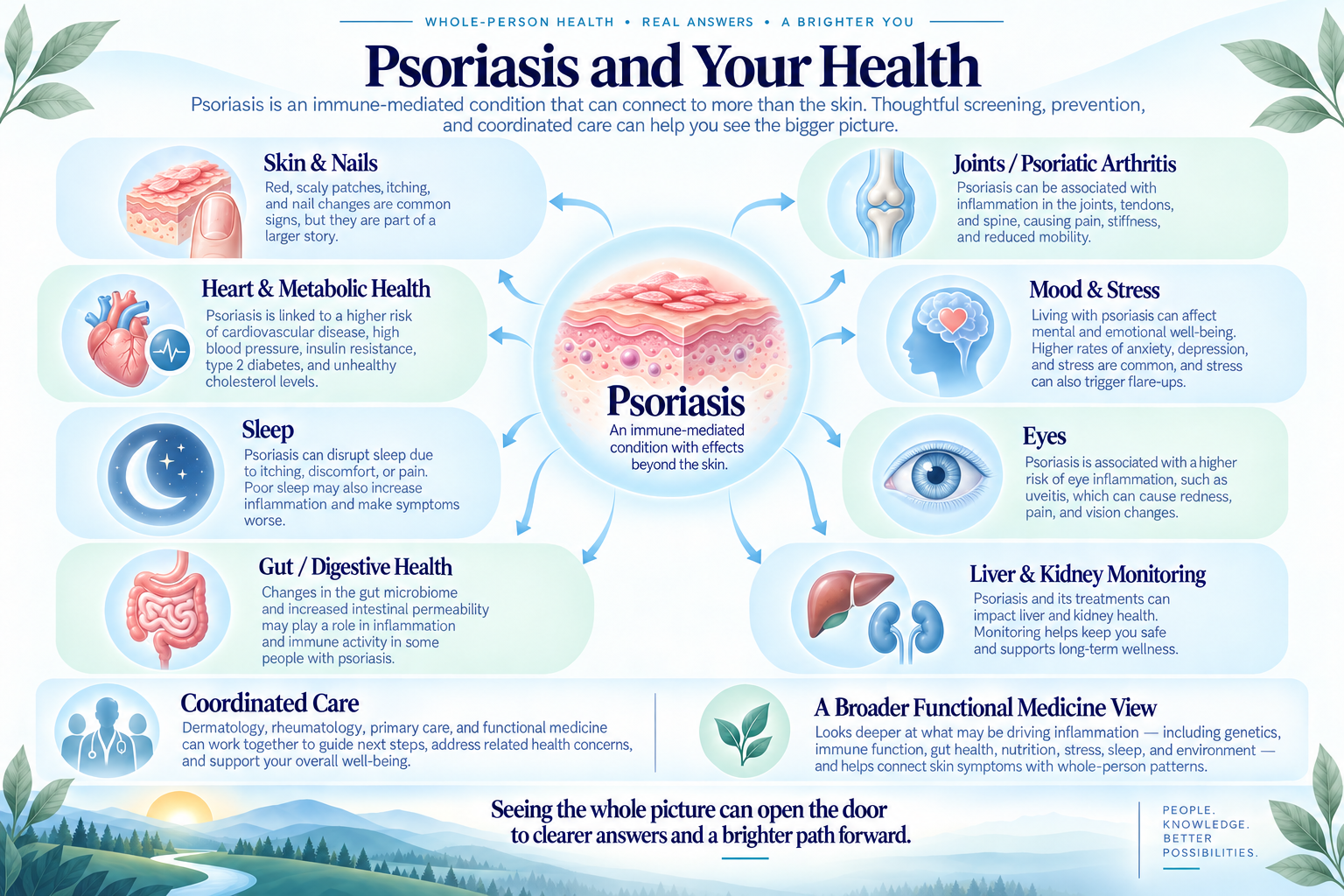
Psoriasis Is More Than a Visible Skin Condition
Immune inflammation, treatment effects, shared risk factors, and the day-to-day burden of symptoms can all influence health. The goal is not to frighten you or label every problem as autoimmune. It is to notice important patterns early and avoid fragmented care.
Risk is not destiny. An association means a condition occurs more often in a group, not that psoriasis directly caused it in every individual.
Psoriatic Arthritis, Tendons, and the Spine
Psoriatic arthritis can cause joint pain and swelling, prolonged morning stiffness, a swollen finger or toe, heel pain, tendon problems, and neck or back stiffness. Skin disease often comes first, but the timing varies.
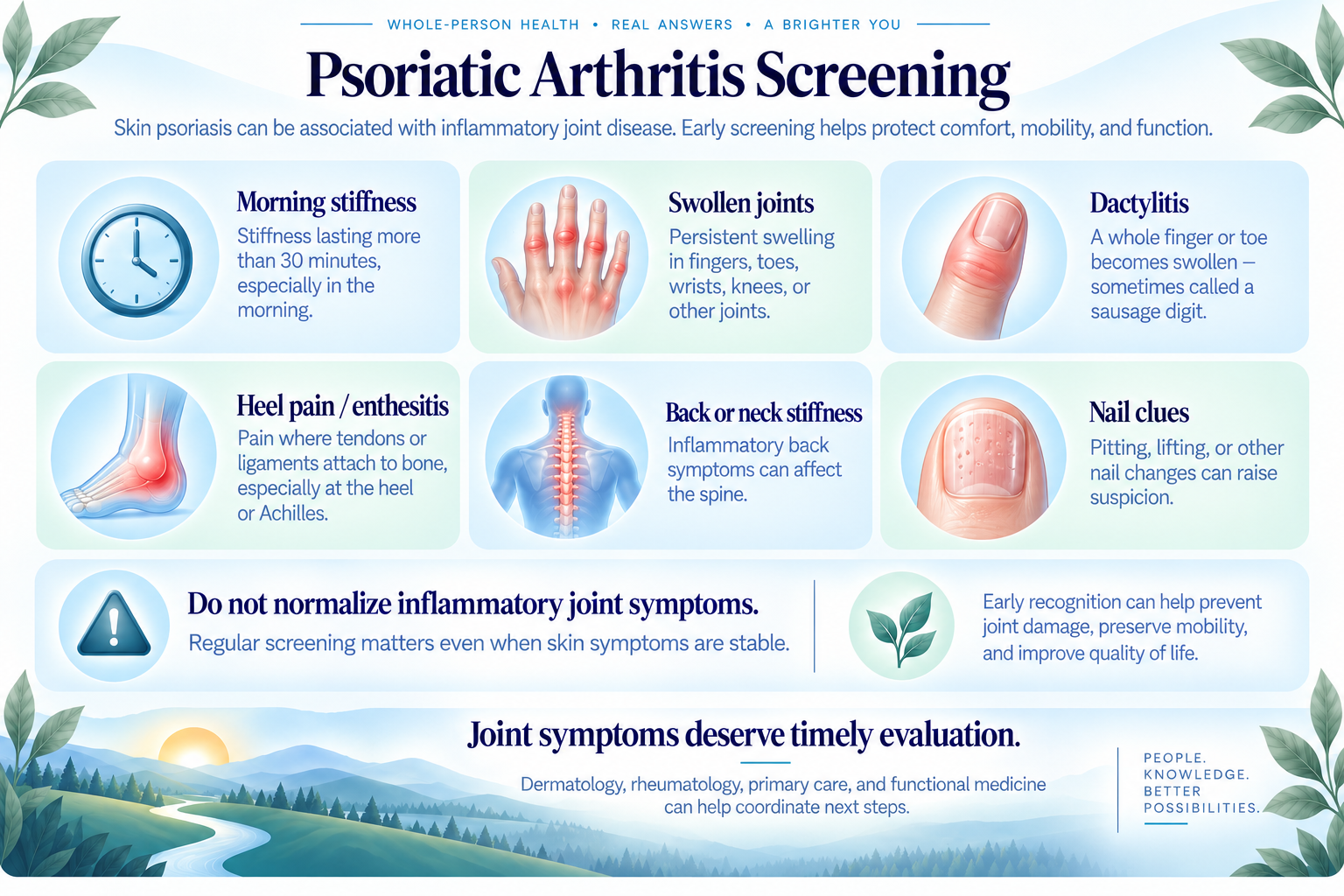
Do not normalize persistent inflammatory symptoms. Early rheumatology evaluation can clarify the diagnosis and protect function. Review early signs of psoriatic arthritis.
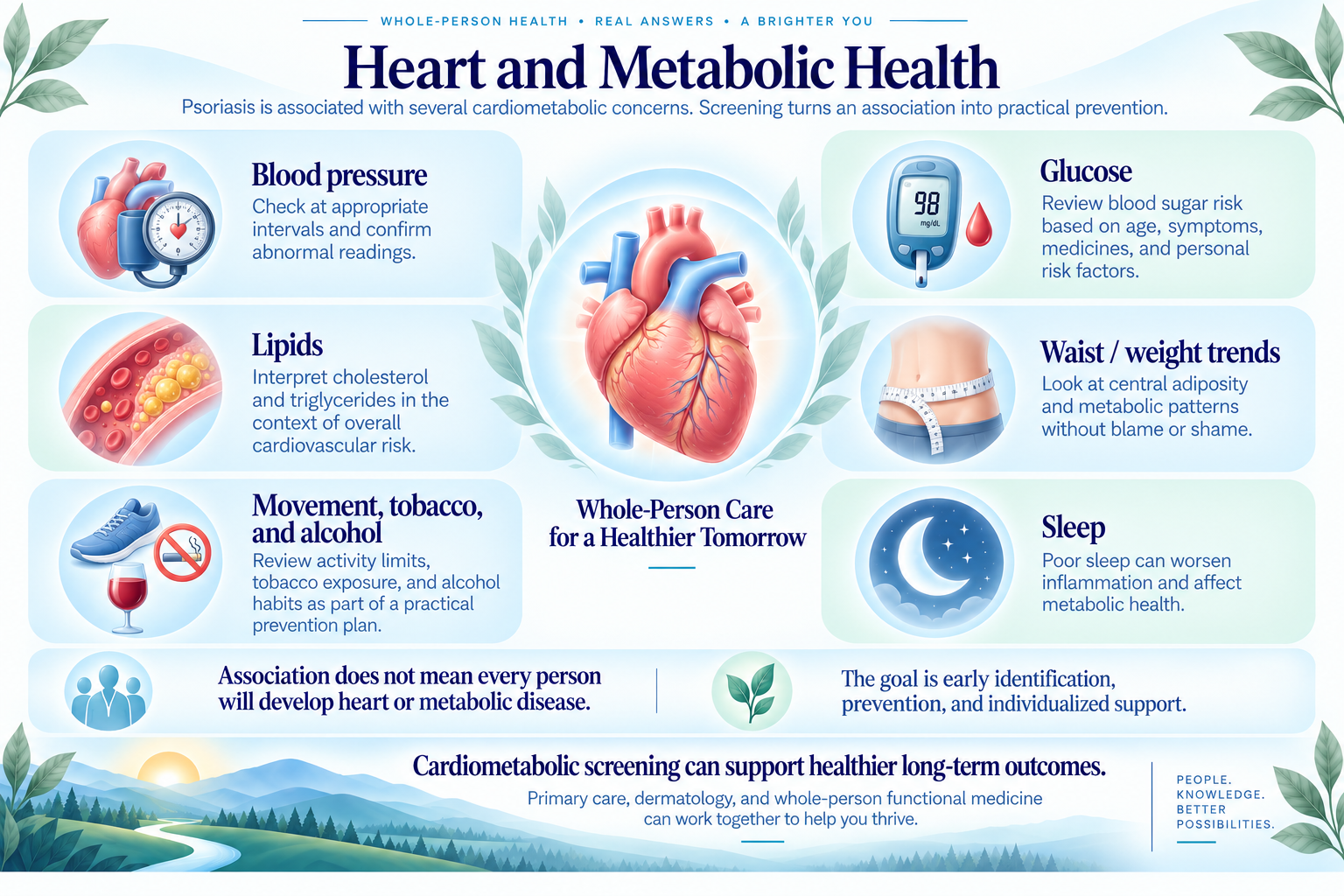
Heart and Metabolic Health
Psoriasis is associated with obesity, metabolic syndrome, diabetes, and cardiovascular disease. Shared influences can include inflammation, smoking, alcohol, activity limitations, sleep, stress, diet quality, and some treatment considerations.
Mood, Stigma, Stress, and Sleep
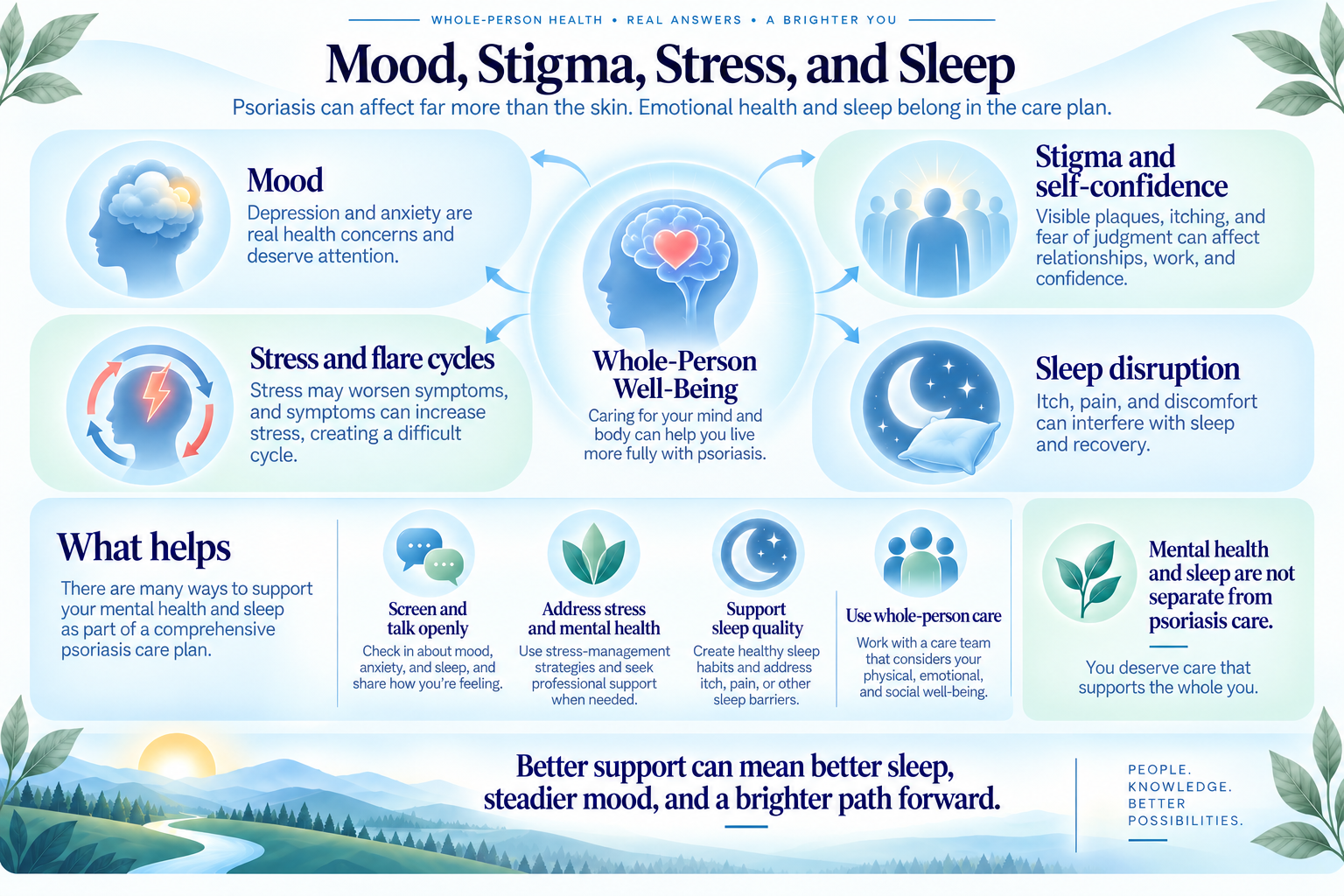
Visible plaques, itch, pain, treatment burden, and fear of judgment can affect confidence, relationships, work, and sleep. Depression and anxiety are real health concerns, not signs that psoriasis is "all in your head." Stress can also become part of a flare cycle.
Seek immediate help for thoughts of self-harm or suicide. In the United States, call or text 988. Elsewhere, use your local emergency or crisis service.
Inflammatory Bowel Disease, Eye Inflammation, Liver, and Kidney Health
Psoriasis is associated with Crohn's disease, uveitis, liver disease, kidney disease, and other conditions. These associations do not support universal testing. They support symptom-aware, risk-based care.
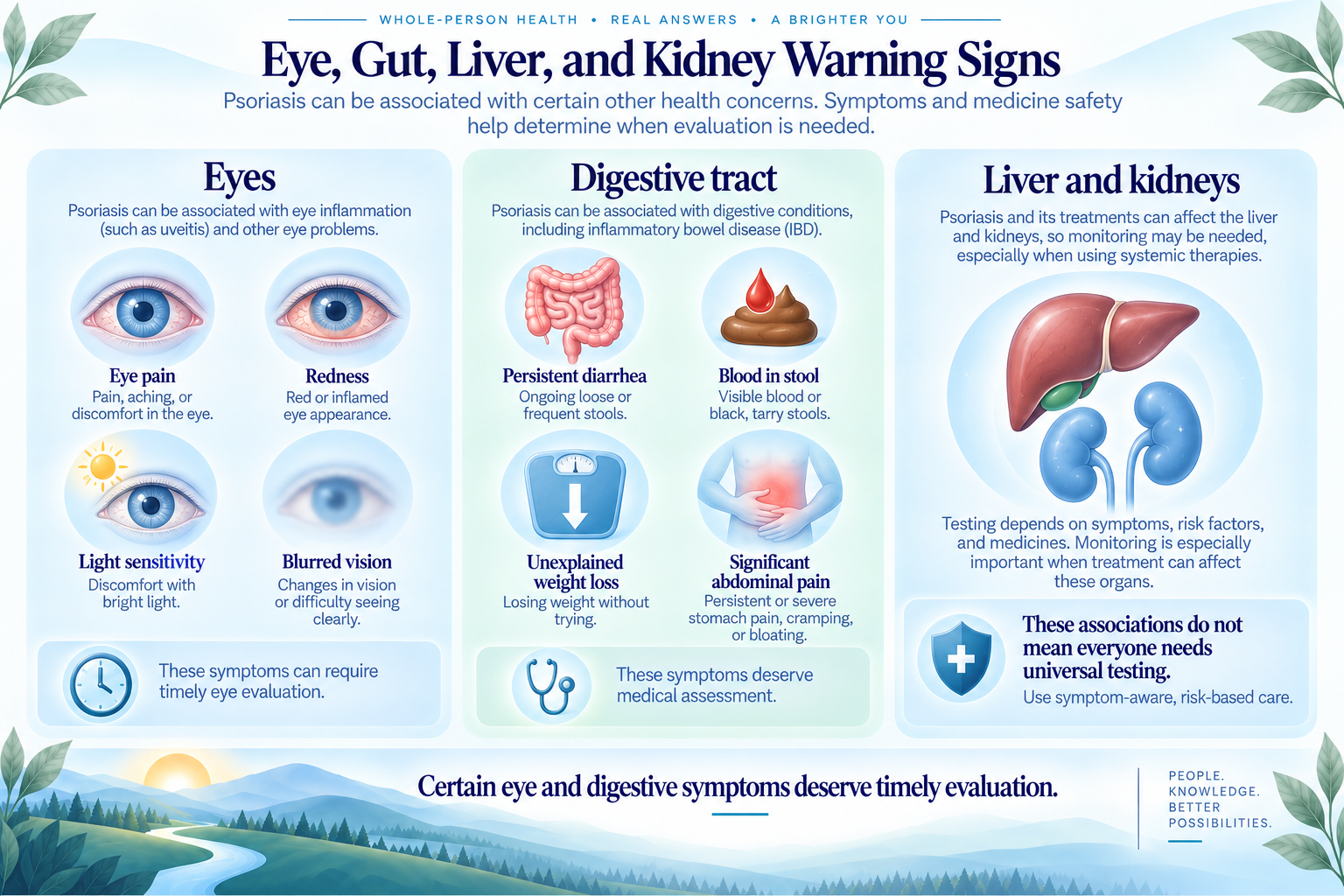
- Eyes: eye pain, redness, light sensitivity, or blurred vision can require urgent eye evaluation.
- Digestive tract: persistent diarrhea, blood in stool, unexplained weight loss, fever, or significant abdominal pain needs medical assessment.
- Liver and kidneys: testing depends on risk, symptoms, and medicines. Monitoring is especially important with treatments that affect these organs.
What Should Be Reviewed Regularly?
A practical review includes skin and nail control, joint symptoms, blood pressure, metabolic risk, tobacco and alcohol, sleep, mood, physical activity, vaccinations, reproductive plans, medicine safety, and recommended laboratory monitoring.
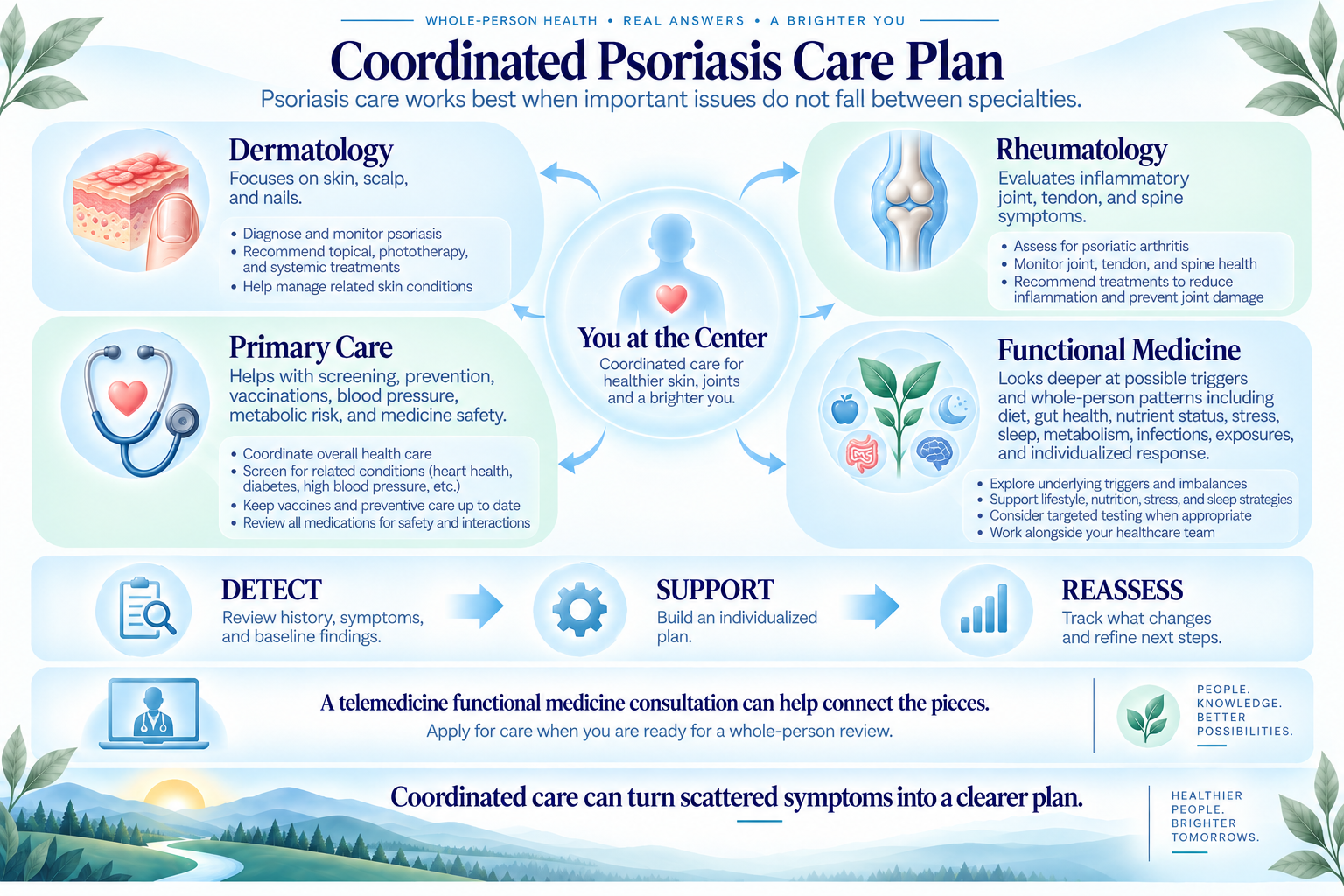
Use the psoriasis doctor guide to understand provider roles and the treatment options guide to prepare for shared decisions.
A Functional Medicine Framework for Whole-Person Psoriasis Health
Functional medicine offers a foundational new opportunity to connect findings that are often handled separately. Dr. Shook's Environmentally Induced Autoimmunity model focuses on understanding what may be driving the immune process, not just the outward symptoms. It investigates the relationships among environment, diet, gut health, metabolism, nutrient status, stress, sleep, infections, exposures, medications, and individualized response.
The goal is to understand your individual patterns and create a plan around what your history, symptoms, and testing reveal.
DETECT
Establish a baseline and identify possible triggers using your history, timeline, symptoms, health records, and lab tests.
SUPPORT
Optimize diet, lifestyle, and supplementation based on your triggers and individual needs.
REASSESS
Track your symptoms, how your skin is changing, any side effects, and your ability to follow through with the recommended changes. Then continue, adjust, or stop parts of the plan based on how you are doing.
Frequently Asked Questions
Does psoriasis cause heart disease?
Psoriasis is associated with higher cardiovascular risk, especially in some people with more severe disease, but association does not prove one direct cause in every person. Screen and address individual risk factors.
How often should someone with psoriasis be screened for psoriatic arthritis?
Joint symptoms should be reviewed regularly and whenever new stiffness, swelling, heel pain, dactylitis, back symptoms, or functional change appears.
Can psoriasis affect mental health?
Yes. Symptoms, stigma, sleep loss, and treatment burden can contribute to depression and anxiety. Mental health screening and treatment are legitimate parts of psoriasis care.
Is weight the cause of psoriasis?
No. Psoriasis is multifactorial. Obesity can be associated with severity and other health risks, but care should avoid blame and focus on sustainable metabolic support.
Can psoriasis affect the eyes?
Psoriasis and psoriatic arthritis are associated with uveitis. Eye pain, redness, light sensitivity, or blurred vision needs prompt eye evaluation.
Should everyone with psoriasis get extensive laboratory testing?
Testing should be individualized around your history, symptoms, medications, nutrition, metabolic health, and possible triggers. The goal is to establish a useful baseline and identify patterns that help shape your plan.
Which doctors help manage psoriasis health risks?
Functional medicine can investigate possible triggers, drivers, physiology, and whole-person patterns. Dermatology focuses on skin and nails, rheumatology evaluates inflammatory joints, and primary care coordinates prevention and screening.
What does DETECT → SUPPORT → REASSESS mean for whole-person health?
DETECT means establishing a baseline and identifying possible triggers. SUPPORT means optimizing diet, lifestyle, and supplementation for your needs. REASSESS means tracking how your skin and overall health change so the plan can continue, adjust, or stop based on how you are doing.
Ready for a More Individualized Psoriasis Evaluation?
Dr. Shook's process looks beyond the visible skin to investigate the triggers, drivers, and whole-person patterns that may influence psoriasis. We DETECT your starting point, SUPPORT an individualized diet, lifestyle, and supplementation plan, and REASSESS how your skin and overall health are changing.
References and Clinical Resources
- NIAMS. Psoriasis symptoms, causes, and risk factors.
- NIAMS. Psoriatic arthritis symptoms and risk factors.
- American Academy of Dermatology. Psoriasis: Diagnosis and treatment.