Why I Take Food Seriously in Autoimmune Disease
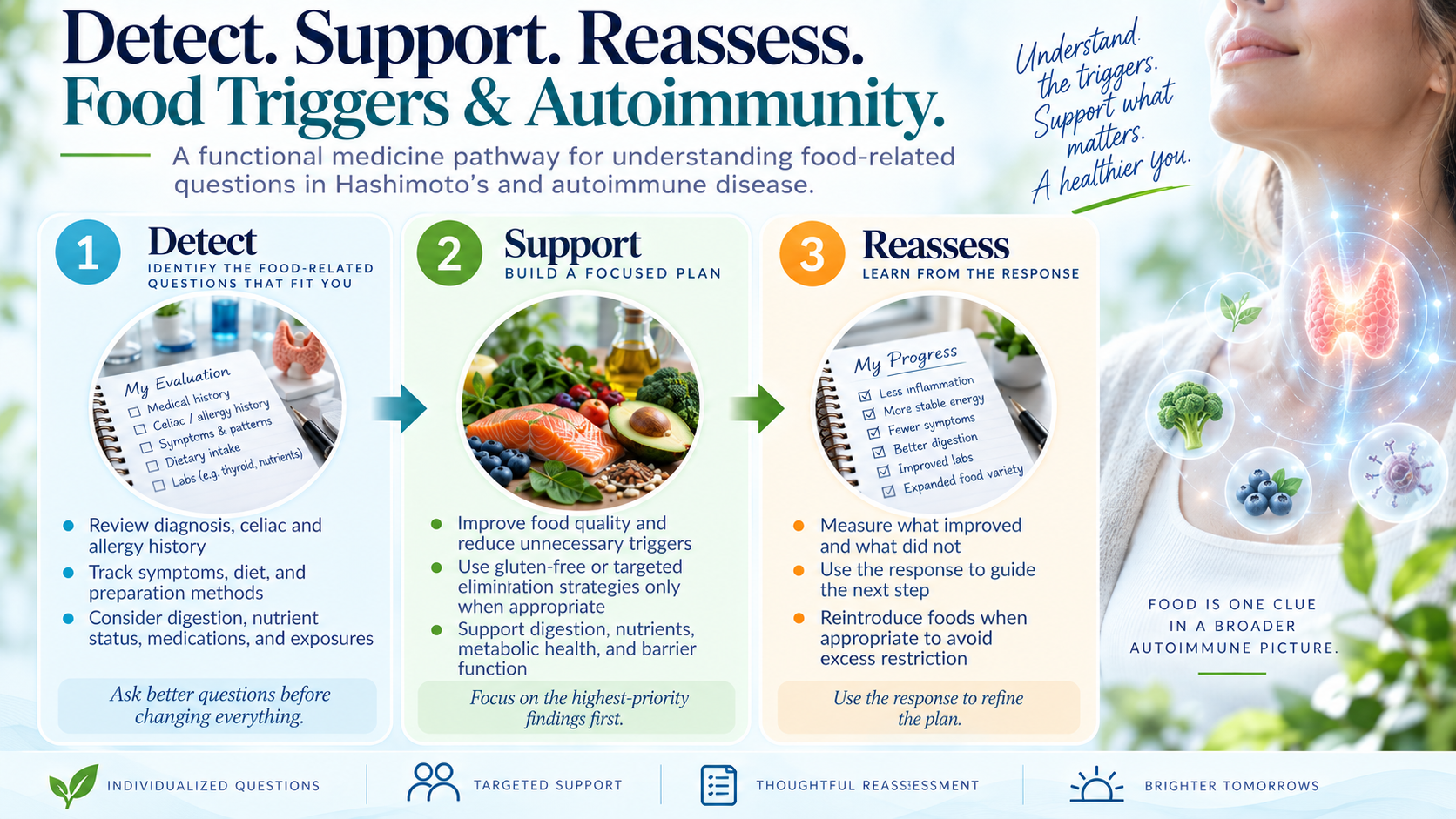
When I evaluate Hashimoto's or another autoimmune disease, food is one of the first environmental exposures I want to understand because you are exposed to it every day and it can influence the immune system through several different pathways.
I do not mean that one food is the root cause of every autoimmune disease. I mean that nutrition gives us several different ways to investigate and influence the immune response.
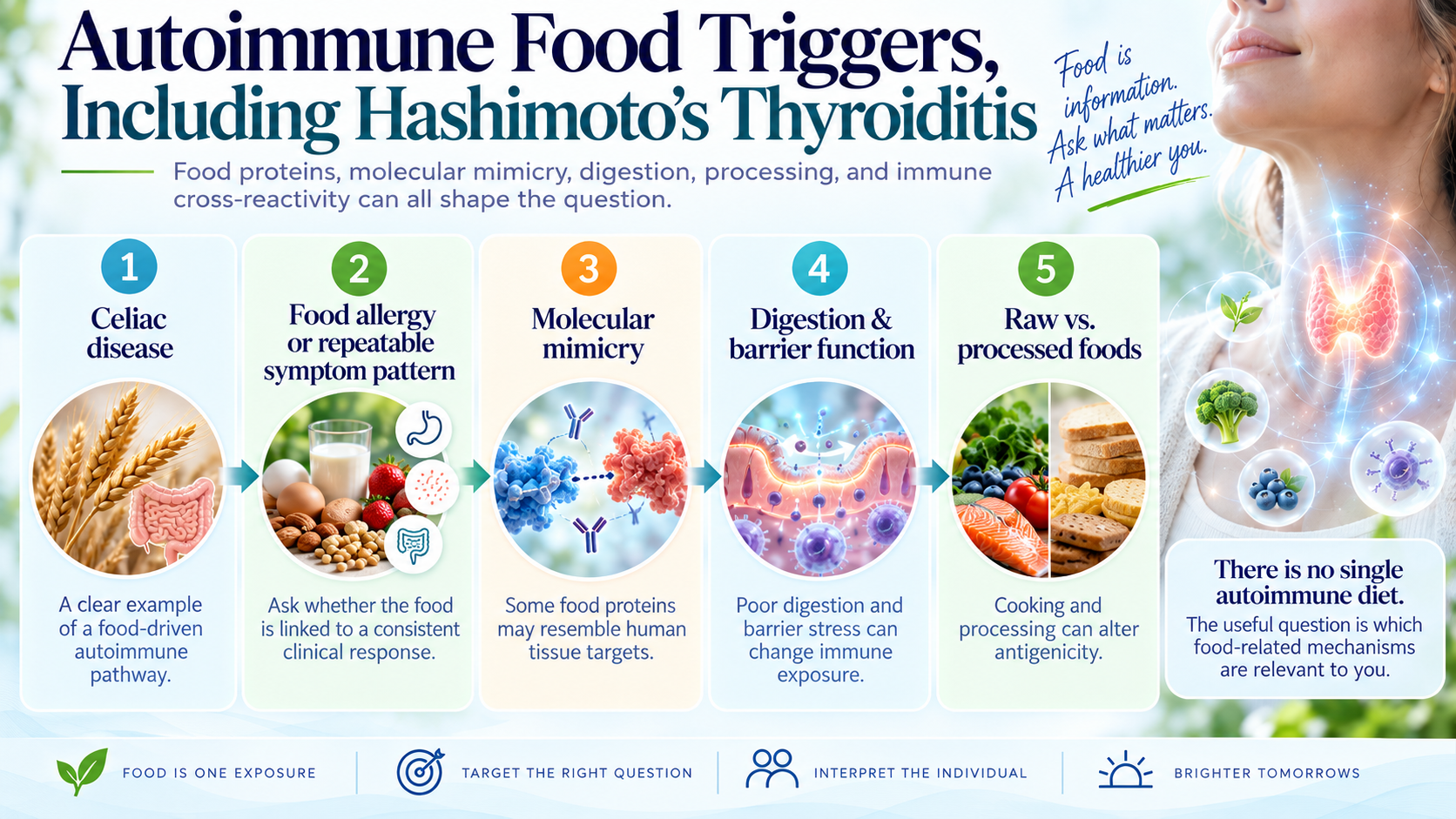
For example, are we dealing with a recognized food-triggered autoimmune disease such as celiac disease, where gluten is known to drive the process? Is there a true food allergy, such as an IgE-mediated allergy? Does a food cause a repeatable symptom pattern every time it is eaten?
Is digestion impaired enough that larger fragments of food proteins, called peptides, are interacting with the immune system in a way they normally would not? The intestinal lining is supposed to act like a selective barrier. When that barrier becomes more permeable, sometimes called increased intestinal permeability or "leaky gut," larger food fragments and microbial products may have greater access to the immune system.
Has the person lost oral tolerance? Oral tolerance is the immune system's normal ability to encounter food without treating that food as a threat. If tolerance to a particular dietary protein is lost, the immune system may begin making antibodies or mounting other immune responses against that protein.
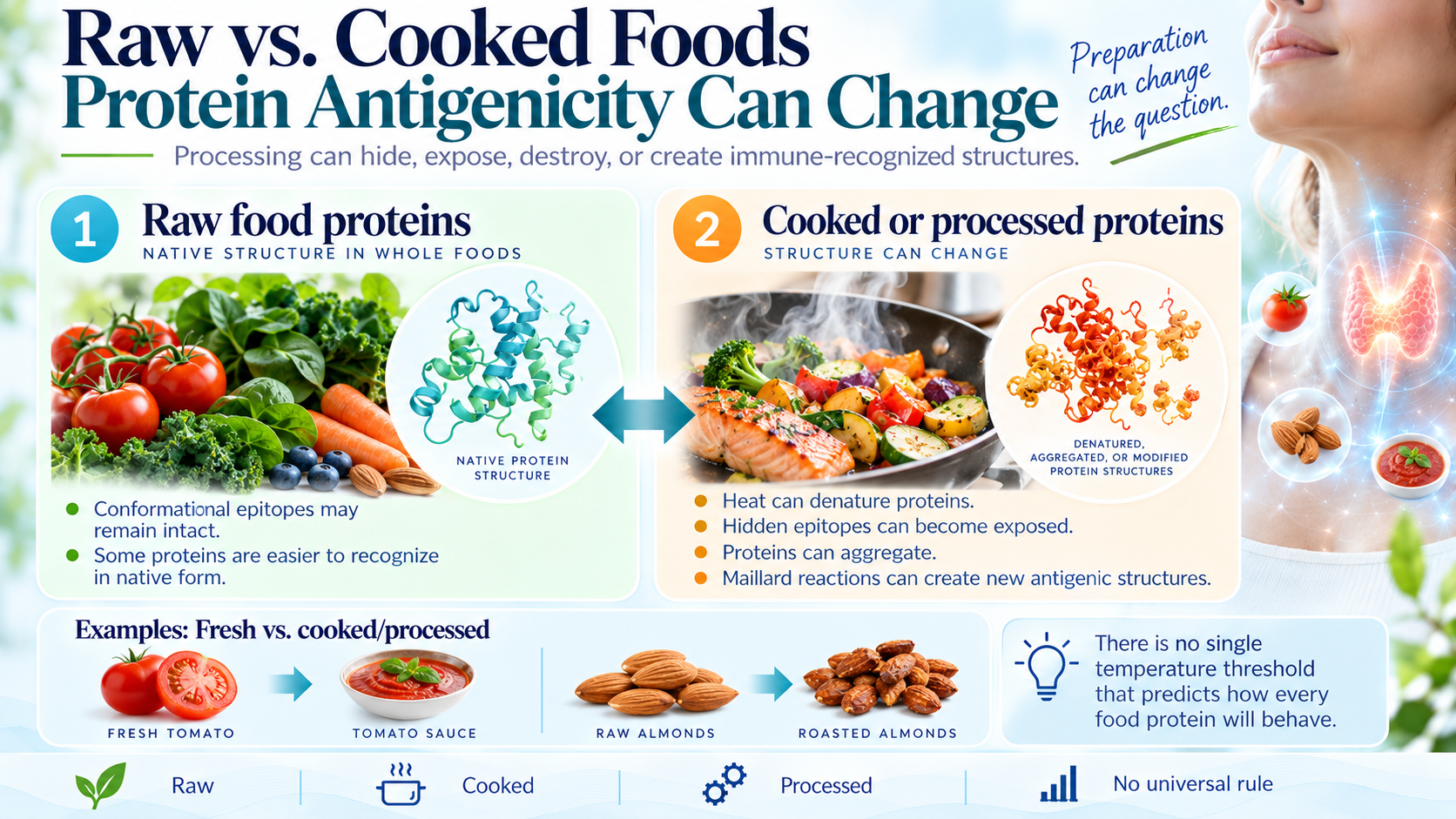
Does the preparation of the food matter? A raw tomato and a cooked tomato sauce contain many of the same ingredients, but heat changes the three-dimensional shape of proteins. From the immune system's point of view, the cooked form can sometimes present a different target than the raw form. The same principle can apply to roasting, baking, fermenting, or heavily processing a food.
And finally, could an antibody made against a food protein also attach to a human protein because the two proteins share a similar structure? If that happens, an immune response that began against the food may also recognize one of your own tissues. That is called molecular mimicry.
This is one of the reasons I do not think of food simply as protein, carbohydrate, and fat. Food is biological information. Nutrients and food-derived compounds influence metabolism, immune signaling, the microbiome, and gene expression. In a susceptible person, a food protein can also become an antigen, which simply means a target the immune system recognizes and reacts to.
The practical question is not, "What is the autoimmune diet?" The better question is, "Which foods, if any, are creating an immune problem for this person, and what happens when we remove that source of immune stimulation?"
What Is Molecular Mimicry?
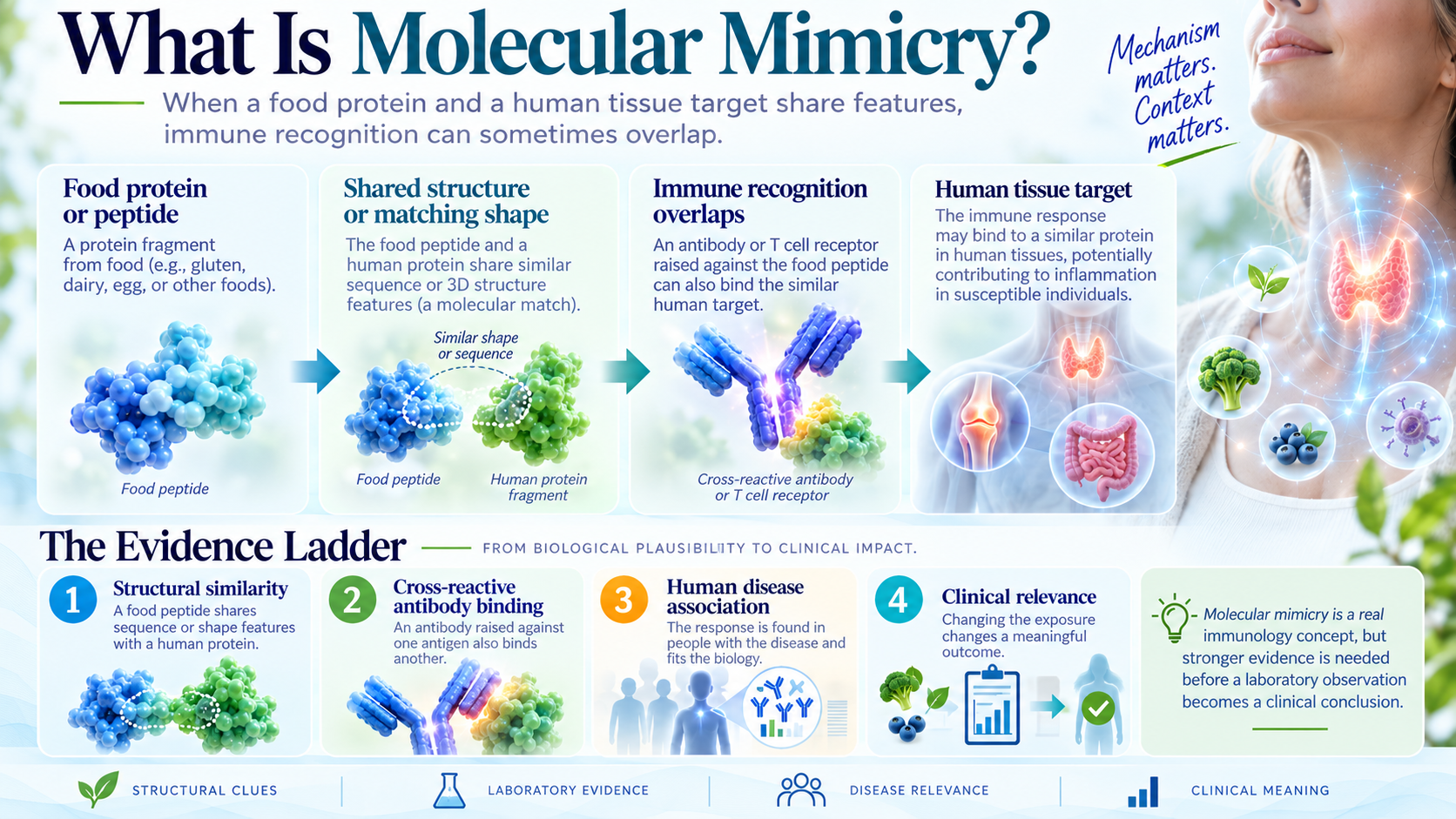
Your immune system recognizes shapes and patterns on proteins.
Sometimes a protein from a food, infection, or another environmental exposure can look similar enough to a protein in your own body that the immune system recognizes both.
Imagine two keys that look almost identical. An antibody created to recognize one protein may also fit a similar-looking protein in your own tissue.
That is molecular mimicry.
This matters in autoimmune disease because an immune reaction that begins against something outside the body may also interact with one of your own tissues.
Food is one possible source of these proteins. Microbes and other environmental exposures can participate in molecular mimicry too.
For someone with Hashimoto's, the practical question becomes: Could an immune response to something you are eating also be interacting with your thyroid?
Researchers have investigated this question from both directions: food antibodies that can bind human tissue targets, including thyroid-related proteins, and thyroid-directed antibodies that can also recognize certain food proteins.
That gives us another potential trigger or driver to investigate when the history, symptoms, immune findings, and dietary pattern point in that direction.
Can Food Proteins Cross-React With Thyroid Proteins?
Yes, researchers have found examples of immune cross-reactivity involving foods and thyroid-related targets.
Your thyroid contains many different proteins and enzymes. Two of the best known autoimmune targets in Hashimoto's are thyroid peroxidase, or TPO, and thyroglobulin. TPO helps make thyroid hormone. Thyroglobulin is a large protein the thyroid uses to produce and store thyroid hormone.
The easiest way to understand the research is to know that scientists have asked this question in two directions.
Direction 1: Thyroid antibodies → food proteins
Researchers can start with an antibody that recognizes something related to the thyroid and ask: Does this thyroid-directed antibody also bind any food proteins?
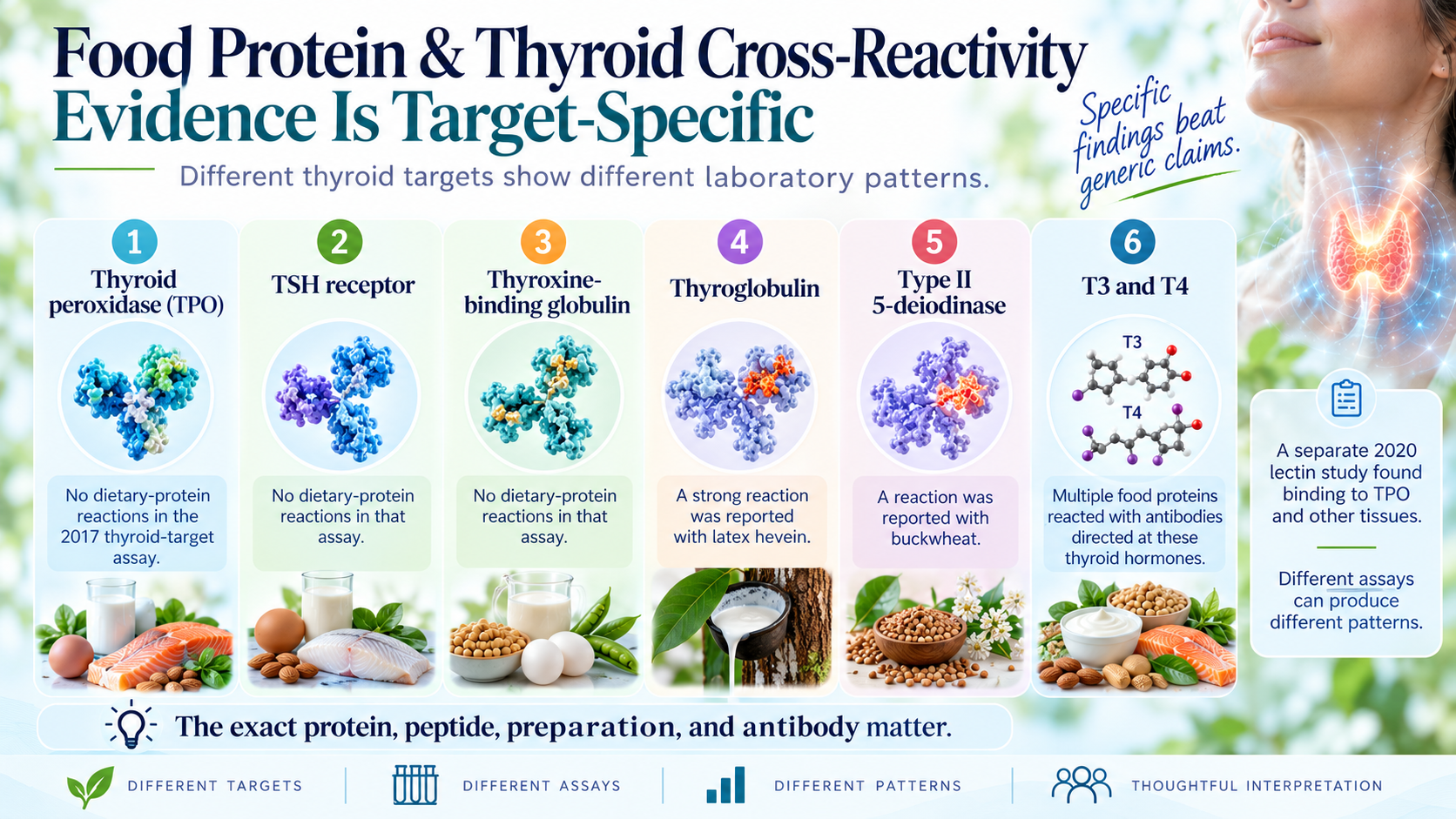
In one 2017 laboratory study, antibodies directed against several thyroid-related targets were tested against 204 dietary proteins, including raw, cooked, roasted, brewed, and processed foods.
| Thyroid target | What the study found | What that means in plain English |
|---|---|---|
| Thyroid peroxidase (TPO) | The anti-TPO antibody used in that experiment did not react with the 204 dietary proteins tested. | That particular anti-TPO antibody did not bind the foods tested in that experiment. |
| TSH receptor | No dietary-protein reactions were found in that assay. | The TSH-receptor antibody used did not bind the tested food proteins. |
| Thyroglobulin | A strong reaction was reported with latex hevein, a protein involved in latex-fruit cross-reactivity. | The thyroglobulin-directed antibody also recognized this environmental protein. |
| Type II 5-deiodinase | A reaction was reported with buckwheat. | The deiodinase-directed antibody also recognized a buckwheat protein in that experiment. |
| T3 and T4 | Antibodies directed at the thyroid hormones reacted with a number of tested food proteins. | Antibodies against these thyroid hormones also recognized several food proteins. |
Direction 2: Food antibodies → thyroid tissue
Researchers can also start with an antibody made against a food protein and ask: Can this food-directed antibody also bind something in human tissue?
This direction is especially interesting when we are thinking about food as a possible autoimmune trigger because food is an exposure we may be able to change.
Researchers have shown that antibodies against some plant lectins can bind TPO and other human proteins.
Anti-gliadin antibodies, which recognize part of the gluten protein, have also been shown to bind TPO along with proteins associated with the nervous system, liver, pancreas, adrenal glands, and heart.
Think about what that could mean if you have Hashimoto's. If your immune system is reacting to a food and antibodies generated against that food can also recognize something in your thyroid, could continuing to eat that food be helping keep the autoimmune process active?
That is one of the reasons food deserves serious attention in autoimmune disease. It does not mean everyone with Hashimoto's should follow the same restrictive diet. It means that if a particular food appears to be provoking an immune response that may also interact with thyroid tissue, that is a modifiable exposure. We can change it and then reassess what happens.
Why can one experiment show no TPO-to-food reaction while another shows food antibodies binding TPO? Because the studies started with different antibodies. An antibody against TPO and an antibody against a food protein do not necessarily recognize the same part of a protein. The small part an antibody recognizes is called an epitope.
The thyroid literature also extends beyond food. Research has explored relationships between thyroid autoimmunity and microbial or stress-related proteins, including Helicobacter pylori and heat-shock proteins. Autoimmunity can sit at the intersection of food, microbes, environmental exposures, and self-tissue.
Gluten Gives Us a Clear Example of How Food Can Drive Autoimmunity
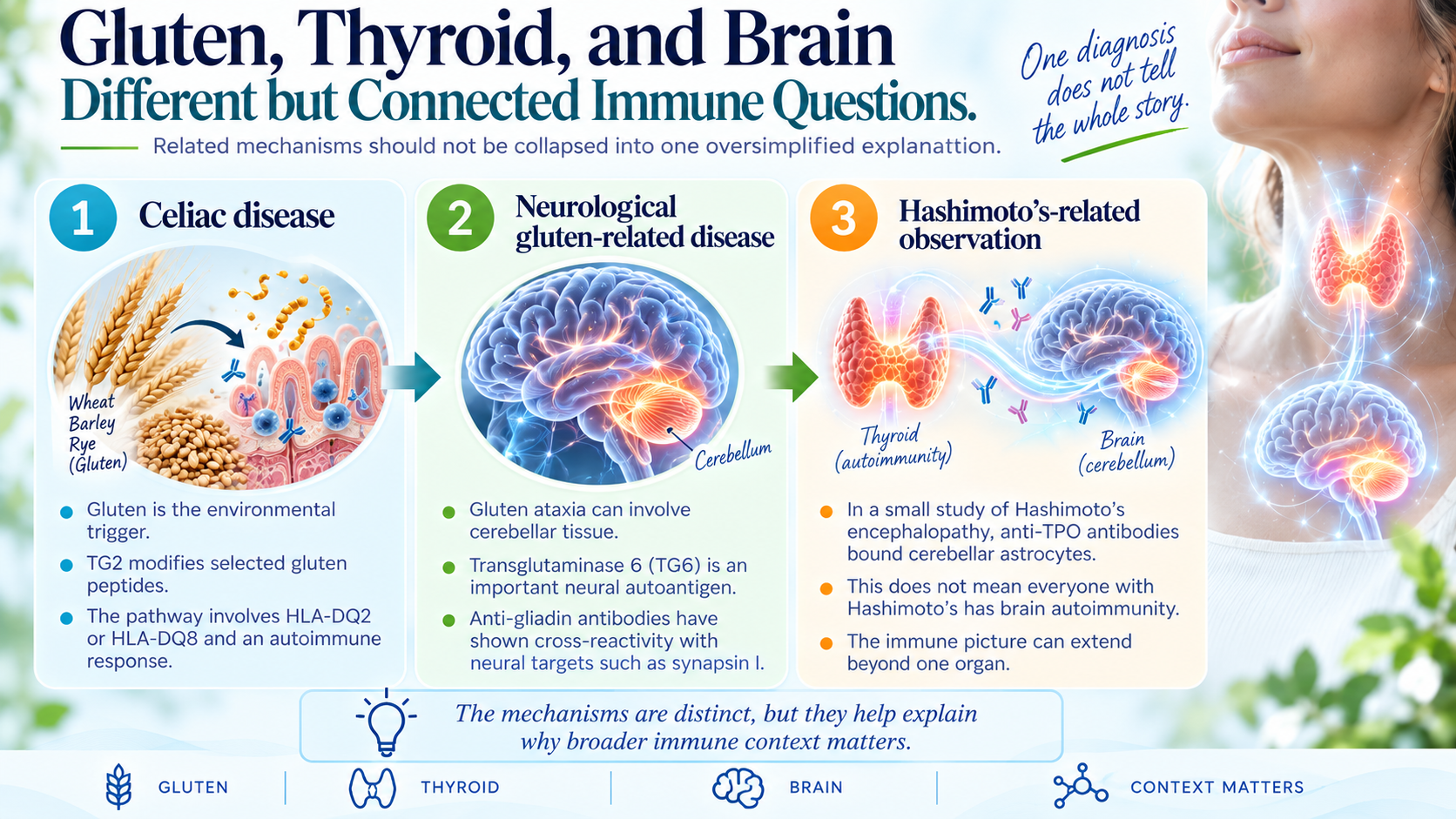
Celiac disease is one of the clearest examples we have of a food protein driving an autoimmune process.
Gluten is broken into smaller protein fragments, or peptides. In genetically susceptible people, an enzyme in the small intestine called tissue transglutaminase 2, or TG2, modifies some of those gluten peptides. The modified peptides are then presented to the immune system in a way that strongly activates the immune response.
The immune system reacts to the gluten peptides, but TG2 itself also becomes an autoimmune target. The result is inflammation and damage to the small intestinal lining, including the villi, the finger-like structures that help absorb nutrients.
That is why celiac disease is so important to this discussion. It proves that a protein in food can be the environmental trigger for an autoimmune disease when the right genetic susceptibility and immune response are present.
Gluten-related autoimmunity can also involve the nervous system. In gluten ataxia, which is a neurological condition associated with gluten immune reactivity, researchers have identified antibodies that can recognize cells in the cerebellum. The cerebellum is the part of the brain that helps coordinate balance, movement, and timing. Another enzyme, transglutaminase 6, or TG6, has been identified as an important neurological autoimmune target in gluten ataxia.
Researchers have also shown that anti-gliadin antibodies can bind a neuronal protein called synapsin, which is involved in communication between nerve cells.
There is a separate thyroid-to-brain observation that deserves careful attention. In a small study of people with Hashimoto's encephalopathy, anti-TPO antibodies bound to astrocytes in the cerebellum. Astrocytes are support cells in the brain. This does not mean that everyone with TPO antibodies has brain autoimmunity, and it does not mean ordinary Hashimoto's brain fog is Hashimoto's encephalopathy. It does show that an antibody associated with thyroid autoimmunity can, under selected circumstances, recognize tissue outside the thyroid.
This is an important connection: the organ named in the diagnosis does not always tell us the full story of the immune response. A person may have Hashimoto's, celiac disease, neurological antibodies, or another autoimmune process at the same time. That is one reason I look beyond the thyroid gland itself when the history points in that direction.
If gluten is part of your question, read my complete guide to gluten, Hashimoto's, and celiac disease.
Food-to-Tissue Cross-Reactivity Has Been Studied Outside the Thyroid Too
If molecular mimicry were only a theoretical idea involving thyroid antibodies, it would be easier to dismiss. But researchers have described food-to-human-protein cross-reactivity in several other tissues.
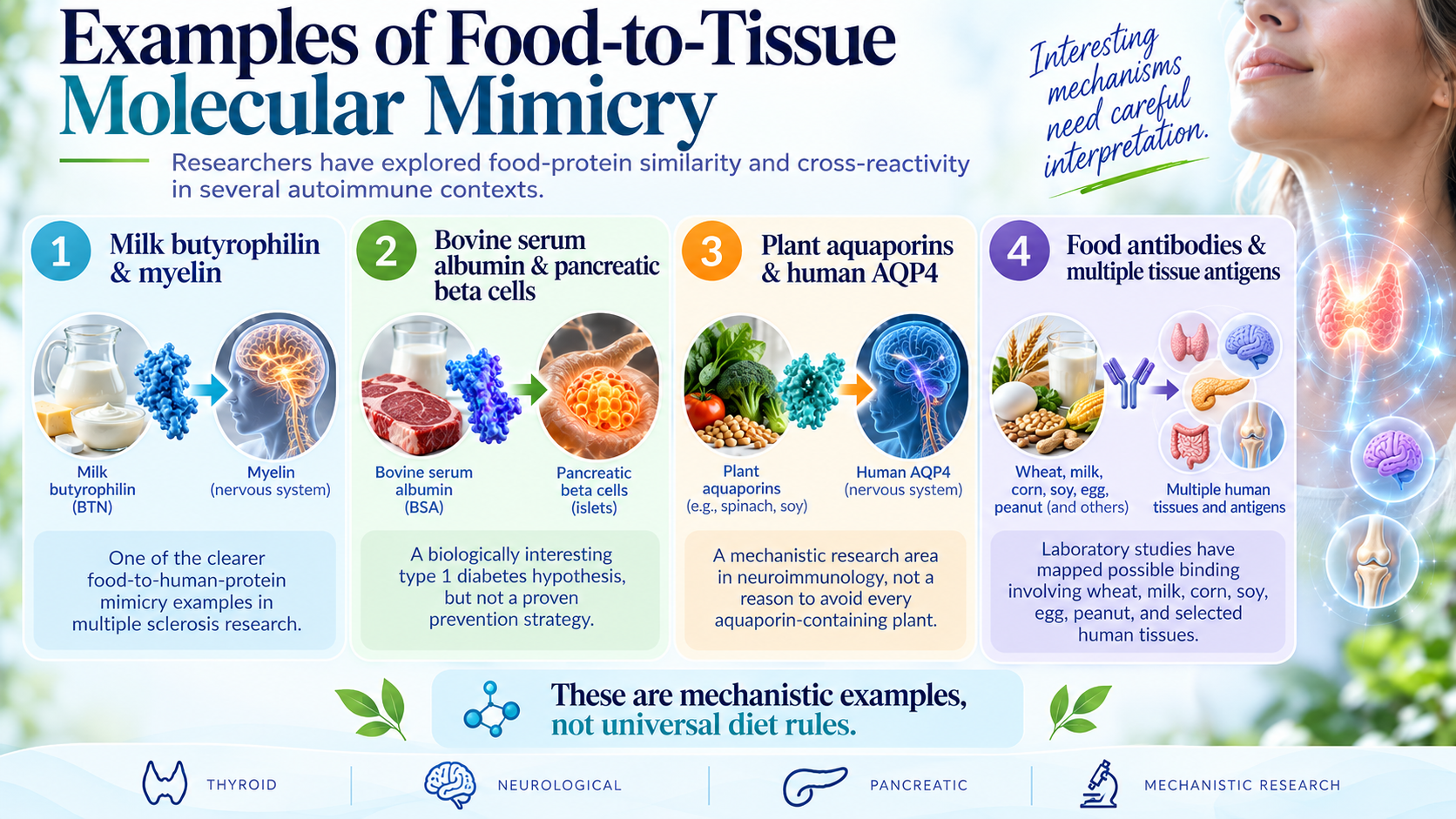
Milk protein and myelin
A cow's-milk protein called butyrophilin shares structural similarities with myelin oligodendrocyte glycoprotein, or MOG, a protein found in the protective myelin coating around nerves. Laboratory research has demonstrated antibody cross-reactivity between the two. This does not mean milk causes multiple sclerosis, but it is a clear example of a dietary protein and a human neurological protein sharing immune-recognized features.
Cow's-milk protein and pancreatic beta cells
An older type 1 diabetes hypothesis focused on a peptide from bovine serum albumin called ABBOS. Antibodies against that milk-derived peptide were reported to recognize a beta-cell protein. Beta cells are the insulin-producing cells of the pancreas. The mechanism was biologically interesting, but later clinical evidence did not show that using hydrolyzed infant formula prevented type 1 diabetes. This is a good example of why a plausible mimicry mechanism and a proven clinical intervention are not the same thing.
Plant aquaporins and human aquaporin-4
Aquaporins are proteins that help move water across cell membranes. Human aquaporin-4 is an important neurological autoimmune target in neuromyelitis optica. Laboratory work has explored similarities and antibody recognition involving plant aquaporins and human aquaporins. Again, this is a mechanistic clue, not a reason to remove every plant that contains aquaporin proteins.
Food antibodies and several human tissues
Laboratory studies have shown that antibodies directed at selected foods can also bind selected human tissue antigens. The tissue targets have included proteins associated with the nervous system, thyroid, liver, pancreas, heart, and other tissues. These findings tell us cross-recognition is possible. They do not tell us that every positive food antibody is clinically damaging.
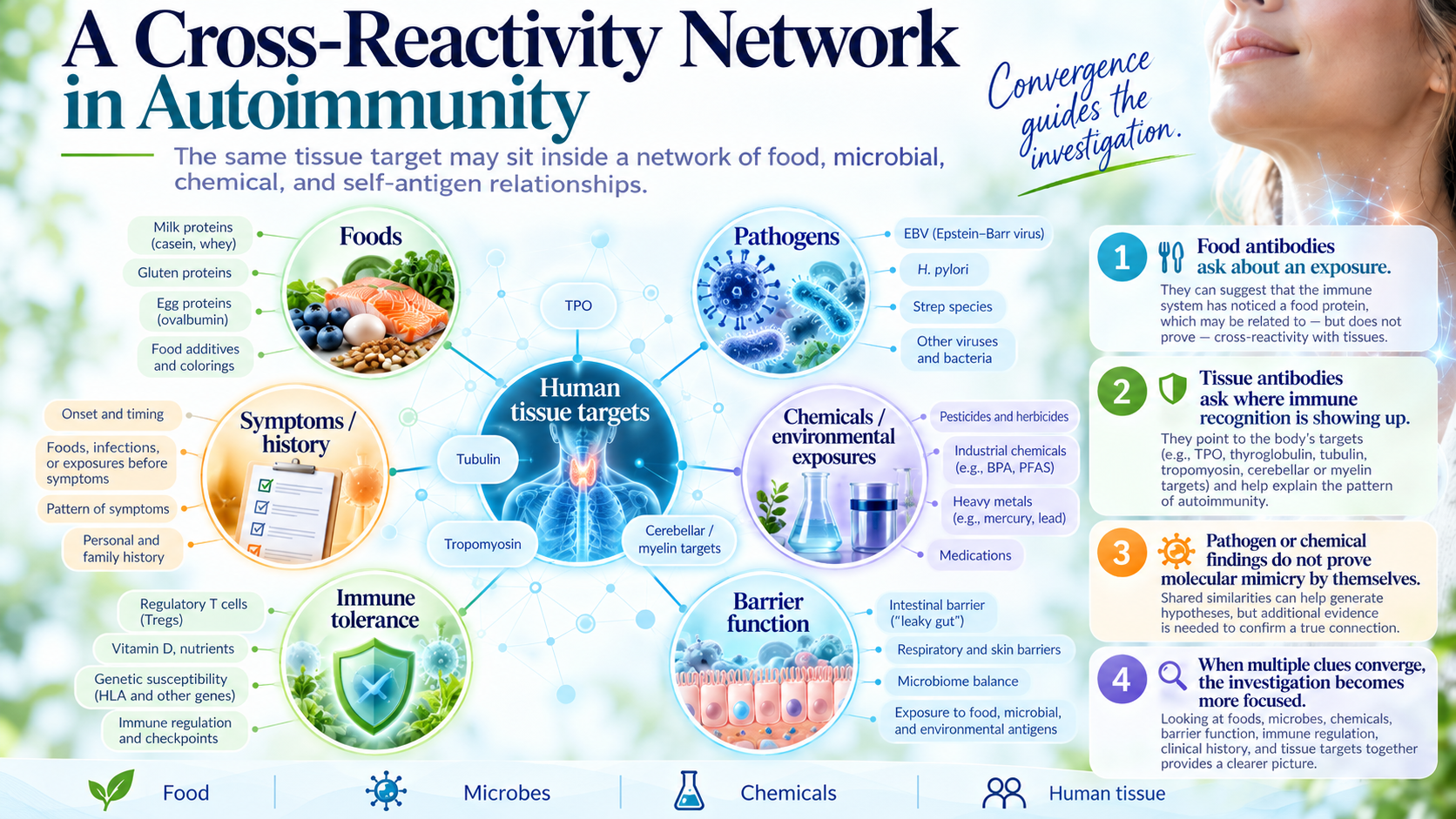
Food Is Only One Possible Trigger in a Much Larger Autoimmune Picture
One of the most useful things we can do is stop looking at food, pathogens, chemicals, and human tissue as completely separate subjects. The immune system sees antigens. Those antigens can come from food, microbes, environmental chemicals bound to our proteins, or our own tissues.
That means the same autoimmune target can sometimes sit in the middle of several different environmental relationships.
| Human target | Connections studied in the literature | Why it matters |
|---|---|---|
| Thyroid peroxidase | Gliadin-related antibody binding, H. pylori, heat-shock proteins, and cross-reactivity with thyroglobulin have all been investigated. | If TPO antibodies are present, the antibody tells us the immune system recognizes TPO. It does not tell us which exposure, if any, helped create or sustain that loss of tolerance. |
| Thyroglobulin | Relationships with TPO, heat-shock proteins, and latex hevein have been described. | A thyroid target can have immune relationships with another thyroid protein and with proteins outside the thyroid. |
| Tubulin | Streptococcal-related neurological autoimmunity, infectious exposures, autoimmune thyroid disease, and toxicant exposure have all appeared in the tubulin literature. | The same human structural protein can become relevant in more than one autoimmune or environmental setting. |
| Tropomyosin | Cross-reactivity has been studied with streptococcal proteins, other microbial proteins, Giardia, and fish tropomyosin. | This is a useful example of a human protein having potential immune relationships with both microbes and a food protein. |
| Neurological targets | Myelin, gangliosides, cerebellar proteins, tubulin, and synaptic proteins appear in research involving gluten, infections, and other neuroimmune mechanisms. | When neurological symptoms are present, the autoimmune investigation may need to extend beyond the thyroid. |
This is where I think people can get misled by testing. A tissue antibody tells us what the immune system recognizes. A food antibody tells us what food antigen the immune system recognizes. A pathogen antibody tells us that the immune system has recognized a microbe. A chemical antibody can tell us there has been immune recognition involving a chemical-protein complex.
None of those results, by itself, tells us the entire story.
The real value comes when the pieces begin to line up. If the history, symptoms, exposures, barrier function, food reactions, microbial history, and tissue antibodies all point in a similar direction, we have a much more focused question to investigate.
Why You Might React Differently to a Raw Food and a Cooked Food
This surprises a lot of people: your immune system may not see a raw food and the cooked version of that same food as exactly the same thing.
Proteins are long chains of amino acids folded into three-dimensional shapes. Antibodies recognize small portions of those shapes. When you heat a protein, the protein can unfold, refold, clump together, or expose parts that were previously hidden. Those changes can alter the small structures the antibody recognizes.
Those immune-recognized structures are called epitopes. You can think of an epitope as the specific patch on a protein that an antibody grabs onto.
Cooking can destroy an epitope and make a food less reactive. It can expose a hidden epitope and make the cooked form more reactive. Roasting, baking, fermentation, browning, and other processing methods can also create new structures that were not present in the raw food.
There is not one magic temperature at which every food becomes more or less immunogenic. Different proteins respond differently to heat, time, moisture, sugar, fat, and the surrounding food matrix.
This is why I pay attention when someone tells me, "I can eat a fresh tomato, but tomato sauce bothers me," or, "Raw almonds seem fine, but roasted almonds do not." That observation does not prove an autoimmune reaction. But it tells us that asking only, "Do you eat tomatoes?" may be too simplistic. The preparation of the food may matter.
What Does "Gluten Cross-Reactive Food" Actually Mean?
This phrase gets used too loosely, so I want to slow it down.
If someone removes gluten and still feels poorly, there are several possibilities. They may still be getting exposed to gluten. They may have a separate immune reaction to another food. They may have a true allergy. They may have digestive or microbiome problems. Or there may be laboratory evidence that an antibody directed at gluten also recognizes another antigen.
Those are not the same thing.
| What could be happening? | What it actually means |
|---|---|
| True gluten exposure | The person is still being exposed to wheat, barley, rye, or contamination. In celiac disease, this can continue to drive the autoimmune process. |
| Laboratory cross-reactivity | An antibody directed at a gluten-related protein also binds another food or tissue antigen in a laboratory experiment. That shows immune recognition, but it does not prove the second food causes celiac-type intestinal damage. |
| A separate food immune reaction | The immune system recognizes another food on its own. That food does not have to "act like gluten" for it to matter. |
| A new dietary exposure | After going gluten-free, people often eat much more rice, corn, oats, dairy, nuts, seeds, or gluten-free processed foods than they did before. A newly dominant food can become a separate question. |
So if you are completely gluten-free but still symptomatic, I do not automatically conclude that another food is "basically gluten." We need to determine what kind of reaction we are actually dealing with.
Why Testing Can Be Helpful When It Answers the Right Question
I advocate for testing when it is feasible and when the result can change what we do.
The reason is simple: symptoms alone cannot always tell us whether we are dealing with celiac disease, a wheat-specific immune response, a reaction to another food, loss of tolerance to several foods, or immune recognition involving one of the body's own tissues.
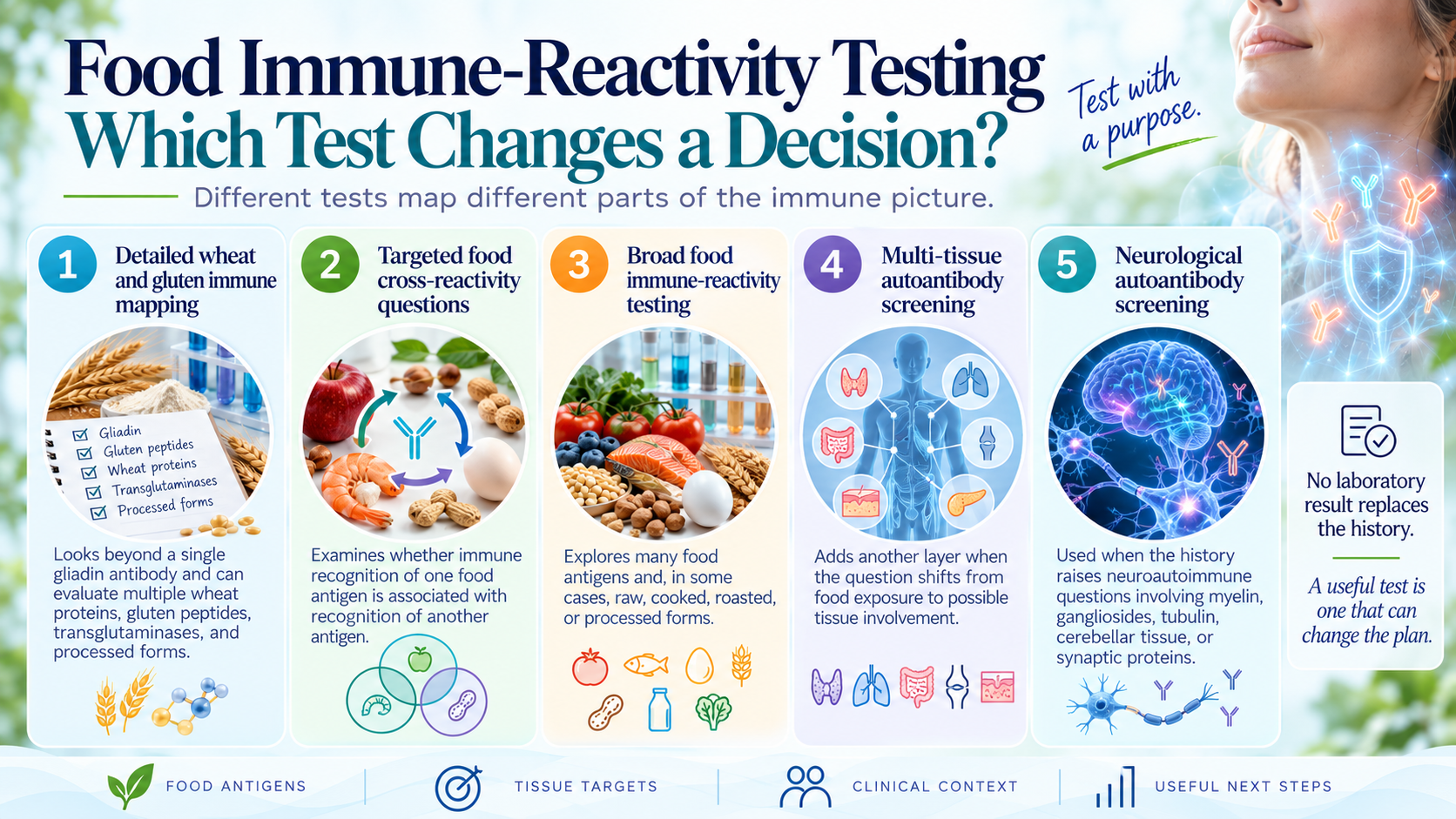
Detailed wheat and gluten testing
Some testing looks beyond a single gluten antibody and examines different wheat proteins, gluten peptides, transglutaminases, and processed forms. This can help separate a simple "gluten yes or no" question from a more detailed wheat-related immune pattern.
Broader food immune-reactivity testing
Some testing evaluates immune recognition against many foods and, in some cases, different raw, cooked, roasted, or processed forms. This can be useful when the history suggests that the preparation of the food matters.
Targeted cross-reactivity questions
Selected laboratory methods can help investigate whether antibodies directed at one antigen also recognize another. I interpret that as a clue that needs context, not as automatic proof of tissue damage.
Sometimes I want to know what tissue the immune system is recognizing
If the question shifts from "Which food is reactive?" to "Is the immune system also recognizing thyroid, neurological, pancreatic, joint, intestinal, or other tissue proteins?" then tissue-autoantibody testing may add another layer of information.
For example, if someone with Hashimoto's also has unexplained balance problems, numbness, coordination changes, or other neurological symptoms, it may be reasonable to ask whether the immune process appears to extend beyond the thyroid. That does not replace a neurological or medical evaluation. It helps us decide which immune questions may be worth investigating alongside that care.
No laboratory result replaces the history. A positive food antibody tells me that the immune system recognizes the tested food antigen. A positive tissue antibody tells me that the immune system recognizes the tested self-tissue antigen. Neither result automatically tells me what caused the reaction, whether the finding is clinically important, or what should be removed from the diet.
I still want to know what you eat, how the food is prepared, whether symptoms are reproducible, whether celiac disease or a true allergy needs to be ruled in or out, whether digestion and intestinal barrier function are compromised, whether the finding fits the known autoimmune disease, and what we would actually change based on the result.
If you want a deeper explanation of how I think about testing, read What Is Functional Medicine Testing?
What Does This Mean If You Have Hashimoto's?
The most useful question is whether a particular exposure may be contributing to your autoimmune process and whether changing that exposure makes a meaningful difference.
We already know that food can drive autoimmunity in certain situations. Celiac disease is the clearest example: gluten is the environmental trigger in a genetically susceptible person.
We also have research showing that antibodies against certain foods can cross-react with human tissues, including thyroid-related targets. And in clinical practice, changing the diet can make a meaningful difference for some people with autoimmune disease.
So when I suspect a food may be contributing to immune activation, I want to investigate it.
- Does the person consistently react to the food?
- Is there evidence of immune reactivity?
- Does the food fit with the rest of the autoimmune picture?
- What happens when we remove it?
- Do symptoms improve?
- Do relevant laboratory markers change when we follow them?
- Does the overall autoimmune picture improve?
The response teaches us something.
This is also an area where research is difficult. Large dietary studies are expensive, food exposures are hard to control, and people differ in genetics, microbiomes, medications, infections, sleep, stress, nutrient status, and many other variables.
Unlike a drug or device, removing a common food is not a proprietary intervention, so there can also be less commercial incentive to fund very large trials of dietary removal strategies.
That does not mean we ignore the science we already have or wait indefinitely for a perfect universal answer. It means we use the research to ask focused questions in the individual.
If a suspected food exposure makes biological and clinical sense, we can change that exposure and reassess.
If the person improves, that gives us useful information. If nothing changes, that gives us useful information too.
The goal is not to create the most restrictive diet possible. The goal is to identify the triggers and drivers that may be keeping the autoimmune process active, change the ones we can, and learn from how the body responds.
How Food Fits Into Environmentally Induced Autoimmunity
My broader model is Environmentally Induced Autoimmunity.
The idea is straightforward. Your genes can create susceptibility, but your genes are not acting in a vacuum. Your immune system is interacting with your environment every day. That environment includes food, infections, chemicals, medications when relevant, sleep, stress, blood-sugar patterns, nutrient status, the microbiome, and the integrity of the barriers that separate the outside world from the inside of your body.
Food can influence that process in many different ways. It can be a known autoimmune trigger, as gluten is in celiac disease. It can create a true allergy. A person can lose immune tolerance to a food protein. Food proteins can participate in molecular mimicry. The quality of the diet can change blood sugar, nutrient status, gut bacteria, and inflammatory signaling. Poor digestion or a compromised intestinal barrier can also change how the immune system encounters food proteins.
This is why I keep coming back to the same point: a diagnosis tells us what autoimmune disease has been identified. It does not automatically tell us what triggered the process, what may still be driving it, or which factors we may be able to change.
Figure out what deserves attention
I look at the diagnosis, symptoms, diet, food preparation, digestion, intestinal barrier function, celiac and allergy history, records, labs, nutrient status, medications, infections, chemical exposures, sleep, stress, and other patterns that may help explain why the immune system is staying activated.
Change the highest-priority factors
If a food appears to be a meaningful immune trigger, we can remove it. If digestion, nutrient status, blood sugar, sleep, or another physiological problem is contributing, we address that too. The plan should reflect the findings, not a generic autoimmune protocol.
Learn from how your body responds
Then we look at what changed and what did not. When appropriate, foods can be reintroduced so the diet does not stay more restrictive than necessary. Your response gives us additional information about what is actually driving the process.
Want to see how I put these pieces together? Read The Hashimoto's Doctor Method for the broader process I use to investigate triggers, drivers, physiology, and response over time. You can also start with my Hashimoto's Functional Medicine guide for the complete Hashimoto's overview.
You may also want to read my Hashimoto's diet guide, my article on nightshades and autoimmune symptoms, and my guide to intestinal barrier function and autoimmunity.
Could Food Be One of the Triggers or Drivers in Your Autoimmune Process?
I do not want to hand you a list of foods and tell you to avoid all of them forever. I want to know which foods, if any, your immune system may actually be reacting to and whether those reactions fit the rest of your autoimmune picture.
That means looking at your diagnosis, symptoms, diet, digestion, intestinal barrier function, records, labs, medications, nutrient status, lifestyle, infections, exposures, and the patterns that make your case unique.
If food appears to be contributing, we can build a focused plan around it. If food is not the major issue, we keep looking. The goal is to reduce unnecessary immune activation where we can and learn from how your autoimmunity responds.
I review applications personally. If your application is accepted, you will receive a private scheduling link.
Frequently Asked Questions About Food Triggers and Autoimmunity
Can foods trigger Hashimoto's or another autoimmune disease?
Yes, food can be relevant to autoimmunity, but not everyone reacts to the same foods. Food may matter because of celiac disease, a true allergy, loss of immune tolerance to a food protein, molecular mimicry, digestion and intestinal barrier problems, food preparation, or other metabolic effects. The goal is to determine which mechanism, if any, is actually relevant to you.
What is molecular mimicry?
Molecular mimicry happens when a protein from a food, infection, or another environmental exposure looks similar enough to a human protein that the immune system may recognize both. In Hashimoto's, that raises an important question: could an immune response to something outside the body also interact with a thyroid-related target?
Can food proteins cross-react with thyroid peroxidase?
Researchers have studied this question in both directions. One experiment started with an anti-TPO antibody and did not find reactions with 204 tested dietary proteins. Other experiments started with antibodies against selected food proteins, including plant lectins and gliadin, and found that some of those food-directed antibodies could bind TPO. The direction of the antibody matters because the two experiments are asking different questions.
What other thyroid targets have shown food-related cross-reactivity in research?
Research has reported selected cross-reactivity involving thyroglobulin, type II 5-deiodinase, and antibodies directed at T3 and T4. Different thyroid targets can show different patterns, which is why it is more useful to ask which immune target is involved than to treat the thyroid as one single target.
Can raw and cooked versions of the same food create different immune reactions?
Yes. Heat changes the three-dimensional shape of proteins and can hide, destroy, expose, or create structures that antibodies recognize. That means a raw food and its cooked or roasted form may not be immunologically identical. There is no single temperature rule that applies to every food.
What does gluten cross-reactivity actually mean?
It means an antibody directed at a gluten-related antigen may also bind another antigen in laboratory testing. That is different from true gluten exposure, celiac disease, food allergy, or a separate food reaction. A reported cross-reaction does not mean every person must avoid that food.
Is celiac disease an example of a food-driven autoimmune disease?
Yes. Gluten is the environmental trigger in celiac disease. Tissue transglutaminase 2 modifies gluten peptides, genetically susceptible people mount an immune response, TG2 becomes an autoimmune target, and the small intestinal lining can be damaged. This is one of the clearest examples of a food protein driving an autoimmune process.
Can gluten-related immune reactions affect the brain?
Yes, in a subset of people. Gluten ataxia is a neurological manifestation associated with gluten immune reactivity. Research has identified antibodies that recognize cerebellar tissue, and transglutaminase 6 is an important neurological autoimmune target. This does not mean everyone with gluten antibodies has neurological autoimmunity.
Can dairy proteins cross-react with human tissues?
Research has shown examples. One cow's-milk protein, butyrophilin, has demonstrated antibody cross-reactivity with a human myelin protein. An older type 1 diabetes hypothesis also involved a cow's-milk peptide and a pancreatic beta-cell protein. These findings show molecular mimicry is biologically possible, but they do not mean dairy causes those diseases in everyone.
Do I need food immune-reactivity testing if I have Hashimoto's?
Not automatically. I use testing when it can answer a specific question and change the plan. Your history, symptoms, celiac status, allergy history, digestion, current diet, nutrient status, medications, and response to a carefully designed food trial can be just as important as a laboratory result.
What kinds of testing can help evaluate food-related immune questions?
Depending on the question, testing may examine detailed wheat and gluten immune responses, broader food immune reactivity, different raw and processed food forms, or selected cross-reactivity patterns. If the concern extends beyond food, tissue-autoantibody testing may help show whether the immune system is also recognizing specific human tissues.
What can tissue-autoantibody testing tell me?
It can show that the immune system is recognizing a tested self-tissue antigen. It does not automatically tell us what triggered that reaction. Food, infections, chemicals, medications, barrier function, genetics, and other factors still have to be evaluated in context.
What can neurological autoantibody testing add?
When neurological symptoms are present, testing may evaluate immune recognition involving targets such as myelin, gangliosides, tubulin, cerebellar tissue, or synaptic proteins. Those findings have to be interpreted alongside medical and neurological evaluation, not in isolation.
Should everyone with Hashimoto's eliminate gluten, dairy, nightshades, grains, and lectins?
No. Celiac disease requires strict gluten avoidance. Beyond that, I do not believe everyone with Hashimoto's needs the same permanent food restrictions. The diet should reflect the person's history, symptoms, immune findings when relevant, nutritional needs, and response to removing and reintroducing foods.
How do you evaluate a suspected food trigger?
I start with the question we are trying to answer. I look at the food, how it is prepared, how often it is eaten, what symptoms follow it, celiac and allergy considerations, digestion, intestinal barrier function, nutrient status, medications, relevant testing, and the rest of the autoimmune picture. If a structured removal makes sense, we reassess what changes and reintroduce foods when it is safe and useful.
If a food test is positive, does that mean the food is causing my autoimmune disease?
No. A positive antibody result means the immune system recognized the tested antigen preparation. It can be an important clue, but it does not prove the food caused the autoimmune disease or that permanent avoidance is necessary. The result has to make sense alongside the history, other findings, and what happens when the exposure is changed.
Research and Further Reading
The studies below include established clinical disease mechanisms, human observational work, antibody cross-reactivity experiments, and laboratory models. I distinguish those levels throughout the article because a laboratory mechanism is not the same thing as proof that one food caused one person's autoimmune disease.
- Immunological Reactivity Using Monoclonal and Polyclonal Antibodies of Autoimmune Thyroid Target Sites with Dietary Proteins. Journal of Thyroid Research. 2017. Cross-reactivity experiments involving 204 dietary proteins and thyroid-axis targets.
- Reaction of Lectin-Specific Antibody with Human Tissue: Possible Contributions to Autoimmunity. Journal of Immunology Research. 2020. Lectin-specific antibody binding to selected human tissue antigens including TPO.
- Reaction of Food-Specific Antibodies with Different Tissue Antigens. International Journal of Food Science & Technology. 2020. Food-specific antibodies tested against multiple human tissue antigens.
- Immune Reactivity to Raw and Processed Foods and Their Possible Contributions to Autoimmunity. Foods. 2025. Review of raw versus processed food antigens, cross-reactivity, and research limitations.
- Detection of IgE, IgG, IgA and IgM Antibodies Against Raw and Processed Food Antigens. Nutrition & Metabolism. 2009. Laboratory comparison of immune reactivity to raw and processed foods.
- Transglutaminase 2 and Transglutaminase 2 Autoantibodies in Celiac Disease: A Review. TG2, gliadin deamidation, and celiac autoimmunity.
- Immune Cross-Reactivity in Celiac Disease: Anti-Gliadin Antibodies Bind to Neuronal Synapsin I. Journal of Immunology. 2007.
- The Humoral Response in the Pathogenesis of Gluten Ataxia. Neurology. 2002. Anti-gliadin antibody cross-reactivity with cerebellar Purkinje cells.
- Autoantibodies in Gluten Ataxia Recognize a Novel Neuronal Transglutaminase. Annals of Neurology. 2008. Identification of transglutaminase 6 in gluten ataxia.
- Anti-Thyroperoxidase Antibodies from Patients with Hashimoto's Encephalopathy Bind to Cerebellar Astrocytes. Journal of Neuroimmunology. 2007.
- Antibody Cross-Reactivity Between Myelin Oligodendrocyte Glycoprotein and the Milk Protein Butyrophilin in Multiple Sclerosis. Journal of Immunology. 2004.
- A Bovine Albumin Peptide as a Possible Trigger of Insulin-Dependent Diabetes Mellitus. New England Journal of Medicine. 1992. Historical ABBOS/p69 molecular-mimicry hypothesis.
- Effect of Hydrolyzed Infant Formula vs Conventional Formula on Risk of Type 1 Diabetes: The TRIGR Randomized Clinical Trial. JAMA. 2018. Hydrolyzed formula did not reduce type 1 diabetes incidence.
- Detection of Antibodies Against Human and Plant Aquaporins in Patients with Multiple Sclerosis. Autoimmune Diseases. 2015.
- The Gut-Joint Axis: Cross-Reactive Food Antibodies in Rheumatoid Arthritis. Gut. 2006.
- Food Processing and Allergenicity. Food and Chemical Toxicology. 2015. Review of how processing can alter protein antigenicity and allergenicity.
- Elevated Blood Hsp60, Its Structural Similarities and Cross-Reactivity with Thyroid Molecules. Cell Stress & Chaperones. 2014.
- Helicobacter pylori Infection and Autoimmune Thyroid Diseases: The Role of Virulent Strains. Reviews epidemiological and molecular-mimicry hypotheses linking selected H. pylori strains with autoimmune thyroid disease.
- Tubulin Is a Neuronal Target of Autoantibodies in Sydenham's Chorea. Journal of Immunology. 2007. Streptococcal-associated neurological autoimmunity involving tubulin-reactive antibodies.
- Molecular Mimicry May Contribute to Pathogenesis of Ulcerative Colitis. FEBS Letters. 2005. Bacterial-protein homology with human tropomyosin as a proposed autoimmune mechanism.