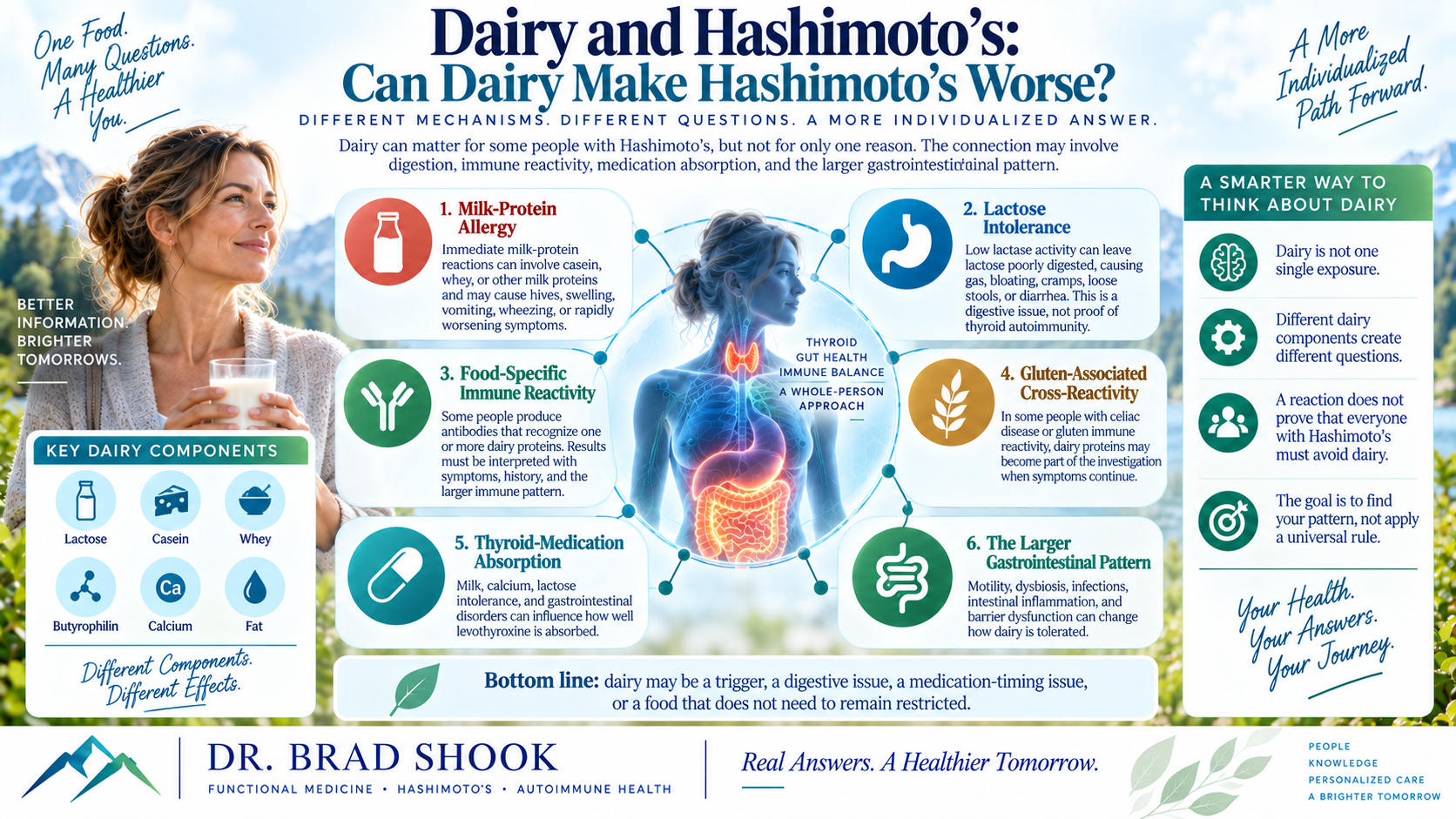
The most important distinction: Lactose is a sugar. Casein, whey, and butyrophilin are proteins. Casomorphins are peptides produced as casein is digested. Removing lactose does not remove the dairy proteins.
Why Dairy May Matter When You Have Hashimoto's
Hashimoto's is an autoimmune process in which the immune system reacts against thyroid tissue. Dairy does not create that process in everyone, but it may become one part of the pattern when the immune system, gastrointestinal tract, diet, and thyroid physiology are considered together.
1. Milk-protein allergy
An immediate allergic response can involve casein, whey, or another milk protein. Hives, swelling, vomiting, wheezing, faintness, or rapidly worsening symptoms require appropriate allergy and emergency care.
2. Lactose intolerance
Low lactase activity can leave lactose poorly digested, causing gas, bloating, cramps, loose stools, or diarrhea. This is a digestive problem rather than proof of thyroid-directed immune activity.
3. Food-specific immune reactivity
A person may produce antibodies that recognize one or more dairy proteins. That finding can help identify exposure and loss of immune tolerance, but it must be interpreted with symptoms, history, other immune findings, and response to change.
4. Gluten-associated cross-reactivity
In a person with celiac disease or gluten immune reactivity, antibodies may also recognize structurally similar food proteins. Dairy is one possible area to investigate when symptoms continue despite careful gluten avoidance.
5. Thyroid-medication absorption
Milk consumed with levothyroxine can reduce absorption. Calcium, medication timing, lactose intolerance, celiac disease, gastritis, and other gastrointestinal problems may also influence dose needs.
6. The larger gastrointestinal pattern
Reduced thyroid activity can affect motility, while infections, dysbiosis, intestinal inflammation, and barrier dysfunction may change digestion and immune exposure. Dairy may be one piece of this larger picture rather than the entire explanation.
Dairy Is Not One Single Exposure
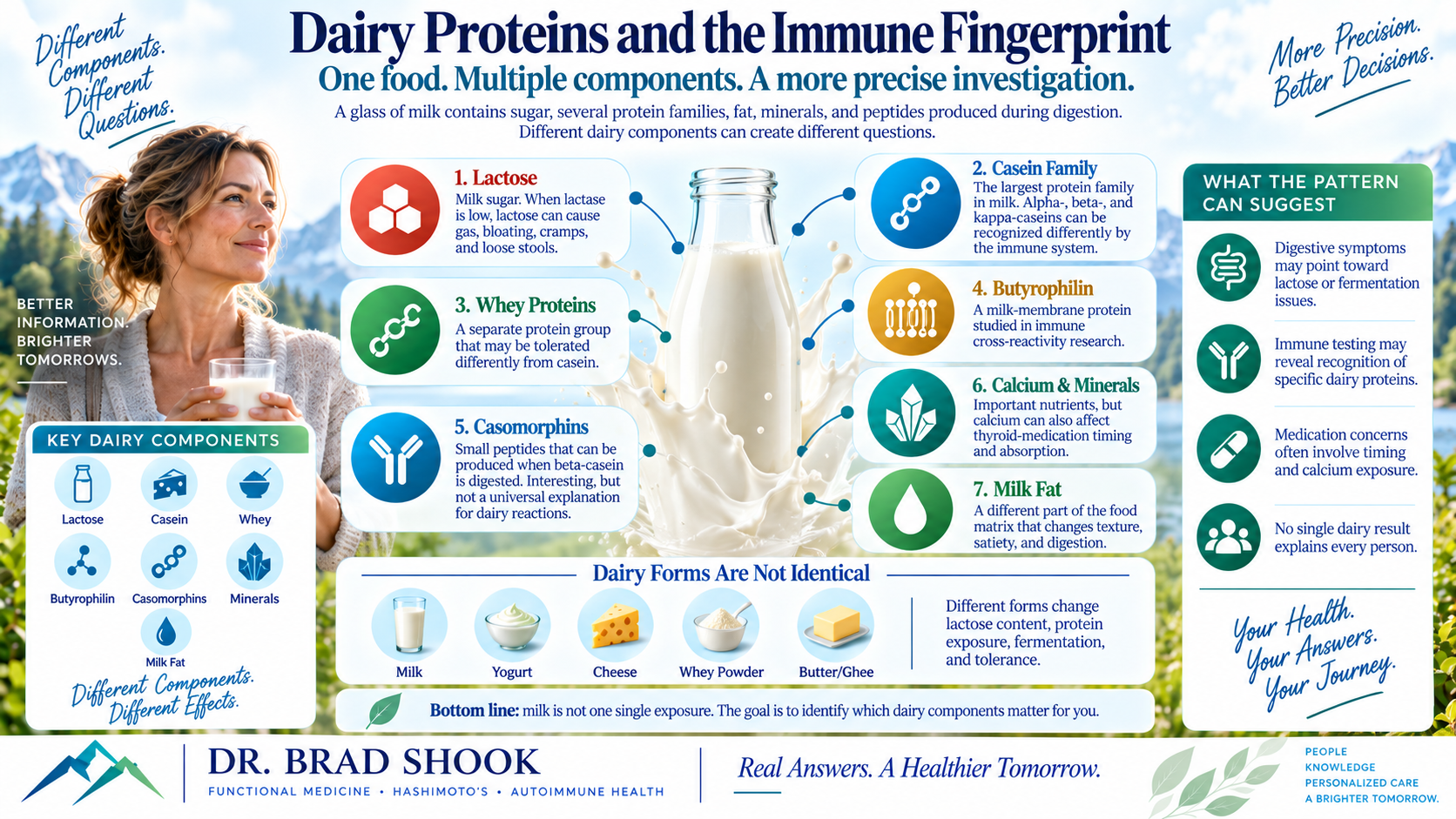
A glass of milk contains sugar, several protein families, fat, minerals, and peptides produced during digestion. A reaction to one component does not automatically mean a reaction to every component, although overlap can occur.
| Component | What it is | Why it may matter |
|---|---|---|
| Lactose | Milk sugar | Requires the lactase enzyme for digestion. Poor digestion can cause gastrointestinal symptoms. |
| Caseins | Alpha-, beta-, and kappa-casein proteins | Major milk proteins that may participate in allergy or other immune recognition. |
| Whey proteins | Proteins including beta-lactoglobulin and alpha-lactalbumin | Separate milk antigens that may be recognized even when the primary concern is not casein. |
| Butyrophilin | A milk-fat-globule membrane protein | Has been investigated for molecular similarity to nervous-system proteins in multiple sclerosis research. That does not prove a Hashimoto's effect. |
| Casomorphins | Peptides released during casein digestion | Can interact with opioid receptors in experimental settings, but their clinical importance in Hashimoto's remains unproven. |
| Calcium | A mineral naturally present in dairy | Can reduce levothyroxine absorption when consumed too close to the medication. |
Casein, Casomorphins and the Immune System
Casein is the largest protein family in cow's milk. It is not a single protein. Alpha-, beta-, and kappa-caseins have different structures, and the immune system can recognize them differently. Whey, butyrophilin, and other milk proteins create additional possible targets.
Casomorphins are small peptides that may be released when beta-casein is broken down during digestion. They are called opioid-active because their structure can interact with opioid receptors under some experimental conditions. That does not make dairy equivalent to an opioid drug, and it does not establish dairy as addictive or prove that casomorphins trigger Hashimoto's.
Recent human research found casomorphin precursor peptides after milk consumption but did not detect the casomorphins themselves in the blood of the eight participants studied. Another laboratory study found that beta-casomorphin-7 did not produce the expected inflammatory response in the immune cells tested. The research remains interesting, but it is not strong enough to use casomorphins as a clinical explanation for every dairy reaction.
What this means for you: A person can experience a reproducible problem with dairy without casomorphins being the explanation. Casein allergy, another dairy-protein response, lactose intolerance, fermentation, portion size, additives, and medication timing may be more relevant.
Can Dairy Proteins Cross-React With the Thyroid?
Cross-reactivity occurs when an antibody created against one target can also bind to a different target with a sufficiently similar structure. This is one proposed way that foods, infections, or environmental exposures might influence autoimmunity in a susceptible person.
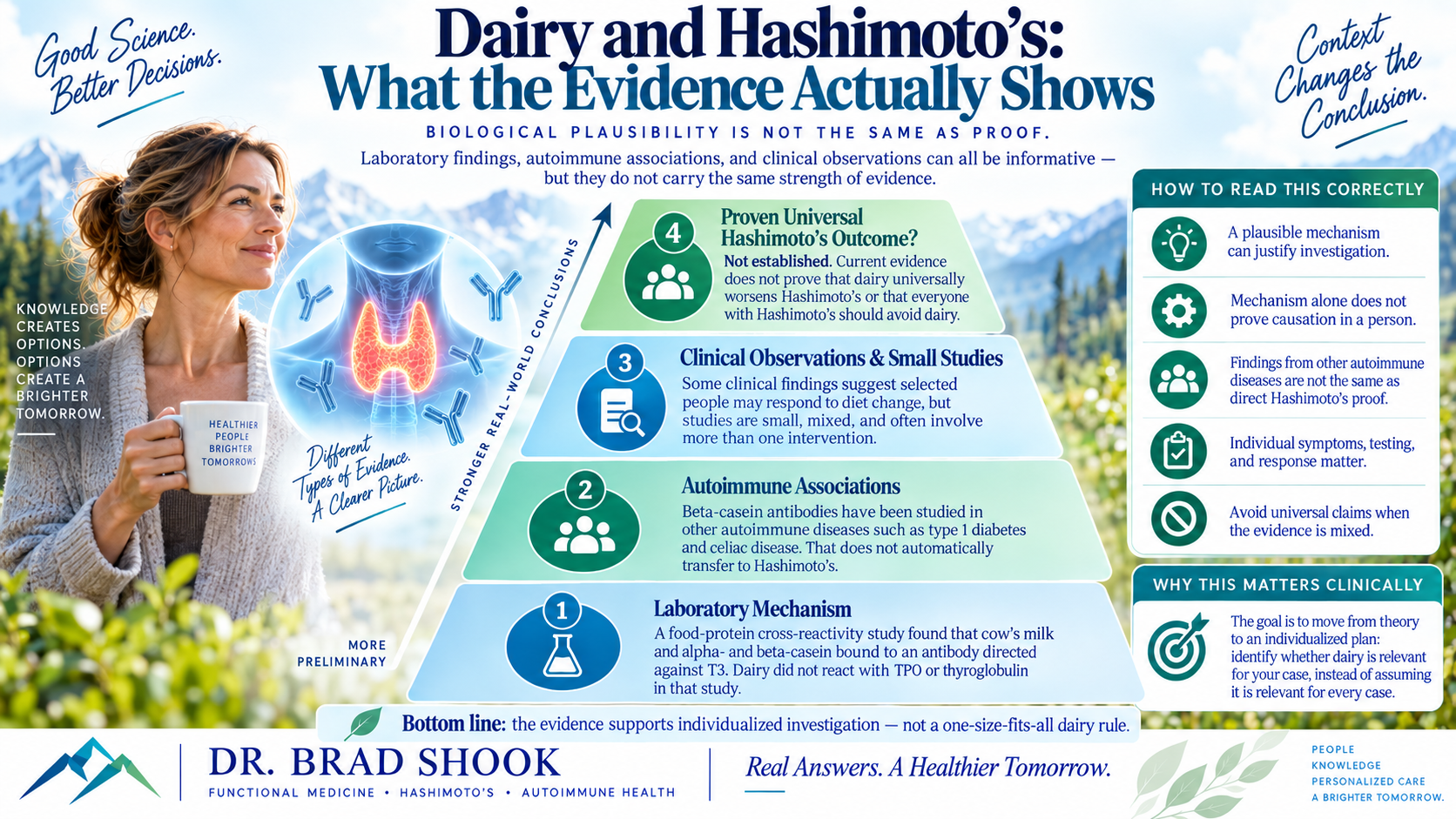
A laboratory study tested antibodies to several parts of the thyroid system against 204 food proteins. Cow's milk and alpha- and beta-casein bound to an antibody directed against T3. However, none of the foods tested reacted with TPO, and dairy did not react with thyroglobulin. This makes a dairy-thyroid interaction biologically plausible in the laboratory, but it does not prove that eating dairy causes thyroid destruction in a person with Hashimoto's.
Another study examined beta-casein antibodies in 519 people. Higher antibody levels were found in type 1 diabetes, celiac disease, and latent autoimmune diabetes, but not in the autoimmune thyroid disease group compared with controls. That finding argues against presenting beta-casein antibodies as a universal feature of Hashimoto's.
A small 2024 study followed 20 people with Hashimoto's and insulin resistance who removed both gluten and casein for three months. It reported a change in an epigenetic marker related to immune regulation. Because both foods were removed together, the participants had insulin resistance, and clinical Hashimoto's outcomes were not the primary endpoint, the study cannot tell us whether dairy alone improved Hashimoto's.
What Dairy Research in Other Autoimmune Diseases Can Tell Us
Milk proteins have been studied in celiac disease, type 1 diabetes, multiple sclerosis, lupus, and experimental autoimmune eye disease. These studies help scientists understand immune tolerance and molecular mimicry, but evidence from one autoimmune disease cannot automatically be transferred to Hashimoto's.
| Research area | What has been investigated | What it means for Hashimoto's |
|---|---|---|
| Celiac disease | Casein and other foods may be recognized in some people who continue to have symptoms despite gluten avoidance. | Persistent symptoms justify a broader gastrointestinal and dietary investigation, not automatic permanent dairy removal. |
| Type 1 diabetes | Beta-casein antibodies and possible similarity between milk proteins and pancreatic targets have been studied. | This supports biological plausibility in susceptible groups but does not demonstrate the same target in Hashimoto's. |
| Multiple sclerosis | Butyrophilin and casein have shown cross-reactivity with nervous-system proteins in laboratory and patient research. | It shows that milk proteins can participate in disease-specific immune recognition. The thyroid targets are different. |
| Lupus and autoimmune eye disease | Casein-related molecular similarities have been explored in laboratory and animal models. | These findings generate hypotheses. They are not evidence that dairy causes Hashimoto's. |
Across adults without severe inflammatory disease, randomized trials have generally found neutral or sometimes favorable effects of dairy on common inflammatory markers. That population-level finding does not rule out an individual allergy or immune response, but it does mean that calling dairy inflammatory for everyone is inaccurate.
The Gluten, Celiac and Dairy Connection
Dairy often enters the Hashimoto's conversation because celiac disease and gluten immune reactivity are more common in autoimmune populations. Some people improve after removing gluten but continue to have digestive, skin, neurologic, joint, or systemic symptoms. Possible explanations include hidden gluten exposure, another food response, intestinal inflammation, dysbiosis, poor motility, nutrient deficiency, or a separate autoimmune process.
In this setting, dairy proteins may be investigated as foods that can be independently reactive or potentially recognized alongside gluten-associated proteins. The key is biological individuality. Cross-reactivity only matters when the person actually produces the relevant antibodies.
Learn more in The Connection Between Gluten, Hashimoto's and Celiac Disease. For the broader food strategy, continue with the Hashimoto's diet guide.
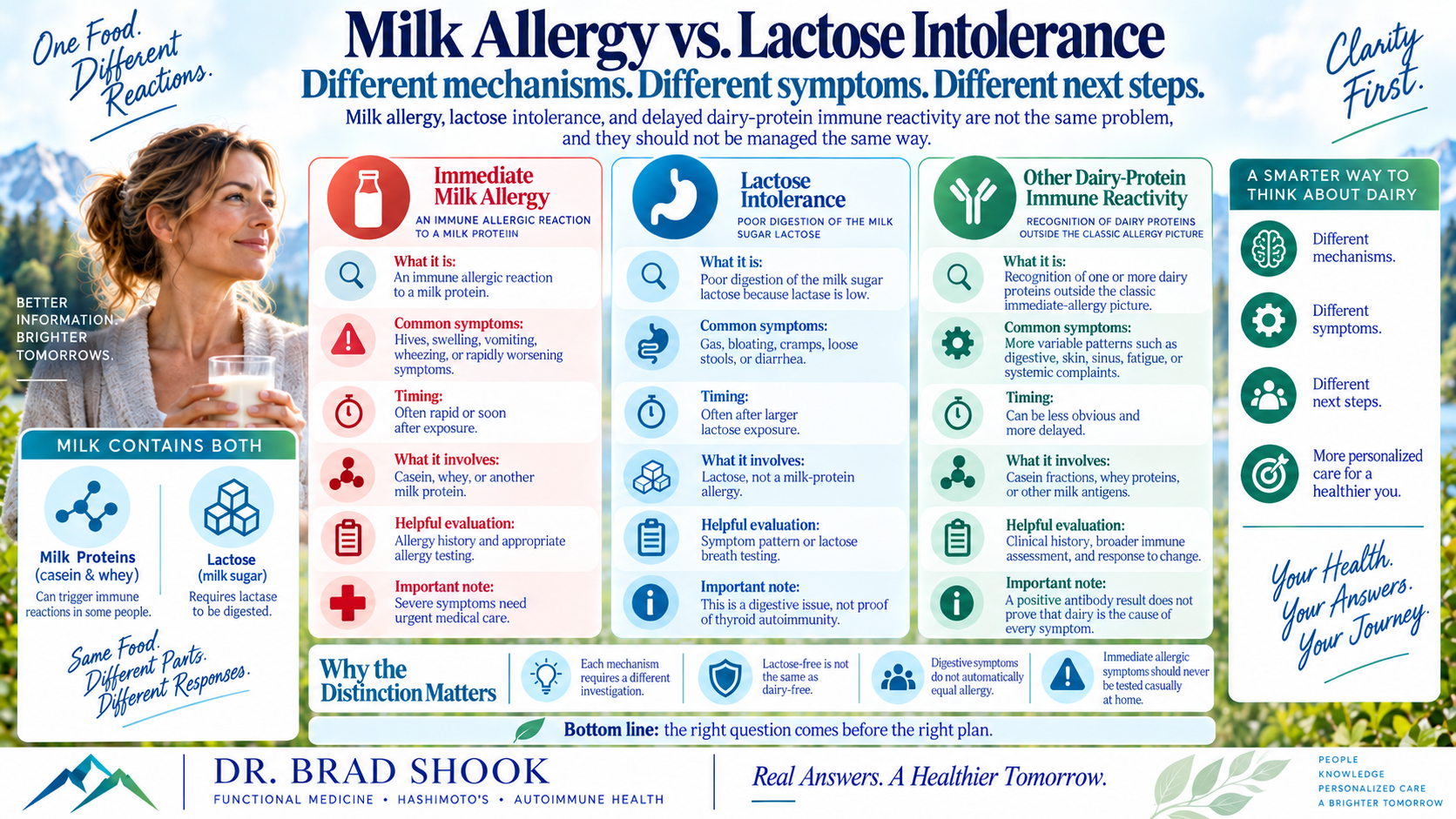
Milk Allergy and Lactose Intolerance Are Different
| Question | Milk-protein allergy | Lactose intolerance | Other immune reactivity |
|---|---|---|---|
| Mechanism | Immune reaction, commonly involving IgE | Reduced digestion of lactose sugar | Antibody recognition or another immune response that may involve IgG, IgA, or cellular pathways |
| Typical pattern | Hives, swelling, wheezing, vomiting, faintness, or rapid symptoms | Gas, bloating, cramps, or diarrhea after enough lactose | Patterns may be delayed and nonspecific, making history and reassessment essential |
| Best starting point | Allergy evaluation and safety plan | Symptom history, lactose breath testing when useful, and dose comparison | Focused clinical history, appropriate immune testing, and a structured elimination and reassessment plan |
Breathing difficulty, throat swelling, faintness, or rapidly progressing allergic symptoms require emergency care. Do not perform a home reintroduction after a suspected immediate milk allergy.
Dairy, Lactose and Levothyroxine Absorption
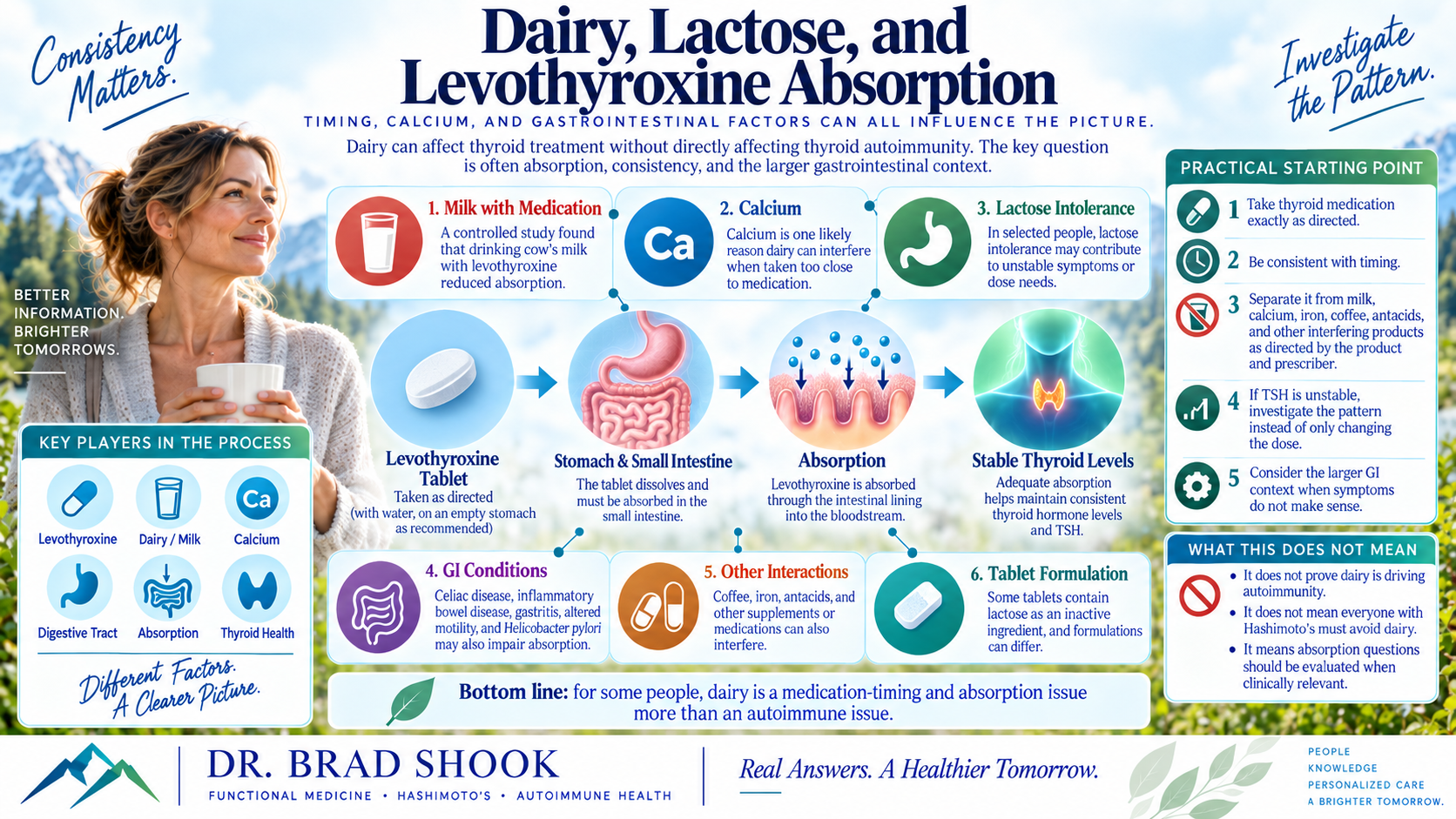
Dairy can affect thyroid treatment without affecting thyroid autoimmunity. A controlled study found that drinking cow's milk with levothyroxine reduced medication absorption. Calcium is one likely contributor, which is why consistent timing around food and supplements matters.
Lactose intolerance may also matter in selected people. One Hashimoto's study reported lower TSH after lactose restriction, and another found that lactose intolerance increased levothyroxine requirements. A later study found that lactose intolerance was not more common than expected and that changing the diet and formulation did not significantly change TSH or dose. The evidence therefore supports investigating lactose when symptoms, unstable TSH, or unexpectedly high dose requirements make it relevant, rather than screening or restricting everyone.
Some tablets contain lactose as an inactive ingredient, but the amount and formulation vary. Gastrointestinal factors including celiac disease, inflammatory bowel disease, atrophic gastritis, Helicobacter pylori, altered motility, and medication or supplement interactions may also impair absorption.
Practical starting point: Take thyroid medication exactly as directed and consistently separate it from milk, calcium, iron, coffee, antacids, and other interfering products according to the product and prescriber's instructions. If TSH remains unstable, investigate the pattern rather than repeatedly changing the dose without understanding why.
Do Lactose-Free Milk, A2 Milk, Yogurt, Cheese, Ghee, Goat Milk or Sheep Milk Solve the Problem?
| Dairy form | What changes | What remains |
|---|---|---|
| Lactose-free milk | Lactose is broken down or removed | Casein, whey, butyrophilin, calcium, and other milk components remain |
| A2 milk | Contains the A2 beta-casein variant rather than A1 beta-casein | Still contains casein, whey, and other dairy proteins; not proven to treat Hashimoto's |
| Yogurt and kefir | Fermentation can reduce lactose and alter proteins | Dairy proteins remain, and individual tolerance varies |
| Hard cheese | Usually contains less lactose than milk | Concentrated casein and other dairy proteins remain |
| Butter and ghee | Mostly dairy fat, with lower protein content when highly purified | Trace proteins may remain, so they are not automatically safe in milk allergy |
| Goat and sheep dairy | Protein structures and proportions differ from cow's milk | Casein similarity and cross-reactivity can occur |
A2 milk may improve digestive comfort for some people compared with conventional milk, but the human evidence is mainly about gastrointestinal symptoms. It does not show that A2 milk prevents dairy immune reactivity or improves Hashimoto's.
How Testing Can Create a More Individualized Dairy Plan
Testing is most useful when it answers a specific question. A lactose breath test evaluates lactose malabsorption. Allergy testing evaluates an immediate milk-protein allergy. Thyroid laboratory testing helps determine whether thyroid levels and medication response are stable. More detailed food immune testing can look at antibodies to distinct dairy proteins instead of treating milk as one item.
A dairy immune fingerprint may evaluate whole milk, alpha- and beta-casein, additional casein fractions, whey proteins, beta-lactoglobulin, butyrophilin, casomorphins, or processed forms. The value is the pattern. Someone may recognize casein but not whey, or react to multiple dairy antigens as part of a broader loss of food immune tolerance.
A positive antibody result means that the immune system recognizes that antigen. It does not automatically diagnose an allergy, prove that dairy damaged the thyroid, or guarantee that dairy is causing a symptom. Results become more meaningful when they match your history, current exposure, symptoms, gastrointestinal and barrier findings, other autoimmune activity, and response after the plan changes. For the broader testing framework, see my functional medicine testing guide.
A single-food question
Is dairy associated with a reproducible symptom, and is the likely mechanism allergy, lactose, medication timing, or protein immune reactivity?
The whole-case question
Why has immune tolerance changed, and what roles may be played by the intestinal barrier, microbiome, infections, chemical exposures, blood sugar, nutrient status, stress, sleep, hormones, medications, and other foods?
My Functional Medicine Approach to Dairy and Hashimoto's
I use the Environmentally Induced Autoimmunity model to understand what may be activating or continuing the immune process. Dairy is evaluated in the context of your complete pattern, not treated as the automatic answer to every Hashimoto's case.
DETECT
Establish a baseline and identify potential triggers using your history, timeline, symptoms, thyroid testing, gastrointestinal assessment, barrier-system evaluation, food immune fingerprint, infections, chemical exposures, nutrient status, metabolism, stress, sleep, and medications.
SUPPORT
Build an individualized plan around the highest-priority findings. If dairy is removed, replace the nutrients it supplied and address digestion, barrier function, blood sugar, sleep, stress, activity, and other priorities identified in your case.
REASSESS
Track your symptoms, digestion, energy, skin, joints, brain function, thyroid laboratory findings, nutritional adequacy, and your ability to follow the plan. Continue, adjust, or stop each part of the plan based on how you are doing.
This approach provides a new opportunity beyond guessing. It helps determine whether dairy is a major trigger, one smaller part of a broader pattern, a medication-absorption issue, or a food that does not need to remain restricted. For the larger process, see the Hashimoto's Doctor Method.
How to Run a Structured Dairy Elimination and Reintroduction
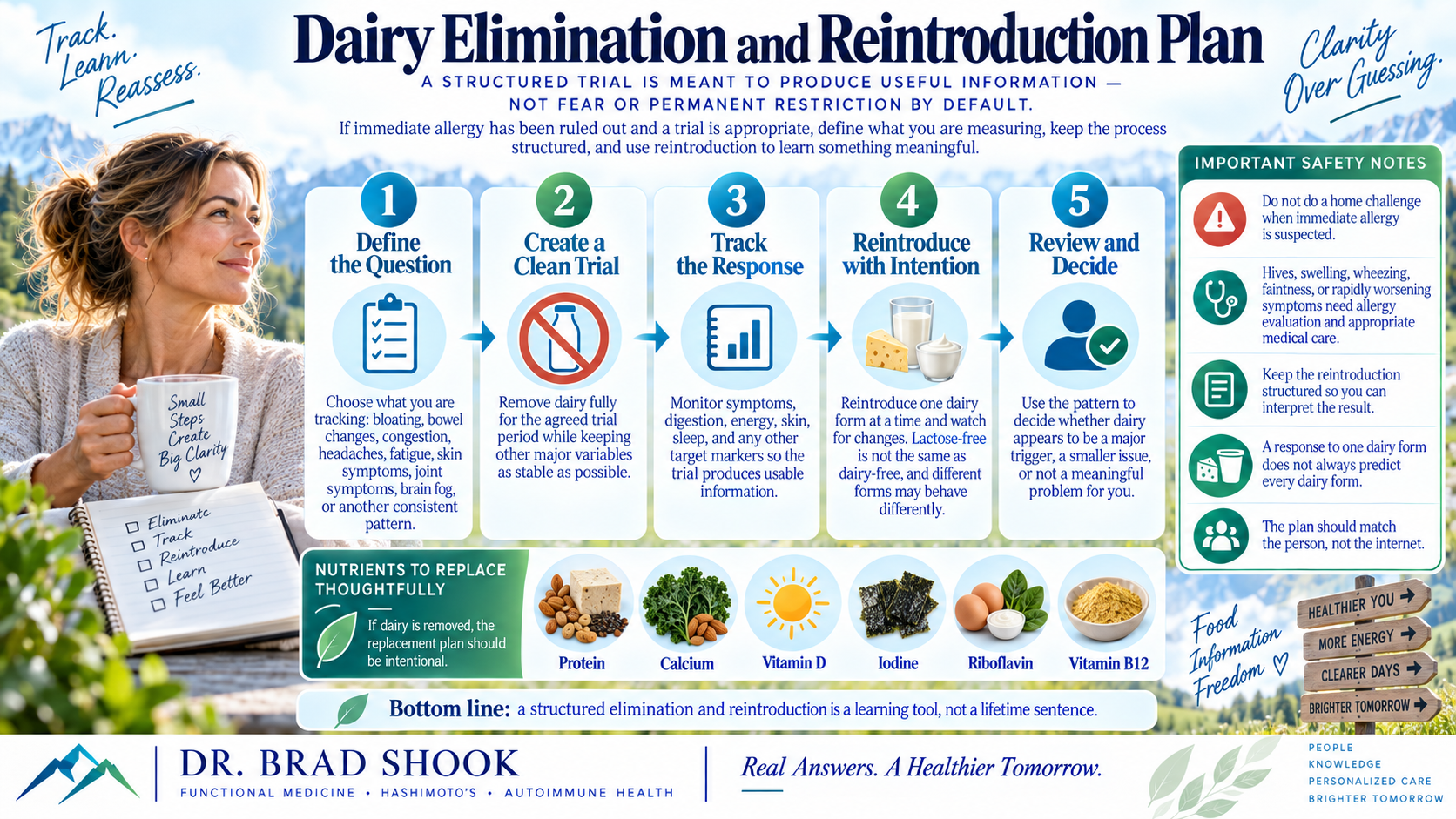
If immediate allergy has been ruled out and a trial is appropriate, define what you are measuring before removing dairy. Examples include bloating, bowel changes, congestion, headaches, fatigue, skin symptoms, joint symptoms, brain fog, or another consistent pattern.
Choose the outcome
Record the symptom, its frequency, severity, and timing before changing the diet.
Remove the full exposure
When evaluating dairy proteins, lactose-free milk is not dairy-free. Review milk, cheese, yogurt, butter, ghee, whey, casein powders, creamers, and hidden dairy ingredients.
Keep other major variables stable
Changing dairy, gluten, supplements, exercise, medication timing, and calories at once makes it difficult to know what helped.
Replace nutrients intentionally
Maintain adequate protein, calcium, iodine, vitamin D, riboflavin, vitamin B12, and overall food variety.
Reassess and reintroduce when safe
Compare the same outcome with the baseline. A reproducible change is more informative than a vague impression. Do not reintroduce dairy at home after a suspected immediate allergy.
Protect Nutrition and Microbiome Diversity When Dairy Is Removed
Dairy can contribute protein, calcium, iodine, vitamin D, riboflavin, vitamin B12, and convenient calories. Removing it without a replacement plan may create new problems, especially when gluten, eggs, soy, grains, nuts, or other foods are also restricted.
Fortified plant beverages vary greatly. Some provide calcium and vitamin D but little protein. Added gums, sweeteners, oils, and other ingredients may also affect tolerance. Shake fortified beverages before pouring because minerals can settle.
Food diversity matters. Hashimoto's and reduced thyroid activity can already be associated with changes in motility and the gastrointestinal environment. Continue to build variety with tolerated vegetables, fruits, proteins, fibers, herbs, and other nutrient-dense foods instead of eating the same small group of foods every day.
Frequently Asked Questions
Does dairy cause Hashimoto's disease?
Current evidence does not show that dairy universally causes Hashimoto's. Dairy may still matter for an individual through milk-protein allergy, lactose intolerance, food-specific immune reactivity, gastrointestinal dysfunction, gluten-associated cross-reactivity, or thyroid-medication absorption.
Should everyone with Hashimoto's avoid dairy?
No single dairy rule fits everyone. A focused investigation can determine whether dairy is a meaningful trigger, a digestive problem, a medication-timing issue, or a food that can remain in the diet.
Can casein cross-react with the thyroid?
Laboratory research has found that cow's milk and alpha- and beta-casein can bind to antibodies directed against T3. That study did not find dairy binding to TPO or thyroglobulin, so it supports a possible mechanism rather than proving that casein attacks the thyroid in a person with Hashimoto's.
What are casomorphins?
Casomorphins are small opioid-active peptides that can be produced when beta-casein is digested. Their effects in humans remain under investigation, and they have not been established as a cause of Hashimoto's or as a reliable marker of food-induced inflammation.
Is lactose-free dairy the same as dairy-free?
No. Lactose-free milk has little or no lactose sugar, but it still contains casein, whey, and other dairy proteins. It may help lactose-related digestive symptoms without answering a dairy-protein immune question.
Is A2 milk better for Hashimoto's?
A2 milk contains a different beta-casein variant and may be easier to digest for some people, but it still contains dairy proteins. There is no good evidence that A2 milk treats Hashimoto's or is automatically tolerated when milk-protein immune reactivity is present.
Are goat and sheep dairy safe alternatives?
Not automatically. Their proteins differ from cow's milk proteins, but important similarities and cross-reactions can occur. A person with a suspected milk allergy should not test these alternatives without professional guidance.
Can dairy interfere with levothyroxine?
Milk taken with levothyroxine can reduce absorption, partly because of calcium. Lactose intolerance and other gastrointestinal disorders may also affect dose requirements in some people. Follow the product and prescriber's timing instructions consistently.
Can food immune testing tell me whether dairy matters?
Testing can identify antibody recognition of specific dairy proteins and help create an immune fingerprint, but it does not by itself prove allergy, symptoms, thyroid damage, or causation. Results are most useful when matched to history, exposure, symptoms, barrier health, and a structured response plan.
How long should a dairy elimination trial last?
The trial should be long enough to observe the symptom being tracked and should include a planned reassessment. Keep other major variables stable and use a structured reintroduction when it is safe. Immediate or severe allergy symptoms require allergy evaluation rather than a home challenge.
Can I eat yogurt or hard cheese if milk bothers me?
Some people with lactose intolerance tolerate yogurt or hard cheese because they contain less lactose. These foods still contain dairy proteins, so lower lactose does not guarantee tolerance when the concern is casein, whey, or another milk protein.
What nutrients need attention when dairy is removed?
Depending on the rest of the diet, protein, calcium, iodine, vitamin D, riboflavin, and vitamin B12 may need attention. Fortified alternatives vary widely, so the replacement plan should be intentional.
Would You Like to Know Whether Dairy Is Part of Your Hashimoto's Pattern?
I evaluate diet, immune triggers, gastrointestinal and barrier health, metabolism, nutrient status, infections, environmental exposures, stress, sleep, medications, and your individual response. The goal is to find a better starting point and build a plan around your physiology instead of relying on a universal food list.
References and Clinical Resources
- Kharrazian D, Herbert M, Vojdani A. Immunological Reactivity Using Monoclonal and Polyclonal Antibodies of Autoimmune Thyroid Target Sites with Dietary Proteins. Journal of Thyroid Research. 2017.
- Monetini L, et al. Antibodies to bovine beta-casein in diabetes and other autoimmune diseases. Hormone and Metabolic Research. 2002.
- Aslan ES, et al. The Effect of a Casein and Gluten-Free Diet on the Epigenetic Characteristics of FoxP3 in Patients With Hashimoto's Thyroiditis. Cureus. 2024.
- Asik M, et al. Decrease in TSH levels after lactose restriction in Hashimoto's thyroiditis patients with lactose intolerance. Endocrine. 2014.
- Cellini M, et al. Systematic appraisal of lactose intolerance as cause of increased need for oral thyroxine. Journal of Clinical Endocrinology and Metabolism. 2014.
- Ferrari SM, et al. Lactose intolerance and levothyroxine malabsorption. Frontiers in Endocrinology. 2024.
- Lobasso A, et al. Prevalence of Lactose Intolerance in Patients with Hashimoto Thyroiditis and Impact on LT4 Replacement Dose. Nutrients. 2022.
- Chon DA, et al. Concurrent Milk Ingestion Decreases Absorption of Levothyroxine. Thyroid. 2018.
- Caira S, et al. Beyond the gut: Investigating the mechanism of formation of beta-casomorphins in human blood. Food Chemistry. 2024.
- Gard F, et al. Effects of A1 Milk, A2 Milk and beta-Casomorphin-7 on Human Immune Cells. Biomolecules. 2024.
- Nieman KM, et al. The Effects of Dairy Product and Dairy Protein Intake on Inflammation. Journal of the American College of Nutrition. 2021.
- Guggenmos J, et al. Antibody cross-reactivity between myelin oligodendrocyte glycoprotein and the milk protein butyrophilin in multiple sclerosis. Journal of Immunology. 2004.
- Chunder R, et al. Antibody cross-reactivity between casein and myelin-associated glycoprotein results in central nervous system demyelination. Proceedings of the National Academy of Sciences. 2022.
- Osowiecka K, et al. The Influence of Nutritional Intervention in the Treatment of Hashimoto's Thyroiditis. Nutrients. 2023.