What Intestinal Permeability Actually Means
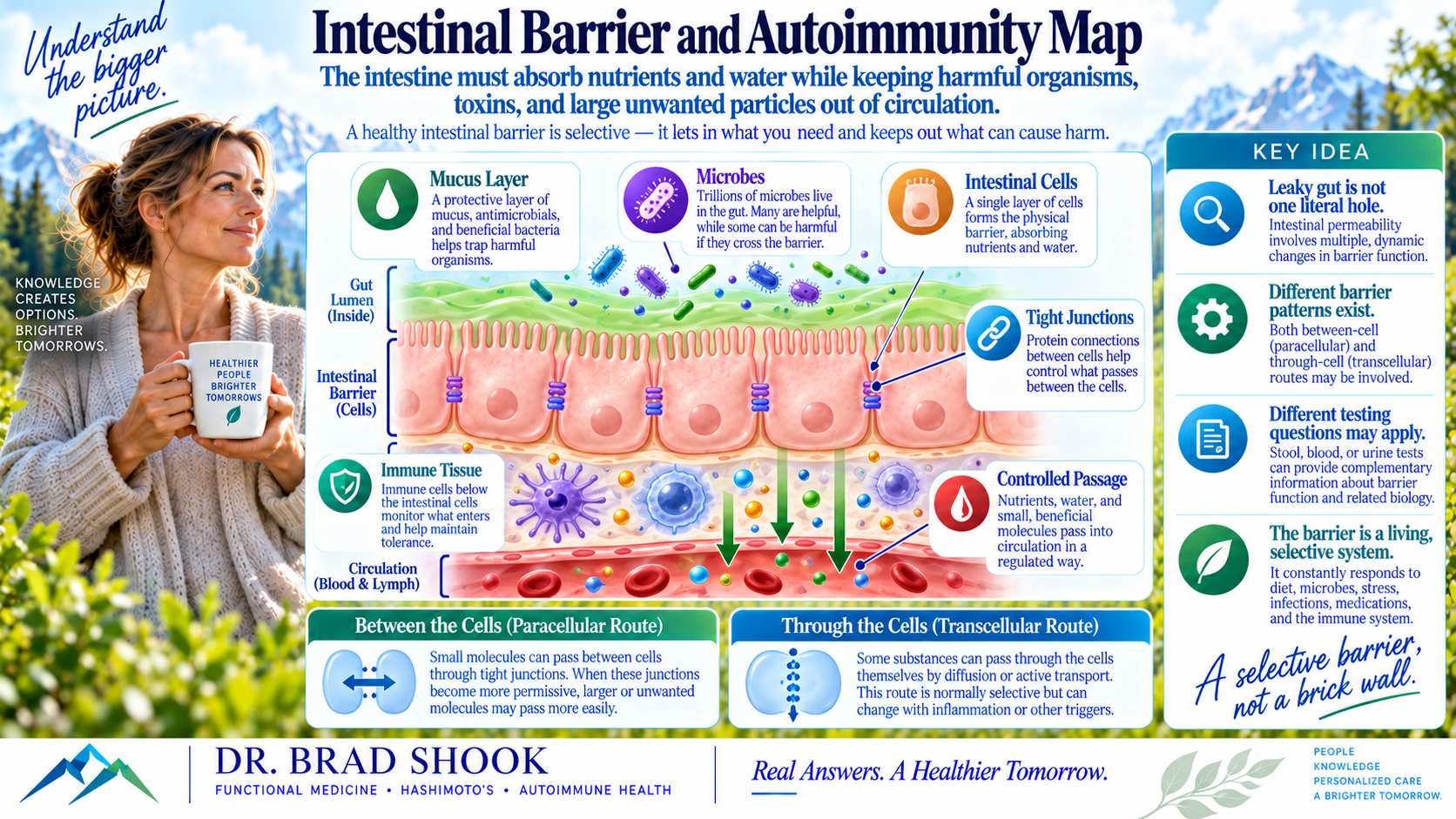
The intestine must do two jobs that seem opposite: absorb nutrients and water while keeping harmful organisms, toxins and large unwanted particles out of the circulation.
The single layer of cells lining the intestine is supported by mucus, immune cells, microbes and proteins that help seal neighboring cells together. Some material normally travels through intestinal cells. Other small molecules may pass between them through tightly regulated junctions. Increased intestinal permeability means that one or more parts of this control system are not working normally.
Between the cells
The paracellular route is the space between intestinal cells. Tight-junction proteins help control this pathway.
Through the cells
The transcellular route moves material through intestinal cells. Cell stress, inflammation and immune activity may affect this route.
“Leaky gut” is a common phrase for this problem, but it can make the intestine sound like a pipe with a single hole. The biology is more complex. The barrier may be affected at the level of mucus, tight junctions, intestinal cells, microbial products or mucosal immune tolerance. Different patterns may call for different testing and support.
The Direct Connection Between the Gut Barrier and Autoimmunity
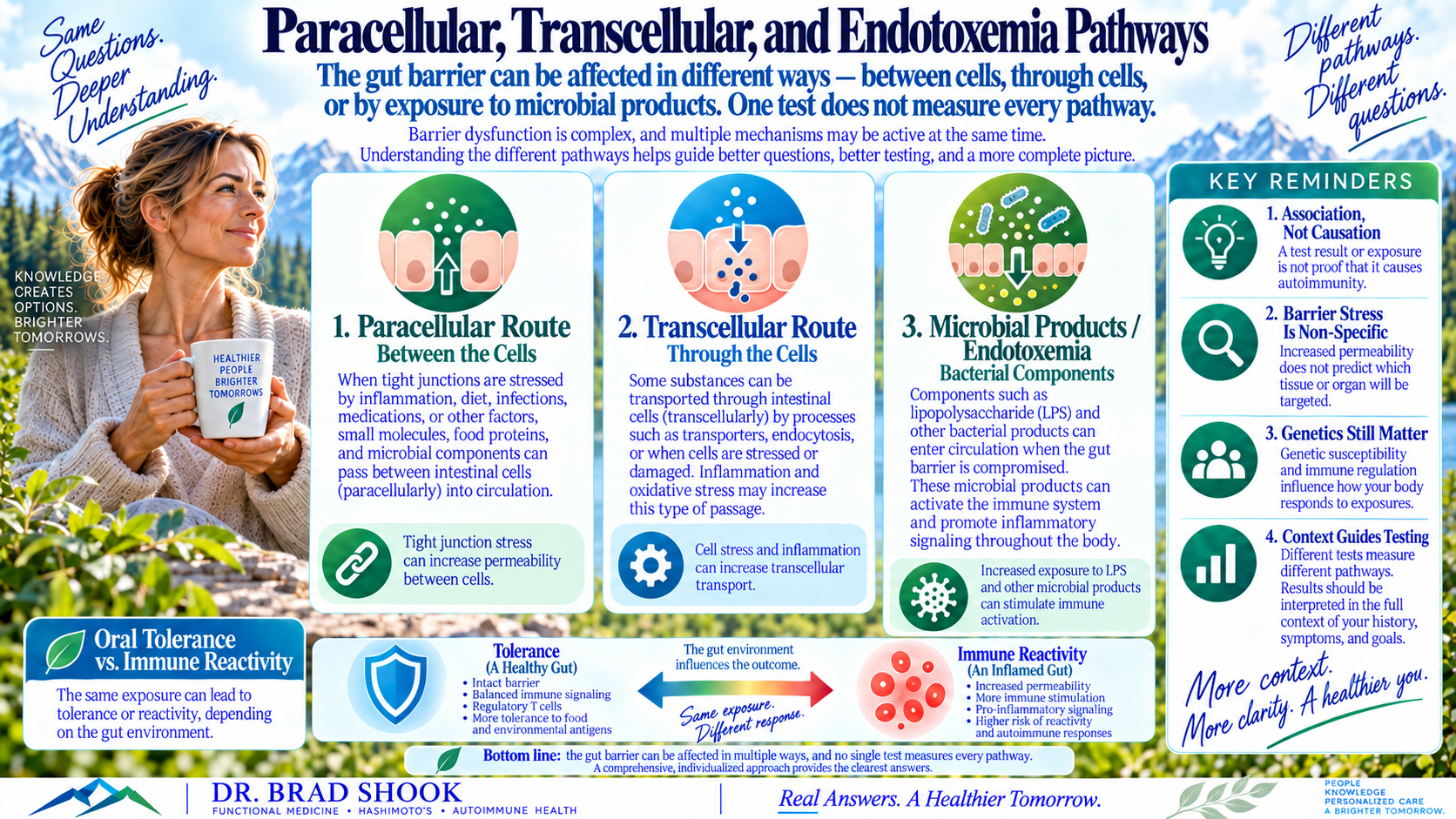
The immune system constantly samples material from the digestive tract. Under healthy conditions, it learns to tolerate food proteins and normal microbes while remaining ready to respond to danger. This is called oral tolerance. When the barrier becomes less selective and the surrounding immune environment is inflamed, more antigens may reach immune tissue in a context that encourages reaction instead of tolerance.
Antigens are pieces of proteins or other structures the immune system can recognize. They may come from food, microbes or damaged cells. Bacterial products such as lipopolysaccharide, often shortened to LPS, may also cross a stressed barrier and stimulate innate immune signaling. These events can create a cycle in which barrier stress increases immune activation, and inflammation places more stress on the barrier.
The important point: intestinal permeability is a plausible contributor to immune dysregulation, not proof of which tissue the immune system will target. Genetics, environmental triggers, immune regulation and the person's wider physiology help determine whether an autoimmune process develops and how it behaves.
A Significant Increase in Autoimmune Risk?
A 2023 study analyzed 266 laboratory samples. Samples positive for antibodies to zonulin and occludin were more likely to also be positive for 17 of 24 measured tissue-antibody targets. Depending on the specific antibody, the calculated odds ratios ranged from about 3 to 30.
The study compared laboratory antibody patterns at one point in time. It did not follow people to see who later developed a diagnosed autoimmune condition, establish which abnormality came first or show that repairing the barrier prevents disease. The takeaway is that barrier-related antibodies and multiple tissue-antibody patterns were associated in this sample
Why Hashimoto's and Gut Problems Can Travel Together
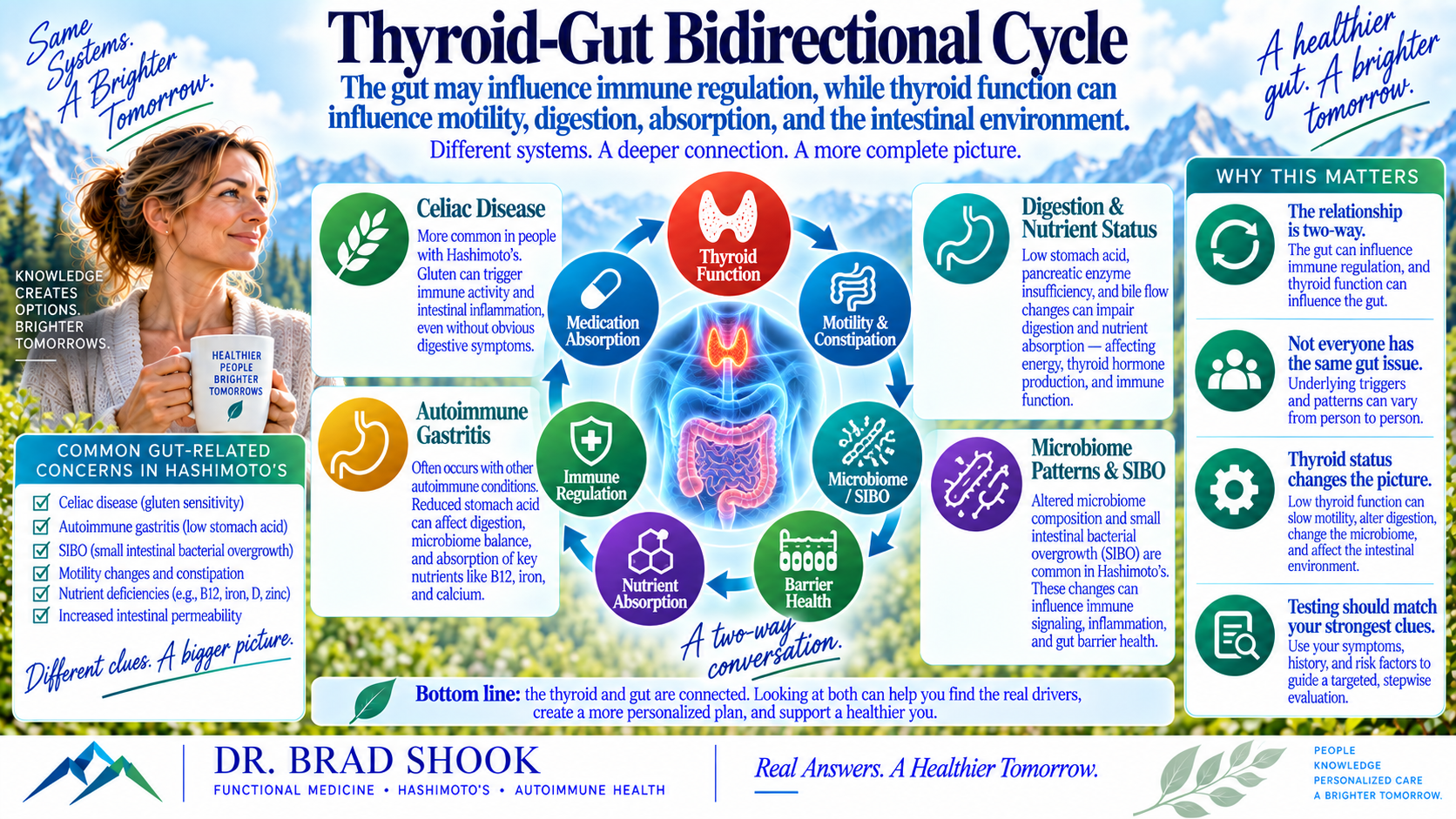
Hashimoto's is an autoimmune thyroid condition. The immune system reacts to thyroid tissue, and thyroid hormone production may decline as the process progresses. The gut may influence immune regulation, while thyroid function can influence the gut. This is why the relationship is best understood as a two-way interaction.
If you want the larger map of susceptibility, triggers and drivers, continue with what causes Hashimoto's disease.
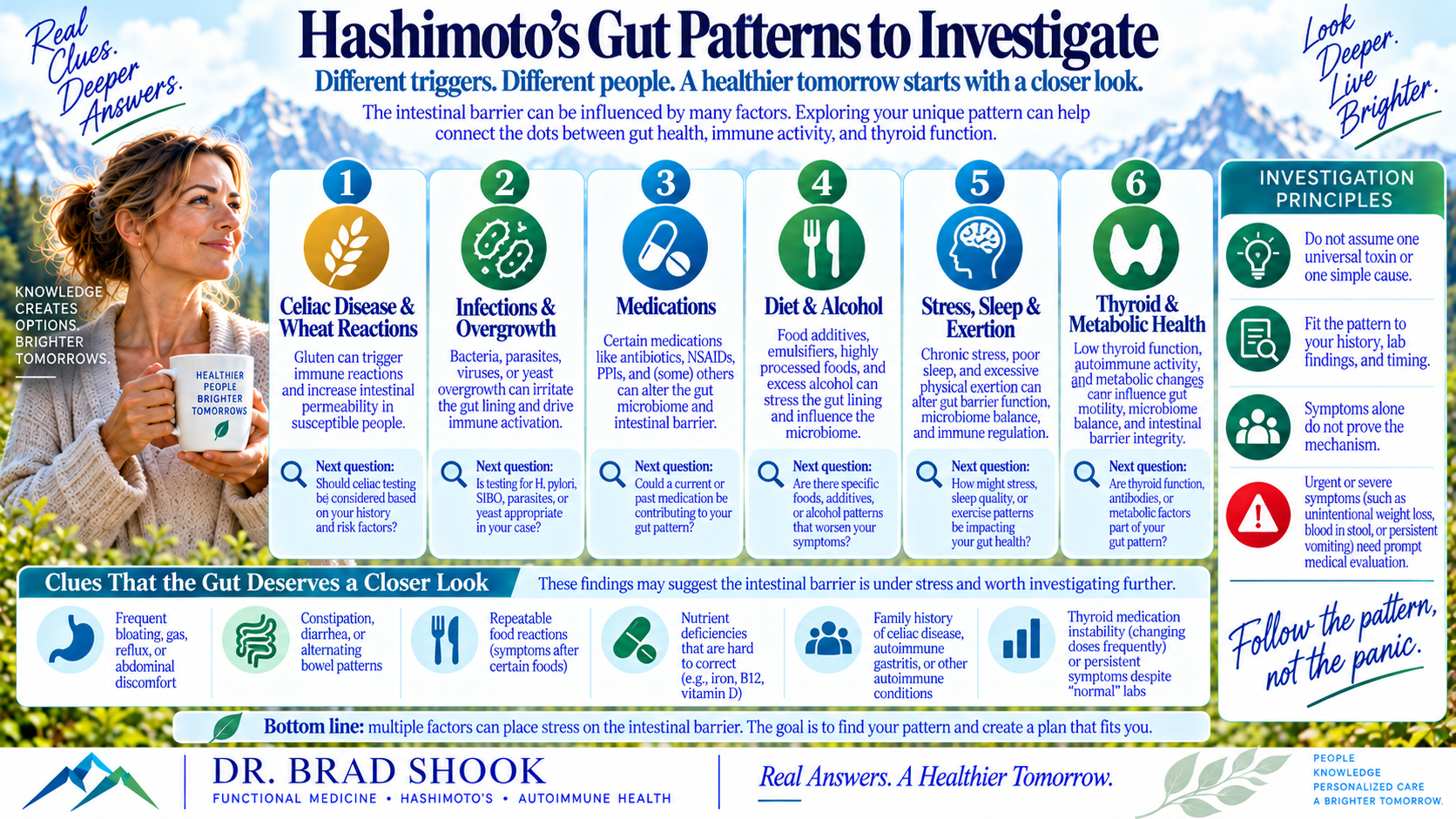
Clues That the Gut Deserves a Closer Look
You can have altered intestinal permeability without dramatic digestive symptoms. Symptoms do not prove that the barrier is impaired, but they can point toward a more specific question.
- Persistent bloating, gas, abdominal discomfort or reflux
- Constipation, diarrhea or alternating bowel patterns
- Food reactions that are repeatable rather than random
- Iron, vitamin B12, folate or vitamin D levels that remain difficult to correct
- A personal or family history of celiac disease, inflammatory bowel disease or autoimmune gastritis
- Unexpected changes in the amount of levothyroxine needed to maintain stable thyroid tests
- Long-term or frequent use of medications that may affect the stomach, intestine or microbiome
- A clear onset after a gastrointestinal infection, major stressor or significant dietary change
Do not label every digestive symptom as leaky gut. Blood or black stool, severe or worsening pain, persistent vomiting, dehydration, fever with significant symptoms, fainting, unexplained weight loss, marked weakness or signs of anemia need prompt medical evaluation.
What Can Place Stress on the Intestinal Barrier?
It is usually not one thing. The best approach is to identify the factors that plausibly fit your history, timing, symptoms and objective findings.
| Area to investigate | Why it may matter | Useful next question to ask |
|---|---|---|
| Celiac disease and wheat reactions | Celiac disease directly injures the small-intestinal lining. Other wheat or gluten immune reactions require different testing and interpretation. | Have I been tested appropriately while still eating gluten? |
| Infections and overgrowth | Gastrointestinal infections, H. pylori and some bacterial-overgrowth patterns may affect inflammation, motility or absorption. | Do my symptoms and history justify targeted breath, stool or infection testing? |
| Medications | NSAIDs, acid-suppressing drugs, antibiotics and other medications may affect the gut in different ways. | Which medicines are necessary, and could timing, dose or alternatives be reviewed with the prescriber? |
| Diet and alcohol | Low-fiber, nutrient-poor dietary patterns, heavy alcohol intake or an individually reactive food may place stress on the barrier or microbiome. | Which change is specific enough to test and sustainable enough to evaluate? |
| Stress, sleep and exertion | Chronic stress, sleep loss and excessive exercise can affect motility, mucosal defense and recovery. | Is my gut pattern worse when recovery is poor? |
| Thyroid and metabolic health | Low thyroid function, blood-sugar instability and other metabolic patterns may influence motility and the intestinal environment. | Are thyroid levels, bowel transit and metabolic markers being evaluated together? |
For the detailed gluten and celiac connection, see the connection between gluten, Hashimoto's and celiac disease. For the broader dietary framework, use the Hashimoto's diet guide.
Testing Intestinal Permeability Without Oversimplifying It
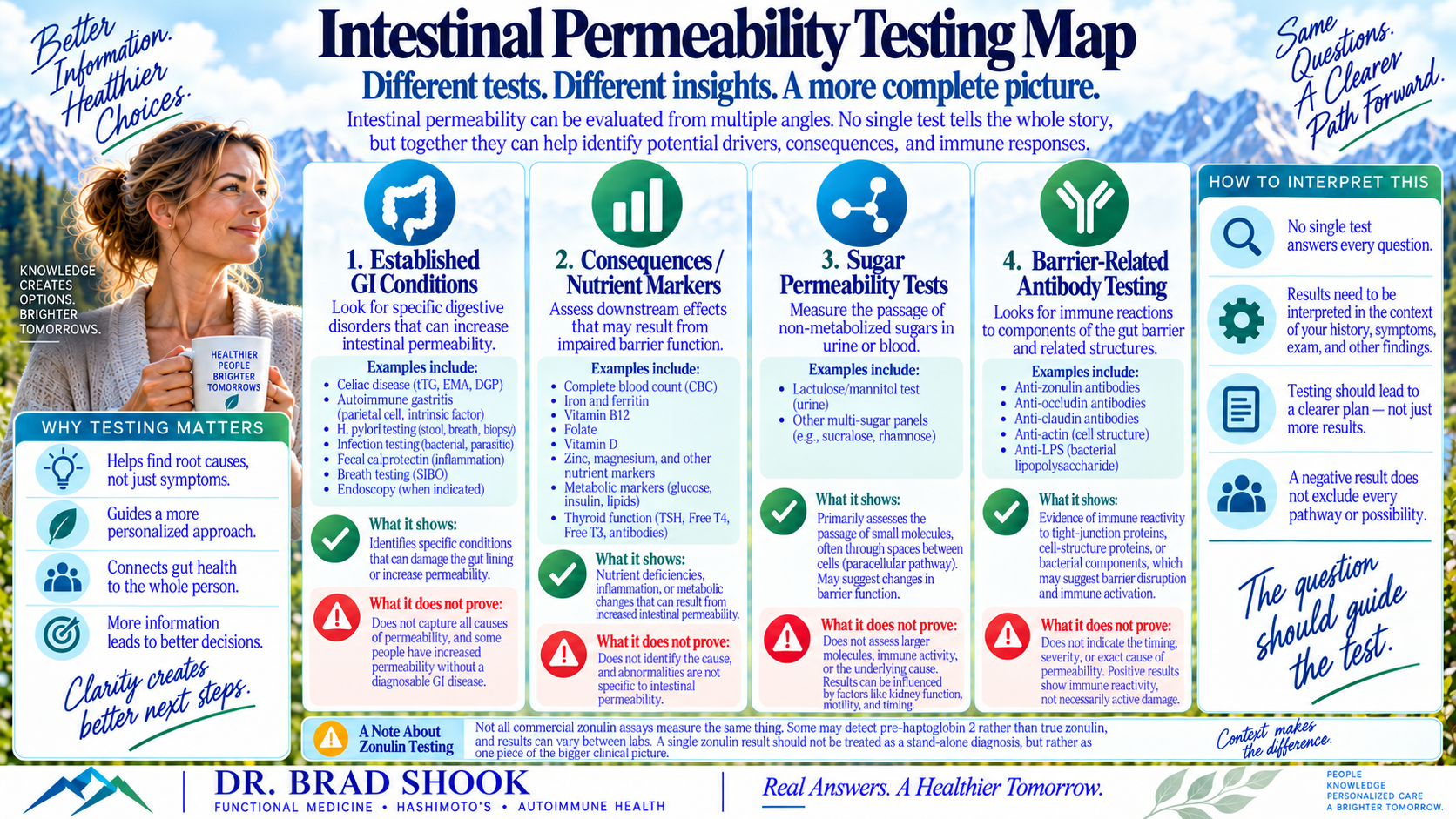
There is no single perfect “leaky gut test.” Different tests answer different questions, and the best starting point depends on what you are trying to clarify.
Rule in or rule out established gastrointestinal conditions
This may include celiac testing while gluten is still being eaten, evaluation for autoimmune gastritis or H. pylori, inflammatory markers, fecal calprotectin, infection testing, breath testing or endoscopy when the history supports it.
Measure the consequences
A complete blood count, iron and ferritin, vitamin B12, folate, vitamin D, metabolic markers and thyroid testing may show whether digestion, absorption, inflammation or medication stability deserves more attention.
The barrier question
Sugar permeability tests are designed to assess passage of small molecules, primarily through the spaces between cells. Specialized antibody panels may look for immune reactions to tight-junction proteins, cell-structure proteins or bacterial LPS. These approaches evaluate different biology and are not interchangeable.
Interpret the result
A positive result may identify a barrier or immune pattern worth addressing, but it does not prove what caused Hashimoto's. A negative result does not exclude every possible pathway, and the result has to be considered in the context of your full health history and other findings.
A special caution about zonulin testing
Zonulin is part of a family of proteins involved in barrier regulation, but commercial tests do not all measure the same thing. A 2018 investigation found that a widely used zonulin ELISA did not detect pre-haptoglobin 2, the protein originally identified as zonulin, and likely recognized related proteins instead. That does not make every barrier-related measurement useless. It means a single serum or stool zonulin number should not be treated as a stand-alone diagnosis, a direct measurement of "leaky gut" or proof that the gut caused an autoimmune disease.
I may consider barrier testing alongside the symptom timeline, thyroid status, digestive function, nutrient markers, food and microbial patterns, medications and the actions the result would support. Learn more in the functional medicine testing guide.
How to Support Gut Health When You Have Hashimoto's
The phrase “heal the gut” often gets reduced to a powder, probiotic or long elimination diet. A better plan addresses the reason the intestinal system may be under stress.
Address identified conditions
Celiac disease, inflammatory bowel disease, H. pylori, autoimmune gastritis, infection, SIBO and significant motility disorders require plans matched to the condition.
Stabilize thyroid and motility
Constipation and slow transit may not improve if low thyroid function, hydration, movement, medication effects and other motility factors are ignored.
Personalize the diet
Emphasize adequate protein, colorful plant foods and tolerated fiber while using history and testing to identify foods that need a structured trial. More restriction is not always better.
Rebuild nutrient status
Iron, vitamin B12, folate, vitamin D, zinc, magnesium, essential fatty acids and other nutrients may matter, but supplementation should follow the person's needs and tolerance.
Support recovery
Sleep, stress regulation, appropriate movement and a realistic eating pattern influence nervous-system tone, motility, blood sugar and the ability to follow the plan.
Measure the response
Track bowel regularity, bloating, pain, energy, food tolerance, nutrient markers, thyroid stability and the ability to expand the diet over time.
Supplements work best when they match the pattern. Glutamine, zinc, probiotics, immunoglobulin products and botanical compounds may be useful in selected cases. The right choice depends on the mechanism, dose, tolerance, medications and the rest of the plan rather than assuming one gut protocol fits everyone.
A Functional Medicine Framework for the Thyroid-Gut Connection
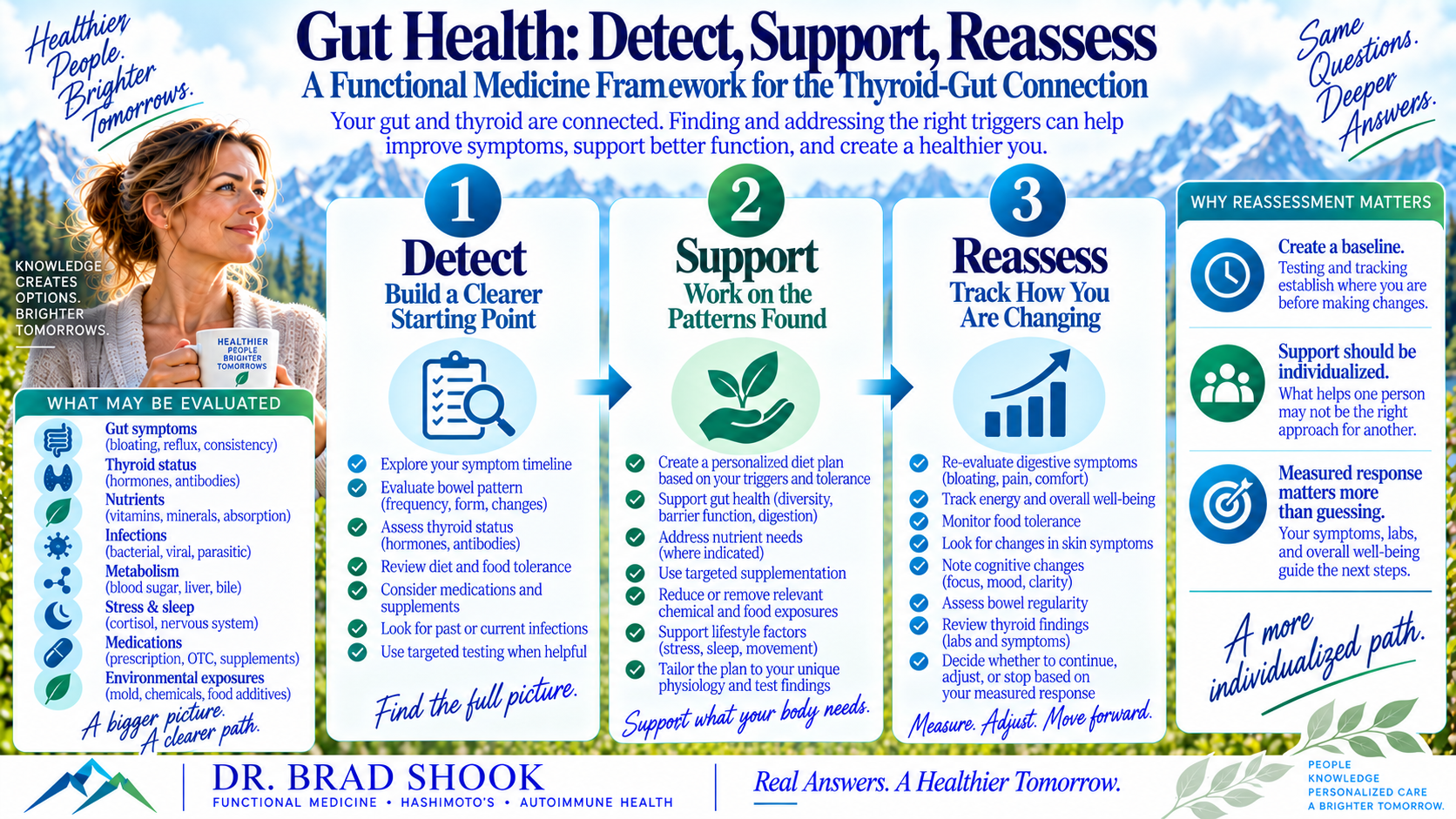
I use the Environmentally Induced Autoimmunity model to understand how genetic susceptibility may interact with gut and barrier health, diet, infections, environmental exposures, metabolism, nutrient status, stress, sleep, medications and your individual response. This creates a new opportunity to understand what may be driving the process and build a more focused plan.
Build a clearer starting point
Map the symptom timeline, bowel pattern, thyroid status, diet, medications, infections, nutrient and metabolic findings, and choose testing that can clarify the strongest suspected drivers.
Work on the patterns found
Build diet, lifestyle, supplementation, gut support and exposure reduction around the highest-priority findings in your history, physiology and objective testing.
Track how you are changing
Follow your digestive symptoms, energy, food tolerance, skin, cognition, bowel regularity, thyroid findings and ability to follow the plan. Continue, adjust or stop based on how you are doing.
Improving gut and barrier health does not mean Hashimoto's will be cured or thyroid tissue that has been lost will be restored. The opportunity is to identify triggers, drivers and physiological patterns that may be changed, support the systems involved in immune regulation and learn from how your autoimmunity responds.
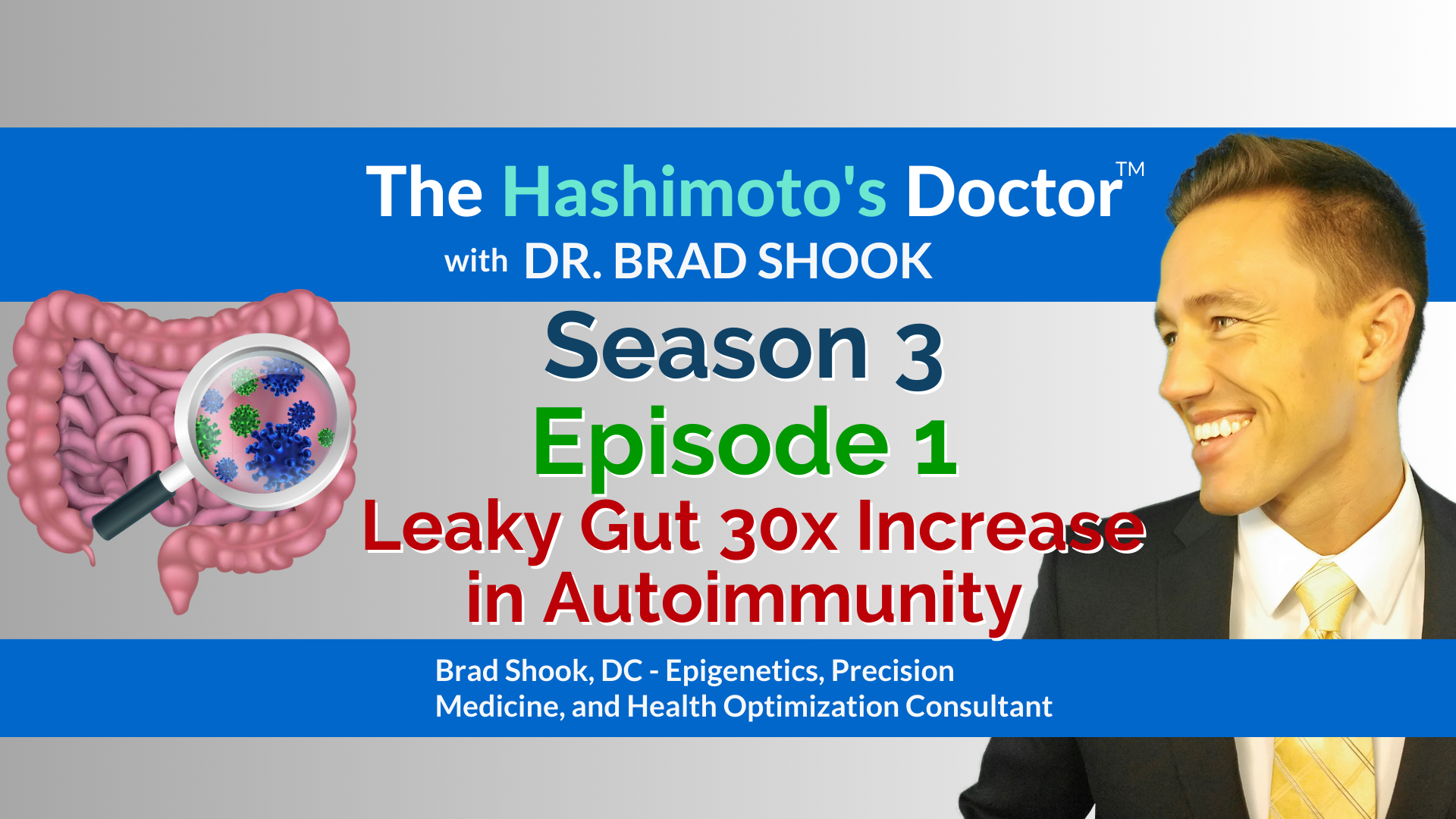
Listen: The Gut-Autoimmunity Connection
In this episode of The Hashimoto's Doctor Podcast, I discuss intestinal barrier health and autoimmunity. One important distinction when interpreting the research is that the reported 3- to 30-fold figures describe associations among selected laboratory antibodies in one study, not a universal prediction that leaky gut will cause autoimmune disease.
Frequently Asked Questions
Can leaky gut cause Hashimoto's disease?
Research has not proven that intestinal permeability is a single universal cause of Hashimoto's. A less selective intestinal barrier may increase immune exposure to food components, microbes and microbial products, which could influence immune activation in a susceptible person. The relationship is also bidirectional because low thyroid function can affect motility, digestion and the intestinal environment.
Does leaky gut increase autoimmune disease risk by 30 times?
That is not what the study proved. A 2023 analysis of 266 laboratory samples found that positivity for zonulin and occludin antibodies was associated with higher odds of positivity for 17 of 24 tissue antibody targets, with odds ratios ranging from about 3 to 30. It did not show that every person with intestinal permeability is 30 times more likely to develop a diagnosed autoimmune disease.
What does intestinal permeability mean?
Intestinal permeability describes how selectively the intestinal lining controls what passes from the digestive tract into the tissue and circulation. Some passage is normal. Increased permeability means that control has changed and more material may cross between or through intestinal cells.
Can you have intestinal permeability without digestive symptoms?
Yes. Bloating, pain, constipation, diarrhea or food reactions may create clues, but some people with an altered intestinal barrier have few obvious digestive symptoms. History, risk factors and the reason for testing still matter.
What gut conditions are more common with Hashimoto's?
Celiac disease and autoimmune gastritis occur more often in people with autoimmune thyroid disease than in the general population. Hypothyroidism can also slow intestinal movement and contribute to constipation, and small intestinal bacterial overgrowth has been reported more often in some hypothyroid groups.
Is there one best test for leaky gut?
No single test answers every intestinal barrier question. Sugar permeability tests, barrier-related antibody tests, digestive disease testing, inflammatory markers, nutrient testing and breath or stool testing evaluate different parts of the picture. Results need to be interpreted with symptoms, history and the clinical question.
Is a zonulin blood test enough to diagnose leaky gut?
No. Commercial zonulin assays do not all measure the same protein, and research has raised important questions about what some widely used assays detect. A zonulin result should not be treated as a stand-alone diagnosis or proof of the cause of an autoimmune condition.
Should I stop gluten if I have Hashimoto's and gut symptoms?
If celiac disease has not been evaluated, complete appropriate testing while you are still eating gluten whenever possible. Removing gluten first can make celiac blood tests and biopsy less reliable. After that, a structured gluten-free trial may be reasonable when the history or immune testing supports it.
Can constipation affect the gut microbiome in Hashimoto's?
Slower intestinal movement can change transit time and the environment in which microbes live. Because hypothyroidism can contribute to constipation, thyroid status and motility deserve attention when a person with Hashimoto's also has bloating, irregular bowel movements or suspected bacterial overgrowth.
Can gut problems affect thyroid medication absorption?
Yes. Celiac disease, autoimmune gastritis, Helicobacter pylori infection and other gastrointestinal conditions can affect levothyroxine absorption in some people. Food, supplements and medication timing can also matter. Unexpected dose changes should be discussed with the prescribing clinician.
What helps support the intestinal barrier?
The most useful plan addresses the reason the barrier may be under stress. This may include treating an identified gastrointestinal disorder, correcting thyroid-related motility problems, personalizing food choices, supporting nutrient status, sleep and stress regulation, and reducing meaningful medication or exposure contributors when appropriate.
When do gut symptoms need prompt medical evaluation?
Seek prompt medical care for blood or black stool, severe or worsening abdominal pain, persistent vomiting, dehydration, fever with significant symptoms, unexplained weight loss, fainting, marked weakness or signs of anemia. These should not be assumed to be routine leaky gut symptoms.
Ready to Understand Your Thyroid-Gut Pattern?
If you have Hashimoto's plus constipation, bloating, food reactions, nutrient problems or unstable thyroid medication needs, a generic gut protocol may miss the point. I evaluate the intestinal barrier within the complete autoimmune case, including thyroid function, diet, infections, metabolism, nutrients, stress, sleep, medications and environmental exposures.
References and Clinical Resources
- Kharrazian D, Herbert M, Lambert J. The Relationships between Intestinal Permeability and Target Antibodies for a Spectrum of Autoimmune Diseases. International Journal of Molecular Sciences. 2023. Review the study.
- de Freitas Cayres LC, et al. Detection of Alterations in the Gut Microbiota and Intestinal Permeability in Patients With Hashimoto Thyroiditis. Frontiers in Immunology. 2021. PubMed record.
- Virili C, Fallahi P, Antonelli A, Benvenga S, Centanni M. Gut microbiota and Hashimoto's thyroiditis. Reviews in Endocrine and Metabolic Disorders. 2021. PubMed record.
- Lauritano EC, et al. Association between hypothyroidism and small intestinal bacterial overgrowth. Journal of Clinical Endocrinology and Metabolism. 2007. PubMed record.
- Virili C, Antonelli A, Santaguida MG, Benvenga S, Centanni M. Gastrointestinal Malabsorption of Thyroxine. Endocrine Reviews. 2019. PubMed record.
- Scheffler L, et al. Widely Used Commercial ELISA Does Not Detect Precursor of Haptoglobin2, but Recognizes Properdin as a Potential Second Member of the Zonulin Family. Frontiers in Endocrinology. 2018. PubMed record.
- Fasano A. All disease begins in the (leaky) gut: role of zonulin-mediated gut permeability in the pathogenesis of some chronic inflammatory diseases. F1000Research. 2020. PubMed record.
- Professional education reviewed for this article included Kharrazian Institute Hashimoto's, autoimmunity and gastrointestinal coursework addressing thyroid-gut physiology, motility, celiac disease, autoimmune gastritis, oral tolerance, barrier pathways, LPS, nutrient absorption and individualized testing.